
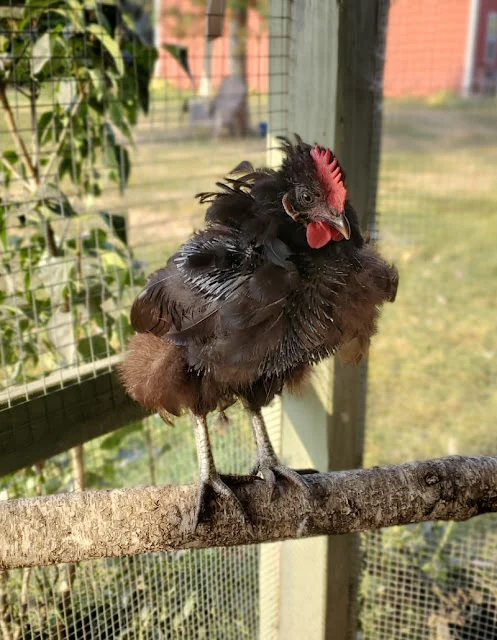
The annual molting cycle is a biological phenomenon experienced by all avian species, including domesticated backyard chickens. As autumn approaches and daylight hours decrease, poultry owners often observe a significant loss of feathers, a process that can be visually alarming but is fundamentally essential for the bird’s physiological preparation for winter. Molting serves as a critical period of renewal, allowing chickens to replace damaged or worn plumage with a dense, insulating coat necessary to maintain body temperature during colder months. While typically occurring in chickens approximately 18 months of age, this process is an annual event that carries substantial implications for flock management, nutrition, and egg production.

The Physiology and Triggering Mechanisms of Molting
Molting is the systematic shedding and replacement of feathers, a process governed largely by photoperiodism—the physiological reaction of organisms to the length of day or night. As the summer solstice passes and daylight hours begin to wane, the pineal gland in the chicken’s brain detects the shift in light exposure. This hormonal change triggers the pituitary gland, which in turn signals the bird to cease egg production and initiate the molt.
While seasonal light changes are the primary driver, other stressors can induce a premature or "forced" molt. Factors such as extreme heat, sudden shifts in the environment, predator attacks, or severe nutritional deficits can disrupt a bird’s homeostasis, causing them to drop feathers outside of the typical autumn window. Furthermore, artificial lighting management plays a significant role; if a producer provides supplemental light during the winter months and subsequently removes it, the sudden change in perceived day length can trigger an immediate and often stressful molting cycle.

Chronology of the Molting Process
The molting sequence is remarkably predictable and follows a specific anatomical progression. Feathers typically begin to drop from the head and neck, followed by the saddle, breast, abdomen, wings, and finally the tail. This systematic loss ensures the bird maintains a degree of coverage while new feathers are developing.
The duration of this process varies significantly based on the individual bird’s genetic background and health. High-producing laying hens often undergo a rapid, intense molt, shedding feathers quickly and completing the renewal process within 14 to 16 weeks. Conversely, less efficient layers may exhibit a "slow molt," a protracted process that can last up to six months. During this period, the bird is in a state of high metabolic demand. The formation of new feathers, which are composed primarily of keratin—a fibrous structural protein—requires a massive diversion of energy and nutrients away from reproductive functions. Consequently, egg production typically ceases or declines sharply until the new plumage is fully developed.

Nutritional Requirements and Metabolic Demands
Because feathers are approximately 85% to 90% protein, the nutritional requirements of a molting chicken change drastically. When a bird is growing a new set of feathers, it is essentially building a new integumentary system from scratch, which necessitates an increased intake of sulfur-containing amino acids such as methionine and cystine.
Avian nutritionists suggest that flock owners should consider transitioning to a higher-protein feed during this period. Standard layer rations, typically containing 16% protein, may prove insufficient to support both the maintenance of the bird’s body and the rapid synthesis of keratin. Incorporating supplemental protein sources—such as black oil sunflower seeds, peas, or specialized poultry grains—can assist in reducing the duration of the molt and ensuring the bird emerges with healthy, resilient plumage.

Beyond protein, mineral intake is critical. Because the bird is under metabolic stress, immune system support is often recommended. Many poultry experts advocate for the inclusion of apple cider vinegar in the water supply, which, at a concentration of one tablespoon per gallon, is believed to aid in the absorption of nutrients and support gut health during this period of vulnerability.
Distinguishing Molting from Pathological Feather Loss
A primary concern for novice poultry keepers is distinguishing the natural molt from pathological conditions, such as feather pecking or parasitic infestations. A key diagnostic feature of the molt is the appearance of "pin feathers" or "blood feathers." During the growth phase, new feathers are encased in a waxy, keratinous sheath that protects the nutrient-rich, blood-filled shaft as it develops. When these sheaths break, the new, healthy feather emerges.

In contrast, feather loss due to behavioral issues, such as cannibalism or over-preening, rarely results in the immediate regrowth of new shafts. Bare patches—particularly around the vent or abdomen—are often indicative of external parasites like mites or lice, or, in the case of a bare abdomen, a sign of broodiness. Careful observation of the bird’s skin and the presence of new growth shafts are essential for accurate identification. If a bird appears listless, hides, or displays lethargy without signs of new feather growth, it may indicate an underlying illness requiring veterinary intervention.
The Impact on Flock Productivity
The economic and functional impact of molting is significant for backyard producers. While it is a common misconception that a hen’s laying career ends after her first major molt, it is accurate to state that production cycles shift. Post-molt, hens generally produce larger eggs with stronger shells, though the total annual volume of eggs may be slightly lower than that of a first-year pullet.

The role of the rooster is also affected by the molting cycle. Males undergo a similar feather replacement process, during which their fertility often declines. In cases of extreme nutritional stress or severe weight loss—defined as a loss of more than 25% of body weight—the reproductive system of a rooster may shut down entirely, leading to permanent sterility. Maintaining body condition during the molt is therefore as critical for the breeding male as it is for the laying hen.
Management Strategies for Optimal Recovery
Professional poultry management emphasizes environmental stability during the molting phase. Because the bird is essentially "undressed" during the shedding process, it is more susceptible to thermal stress. Ensuring the coop is well-ventilated yet free from drafts is imperative. Furthermore, minimizing handling and social stressors within the flock can prevent secondary complications.

The practice of feeding "molt meatloaf"—a mixture of high-protein ingredients like eggs, ground beef, and legumes—has become a popular, albeit anecdotal, strategy among backyard keepers to provide a concentrated dose of nutrients. While scientifically formulated feeds are the primary recommendation of avian veterinarians, these supplemental methods highlight the industry-wide consensus on the importance of amino acid supplementation during the feather regrowth cycle.
Broader Implications for Poultry Welfare
The annual molt is not merely a seasonal nuisance but a vital indicator of a bird’s health status. A bird that fails to molt or displays an incomplete, patchy molt may be suffering from chronic health issues, nutritional deficiencies, or hormonal imbalances. By monitoring the timing and quality of the molt, owners gain insight into the long-term vitality of their flock.

As the poultry industry moves toward more sustainable and natural management practices, the focus on supporting the bird through the natural biological cycle—rather than attempting to override it with excessive artificial light—is gaining traction. Providing the necessary dietary support and a low-stress environment during these weeks allows the flock to recover fully, ensuring they are robust enough to withstand the rigors of winter.
Ultimately, the successful management of a molting flock relies on the owner’s ability to recognize that this period of relative inactivity is a productive phase of biological restoration. By facilitating this transition through informed nutritional adjustments and vigilant observation, keepers ensure the continued health and longevity of their birds. The process is a testament to the evolutionary resilience of the species, demonstrating the intricate balance between environmental cues and internal physiological imperatives.
