
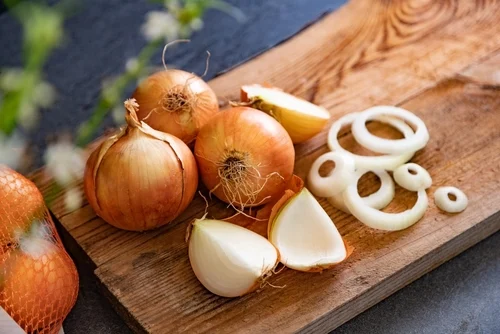
The question of whether onions can be safely integrated into a backyard chicken’s diet has been a subject of significant debate among hobbyist farmers and agricultural experts. While the backyard poultry movement has grown exponentially over the last two decades, with millions of households now keeping hens for eggs and companionship, the dissemination of nutritional information has not always kept pace with the scale of the trend. From a veterinary and toxicological standpoint, the consensus is clear: onions, along with other members of the Allium genus, pose a distinct and documented health risk to avian species.
The Toxicological Mechanism of Thiosulphate
At the core of the issue is a sulfur-containing compound known as N-propyl disulfide, commonly referred to as thiosulphate. While this compound is responsible for the distinct pungent aroma and flavor profiles associated with onions, it acts as a potent oxidant when ingested by certain animal species, including chickens.

In the avian biological system, thiosulphate acts by inducing oxidative damage to the red blood cells. Specifically, it causes the hemoglobin within these cells to denature, forming what are known as Heinz bodies. These structures represent damaged proteins that make the red blood cells fragile and prone to rupture, a process known as hemolysis. Because a chicken’s bone marrow cannot regenerate these lost cells at a rate that compensates for the destruction, the bird quickly develops hemolytic anemia.
The physiological consequences are severe. Red blood cells are essential for transporting oxygen from the respiratory system to the vital organs and tissues. When a significant portion of these cells are destroyed, the bird experiences hypoxia—a state of oxygen deprivation. This explains the characteristic symptoms associated with Allium toxicity, including labored breathing, lethargy, and general muscular weakness.
Chronology and Clinical Presentation of Toxicity
The clinical manifestation of onion toxicity in chickens typically follows a predictable, albeit distressing, progression. The timeline of symptoms often depends on the quantity ingested relative to the body weight of the bird, as well as the frequency of exposure.

In the immediate aftermath of consumption—typically within hours—birds may exhibit gastrointestinal distress, including diarrhea and reduced appetite. As the thiosulphate enters the bloodstream and begins the degradation of red blood cells, the secondary phase of toxicity begins. Within 24 to 48 hours, owners may observe:
- Respiratory Distress: Increased respiratory rate as the bird attempts to compensate for declining blood oxygen levels.
- Jaundice: A yellowing of the skin, beak, and vent, resulting from the liver’s inability to process the rapid breakdown of hemoglobin (hyperbilirubinemia).
- Lethargy and Depression: The bird will often isolate itself from the flock, exhibit a hunched posture, and show a marked lack of interest in foraging or social interaction.
- Pale Comb and Wattles: A direct indicator of anemia, as the lack of circulating red blood cells causes the normally vibrant red tissues to appear washed out or grayish.
If the ingestion is significant enough, the condition can lead to organ failure and, ultimately, mortality. Unlike some toxins that are metabolized and cleared by the body, the oxidative stress caused by thiosulphate is cumulative, meaning even small, repeated doses can lead to chronic health degradation.
The Allium Family and Scope of Risk
The risk is not limited solely to the common yellow onion. The botanical genus Allium includes several other vegetables frequently found in the home garden or kitchen, all of which contain varying concentrations of thiosulphate. These include shallots, leeks, chives, and scallions.

The prevalence of these plants in domestic settings—often grown in vegetable patches accessible to free-ranging chickens—necessitates a high level of vigilance. While some advocates of "natural" poultry keeping have occasionally suggested that small quantities of these vegetables might offer antimicrobial benefits, these potential benefits are statistically overshadowed by the proven risk of hemolytic anemia. Veterinary pathologists and avian specialists consistently advise that the threshold for toxicity is difficult to determine in a backyard setting, making total exclusion the only prudent strategy.
Distinguishing Between Onions and Garlic
A common point of confusion among poultry keepers involves the distinction between onions and garlic. While garlic (Allium sativum) is biologically related to the onion, its chemical composition and interaction with the avian system differ significantly.
Research indicates that garlic contains a substantially lower concentration of the specific sulfur compounds that induce hemolysis in poultry. Furthermore, when garlic is processed—dried, powdered, or aged—the chemical volatility of its active compounds is further reduced. This has led to a widely accepted distinction in avian husbandry: while fresh, raw onions should be strictly prohibited, many experts permit the use of garlic powder or properly prepared garlic extracts in controlled quantities.

Proponents of this practice point to the immune-supporting and respiratory-health-promoting properties of garlic, which have been observed in anecdotal clinical settings. However, it is essential to emphasize that these applications are intended for dietary supplementation rather than as a primary food source. Experts recommend that if garlic is to be used, it should be introduced through professional, bird-specific formulations rather than uncontrolled kitchen scraps.
Broader Implications for Flock Management
The rise in backyard poultry keeping has underscored the need for standardized nutritional guidelines. Unlike commercial poultry operations, which rely on strictly formulated, laboratory-tested feed, backyard flocks are often fed a mixture of commercial feed and "scraps." This practice, while environmentally sound in terms of waste reduction, carries inherent risks.
The broader implication is a shift in how owners perceive the dietary needs of their birds. The "everything is edible" mindset is a significant cause of preventable illness. Modern poultry management requires a refined understanding of avian physiology, specifically regarding which household items are chemically contraindicated.

Agricultural extension offices and veterinary institutions have increasingly emphasized the importance of a controlled diet. For most backyard flocks, the optimal nutritional program consists of a balanced layer ration providing the necessary calcium, protein, and essential amino acids, supplemented only by known safe vegetables such as dark leafy greens, squash, and specific grains.
Conclusion and Expert Recommendations
The primary takeaway for any poultry owner is the necessity of risk mitigation. Given that there is no known antidote for thiosulphate toxicity, the management of the condition is purely supportive and often ineffective once the clinical symptoms have manifested.
To maintain a healthy flock, owners should implement the following protocols:

- Strict Exclusion: Remove all members of the Allium family from the list of acceptable kitchen scraps.
- Garden Management: Ensure that vegetable gardens containing onions, chives, or leeks are properly fenced to prevent accidental foraging.
- Education: Familiarize all family members involved in flock care with the list of toxic items.
- Consultation: When in doubt regarding a specific feed or supplement, consult a veterinarian specializing in avian medicine rather than relying on non-verified online forums.
By adhering to these evidence-based practices, owners can significantly reduce the risk of toxicological events, ensuring the long-term health and productivity of their birds. The goal of responsible animal husbandry is to provide an environment where the birds are protected from the dangers of an uncontrolled food supply, favoring instead a diet that supports their biological requirements without exposure to harmful chemical stressors. The health of the flock remains a reflection of the owner’s diligence in understanding the delicate balance of avian nutrition.
