
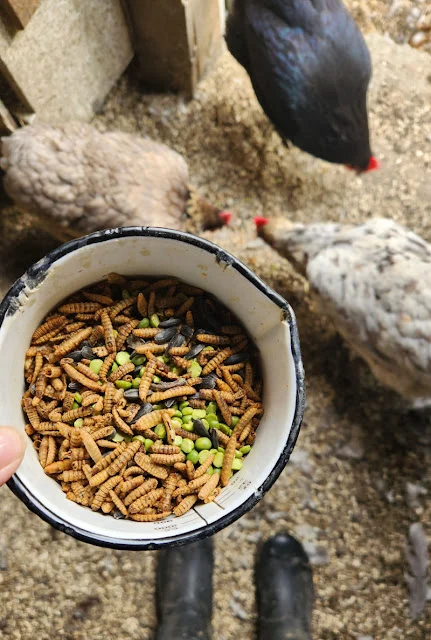
As the autumnal equinox approaches and daylight hours begin to wane, backyard poultry keepers across the country observe a distinct biological shift in their flocks. This seasonal transition, known as the annual molt, is a physiological phenomenon triggered by the reduction in photoperiod—the duration of daily light exposure. During this period, chickens undergo a comprehensive replacement of their plumage, a process that demands significant metabolic energy and nutritional resources. To maintain flock health, mitigate stress, and ensure the successful regrowth of feathers before the onset of winter, poultry nutritionists and experienced keepers emphasize a strategic transition from summer forage-based diets to protein-dense supplementation.

The Physiology of the Molt and Nutritional Demands
Feathers are composed primarily of keratin, a fibrous structural protein. In adult chickens, feathers constitute approximately 4% to 9% of their total body weight, yet they represent a significant portion of the bird’s total protein reserves. When a hen enters the molt, her body shifts its resources away from egg production to support the synthesis of new keratin.
Scientific research indicates that feathers are roughly 90% protein. For a hen to complete a full molt, she must mobilize amino acids—specifically cysteine and methionine—to facilitate rapid feather development. If the bird’s diet lacks sufficient protein during this window, the molting process may be delayed, resulting in patchy plumage, prolonged vulnerability to cold temperatures, and diminished overall immunity. Poultry specialists note that while a standard laying ration typically contains 16% to 18% crude protein, a molting bird often benefits from a temporary increase in dietary protein to support the high cost of tissue regeneration.

Chronology of the Seasonal Transition
The molting process generally follows a predictable timeline tied to the reproductive cycle. Most hens begin their molt after 12 to 18 months of laying, usually coinciding with the shortening days of late summer and early autumn. This serves as an evolutionary "reset" button. By ceasing egg production, the hen redirects nutrients toward feather regrowth and body condition maintenance.
- Early Phase (Late August/September): The bird begins to lose primary feathers, often starting at the neck and head. Egg production typically drops significantly or ceases entirely.
- Mid-Phase (October): Widespread feather loss occurs across the back and breast. This is the period of highest nutritional demand. The bird is physically vulnerable, as the loss of plumage reduces insulation.
- Late Phase (November/December): New "pin feathers" emerge. These are blood-fed, developing feathers encased in a sheath. Providing optimal nutrition during this stage is critical to ensure the integrity of the new coat before the first frost.
Strategic Nutritional Interventions
To bridge the nutritional gap during this cycle, flock managers are increasingly moving away from water-heavy summer treats—such as cucumbers, melons, and leafy greens—in favor of concentrated, high-protein supplements. While garden produce remains a staple of the backyard diet, its role shifts from a primary caloric source to a supplemental health booster.

1. Black Soldier Fly Larvae and Mealworms
Dried insects, particularly black soldier fly larvae, are highly regarded for their dense protein content, often exceeding 35% to 40%. These serve as a superior alternative to summer forage, which becomes scarce as temperatures drop. In a controlled study of poultry dietary habits, the inclusion of insect-based proteins was shown to accelerate the rate of feather synthesis compared to flocks relying solely on grain-based rations.
2. Poultry-Specific Egg Supplementation
A common misconception in amateur poultry keeping is that feeding eggs to chickens encourages the behavior of egg-eating. However, avian nutritionists clarify that when eggs are prepared—scrambled or hard-boiled—and served as a managed treat, they provide a highly bioavailable source of complete protein. An egg contains nearly all essential amino acids required for avian development. Providing these helps stabilize the hen’s protein levels without the digestive stress associated with sudden dietary changes.

3. Legumes and Oilseeds
Plant-based proteins, specifically peas and black oil sunflower seeds, are essential for maintaining the lipid balance necessary for winter survival. Peas offer a significant protein boost (25–30%), while black oil sunflower seeds provide the healthy fats required to maintain body weight during the cold. The high oil content in sunflower seeds also contributes to the production of skin oils that keep the new feathers supple and water-resistant.
4. Nuts as Caloric Density Boosters
Unsalted nuts, such as peanuts, walnuts, and almonds, are excellent sources of sustained energy. When fed in moderation, these fats help the birds maintain their metabolic rate, which is vital as they expend significant energy to grow new plumage while simultaneously coping with lower ambient temperatures.

Broader Impact on Flock Management
The management of the molt has direct implications for the long-term productivity and longevity of the flock. A bird that completes a healthy, swift molt is better equipped to handle the physiological stressors of winter, such as thermal regulation and potential exposure to respiratory ailments.
From an industry perspective, the "molt management" approach is gaining traction among sustainable agricultural advocates. By utilizing kitchen scraps like turkey carcasses, lobster shells, or garden pumpkins (which provide fiber and natural anti-parasitic properties), keepers can reduce waste while addressing the specific biological needs of their birds. Furthermore, incorporating garlic and pumpkin seeds into the fall diet is widely recognized for their potential to act as natural wormers, reducing the reliance on chemical interventions during the bird’s most vulnerable physical state.

Expert Analysis and Recommendations
Experts advise that the transition to a high-protein fall diet should be gradual to avoid gastrointestinal distress. Furthermore, it is essential that these treats remain supplemental; they should not exceed 10% of the bird’s total daily caloric intake to prevent an imbalance in the complete nutrition provided by their standard layer feed.
The integration of these dietary strategies requires a shift in the owner’s perception of the flock. Rather than viewing the molt as a temporary nuisance or a period of decreased productivity, it should be treated as a critical maintenance window. The investment in protein-rich supplements during the autumn months yields measurable results: healthier, more resilient birds that are prepared for the winter season and positioned for a robust return to laying in the following spring. As the days continue to shorten, the proactive approach to avian nutrition remains the most effective tool in the backyard keeper’s arsenal for sustaining a thriving, healthy flock through the winter months.
