
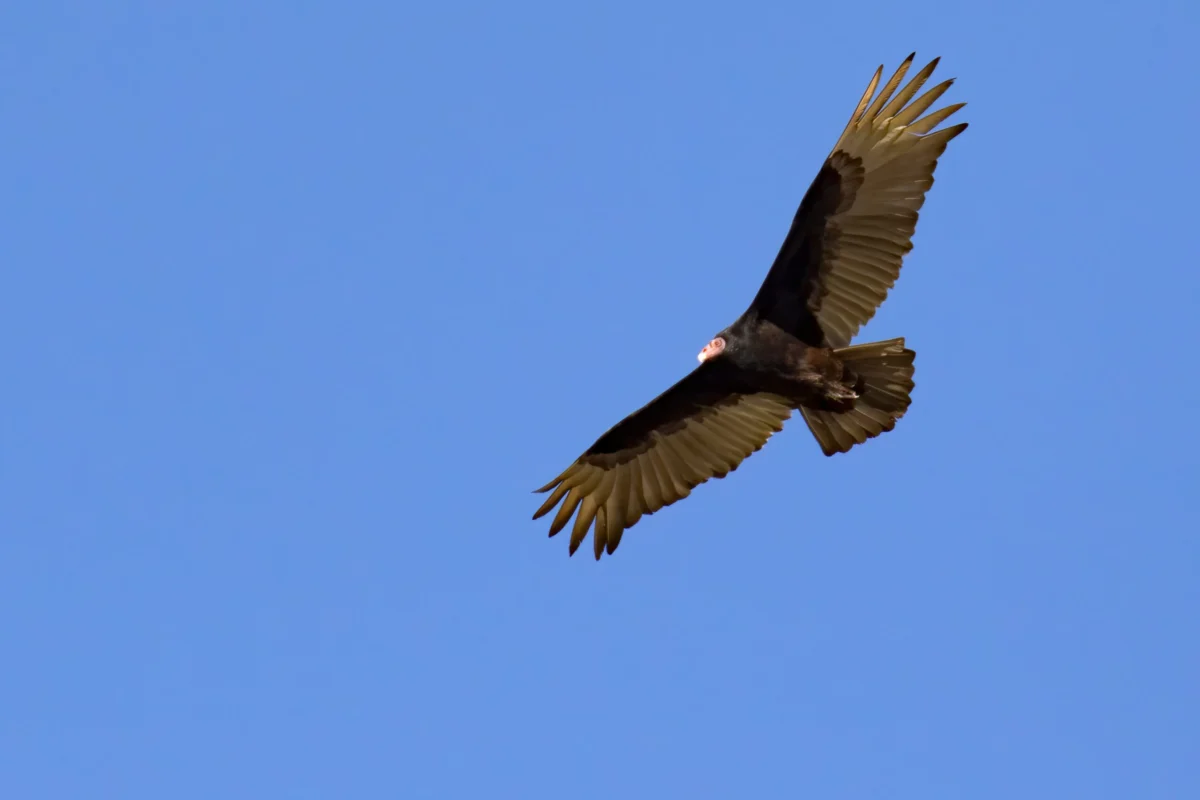
The Audubon Center for Birds of Prey has announced a unique haiku contest, inviting poets and nature enthusiasts aged 18 and over to craft verses celebrating Florida’s two native vulture species: the Turkey Vulture and the Black Vulture. This initiative aims to highlight the ecological significance of these often-misunderstood birds in the lead-up to International Vulture Awareness Day, observed annually on the first Saturday of September. Fifteen winning poems will be prominently featured along the Center’s popular storywalk, and each victorious poet will receive a complimentary year-long membership to the esteemed conservation facility. Submissions are now open and will be accepted until July 31, 2026, with judging and installation planned for August and September 2026, respectively.
The Call for Poetic Tributes: Celebrating Florida’s Vultures
The contest serves as a creative platform to engage the public with the vital role vultures play in maintaining healthy ecosystems. Participants are challenged to encapsulate the essence of Turkey Vultures and Black Vultures within the traditional 5-7-5 syllable structure of a haiku. This poetic form, originating from Japan, encourages concise observation and profound appreciation of nature, making it an ideal medium for reflecting on these magnificent raptors. The Center specifically emphasizes that entries must be original works, with a strict prohibition against the use of artificial intelligence in drafting or editing. This stipulation underscores the Center’s commitment to fostering genuine human creativity and direct connection with the natural world.
The winning haikus will be integrated into the Center for Birds of Prey’s acclaimed storywalk. A storywalk is an innovative educational tool that displays linked poems or book pages within outdoor cases, encouraging visitors to stroll leisurely through a narrative while immersed in the natural environment. This format transforms a simple walk into an engaging literary and educational experience, particularly beloved by both children and adults who frequent the Center. By showcasing the winning poems in this manner, the Center seeks to elevate public perception of vultures, transforming them from symbols of decay into celebrated components of Florida’s biodiversity. Each featured poem will include the poet’s name, as provided on the submission form, unless anonymity is specifically requested.
Understanding Vultures: Nature’s Essential Clean-Up Crew
Florida is home to two distinct species of vultures, both crucial to the state’s ecological balance: the Turkey Vulture ( Cathartes aura) and the Black Vulture (Coragyps atratus). These avian scavengers perform an indispensable service by consuming carrion, thereby preventing the spread of disease and recycling nutrients back into the environment. Despite their critical role, vultures often face negative stereotypes due to their diet and appearance. The Center’s haiku contest aims to challenge these misconceptions, fostering a deeper understanding and appreciation for these remarkable birds.
The Turkey Vulture, often recognizable by its wobbly flight and red, featherless head, boasts an exceptionally keen sense of smell, allowing it to detect carrion from great distances. Its scientific name, Cathartes aura, translates to "golden purifier," a fitting descriptor for its ecological function. These vultures are solitary foragers but may gather in large communal roosts. Their broad wings enable them to soar effortlessly on thermals for hours, conserving energy while scanning the landscape below. Turkey Vultures are widespread across the Americas, adapting to various habitats from forests to deserts. Their digestive systems are robust, capable of neutralizing harmful bacteria and viruses commonly found in decaying flesh, such as anthrax and botulism, acting as natural disinfectants.
In contrast, the Black Vulture, with its darker plumage, shorter tail, and gray, wrinkled head, relies more on its sharp eyesight and often follows Turkey Vultures to locate food. Black Vultures are more social than their turkey counterparts, frequently observed in larger groups at feeding sites. While primarily scavengers, they are also known to occasionally prey on vulnerable live animals, such as newborn livestock or turtles. Their range is generally more southerly than Turkey Vultures, often found closer to human settlements. Both species contribute significantly to public health by removing carcasses that could otherwise become breeding grounds for disease-carrying insects and pathogens. Without vultures, the decomposition process would be significantly slower and potentially more hazardous, leading to increased populations of pests like rats and flies, and a greater risk of disease transmission to both wildlife and humans. Globally, many vulture species face severe threats, with populations plummeting due to poisoning, habitat loss, and collision with power lines. Initiatives like this contest are vital to ensure that Florida’s vultures do not follow a similar trajectory by building public support for their conservation.
International Vulture Awareness Day: A Global Initiative
International Vulture Awareness Day (IVAD), celebrated on the first Saturday of September each year, is a global campaign dedicated to raising awareness about the critical conservation challenges facing vultures worldwide. The initiative originated as a collaborative effort between the Hawk Conservancy Trust in the United Kingdom and the Birds of Prey Programme in South Africa, expanding over the years to include zoos, conservation organizations, and wildlife centers across six continents. Its primary goal is to educate the public about the ecological importance of vultures, highlight the threats they face, and promote conservation actions necessary for their survival.
Activities on IVAD typically include educational talks, special exhibits, fundraising events, and public releases of rehabilitated vultures, all designed to foster a greater understanding and appreciation for these often-maligned birds. Given that 16 of the 23 species of vultures worldwide are either endangered or critically endangered, the global significance of IVAD cannot be overstated. By participating in this global celebration, the Center for Birds of Prey not only contributes to local awareness but also aligns itself with a broader international movement dedicated to protecting these essential scavengers. The timing of the haiku contest, culminating with the installation of winning poems in September 2026, directly coincides with and amplifies the message of IVAD.
The Art of Haiku: A Poetic Structure for Nature’s Observations
A haiku is a short, three-line poem that originated in Japan. Its traditional structure follows a syllable pattern of five, seven, and five for the first, second, and third lines, respectively. This form, while deceptively simple, demands precision, imagery, and a keen sense of observation. Historically, haiku masters like Bashō, Buson, and Issa used this poetic structure to capture fleeting moments of natural beauty, often incorporating a "kigo" or seasonal word that subtly grounds the poem in a particular time of year.
The inherent brevity of haiku encourages poets to distill complex observations into poignant, impactful images. For the purpose of this contest, it challenges participants to look beyond the superficial perceptions of vultures and discover their grace, their crucial role, and their unique characteristics within a concise poetic framework. By focusing on a specific moment or a single image related to Turkey or Black Vultures, poets can illuminate aspects often overlooked by the casual observer. This process of focused observation inherent in haiku writing fosters a deeper connection with the subject matter, transforming an abstract idea of conservation into a personal, creative endeavor. The accessibility of the haiku form also means that individuals from diverse backgrounds, regardless of extensive poetic training, can participate and express their appreciation for nature.
The Center for Birds of Prey: Decades of Dedication to Raptors
Established in 1979, the Audubon Center for Birds of Prey has been a cornerstone of raptor conservation and education in Florida for over four decades. Its mission encompasses the rehabilitation of injured, sick, and orphaned native raptors and providing comprehensive educational programming to the public. The Center’s dedication extends beyond direct care, aiming to inspire a new generation of conservationists and foster a broader understanding of the ecological roles of birds of prey.
At the heart of the Center’s operations is its state-of-the-art Raptor Trauma Clinic. Each year, the clinic treats more than 700 raptors, including eagles, hawks, owls, falcons, and vultures, suffering from a wide array of injuries. Common causes include collisions with vehicles and power lines, gunshot wounds, poisoning from pesticides or ingested lead, and habitat degradation. A dedicated team of veterinarians, veterinary technicians, and trained volunteers works tirelessly to provide medical care, surgery, and rehabilitation, with a significant proportion of these birds successfully released back into their natural habitats. The clinic’s work is not only crucial for individual bird welfare but also provides invaluable data on environmental health and human impact on wildlife.
Beyond rehabilitation, the Center houses over 30 ambassador birds. These non-releasable raptors, often victims of severe injuries that prevent their return to the wild, serve as powerful educational tools. Visitors to the Center can experience up-close encounters with these magnificent creatures, learning about their natural history, behaviors, and the challenges they face in the wild. These ambassador birds, including several species of vultures, play a critical role in dispelling myths and fostering empathy.
The Center’s educational outreach programs are extensive and diverse, reaching thousands of individuals annually. They include immersive summer camp programs for children, curriculum-aligned field trips for schools, and community outreach presentations that bring raptors directly to local audiences. Through these initiatives, the Center cultivates environmental stewardship, teaching participants about food webs, predator-prey relationships, and the broader interconnectedness of ecosystems. The storywalk, where the winning haikus will be displayed, is another key component of this educational strategy, offering an engaging and interactive way for visitors of all ages to learn about nature and conservation.
Contest Mechanics and Eligibility: A Path to Poetic Recognition
The submission window for the "Vulture Haiku Contest" is open now and will close on July 31, 2026. Aspiring poets can access the free submission form via the link provided on the Center’s website. Following the submission deadline, a panel of Audubon staff members, experienced in both natural history and literary appreciation, will meticulously review all entries throughout August 2026. The selection process will prioritize adherence to the traditional haiku structure (5-7-5 syllables), originality, creativity, and the poem’s thematic relevance to Florida’s Turkey and Black Vultures. The judges will seek poems that evoke a sense of wonder, respect, and accurate observation of these vital avian species.
The culmination of the contest will be in September 2026, when the fifteen chosen haikus will be professionally printed and installed along the Center for Birds of Prey’s storywalk. This installation is strategically timed to coincide with International Vulture Awareness Day on September 5, providing a fresh and engaging exhibit for visitors. Winners will not only receive the profound satisfaction of having their creative work publicly displayed in a prominent conservation setting but will also be awarded a complimentary year-long membership to the Center. This membership provides free admission, discounts on programs and merchandise, and exclusive invitations to special events, further deepening their connection to the Center’s mission.
To ensure fairness and promote genuine artistic expression, several key rules are in place. Poets must be over 18 years of age at the time of submission. Each individual is limited to one entry, encouraging participants to submit their most refined and impactful work. Crucially, the contest explicitly forbids the use of Artificial Intelligence (AI) in the drafting or editing of haikus. This rule reinforces the value of human observation, direct experience with nature, and personal artistic endeavor, ensuring that the winning poems are a true reflection of the poets’ own insight and creativity.
Broader Implications: Fostering Conservation Through Creativity
The Center for Birds of Prey’s haiku contest represents more than just a competition; it is a carefully designed initiative with significant broader implications for conservation and community engagement. By leveraging the power of art and poetry, the Center effectively transforms a scientific and ecological message into an accessible and emotionally resonant experience. This approach is critical in conservation, as factual information alone often struggles to inspire the necessary public action and support.
Firstly, such contests dramatically increase public engagement with conservation issues. Requiring participants to observe and reflect on vultures encourages them to learn more about these birds, moving beyond superficial knowledge to a deeper understanding of their ecological roles. This active learning process fosters a personal connection, which is a powerful motivator for environmental stewardship.
Secondly, the initiative plays a crucial role in changing negative perceptions. Vultures, due to their association with death and decay, are frequently misunderstood and even reviled. By inviting poets to find beauty and significance in these birds, the contest directly challenges these stereotypes. The resulting haikus, displayed along the storywalk, will serve as tangible evidence of a shift in perspective, encouraging other visitors to view vultures through a new, more appreciative lens. This re-framing is essential for garnering public support for conservation efforts.
Thirdly, the storywalk itself functions as an innovative educational outreach tool. Beyond the contest, the continuous display of these poems will provide ongoing education, sparking conversations and encouraging deeper thought about local wildlife. It demonstrates how art and science can intersect to create compelling learning experiences that resonate with diverse audiences, from young children just discovering nature to seasoned adults seeking new perspectives.
Finally, the contest fosters a sense of community. It connects poets, nature enthusiasts, and the Center for Birds of Prey, creating a shared platform for expression and advocacy. This community building can lead to increased volunteerism, donations, and sustained support for the Center’s vital rehabilitation and educational programs. In the long term, initiatives like this haiku contest contribute to a more environmentally conscious citizenry, inspiring future generations to protect Florida’s unique biodiversity. The Center encourages everyone, regardless of their poetic experience, to embrace this opportunity to celebrate Florida’s unsung ecological heroes and contribute to their ongoing conservation.
