
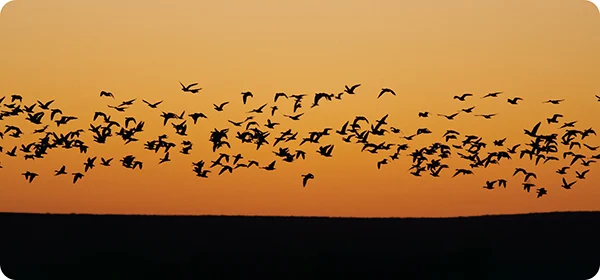
September marks a pivotal period of transition across the natural world, a time when the familiar rhythms of summer give way to the distinct characteristics of autumn. This shift is not merely a visual spectacle of changing foliage but a fundamental biological imperative for countless species, particularly for the avian populations that inhabit our backyards and wild spaces. As days shorten and temperatures cool, birds undergo profound physiological and behavioral changes in preparation for the demanding challenges of molting and migration. Understanding these processes provides a unique opportunity for human observers to contribute to the well-being of these creatures while simultaneously enriching their own connection with nature.
The Seasonal Shift and Avian Adaptations
The transition from summer to autumn is marked by a series of interconnected environmental cues. The cessation of long family vacations and the shift in recreational focus from baseball to football mirror the broader societal adjustment to a new season. In the natural world, this transition is even more pronounced. The vibrant hues of summer flowers begin to fade, replaced by the developing seeds and berries that will become crucial food sources. Trees, once cloaked in lush green, prepare for their brief but brilliant autumnal display of colors, a visual harbinger of the coming dormancy.
For birds, this period is equally transformative. Parental duties, a primary focus throughout the spring and summer breeding seasons, largely conclude. The shortening daylight hours trigger a primal instinct, instilling a restless energy that anticipates the long journeys to wintering grounds. This migratory urge is often accompanied by a significant physiological undertaking: molting. Many birds replace their worn, and often tattered, feathers with a fresh set of plumage. This new coat is not merely cosmetic; these strong, vibrant feathers are essential for efficient flight, crucial for the demanding energy expenditure of migration, and vital for maintaining thermal regulation and protection from the elements during colder months.
The Intensive Demands of Molting and Migration
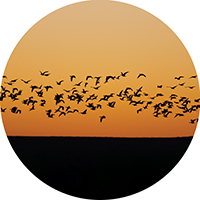
The biological processes birds undertake during this transitional period are extraordinarily demanding, highlighting why "changes can be tough" for these feathered inhabitants. Molting, the process of shedding old feathers and growing new ones, is an energetically expensive endeavor. For many species, this cycle can last anywhere from four to eight weeks. During this time, the demand for protein, the fundamental building block of feathers, skyrockets. Protein is not only required for feather growth but also for the metabolic processes that support this intensive renewal. Simultaneously, birds need an abundant supply of energy to fuel this entire biological overhaul.
Migration presents an equally formidable challenge. Many bird species must undergo a dramatic physical transformation in a remarkably short period. Imagine the necessity of doubling one’s body weight within a matter of weeks. Incredibly, this is precisely what many migratory birds achieve by engaging in a period of intense feeding, known as hyperphagia. They gorge themselves on available food sources to accumulate significant reserves of body fat. This stored fat serves as the primary fuel source for the arduous and often lengthy flights required for migration. The drive to acquire the necessary fat reserves to sustain hours of continuous flight becomes an all-consuming priority.
Nutritional Imperatives for Survival
The success of both molting and migration hinges critically on obtaining the correct nutrition. There is little room for error; failure to secure adequate resources can have fatal consequences. Consequently, the primary objective for birds at this time of year is to devour foods that are exceptionally high in fats and proteins. These macronutrients provide the essential components for feather regeneration and the dense energy reserves needed for sustained flight. This dietary focus dictates their foraging behavior and their attraction to specific food sources.
An Opportunity for Backyard Conservation
This annual cycle presents a direct opportunity for individuals to positively impact the lives of local and migratory bird populations. By providing readily accessible, high-nutrient food sources in backyard feeders, observers can directly address the critical nutritional needs of birds undergoing molting and preparing for migration. This act of conservation not only benefits the birds but also offers a deeply rewarding experience for the observer.

Offering a diverse range of high-fat and high-protein foods is paramount. This can include specialized blends formulated to meet these specific dietary demands. For instance, Wild Birds Unlimited (WBU) offers "WBU Plus Blends," which are designed with these nutritional requirements in mind. These blends often incorporate a variety of seeds and nuts known for their high fat and protein content.
Peanuts, both in shell and shelled, are an excellent source of protein and fat, highly favored by many bird species, including jays, woodpeckers, and chickadees. Nyjer® (also known as thistle seed), while not as high in fat, is a calorie-dense seed that attracts smaller finches, providing them with essential energy. Sunflower chips, particularly black oil sunflower seeds, are a universally popular and energy-rich food, providing both protein and fat.
Suet, a rendered animal fat, is an exceptionally high-energy food source, particularly beneficial during colder months and for birds engaged in strenuous activity like molting and migration. It is a favorite of woodpeckers, nuthatches, chickadees, and other insectivorous birds that may struggle to find their usual insect prey as temperatures drop.
Bark Butter® products, a unique blend of suet, peanut butter, and cornmeal developed by Wild Birds Unlimited, are also highly effective. These spreadable treats adhere well to tree trunks and feeders, providing a concentrated source of fat and protein that attracts a wide array of birds, including many that may not typically visit seed feeders.
Enhancing Backyard Biodiversity and Observation
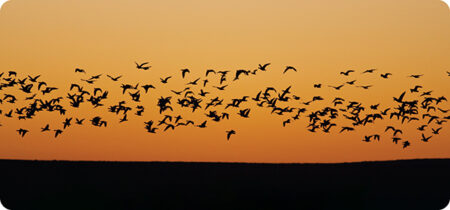
By strategically offering these nutrient-dense foods, individuals can transform their backyards into vital refueling stations for birds. This not only aids their survival through critical life stages but also significantly increases the likelihood of attracting a wider variety of avian visitors. Observing the diverse cast of characters that frequent these feeders, each with their unique foraging behaviors and adaptations, offers a profound connection to the natural world.
The presence of birds actively feeding on these offerings provides a tangible demonstration of their nutritional needs and their reliance on available resources. It allows observers to witness firsthand the intensity of their preparations for migration and the remarkable resilience of these small creatures. The repeated visits from satisfied birds serve as a direct acknowledgment of the observer’s contribution to their well-being.
Further Resources for Deeper Understanding
For those seeking a more in-depth understanding of these seasonal transitions and how to best support avian populations, additional resources are available. The WBU Nature Centered Podcast offers a wealth of information on backyard bird feeding and nature observation. Specifically, the episode titled "Basics of Transition" provides entertaining and informative insights from experts John and Brian. This episode delves into the practical aspects of attracting a diverse range of birds to one’s backyard during the fall, offering actionable advice for enhancing the bird-feeding experience.
About Wild Birds Unlimited
Wild Birds Unlimited (WBU) stands as the original and largest franchise system dedicated to backyard bird feeding and nature specialty stores. With over 350 locations across the United States and Canada, WBU is committed to fostering connections between people and nature. Their mission is realized through offering a comprehensive selection of bird feeding and nature-related products, expert advice from knowledgeable staff, and engaging educational events. WBU’s dedication to conservation and education is further exemplified through their "Nature Centered" podcast, which explores topics related to bird feeding and enjoying nature in one’s own backyard. Their online presence at www.wbu.com provides a platform for browsing products and accessing valuable information. For individuals interested in establishing their own WBU franchise, detailed information is available at www.wbufranchise.com.
