
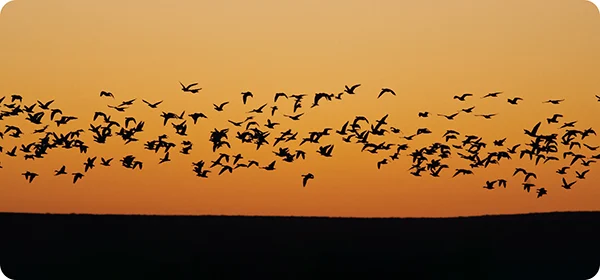
September marks a pivotal period of transition across the natural world, a time when the familiar rhythms of summer give way to the cooler embrace of autumn. This seasonal shift impacts not only the landscape and human activities but also the intricate lives of birds, presenting them with significant biological challenges that necessitate heightened nutritional support. As family vacations conclude and academic calendars resume, the subtle yet profound transformations occurring outdoors serve as a reminder of nature’s enduring cycles and the critical role of well-timed resources.
The visual cues of this transition are undeniable. The vibrant greens of late summer foliage begin their annual metamorphosis into a spectacular, albeit fleeting, display of reds, oranges, and yellows. Wildflowers, having completed their blooming cycle, are now producing seeds and berries, vital food sources for the avian population. Simultaneously, the days shorten, a biological trigger for birds that signals the impending need for preparation for the demanding journey of migration or the rigors of winter. This period is characterized by a dual physiological imperative: the renewal of plumage through molting and the accumulation of energy reserves for long-distance flight.
The Demands of Molting and Migration
Molting, the process by which birds replace their old, worn feathers with new ones, is an energetically expensive undertaking. Feathers are primarily composed of protein, and the growth of an entirely new set of plumage requires a significant increase in dietary protein intake. This process typically spans several weeks, often between four and eight weeks, during which the bird’s metabolic rate is elevated. The new feathers are crucial for survival, providing essential insulation against the dropping temperatures and ensuring aerodynamic efficiency for flight, whether for foraging, escaping predators, or undertaking migration.
Migration, for many bird species, is an even more extreme physiological challenge. The innate drive to seek out more favorable wintering grounds compels these birds to undergo remarkable physical transformations. A key adaptation is the rapid accumulation of body fat, which serves as the primary fuel source for sustained flight. Many migratory birds will effectively double their body weight in the weeks leading up to their departure, a feat achieved through intense and constant foraging. This stored energy is critical for covering vast distances, often thousands of miles, with minimal opportunities for refueling. The success of migration hinges on having sufficient energy reserves to navigate these long journeys, making nutritional intake paramount.
The Nutritional Imperative
For birds undergoing molting and preparing for migration, obtaining the correct balance of nutrients is not merely advantageous; it is a matter of survival. A deficiency in essential proteins can hinder feather regrowth, leaving birds vulnerable to the elements and reducing their flight capabilities. Insufficient fat reserves can lead to exhaustion during migration, increasing mortality rates. Therefore, birds exhibit a heightened drive to consume foods that are rich in both fats and proteins during this critical period. This natural prioritization of nutrient-dense foods underscores the importance of accessible and appropriate food sources in their environment.
An Opportunity for Backyard Bird Enthusiasts
This natural imperative presents a unique opportunity for individuals who maintain backyard bird feeders. By providing food sources that align with the birds’ heightened nutritional needs, backyard enthusiasts can play a direct and significant role in supporting local and migratory bird populations through these challenging transitions. Offering high-fat and high-protein foods at feeders can significantly benefit birds, aiding them in their molting processes and providing the essential energy reserves needed for migration. This act of providing sustenance not only assists the birds but also offers observers a chance to witness nature’s cycles up close, fostering a deeper connection with the natural world.
Recommended Food Offerings
To effectively support birds during this transitional period, several types of food are particularly beneficial. Wild Birds Unlimited (WBU) recommends specific blends and individual food items that are rich in the nutrients birds require. WBU Plus Blends are formulated to offer a comprehensive nutritional profile, often incorporating a variety of seeds, nuts, and other energy-dense ingredients. Peanuts, whether shelled or in the shell, are an excellent source of protein and fat. Nyjer® (often mistakenly called thistle), while primarily a source of protein, is also a popular and beneficial seed for many smaller bird species, especially finches. Sunflower chips, with their high fat content, are a universally favored food for a wide array of backyard birds.
Suet, a rendered animal fat, is an exceptionally high-energy food that is particularly valuable during colder months and periods of increased energy expenditure like molting and migration. It provides concentrated calories and essential fatty acids. Bark Butter® products, a unique blend developed by Wild Birds Unlimited, are a highly palatable and nutrient-rich option, often containing suet, peanut butter, and cornmeal, making them attractive to a broad spectrum of birds, including woodpeckers, chickadees, and nuthatches.
The consistent availability of these high-quality food sources can lead to increased visitation rates at feeders, allowing individuals to observe a greater diversity of bird species. This engagement can transform a backyard into a dynamic ecological observation point, offering unparalleled opportunities to witness the unfolding seasonal changes.

Expert Insights and Further Learning
For those seeking more in-depth knowledge about bird behavior during seasonal transitions, the Wild Birds Unlimited Nature Centered Podcast offers valuable insights. Episode 77, titled "Basics of Transition," features experts John and Brian discussing how to enhance backyard bird habitats to attract a wider variety of species, particularly during the fall migration and molting periods. This resource provides practical advice and entertaining anecdotes, further illuminating the science behind bird nutrition and behavior.
Background Context: The Importance of Backyard Habitats
The role of backyard habitats in supporting avian populations has gained increasing recognition from ornithologists and conservationists. As natural landscapes face pressure from development and habitat fragmentation, thoughtfully managed backyards can serve as crucial refuges and vital feeding stations for birds. The seasonal transitions discussed in the article highlight periods of particular vulnerability for birds, making the provision of supplemental food sources particularly impactful.
Data from bird surveys, such as those conducted by the Cornell Lab of Ornithology and the Audubon Society, consistently demonstrate the importance of feeders in maintaining bird populations, especially during harsh weather and critical migratory periods. Studies have shown that feeders can influence migration timing, survival rates, and breeding success for various species. For instance, research on finch populations has indicated that the availability of high-quality seed at feeders can lead to increased overwinter survival rates, allowing more individuals to participate in the subsequent breeding season.
The concept of providing supplemental food for birds is not new, dating back to indigenous practices and early European settlers. However, modern backyard bird feeding has evolved into a sophisticated practice informed by scientific understanding of avian nutrition and ecology. Wild Birds Unlimited, as a pioneer in this field, has been instrumental in educating the public about best practices, including the importance of offering a diverse diet and maintaining feeder hygiene to prevent disease transmission.
Chronology of Seasonal Transitions for Birds
The typical avian transition period in many temperate regions can be outlined as follows:
- Late Summer (August): Parental care duties diminish for many species. Birds begin to assess their physiological readiness for molt and migration. Some early migrants may begin their journeys.
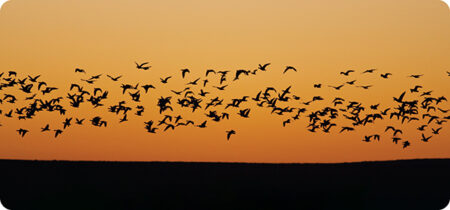
- Early Autumn (September): This is the peak molting period for many resident and migratory birds. Significant increases in protein and fat consumption are observed. The shortening days trigger hormonal changes associated with migration. Many birds begin to congregate in flocks.
- Mid-Autumn (October): Migration is in full swing for many species, with birds undertaking long-distance flights. Birds that have completed their molt focus on accumulating and maintaining fat reserves. Food availability becomes increasingly critical as natural food sources begin to dwindle.
- Late Autumn (November): Late-season migrants continue their journeys. Resident birds that do not migrate focus on enduring the onset of winter, relying on cached food and high-energy foods.
This chronological progression underscores the continuous need for birds to adapt and find resources throughout the autumn months.
Analysis of Implications
The implications of providing appropriate food resources during these transitional periods are multifaceted. For individual birds, adequate nutrition directly impacts their ability to survive molting and complete migration, thereby contributing to the overall health and resilience of bird populations. For the broader ecosystem, healthy bird populations play vital roles in seed dispersal, pollination, and insect control.
From a human perspective, engaging with backyard bird feeding fosters a deeper appreciation for nature and promotes environmental stewardship. It offers a tangible way for individuals to contribute to conservation efforts, even in urban or suburban settings. The economic impact of the bird feeding industry is also significant, supporting local businesses and creating jobs.
The information provided by organizations like Wild Birds Unlimited, which emphasizes science-based practices and the importance of species-specific nutritional needs, is crucial in guiding consumer choices and maximizing the positive impact of backyard feeding. The continued education of the public on these matters is essential for ensuring the long-term well-being of both birds and the environments they inhabit.
The commitment to providing high-quality, nutrient-rich foods during September and the subsequent autumn months is a testament to the interconnectedness of human actions and the natural world. By understanding and responding to the biological imperatives of birds, backyard enthusiasts can contribute meaningfully to their survival and thrive as observers of the remarkable transformations that define the changing seasons.
