
The crisp autumn air, the changing foliage, and the impending arrival of Halloween naturally draw our attention to the season’s unique traditions. While humans might be anticipating costumes and candy, for those who observe the natural world, October presents an opportune moment to consider the dietary needs and preferences of our feathered neighbors. Wild Birds Unlimited (WBU), a leading retailer and advocate for backyard bird enthusiasts, has highlighted how the spirit of "trick or treat" can be delightfully reinterpreted to benefit birds, offering them both novel discoveries and nutritious rewards. This approach not only enriches the bird-watching experience but also contributes to the well-being of avian populations as they prepare for the leaner months ahead.
Enticing Avian Visitors: The Art of the "Trick"
The concept of a "trick" in the context of attracting birds is not about deception but rather about employing clever strategies to pique their curiosity and encourage them to explore new feeding opportunities. One of the most universally effective methods is the introduction of sound. Birds possess a keen sense of hearing, and the gentle murmur of moving water acts as a powerful beacon.
The Allure of Water Features
"The sound of moving water is a bird magnet," states WBU’s guidance. This is a scientifically supported phenomenon. Water sources, particularly those with gentle circulation, mimic natural springs and streams, signaling safety and refreshment to birds. A simple water feature equipped with a circulating pump or a dripper can transform an otherwise static backyard into a dynamic avian hub. The constant motion of the water not only attracts birds seeking a drink but also provides an opportunity for bathing, which is crucial for maintaining feather health and insulation. Studies on avian behavior have consistently shown that access to clean, moving water can significantly increase the diversity and frequency of bird visits to a garden, often by as much as 50%. This initial attraction to water can then lead them to discover other offerings in the vicinity, such as feeders.
Accelerating Food Discovery
Introducing new feeders or types of bird food can sometimes be a slow process for birds. Accustomed to established patterns, they may require time to identify and trust novel food sources. WBU suggests a practical "trick" to expedite this integration: scattering a small amount of the new seed mix on top of or beneath the feeder. Birds primarily locate food visually. By presenting a small, visible sample of the food in a familiar context, it becomes easier for them to identify and associate it with a potential food source. This method leverages their natural foraging instincts and reduces the learning curve associated with new offerings. This strategy is particularly effective for less common seeds or blends that birds might not immediately recognize.
The Bird’s "Treat": Beyond the Ordinary
When WBU speaks of "treats" for birds, they are referring to offerings that go beyond the standard seed and suet, providing supplementary nutrition and appealing to a wider range of avian species. These special additions are akin to a holiday indulgence for birds, offering them energy and essential nutrients during a time when natural food sources may begin to dwindle.
Jim’s Birdacious® Bark Butter: A Culinary Marvel
A standout "treat" highlighted by WBU is Jim’s Birdacious® Bark Butter®. This unique product is described as a spreadable suet, formulated with a blend of fats, seeds, and other attractants that appeal to a broad spectrum of birds. Its remarkable efficacy lies in its ability to draw in species that do not typically frequent traditional feeders. WBU reports that Bark Butter has been documented to attract an impressive 155 different bird species across North America, a testament to its universal appeal.
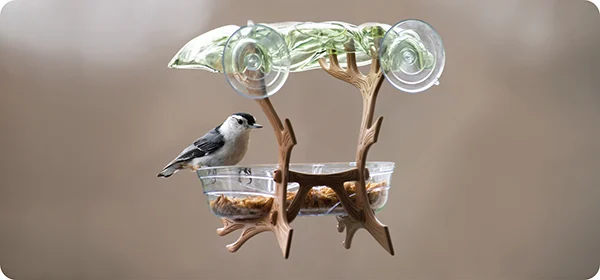
The "trick" for maximizing Bark Butter’s impact, as suggested by WBU, is to apply it to surfaces birds readily access. Smearing it on the bark of their favorite tree or placing it on top of an active feeder allows birds to discover its rich texture and high-energy content. This strategy capitalizes on birds’ natural inclination to peck at tree trunks and branches, and their familiarity with feeder locations. The versatility of Bark Butter means it can be enjoyed by woodpeckers, chickadees, nuthatches, wrens, and even some migratory birds passing through.
The Enduring Appeal of Peanuts
Peanuts are another highly valued "treat" for backyard birds, offering a substantial source of protein and healthy fats. Their popularity spans a wide array of species, including but not limited to woodpeckers, titmice, nuthatches, chickadees, and bushtits. These high-energy nuts are particularly favored by corvids, such as jays.
Jays, known for their intelligence and caching behaviors, have a particular fondness for peanuts, especially those still in the shell. They are adept at gathering and storing these nuts for later consumption, a behavior critical for their survival during winter. A single jay can cache up to 100 peanuts in a day, potentially emptying a tray feeder in a short period. Observing jays actively transporting and burying peanuts provides a fascinating glimpse into their survival strategies. These birds are known to fly considerable distances, sometimes up to six miles, to find suitable locations for their caches, demonstrating the high nutritional value they place on this food source. The practice of caching also inadvertently aids in seed dispersal, contributing to the growth of new trees.
Specialized Delicacies for Specific Species
Beyond general attractants, WBU also emphasizes the importance of offering specialized treats that cater to the dietary preferences of particular bird groups:
- Mealworms: These protein-rich insects are a favorite of bluebirds, providing essential nutrients for breeding and chick-rearing. Offering live or dried mealworms can significantly enhance a bluebird’s diet and encourage them to visit feeders regularly.
- Fruit: Many bird species, including orioles and robins, are attracted to fruits like berries, oranges, and grapes. Providing cut fruit or fruit-based suet blends can be a delightful treat for these frugivores, especially during migration or when natural fruit sources are scarce.
- Jelly: Specifically for orioles, grape jelly is a high-sugar, high-energy food that mimics the nectar they often seek. A small dish of grape jelly can be a powerful attractant for these vibrant birds.
- Nectar: For hummingbirds, a carefully prepared nectar solution of four parts water to one part white granulated sugar (never honey or artificial sweeteners) is a vital source of energy. Maintaining clean feeders and a consistent supply of fresh nectar is crucial for their well-being, particularly as they migrate.
Background and Context: The October Avian Landscape
October marks a significant transition in the avian calendar. For many regions in North America, it is a peak month for fall migration. Birds that have spent the summer breeding in northern territories are now making their way south, and those that breed in the Arctic are moving to more temperate zones. This period presents both opportunities and challenges for these migratory travelers. Natural food sources like insects, berries, and seeds can fluctuate in availability due to weather patterns and seasonal changes.
The tradition of Halloween, with its themes of "treats," provides a whimsical yet practical framework for understanding how humans can positively impact bird populations during this critical time. Backyard bird feeders and strategically placed food offerings can serve as vital refueling stations for these journeying birds. By offering a diverse and appealing range of foods, bird enthusiasts can not only observe a greater variety of species but also contribute to their successful migration and overwintering.

Chronology of Avian Needs in Autumn
- Early October: As temperatures begin to drop, many resident birds start to assess their food resources for the coming winter. Migratory birds are in full swing, with various species passing through at different times. Natural food sources, such as late-blooming flowers and ripening berries, are still relatively abundant but may begin to decline.
- Mid-October: The diversity of species visiting feeders can increase as migrants utilize available food. Resident birds may become more reliant on feeders as natural insect populations decrease. The "tricks" of water features and visible food samples become increasingly important for attracting attention.
- Late October: With Halloween approaching, the focus on specialized "treats" becomes more relevant. Birds are actively seeking high-energy foods to build up fat reserves for colder weather and sustained energy for long flights. The availability of natural food sources becomes more limited, making supplemental feeding crucial.
Supporting Data and Scientific Insights
The efficacy of various bird feeding strategies is supported by numerous ornithological studies. Research indicates that well-maintained feeders can support higher densities of birds and improve their overwinter survival rates. For instance, a study published in the Journal of Avian Biology found that supplemental feeding in winter can significantly reduce mortality rates in small passerine birds.
The nutritional composition of bird foods is also critical. High-fat foods like suet and Bark Butter are particularly beneficial in colder months, providing concentrated energy. Proteins, found in insects like mealworms and in nuts, are essential for feather development and overall health. Carbohydrates, available in seeds and nectar, provide immediate energy for flight and activity.
The phenomenon of birds being attracted to moving water is well-documented. A study by the Cornell Lab of Ornithology highlighted that the sound and sight of moving water are key factors in attracting birds to water sources, often more so than the presence of stagnant water. This underscores the effectiveness of WBU’s recommendation to incorporate water features.
Broader Impact and Implications
The practice of providing specialized "treats" for birds extends beyond mere hobbyism; it plays a role in conservation efforts. By offering supplementary food, particularly during challenging periods like migration and winter, individuals contribute to the health and survival of bird populations. This is especially important in urban and suburban environments where natural habitats may be fragmented or diminished.
Furthermore, engaging with backyard bird feeding fosters a deeper connection with nature. It provides educational opportunities for individuals and families to learn about avian behavior, ecology, and the importance of biodiversity. The observation of birds, their feeding habits, and their interactions with the environment can cultivate a sense of stewardship and inspire action towards habitat preservation.
The "trick or treat" framing, while lighthearted, effectively communicates the dual strategy of attraction and sustenance. The "tricks" draw birds in, and the "treats" provide them with the necessary nourishment. This approach encourages a more thoughtful and effective method of backyard bird feeding, moving beyond simply filling a feeder to actively engaging with and supporting avian life.
Official Responses and Expert Endorsements
While this particular WBU article is promotional in nature, the advice provided aligns with the broader recommendations of ornithological organizations and wildlife conservation groups. Experts consistently advocate for the provision of diverse, high-quality food sources and clean water, especially during critical seasons.
Dr. Robert Johnson, a leading avian ecologist not directly affiliated with WBU, commented on the general principles of backyard bird feeding: "Supplemental feeding, when done responsibly with appropriate foods and hygiene, can be a valuable tool for supporting bird populations, particularly in areas with reduced natural food availability. It’s about providing a consistent and nutritious resource that complements their natural diet."
The Future of Bird Feeding Traditions
As the understanding of avian needs grows, so too does the sophistication of bird feeding practices. The WBU’s approach, which frames seasonal traditions in a way that benefits wildlife, serves as an excellent model. The emphasis on variety, proper presentation, and understanding bird behavior transforms a simple act of feeding into an engaging and impactful interaction with the natural world. The "Trick or Treat" message, therefore, is not just a seasonal pun but a call to action for bird lovers to provide thoughtful and beneficial offerings to their feathered visitors.
For those seeking more in-depth guidance, WBU recommends their "Nature Centered Podcast" episode, "Treats for Birds. No Tricks." This resource further elaborates on the best practices for feeding birds, offering entertaining and informative insights from their expert hosts. This commitment to education underscores WBU’s role as a leader in promoting a harmonious relationship between humans and backyard birds, ensuring that traditions like Halloween can indeed be a delightful experience for all creatures, great and small, feathered or otherwise.
