

The intersection of international volunteerism and wildlife conservation continues to serve as a critical pillar for non-governmental organizations (NGOs) in Central America. In recent years, facilities like the Toucan Rescue Ranch (TRR) in Costa Rica have refined a dual-track model that integrates hands-on animal husbandry with professionalized administrative support, such as marketing and communications. This approach was recently highlighted by the experience of Kim Schafroth, a communications student from Switzerland, who completed a comprehensive two-month residency at the facility. Her tenure, which spanned both the Animal Care and Marketing departments, underscores the evolving nature of wildlife rehabilitation centers as both scientific institutions and educational hubs that rely on a global network of dedicated personnel to maintain operations.
Founded in 2004, the Toucan Rescue Ranch has grown from a specialized bird rescue into a multi-species rehabilitation center that addresses the complex needs of Costa Rica’s displaced wildlife. The facility operates on a rigorous "Rescue, Rehabilitation, and Release" (RRR) protocol, a standard necessitated by the increasing pressures of habitat fragmentation and illegal wildlife trafficking in the region. For volunteers like Schafroth, the experience offers a deep dive into the logistical and biological realities of running a high-capacity sanctuary, where the day-to-day operations are governed by a strict schedule designed to mimic natural cycles and ensure the highest standards of veterinary care.
Operational Chronology: The Daily Cycle of Wildlife Care
The operational day at the Toucan Rescue Ranch begins at 7:00 AM with a mandatory briefing. This meeting serves as the primary coordination point for the staff, interns, and volunteers, allowing for the dissemination of critical information regarding animal health updates from the previous night and the assignment of specific logistical goals for the day. This structured communication is essential for managing a diverse population of avian and mammalian residents, ranging from toucans and parrots to otters and nocturnal primates.
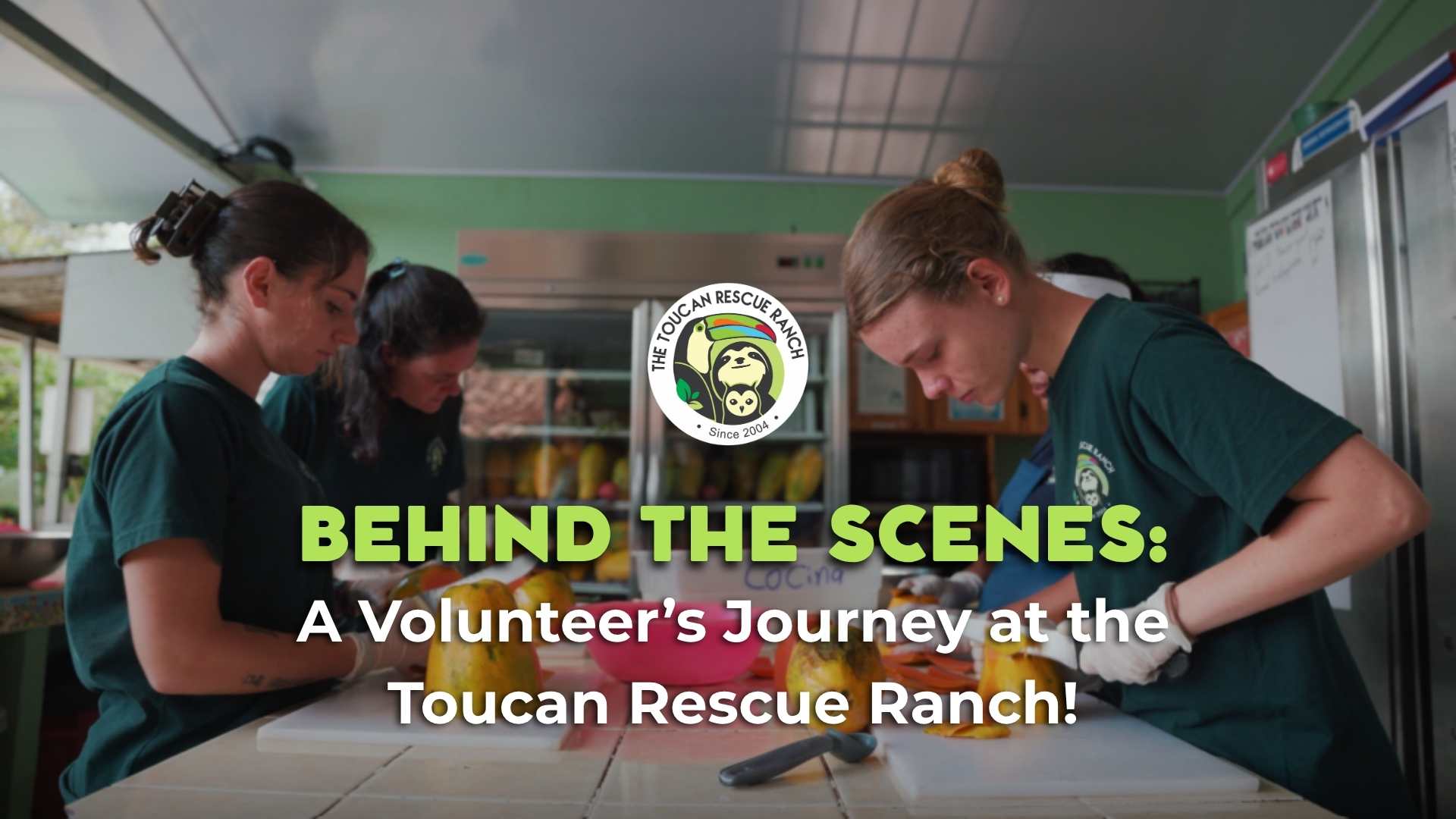
Following the morning briefing, the workforce is strategically divided into specialized teams. One cohort is assigned to the kitchen, a high-activity zone where precision in dietary preparation is paramount. The nutritional requirements of the residents are varied and complex; birds require specific fruit ratios, while mammals such as monkeys and grisons (Galictis vittata) are provided with "colorful plates" featuring a wide array of vegetables and proteins to ensure nutrient density. Simultaneously, the sanctuary team manages the physical environment, cleaning enclosures and refreshing water trays—a task that is critical for preventing the spread of pathogens in a tropical climate.
The feeding process is a collaborative effort. Once fruit and specialized diets are prepared, teams distribute the meals throughout the sanctuary. This period is followed by a mid-morning break where the human team partakes in a traditional Costa Rican breakfast, often serving as a moment of cultural exchange and social cohesion. The integration of local staff and international volunteers is a hallmark of the TRR experience, fostering a professional environment that is nonetheless rooted in local traditions.
Enrichment and Specialized Husbandry Techniques
As the day progresses, the focus shifts from basic maintenance to specialized care and behavioral enrichment. One notable case study within the facility is Emma, a resident North American river otter. Her care routine involves multiple daily feedings, during which staff observe her natural behaviors, such as using her pool to wash and consume trout. These observations are vital for the veterinary team to monitor the physical health and psychological well-being of the animals.
Behavioral enrichment is perhaps the most creative aspect of the Animal Care Team’s responsibilities. To prevent the psychological decline often associated with captivity, volunteers construct "fruit trees" for avian species and "tamales" wrapped in banana leaves for mammals. These devices force the animals to forage and solve problems to access their food, stimulating natural cognitive functions. On days of high heat, "frozen fruit juice" treats are provided, serving the dual purpose of hydration and temperature regulation.
The afternoon schedule includes "top-ups," a second feeding session primarily for parrots (seeds) and toucans (papaya). This period is often characterized by high vocal activity among the birds, which serves as a biological indicator of engagement with the environment. For the human staff, lunch typically consists of a casado—a balanced meal of rice, beans, protein, and plantains—which provides the necessary caloric intake for the physically demanding labor of the sanctuary.
Managing Nocturnal and Specialized Species
The final segment of the working day at the Toucan Rescue Ranch addresses the needs of nocturnal mammals and raptors. As the sun begins to set, the activity levels of species such as kinkajous, porcupines, and pacas increase. These animals receive their primary meals in the late afternoon, allowing staff to conduct health checks as they emerge from their sleeping quarters. This window of visibility is crucial for monitoring the mobility and alertness of species that are otherwise hidden during peak operating hours.
The day concludes with the feeding of raptors and a final round of enclosure sanitation. Trays are returned to the kitchen for sterilization, and the facility transitions into its night-time protocol. For the volunteers, the late afternoon and evening provide an opportunity for reflection and community engagement. Many residents use this time to explore the surrounding green corridors of San Isidro or travel into the capital, San José, for cultural activities. This balance of intensive labor and personal development is a key driver in the high retention and satisfaction rates reported by international volunteers.
The Volunteer Infrastructure: Headquarters and Housing
A critical component of the Toucan Rescue Ranch’s success is its logistical infrastructure. The volunteer house, located approximately two minutes from the main headquarters, serves as a residential hub for the international cohort. The facility is designed to accommodate various levels of residency, featuring dormitories with bunk beds for short-term volunteers and private rooms for long-term interns.
The house functions as more than just a dormitory; it is a space for the "hidden curriculum" of the volunteer experience. Here, individuals from diverse geographical backgrounds—such as Switzerland, the United States, and various European nations—exchange knowledge and perspectives on conservation. The communal kitchen and living areas facilitate discussions that often lead to improvements in sanctuary protocols or new ideas for marketing campaigns. This environment of mutual support is essential for volunteers who may be experiencing their first professional contact with wildlife or their first extended period away from their home countries.
Integration of Communications and Marketing in Conservation
While the physical care of animals is the most visible aspect of TRR’s work, the "Marketing Team" plays an equally vital role in the organization’s survival. During the second month of her tenure, Kim Schafroth transitioned into a communications role, applying her academic background to the sanctuary’s outreach efforts. This transition highlights a growing trend in the NGO sector: the need for skilled communicators to translate scientific work into public engagement and fundraising.
The marketing department is responsible for storytelling—capturing the individual narratives of the animals and the success stories of the RRR program. By documenting the rehabilitation process through photography, social media, and educational blogs, the team builds a global audience of donors and supporters. This digital presence is the lifeblood of the ranch, providing the financial resources necessary for expensive veterinary procedures, specialized diets, and the maintenance of the physical facility.
Furthermore, the marketing team helps manage the "educational lectures" led by the veterinary staff. These sessions provide volunteers with a theoretical framework for the work they perform in the field, covering topics such as avian anatomy, the ethics of wildlife release, and the legalities of conservation in Costa Rica. By bridging the gap between field work and academic study, the ranch ensures that its volunteers return home not just with memories, but with a sophisticated understanding of global environmental issues.
Broader Implications for Global Wildlife Conservation
The experience of international volunteers at the Toucan Rescue Ranch reflects a broader shift in how global conservation is funded and executed. In many biodiversity hotspots, the lack of state funding for wildlife rescue means that NGOs must rely on "voluntourism" and international donations. While the term "voluntourism" can sometimes carry negative connotations of amateurism, TRR’s model demonstrates that with professional oversight and rigorous training, volunteers can provide essential labor that allows the organization to scale its impact.
The lessons learned by participants—patience, teamwork, and a profound respect for the boundaries of wild animals—have long-term implications. These individuals often become ambassadors for conservation in their home countries, advocating for policies that protect migratory species and combat the illegal wildlife trade. The realization that rescued animals are "wild" and must be treated with professional distance rather than as pets is a critical takeaway that informs the ethical standards of the next generation of conservationists.
Conclusion: The Path Toward Sustainable Rehabilitation
As Costa Rica continues to navigate the challenges of climate change and urban expansion, facilities like the Toucan Rescue Ranch will remain indispensable. The success of the ranch is built on a foundation of structured daily routines, scientific rigor, and a passionate, international workforce. For students like Kim Schafroth, the two-month residency provides a unique professional bridge, allowing for the application of communications theory in a high-stakes, real-world environment.
The final reflection of the volunteer experience is often one of transformation. The transition from a novice working with animals for the first time to a skilled assistant capable of recognizing individual animal personalities and needs is a testament to the efficacy of the TRR training program. As the ranch continues to release rehabilitated animals back into the wild, it also releases a steady stream of educated, globally-minded advocates into the world, ensuring that the mission of wildlife protection extends far beyond the borders of the sanctuary.
