
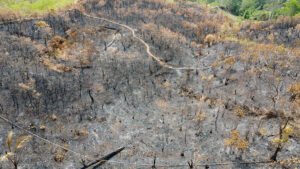
The Maluku archipelago in eastern Indonesia, a region celebrated for its extraordinary biodiversity and unique endemic wildlife, is currently facing a catastrophic environmental crisis. As of October 2026, widespread forest and land fires have decimated thousands of hectares of critical habitat, pushing several iconic parrot species toward a precarious existence. The destruction of these ecosystems is not merely a loss of timber and foliage; it represents the erasure of specialized biological niches that take centuries to evolve. As fire activity intensifies, the survival of birds such as the Moluccan cockatoo and the red lory is being compromised by the sudden disappearance of their food sources, shelter, and vital nesting cavities.
A Chronology of the 2026 Fire Crisis
The recent surge in wildfire activity across the Maluku islands reached a critical inflection point between late September and mid-October 2026. During this three-week interval, local authorities in Ambon recorded 34 distinct fire incidents, a frequency that overwhelmed local suppression capabilities and signaled a broader systemic failure in fire management.
The fires did not remain confined to small, manageable areas. According to reports from the Forest Management Unit (KPH), the East Seram Regency alone witnessed the incineration of approximately 10,258 hectares of land. This destruction has encroached upon some of the most ecologically sensitive zones in the region, most notably the vicinity of Manusela National Park. As a stronghold for biodiversity, the park serves as a refuge for numerous species that are found nowhere else on earth. The rapid movement of flames into these protected areas has forced conservationists to pivot from long-term research to emergency assessment and crisis management.
The Ecological Toll: More Than Just Lost Trees
The impact of these fires extends far beyond the immediate sight of burning timber. In tropical rainforest environments, the relationship between flora and fauna is highly specialized. Parrots and cockatoos, such as the Moluccan cockatoo, depend on mature, old-growth trees. These trees provide not only the specific seeds and fruits required for their diet but also deep, naturally formed nesting cavities.
Unlike secondary-growth forests, which can regenerate in a matter of years, the loss of mature forest structures is a long-term disaster. Nesting hollows in ancient trees are the result of decades of growth and decay; once destroyed, they cannot be replaced by reforestation efforts in the short term. This creates a "bottleneck" effect, where the surviving avian population is forced to compete for a drastically reduced number of breeding sites, leading to lower reproductive success rates and potential population collapses.
Furthermore, the fires have a disproportionate impact on ground-dwelling species and less mobile wildlife, including various reptiles and amphibians. As the canopy is consumed, the forest floor is exposed to extreme temperatures, effectively sterilizing the soil and destroying the micro-habitats necessary for these creatures to survive. The thick, acrid smoke produced by these fires also creates respiratory distress for wildlife over a wide radius, extending the area of impact well beyond the active burn zones.
Species at Risk: The Eleven Vulnerable Parrots
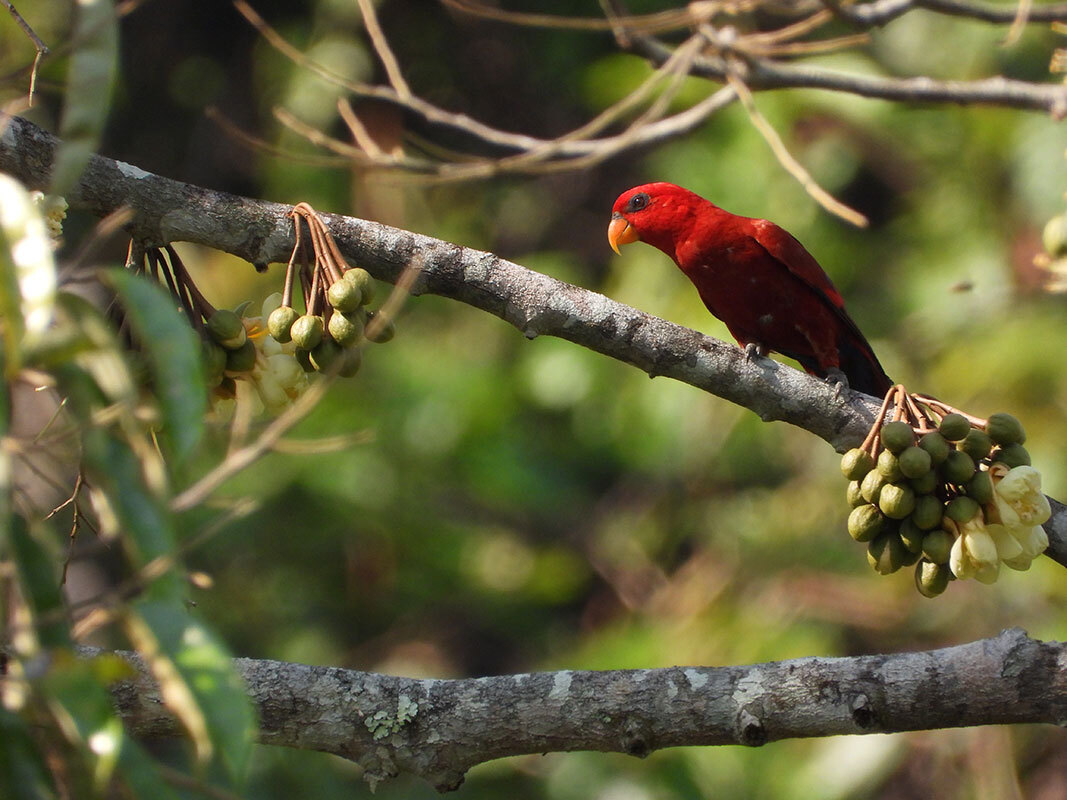
The conservation organization Perkumpulan Konservasi Kakatua Indonesia (KKI) has identified at least 11 parrot species whose habitats have been directly compromised by the recent blazes within and around Manusela National Park. This list includes the Salmon-crested Cockatoo, Moluccan Eclectus Parrot, Moluccan King Parrot, Red Lory, Purple-naped Lory, Coconut Lorikeet, Blue-eared Lory, Red-cheeked Parrot, Red-flanked Lorikeet, Red-breasted Pygmy Parrot, and the Great-billed Parrot.
Dwi Agustina, a spokesperson for KKI, has emphasized that while the total death toll of these birds remains unconfirmed due to the difficulty of accessing remote, scorched areas, the implications are dire. "Regarding the recent fires, we still do not have reliable data on how many parrots have been affected," Agustina noted. "However, the burned areas include habitats for 11 parrot species. We need to understand not only whether parrots have been directly affected by the fires, but also how the fires may have damaged their nesting trees and food trees, as well as affected their flocking behavior and habitat use."
The lack of empirical data is a significant hurdle. Without accurate population counts and behavioral studies post-fire, crafting an effective intervention strategy is nearly impossible. KKI is currently working to bridge the gap between scientific observation and community-led protection, advocating for rigorous field assessments to determine the scale of the damage.
The Necessity of Collaborative Conservation
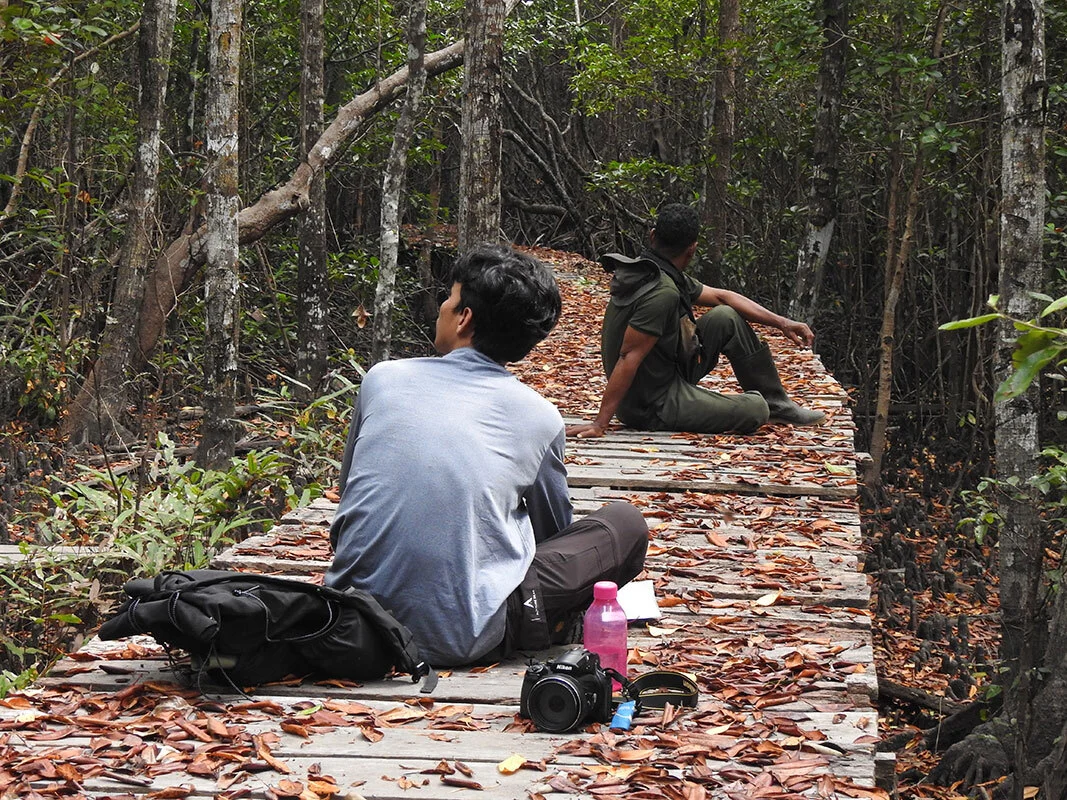
The response to the 2026 fires has highlighted the urgent need for a multi-layered approach to environmental protection in Indonesia. The sheer scale of the landscape makes top-down enforcement difficult; therefore, the role of local communities has become the primary line of defense. Indigenous and local residents are often the first to detect the early signs of a fire. By integrating their local knowledge with the technical expertise of organizations like KKI, there is a greater chance of rapid response and effective habitat monitoring.
Conservation efforts are now focusing on two fronts: immediate, on-the-ground fire prevention and long-term ecosystem restoration. The KKI team, supported by international donors and organizations like Lafeber, is deploying teams to monitor parrot activity in Manusela National Park. These teams are tasked with documenting nesting sites, mapping the extent of the damage, and identifying which areas require urgent rehabilitation to prevent further erosion and habitat loss.
Broader Implications: A Climate-Linked Future
The 2026 fire season in Maluku is part of a growing trend of climate-induced environmental volatility. While human activity—such as land clearing and agriculture—remains a primary driver of fire initiation, changing weather patterns and prolonged dry seasons have increased the flammability of these forests. The conversion of primary forests into fragmented patches makes them significantly more vulnerable to the "edge effect," where the perimeter of a forest dries out more quickly and catches fire more easily.
If the current trend of habitat fragmentation continues, the long-term viability of Indonesia’s unique bird species is in jeopardy. Many of these parrots have highly specific habitat requirements; they are not generalists capable of adapting to degraded landscapes. The loss of the Maluku forests would not only result in the loss of aesthetic and biological beauty but would also have cascading effects on the ecosystem services these forests provide, including carbon sequestration and water cycle regulation.
Call to Action and Path Forward
As the smoke begins to clear, the focus for the scientific community and conservationists must remain on data collection and habitat security. The situation in East Seram Regency serves as a microcosm of the larger challenge: managing the human-wildlife interface in an era of rapid environmental change.
International support, such as the donations recently directed toward KKI, is essential to sustain the teams required for field research and community engagement. However, funding alone is not a panacea. A lasting solution will require the Indonesian government to enforce stricter land-use regulations and incentivize sustainable agricultural practices that do not rely on fire as a tool for land clearing.
For those interested in supporting the ongoing efforts to protect these avian species, the Perkumpulan Konservasi Kakatua Indonesia (KKI) remains the primary point of contact for collaboration and contributions. By fostering a culture of active stewardship, there is still hope to preserve the remaining, unburnt corridors of the Maluku forests and ensure that the diverse parrot populations of the region can continue to thrive in their ancestral homes. The path forward is arduous, requiring sustained international attention and a firm commitment from local stakeholders to prioritize the integrity of the natural world over short-term industrial expansion.
