
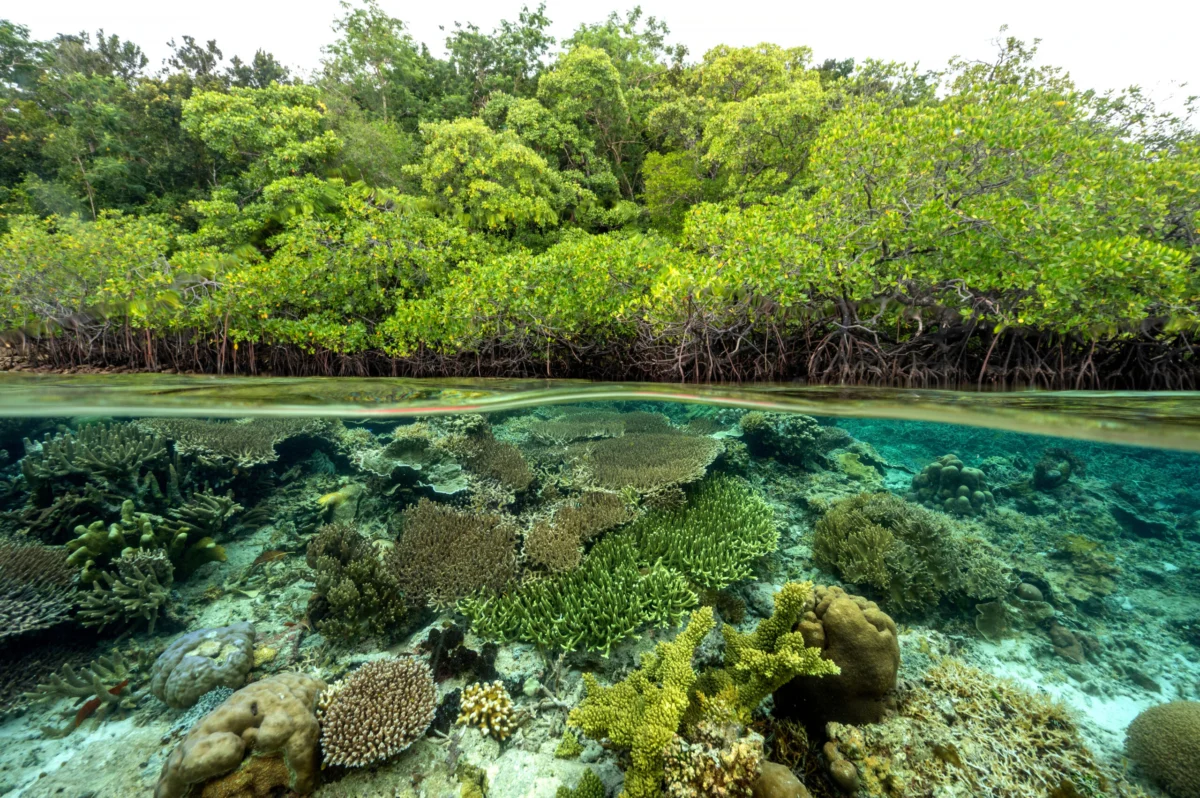
Ecuador stands globally renowned for its breathtaking biodiversity, encompassing the soaring Andean highlands, the dense expanses of the Amazon rainforest, and the pristine, wildlife-rich Galápagos Islands. Yet, tucked away along its dynamic Pacific coastline lies another ecological treasure of immense value: a sprawling network of mangrove forests covering approximately 1,550 square kilometers—an area roughly equivalent to the size of Rome. These coastal forests serve as the beating heart of local marine life, natural carbon sinks, and a vital shield for human settlements against rising sea levels and violent storm surges. However, this ecological buffer has faced severe threats over the past several decades, prompting an innovative, tech-driven convergence of satellite data and grassroots community stewardship to secure its future.
The Historical Pressures and Modern Transformation of Ecuador’s Mangroves
The trajectory of Ecuador’s coastal ecosystems has been turbulent since the mid-20th century. Historical records indicate that since 1970, the nation has lost nearly 30% of its native mangrove cover. Much of this historical depletion was catalyzed by the rapid, often unregulated expansion of commercial shrimp farming, which converted dense, biologically diverse mangrove tracts into aquaculture ponds. During earlier decades, lax environmental planning and minimal management frameworks permitted widespread ecological degradation, compounded by industrial pollution and the accelerating impacts of global climate change.
Nevertheless, the paradigm surrounding coastal management in Ecuador has undergone a profound shift. Technological advancements in the aquaculture sector, combined with stricter regulatory enforcement and improved management practices, have dramatically boosted shrimp production efficiency on existing farms. This evolution has decoupled industrial growth from relentless geographical expansion, opening a critical window of opportunity to balance sustainable commercial production with aggressive mangrove conservation and restoration. Today, the central challenge for environmental policymakers and local stakeholders is scaling effective solutions that protect these irreplaceable ecosystems while simultaneously safeguarding the traditional livelihoods dependent on them.
A Robust Legal Framework and International Collaboration
Ecuador benefits from an exceptionally strong legal and institutional foundation for mangrove conservation, ranking among the most progressive in the Americas. Mangroves are afforded strict constitutional protection, reinforced by the Organic Environmental Code and a series of targeted legislative decrees that prohibit unauthorized clearing, mandate active ecological restoration, and legally empower local communities to manage their ancestral waters. These domestic safeguards align seamlessly with international frameworks, supporting Ecuador’s Nationally Determined Contributions (NDCs) under the Paris Agreement and its commitments to the global 30×30 initiative to protect 30% of the planet’s land and ocean areas by 2030.
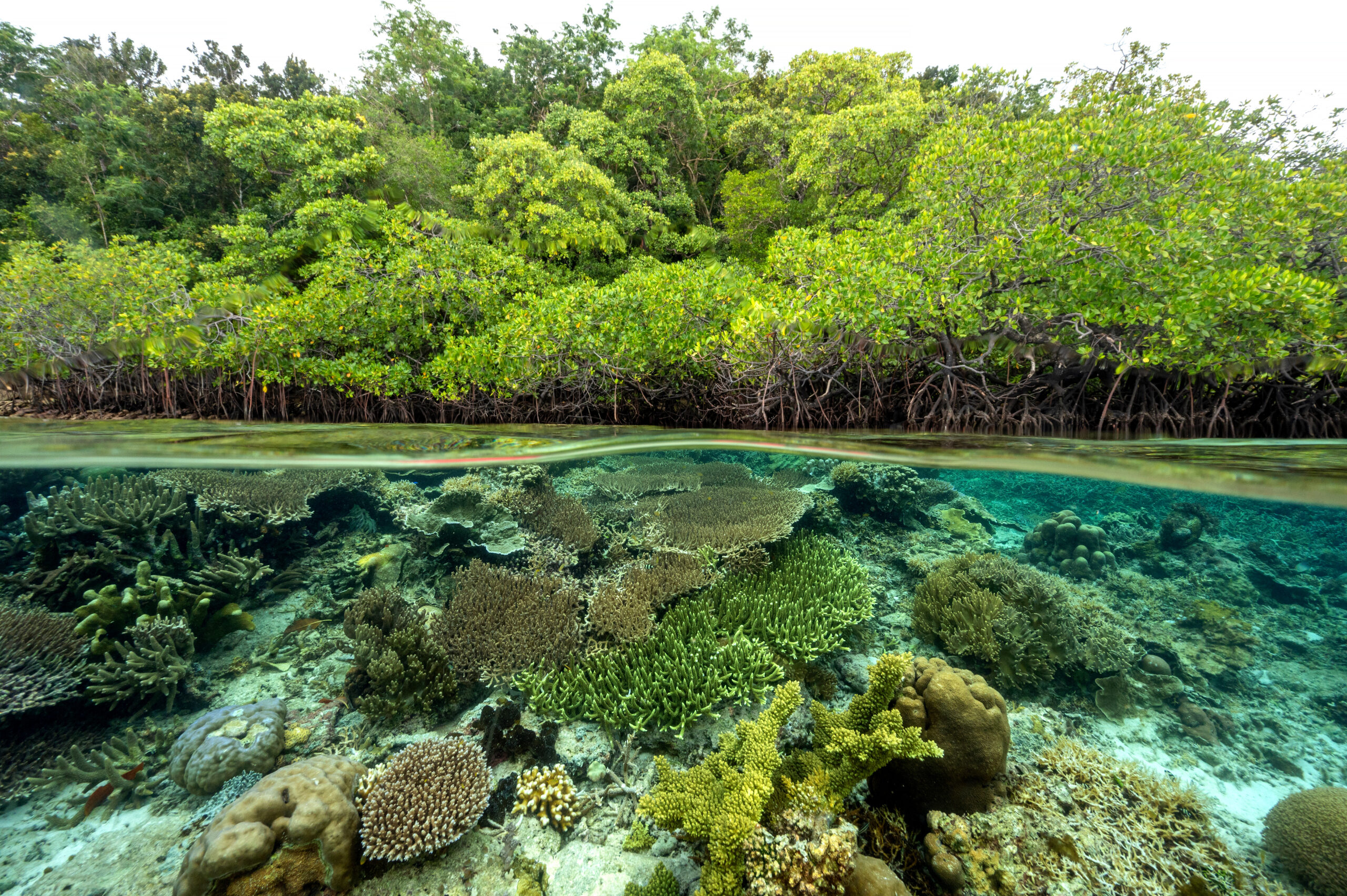
Bolstering this national framework is the active involvement of international coalitions. Last year, the Ecuador chapter of the Global Mangrove Alliance (GMA) secured a pivotal USD 1.5 million grant aimed at fortifying community-based conservation initiatives. A core deliverable of this funding is the design and deployment of a cutting-edge, community-driven early warning system. To bring this vision to life, The Nature Conservancy (TNC) Ecuador—a prominent GMA member—forged a strategic partnership with the International Research Center on El Niño (CIIFEN), an institution possessing deep, regional expertise in developing disaster and environmental early warning frameworks.
Bridging High-Tech Satellite Data with Grassroots Vigilance
Scheduled for official rollout by the end of this year, the collaborative early warning system is currently undergoing pilot testing across four designated Custody and Sustainable Use of Mangrove Agreements (AUSCEMs) situated within the Gulf of Guayaquil. Rather than relying solely on remote oversight, the initiative bridges advanced technology with traditional ecological knowledge by embedding field-based monitoring directly into the daily routines of local mangrove custodians.
The technical architecture of the system integrates Global Mangrove Watch (GMW), a premier platform that supplies high-resolution satellite-based observation data to track environmental shifts. Through newly developed mobile and web applications, local custodians can receive, ground-truth, and validate Mangrove Disturbance Alerts (MDA) generated by GMW satellites. This creates a vital two-way feedback loop: space-borne remote sensing directs human observers to potential threats on the ground, while local communities provide indispensable, on-the-ground validation that refines and trains the satellite algorithms.
"Our goal is to create a two-way street: not only opening doors for more people to access Global Mangrove Watch, but also allowing GMW to benefit from communities’ insights," explains Sebastián Rivera Ruano, full-stack developer of the early warning system.
Operationalizing Response Protocols and Stakeholder Coordination
Developing sophisticated digital tools is only part of the equation; operational efficacy depends heavily on institutional integration and rapid response protocols. Software engineers and climate scientists emphasize that technological platforms must be matched by robust inter-institutional coordination to ensure that alerts trigger meaningful, timely interventions by environmental authorities.

"One of the most important things about early warning systems is that we need them to be more than just technological platforms," notes Pier Luiggi Maquilón Lipari, a climate services developer in CIIFEN’s computer science division. "Protocols and coordination between stakeholders are of critical importance such that timely and coordinated action can be taken."
This collaborative ethos has garnered intense interest from the Ecuadorian government, particularly the Subsecretaría Marino Costera y Oceánica (Undersecretariat for Marine, Coastal and Oceanic Affairs). Government agencies have previously looked to Global Mangrove Watch data to audit and verify national-level statistics concerning mangrove forest extent. Furthermore, regional specialists utilize GMW datasets to extract granular insights regarding blue carbon sequestration potential and to align localized interventions with national climate strategies.
"Some of the most useful information available on Global Mangrove Watch for me is data on mangrove blue carbon as well as national and regional climate policies," shares Elba Alissie Fiallo Cobos, coordinator of the Coastal Marine Strategy at TNC Ecuador.
Diana Carolina Espinoza Ramirez, a GIS specialist at CIIFEN, adds: "Using Global Mangrove Watch we’ve identified areas requiring monitoring attention. Our hope is that this information can be used by the government to prioritise its mangrove protection and restoration policies."
Deep Societal Roots and the Socio Manglar Incentive Model
The urgency behind these technological deployments is rooted in a profound, centuries-old symbiosis between coastal Ecuadorians and their mangrove forests. For generations, these coastal ecosystems have sustained local livelihoods by supplying abundant fisheries, including crabs and prized black-shelled cockles locally known as conchas negras, alongside sustainable timber and fuelwood. Recognizing this deep socio-economic dependence, Ecuador pioneered institutionalized community management models.
Beyond the AUSCEM framework, the country operates Socio Manglar—a mature, nationally embedded incentive program. This state-sponsored initiative channels public funding and international donor finance directly to ancestral and traditional user groups, rewarding them financially for actively conserving and restoring mangrove ecosystems.
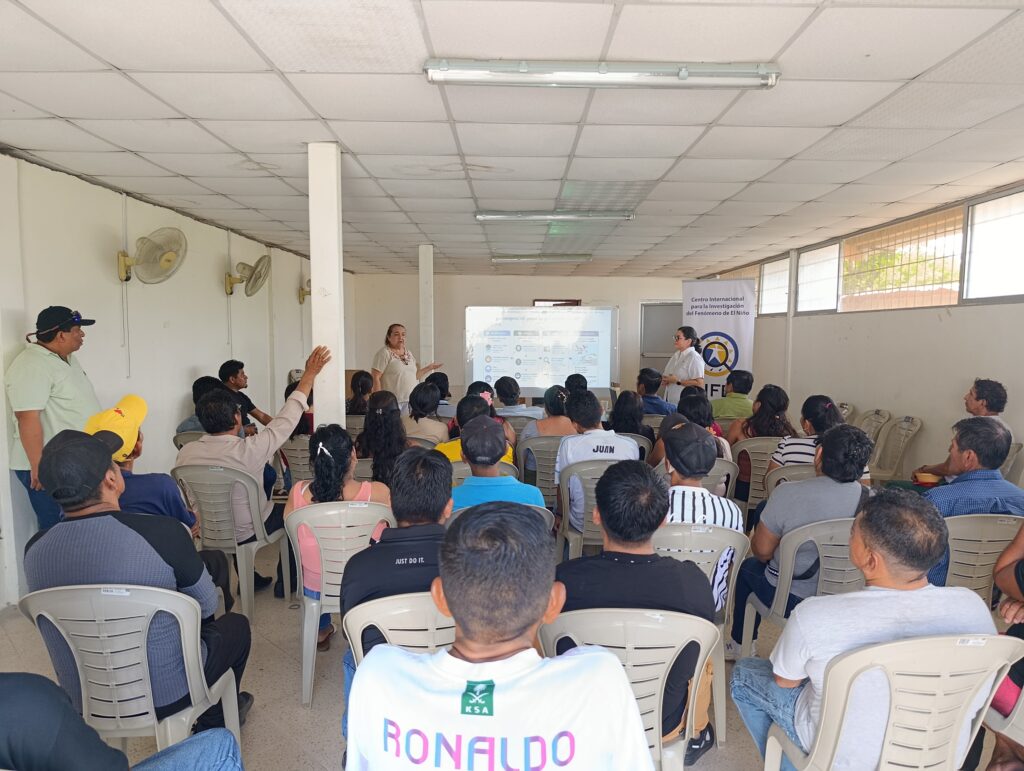
"At TNC Ecuador, we promote collaborative work among local communities, government authorities, academia, and the private sector to advance more sustainable development models that contribute to both mangrove conservation and human well-being, recognising that confrontation between conservation and production is not useful," Fiallo Cobos emphasizes.
Looking Ahead: Capacity Building and Scaled Conservation
As the final quarter of 2026 unfolds, the focus among project stakeholders is pivoting toward intensive capacity building. To ensure the early warning system achieves long-term sustainability and local ownership, CIIFEN and its partners are rolling out comprehensive in-person training workshops complemented by a series of instructional video tutorials. These educational resources are designed to fully empower coastal custodians, ensuring they possess the technical fluency required to operate the digital infrastructure autonomously.
The broader institutional backing behind these advancements underscores a global commitment to coastal resilience. Global Mangrove Watch is managed collaboratively by Wetlands International, The Nature Conservancy, SoloEO, and Prifysgol Aberystwyth University, with critical financial backing provided by the Postcode Loterij, the Oak Foundation, the COmON Foundation, Greenchoice, and Dob Ecology.
Through the harmonious marriage of high-resolution orbital remote sensing, progressive environmental legislation, and the localized vigilance of ancestral stewards, Ecuador is carving out a visionary blueprint for tropical coastal management. By equipping local communities with the technological tools to defend their natural heritage, the nation is not only reversing decades of historical degradation but also establishing a resilient, scalable standard for mangrove conservation across the globe.
