
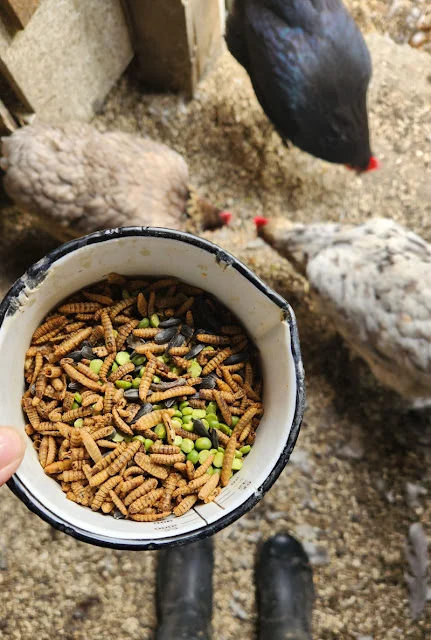
As the autumnal equinox passes and daylight hours begin to wane, backyard poultry keepers across the Northern Hemisphere observe a distinct biological shift in their flocks: the annual molt. This physiological process, triggered by the reduction in photoperiod, serves as the primary mechanism for birds to replace worn, damaged plumage with a dense, insulating coat of feathers in preparation for winter. Because feathers are composed primarily of keratin—a fibrous structural protein—the metabolic demand placed on a bird during this period is significant. Poultry health experts emphasize that managing a flock’s nutrition during this window is critical to ensuring both the structural integrity of new feather growth and the maintenance of adequate body condition for colder temperatures.

The Biological Mechanism of the Annual Molt
The molt is not merely a cosmetic change but a comprehensive physiological event. During this phase, the bird’s endocrine system responds to the decrease in daylight, signaling the pituitary gland to alter hormone production. This transition prompts the shedding of old, frayed feathers and the growth of new ones. Since feathers constitute approximately 7% to 9% of a bird’s total body weight, the production of keratin—which is nearly 90% protein—requires a substantial allocation of dietary nutrients.
Data from avian nutrition studies suggest that a molting hen requires a diet containing between 18% and 20% crude protein to support optimal feather regeneration. In contrast, standard maintenance diets often hover around 15% to 16%. Failure to bridge this protein gap can result in delayed molting, sparse feather coverage, and compromised immune function, which leaves the flock susceptible to thermal stress as temperatures drop.

Chronology of the Seasonal Shift
The molt typically commences in late summer or early autumn, following the conclusion of the peak egg-laying cycle. While the exact timing varies based on the breed, age, and individual bird health, the process generally follows a predictable timeline:
- Early Onset (Late August to September): The first signs appear as loose feathers in the nesting boxes and run. Chickens often cease or significantly reduce egg production, redirecting their energy toward feather synthesis.
- Peak Molt (October): During this phase, birds may exhibit a ragged appearance. Increased caloric and protein intake is paramount here to fuel the growth of thousands of new pinfeathers.
- Completion (November): By the time temperatures begin to freeze, the birds should ideally possess a full, healthy coat. Providing consistent nutrition throughout this period ensures the bird is equipped to manage its body temperature during winter.
Nutritional Interventions: Shifting from Summer to Autumn Diets
In warmer months, poultry diets are often supplemented with water-heavy produce such as melons, cucumbers, and leafy greens. While these provide hydration and essential micronutrients, they are relatively low in the dense proteins required during the molt. Consequently, experienced poultry managers pivot toward "high-density" nutrition.

1. Dried Insects and Larvae
As the natural insect population in the soil declines due to frost, the "free-range" protein source for chickens disappears. Providing dried black soldier fly larvae (BSFL) or mealworms serves as an effective, shelf-stable alternative. These insects are exceptionally high in protein and healthy fats, providing the essential amino acids needed for keratin synthesis. Studies indicate that incorporating these insects can improve the luster and density of the emerging plumage.
2. Poultry-Specific Egg Supplementation
There is a common misconception among novice poultry keepers that feeding eggs to chickens encourages the behavior of egg-eating. However, nutritional experts consistently debunk this, noting that chickens do not associate the consumption of cooked or raw eggs with the destruction of their own eggs. Eggs are considered a "gold standard" protein source, containing nearly all amino acids required for avian health. Providing scrambled or boiled eggs offers a highly bioavailable protein boost that accelerates the recovery process.

3. High-Protein Seed and Nut Supplements
Sunflower seeds—particularly black oil sunflower seeds—are highly regarded for their nutritional density. They offer a dual benefit: high protein content for feather growth and essential fats that help the bird maintain energy reserves. Nuts, including walnuts and almonds (provided they are unsalted), serve as secondary, calorie-dense supplements that assist in maintaining body condition through the metabolic drain of the molt.
4. Legumes and Pulses
Peas, whether fresh, frozen, or dried, represent a robust plant-based protein source. Containing approximately 25% to 30% protein, they are an ideal supplement for both chickens and ducks. For waterfowl, they offer the additional benefit of being a source of niacin, which supports cardiovascular and joint health.

5. Fall Harvest Byproducts
While garden produce is less dense in protein, certain fall harvests like pumpkins and squash remain nutritionally relevant. Beyond their fiber content, pumpkin seeds are widely utilized in poultry management as a natural anthelmintic (wormer), helping to maintain gut health during a period when the bird’s immune system is already under strain from the energy demands of molting.
Implications for Flock Health and Longevity
The management of the autumn molt is intrinsically linked to the overall longevity of a backyard flock. A bird that is nutrient-deficient during this time may emerge with poor-quality plumage, which provides inferior insulation. This creates a cascading effect: the bird expends more energy trying to maintain its body temperature during the winter, which can lead to weight loss, illness, or even mortality in extreme cold.

Furthermore, the cessation of egg-laying during the molt is a normal, healthy biological "reset." Forcing a bird to lay eggs during this period through artificial lighting or excessive stimulation is generally considered detrimental by veterinary experts, as it depletes the very nutrients required for physical restoration. Allowing the bird to undergo the molt naturally, while providing the aforementioned high-protein supplementation, ensures that the flock is adequately prepared for the spring laying season.
Expert Guidance and Best Practices
Industry standards and guidance from organizations such as the American Poultry Association suggest that the key to a successful molt is consistency. Abrupt changes in diet can cause digestive distress; therefore, supplements should be introduced gradually alongside a high-quality, balanced layer feed.

Lisa Steele, a noted expert in backyard poultry management, emphasizes that chickens are naturally omnivorous. The inclusion of meat scraps—such as cooked poultry or pork trimmings—can also provide a significant protein boost, provided that the scraps are free of excessive salt, spices, or preservatives.
As the calendar turns toward winter, the focus for the poultry keeper must remain on maximizing nutrient intake per bite. By replacing the water-heavy treats of summer with protein-dense, fat-rich alternatives, owners can ensure their flocks navigate the annual molt successfully. This proactive approach not only facilitates a smoother physical transition but also fosters a more resilient, productive, and healthy flock capable of enduring the challenges of the coming winter season. The investment in high-quality feed during this period is ultimately an investment in the health and productivity of the birds for the year to follow.
