
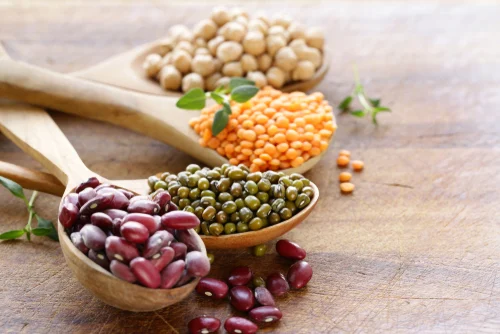
The integration of kitchen scraps into backyard chicken feed is a common practice among poultry enthusiasts, often aimed at reducing waste and diversifying the flock’s nutritional intake. However, this practice carries significant biological risks when improper food items are introduced to the coop. Among the most dangerous substances frequently overlooked by novice keepers are raw, dried beans. Contrary to the assumption that all plant-based kitchen waste is safe for consumption, raw dried beans contain a potent natural toxin that can prove lethal to poultry in even minute quantities.
The Biological Mechanism of Toxicity
The primary danger associated with raw, dried beans—including kidney, pinto, navy, and black beans—is the presence of phytohaemagglutinin, commonly referred to as lectin. In botany, this compound functions as a natural pesticide, evolved by the plant to deter insects and predators during its growth cycle. While the chemical serves an evolutionary purpose for the plant, it acts as a severe digestive toxin in mammals and avian species.

When a chicken consumes raw beans, the phytohaemagglutinin binds to the cells lining the intestinal wall. This interaction inhibits the absorption of nutrients and causes systemic inflammation of the gastrointestinal tract. Clinical manifestations of this toxicity include acute vomiting, severe diarrhea, and lethargy. In many instances, the metabolic stress induced by these symptoms leads to rapid dehydration and circulatory collapse. Because a chicken’s digestive system is highly efficient and sensitive, as few as three to four raw beans can be sufficient to cause mortality, depending on the breed and age of the bird.
Chronology of Toxicity: Why Preparation Matters
The volatility of lectins is not permanent; these compounds are heat-labile, meaning they can be denatured and rendered harmless through specific preparation methods. The standard safety protocol for managing beans in a poultry diet is defined by a rigorous process of hydration and thermal treatment.
- Soaking Phase: The initial step requires soaking dried beans for several hours or overnight. This process leaches out a portion of the lectins into the water.
- Disposal: The soaking water must be discarded entirely. Using this water in cooking or leaving it in the reach of animals is hazardous, as it contains the concentrated toxins extracted from the beans.
- Thermal Processing: Boiling is the only effective method to neutralize the remaining phytohaemagglutinin. While sprouting beans can reduce the lectin count in some varieties, it is not a universally reliable method for all bean types. For example, kidney beans possess a particularly high concentration of the toxin, which requires prolonged exposure to high heat to be fully neutralized.
- Cooling and Serving: Once thoroughly boiled and cooled, the beans are biologically safe for poultry.
Data and Comparative Nutritional Analysis
When evaluating the dietary inclusion of legumes, it is essential to distinguish between raw, dried products and those that have been processed. Nutritionists often highlight that while cooked beans can provide a source of protein and fiber for chickens, they should remain a supplemental part of the diet rather than a primary food source.

In contrast to the risks posed by raw, dried beans, fresh green beans, peas, and Lima beans (if cooked) do not carry the same concentrations of phytohaemagglutinin and are considered safe for poultry. The critical distinction lies in the state of the legume. Dried beans represent a concentrated, dormant state of the plant where the toxin is at its peak concentration to protect the seed during storage. In fresh green beans, the concentration is lower, and the chemical structure is less aggressive, posing little to no threat to a chicken’s internal physiology.
Professional Guidance and Industry Standards
Leading experts in backyard poultry management, such as Lisa Steele, a renowned authority on flock health and sustainable farming practices, have consistently cautioned against the inclusion of any untreated dried legumes in chicken feed. The consensus among veterinary experts is that the risk-to-benefit ratio of feeding dried beans is heavily skewed toward risk. Given that there are numerous safe alternatives for treat-based feeding, the industry recommendation remains a strict prohibition on raw beans.
Regarding canned beans, the nutritional profile changes significantly. While the cooking process during canning effectively denatures the lectins, the addition of salt, preservatives, and flavorings presents a secondary health concern. Excessive sodium intake in chickens can lead to kidney strain and electrolyte imbalances. If a keeper chooses to utilize canned beans, they must be rinsed thoroughly under cold water to remove as much residual sodium as possible. Furthermore, these should be provided in moderation to ensure they do not replace the bird’s balanced layer feed, which is formulated to meet their precise metabolic requirements.

Broader Implications for Small-Scale Poultry Keepers
The prevalence of accidental poisoning in backyard flocks often stems from a lack of awareness regarding the chemical differences between human-grade ingredients and safe poultry feed. As the movement toward self-sufficiency and backyard egg production grows, the dissemination of accurate, science-based nutritional data becomes increasingly vital.
The incident of toxin ingestion in poultry is rarely a singular event; it often indicates a wider systemic issue within the management of kitchen scraps. Agricultural extension services frequently advise that owners maintain a "safe-to-feed" list. Items such as avocados, raw onions, and citrus are also on the list of common household foods that can be harmful to chickens, mirroring the risks associated with raw beans.
Analysis of Risk Mitigation
To mitigate the risk of accidental poisoning, keepers should implement a three-tiered management strategy:

- Isolation of Feed Sources: Ensure that dried beans are stored in secure, airtight containers that are inaccessible to the flock, preventing accidental spills or scavenging.
- Scrap Screening: Before any kitchen waste is offered to the birds, it must be screened for prohibited items. If there is any uncertainty regarding the safety of a particular food item, the default position must be exclusion.
- Educational Outreach: Many poultry deaths are attributed to the "it’s natural, so it must be safe" fallacy. Challenging this misconception is central to modern poultry health education.
Conclusion
The management of poultry nutrition is a responsibility that requires an understanding of both the benefits and the inherent hazards of various plant species. While beans are a nutritional powerhouse for humans, their raw, dried state is fundamentally incompatible with the physiology of chickens. By adhering to the established protocols of proper soaking and thorough boiling, or by opting for safer fresh vegetable alternatives, owners can effectively prevent the risks associated with phytohaemagglutinin. Ensuring the safety of the flock is not merely about providing food, but about understanding the chemical interactions of that food at the cellular level. As backyard farming continues to evolve, the adherence to these rigorous, fact-based safety standards remains the most effective tool in maintaining a healthy, productive flock.
