
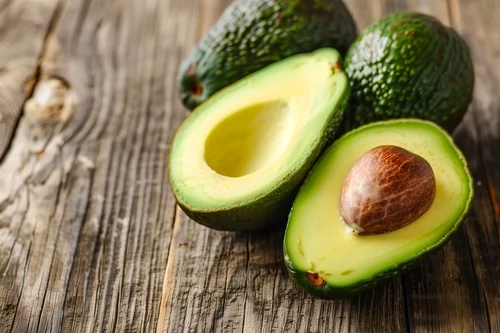
The inclusion of avocado in the diet of backyard poultry and various domestic animals poses a significant health risk, according to veterinary toxicologists and agricultural researchers. Despite the avocado’s status as a popular human superfood, the Persea americana plant contains a potent fungicidal toxin known as persin. This compound is present in varying concentrations throughout the leaves, skin, bark, and fruit of the plant, rendering the entire botanical structure dangerous to many avian species and specific mammals. Veterinary authorities emphasize that exposure to this toxin can lead to rapid physiological failure, often resulting in death within 48 hours of ingestion.
The Mechanism of Persin Toxicity
Persin is a fatty acid derivative that acts as a natural defense mechanism for the avocado plant, protecting it against fungal infections. While this mechanism is highly effective for the plant, it acts as a cardiovascular toxin when ingested by susceptible species. When an animal consumes any part of the avocado, the persin is released into the gastrointestinal tract and absorbed into the bloodstream.

Once systemic, the toxin induces a lack of oxygen—hypoxia—within the tissues. Clinical observations in affected birds often reveal respiratory distress, lethargy, and a rapid, irregular heartbeat. As the toxin compromises the cardiac muscle, the affected animal frequently succumbs to heart failure. Research documented in the Merck Veterinary Manual confirms that birds, particularly those in the psittacine and gallinaceous families, are highly sensitive to these toxic effects.
Species Susceptibility and Biological Impact
While the primary concern in agricultural settings often centers on chickens and turkeys, the spectrum of susceptibility is broader than many small-scale farmers realize. Biological data indicates that the severity of the reaction can depend on the specific cultivar of the avocado, but because it is nearly impossible for the average consumer to identify the specific variety or the exact concentration of persin in a given fruit, the only safe protocol is total avoidance.
Beyond domestic poultry, the list of animals susceptible to persin poisoning includes:

- Avian species: Chickens, turkeys, ostriches, and various pet birds, including parrots and canaries.
- Small mammals: Mice, rats, and guinea pigs.
- Livestock: Sheep and horses.
The ingestion of even a small quantity of the plant—as little as 5% of a single fruit—can be lethal to a small bird. In many instances, the physical signs of distress do not manifest immediately, leading owners to believe their animals are unaffected until the cardiac damage reaches a terminal threshold.
Chronology of Veterinary Awareness
The identification of avocado as a toxic hazard has been a long-standing point of emphasis in the veterinary community. Early agricultural research in the 20th century began to correlate sudden, unexplained deaths in backyard flocks with the presence of ornamental avocado trees or the disposal of kitchen scraps in chicken runs.
- Mid-20th Century: Initial reports of avian deaths linked to the consumption of avocado leaves and fruit began to appear in veterinary journals.
- 1990s: Systematic toxicology studies identified persin as the primary causative agent, differentiating the toxin’s effect on birds versus its relative safety for human consumption.
- Current Era: With the rise in popularity of backyard chicken keeping, veterinary organizations have intensified their educational outreach to prevent accidental poisoning. These campaigns highlight that the fruit’s healthy fats for humans are fundamentally incompatible with avian digestive biology.
Supporting Data and Clinical Evidence
According to the Merck Veterinary Manual, the distribution of persin is not uniform across the plant. The leaves are generally cited as having the highest concentration of the toxin, followed by the skin and the pit. However, the flesh of the fruit, while often containing lower levels of persin, remains unsafe.

Clinical necropsies performed on birds that have succumbed to avocado toxicity frequently show fluid accumulation around the heart (hydropericardium) and within the lungs (pulmonary edema). This fluid buildup is a direct consequence of the toxin’s damage to the cardiac muscle tissue. Because the cardiovascular system is hit so hard and so quickly, effective treatment options for birds are extremely limited. Once a bird displays symptoms, the mortality rate remains exceptionally high, making prevention the only viable strategy for flock health.
Implications for Backyard Poultry Management
The rise of the "farm-to-table" movement and urban agriculture has led to an increase in the number of households maintaining small flocks. This trend often coincides with a desire to reduce food waste by feeding kitchen scraps to chickens. While many vegetables, grains, and fruits are safe or even beneficial for chickens, the inclusion of avocado as a "healthy scrap" has led to avoidable fatalities.
Agricultural extension services and poultry experts, such as Lisa Steele of Fresh Eggs Daily, have consistently campaigned for a "zero-tolerance" policy regarding avocado in the chicken coop. The implications for the owner are clear: the risk of sudden flock loss far outweighs the convenience of disposing of food scraps.

Broader Agricultural Context
The issue is not limited to the fruit itself. In regions where avocado trees are grown, farmers must be vigilant about leaf fall. If chickens are allowed to forage under or near avocado trees, they may ingest fallen leaves or twigs. This environmental exposure is often overlooked, as owners may be careful not to feed the fruit to the birds but fail to realize that the vegetation itself is a concentrated source of the toxin.
Furthermore, the toxicity extends to water contamination. In some documented cases, birds have shown signs of toxicity after drinking water that was stored in containers where avocado parts had been soaking, as the toxin is partially water-soluble. This highlights the need for a comprehensive understanding of the plant’s properties in any environment where birds are present.
Best Practices for Flock Safety
For the safety of a backyard flock, the following guidelines are recommended:

- Strict Segregation: Ensure that all avocado products—including peels, pits, and leftover fruit—are disposed of in secure trash receptacles that are inaccessible to poultry.
- Foraging Oversight: Inspect the perimeter of the chicken run for any plants that may contain toxins. If avocado trees are present on the property, install fencing to prevent birds from accessing fallen foliage.
- Owner Education: Ensure that all family members or caretakers involved in feeding the flock are aware of the toxicity of avocado. It is a common misconception that because avocado is a "healthy" food for humans, it must be safe for animals.
- Emergency Preparation: While there is no widely available antidote for persin poisoning, having the contact information for an avian-specialized veterinarian is essential. If ingestion is suspected, immediate professional assessment is required, though the prognosis remains guarded.
Conclusion
The chemical profile of the avocado plant makes it fundamentally incompatible with the physiology of chickens and many other domestic species. As the agricultural community continues to prioritize animal welfare and disease prevention, the dissemination of accurate information regarding toxic food sources remains paramount. By removing avocados entirely from the reach of their flocks, owners can mitigate the risk of severe cardiovascular distress and ensure the long-term health and vitality of their birds. The objective evidence provided by veterinary science is conclusive: the risk posed by the persin toxin is too high to justify any level of consumption. Proper management, awareness, and the strict avoidance of this fruit are essential components of responsible poultry husbandry.
