
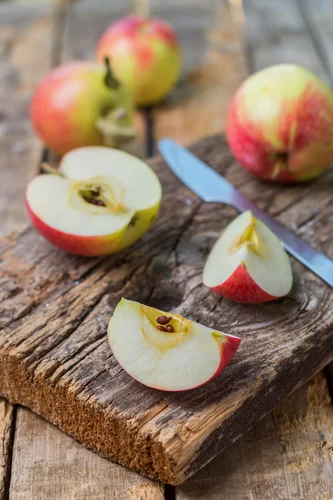
The rise of the backyard poultry movement has transformed the American residential landscape, leading millions of households to transition from being mere consumers to small-scale agricultural producers. Central to this movement is the practice of supplemental feeding, where owners supplement standard commercial poultry diets with kitchen scraps and garden produce. Among the most popular of these supplemental treats are apples, which offer a dense profile of vitamins and minerals. However, agricultural experts and avian nutritionists warn that while the flesh of the apple provides significant health benefits, the seeds harbor a hidden danger: amygdalin, a precursor to hydrogen cyanide. Understanding the delicate balance between nutritional enrichment and toxicological risk is essential for maintaining a healthy, productive flock.
The Nutritional Profile of Apples in Avian Diets
Apples are more than just a palatable snack for Gallus gallus domesticus; they are a complex source of phytonutrients that can enhance the overall well-being of a flock. When integrated correctly into a balanced diet, apples provide a range of essential components. Primarily, they are an excellent source of dietary fiber, specifically pectin. In poultry, fiber plays a critical role in gut motility and the maintenance of a healthy microbiome. A robust gut flora is the first line of defense against common avian pathogens such as Salmonella and E. coli.
Furthermore, apples are rich in antioxidants, including quercetin, catechin, and chlorogenic acid. These compounds assist in neutralizing free radicals within the chicken’s body, potentially reducing oxidative stress, which is particularly beneficial for high-production laying hens or birds recovering from illness. From a vitamin perspective, apples contribute Vitamin C and Vitamin A. While chickens can synthesize their own Vitamin C, supplemental intake during periods of heat stress or molting can provide necessary physiological support.

Beyond the chemical composition, apples serve an "enrichment" function. Backyard chickens are highly intelligent animals that require mental stimulation to prevent behavioral issues such as feather pecking or egg eating. Providing whole or halved apples allows birds to engage in natural foraging behaviors. Some keepers even utilize "apple tetherball," where an apple is suspended by a string, encouraging the birds to jump and peck, thereby promoting physical exercise and reducing boredom in confined runs.
The Toxicology of Apple Seeds: The Amygdalin Factor
Despite the clear benefits of the fruit’s flesh, the core of the apple presents a biological hazard. Apple seeds contain a naturally occurring chemical compound known as amygdalin. Amygdalin is a cyanogenic glycoside that serves as a chemical defense mechanism for the plant. When the seeds are chewed, crushed, or otherwise damaged during the digestive process, amygdalin interacts with digestive enzymes to release hydrogen cyanide (HCN).
Cyanide is a potent and rapid-acting toxin that interferes with the body’s ability to utilize oxygen. Specifically, it inhibits the enzyme cytochrome c oxidase in the mitochondrial electron transport chain. When this enzyme is blocked, the cells can no longer produce ATP (adenosine triphosphate), the primary energy currency of the cell. Effectively, the animal suffers from "chemical asphyxiation" at a cellular level, even if there is plenty of oxygen in the bloodstream.
In the context of poultry, the risk is dose-dependent. A single apple seed is unlikely to provide a lethal dose of cyanide to a healthy adult hen. However, the cumulative effect of consuming multiple seeds, or the consumption of seeds by smaller, younger, or immunocompromised birds, can lead to severe clinical outcomes. Because chickens possess a gizzard—a muscular organ used to grind food with the help of grit—the likelihood of apple seeds being thoroughly crushed and releasing their toxic payload is significantly higher than in animals with simpler digestive tracts.

Identifying Symptoms of Cyanide Poisoning in Poultry
For the backyard keeper, recognizing the signs of cyanide toxicity is vital for timely intervention, though in many cases, the onset of symptoms is so rapid that treatment is difficult. Cyanide poisoning in chickens typically manifests through a series of respiratory and neurological distress signals.
One of the most visible indicators is a change in the color of the comb and wattles. As oxygen utilization fails, these fleshy appendages may take on a blue or purple hue, a condition known as cyanosis. This is often accompanied by dyspnea, or labored breathing, as the bird struggles to compensate for the lack of cellular oxygen.
Other clinical signs include:
- Rapid or irregular heart rate (tachycardia).
- Low blood pressure leading to lethargy and weakness.
- Loss of muscular coordination (ataxia).
- Chest pain, which may manifest as the bird tucking its head or acting unusually agitated.
- Loss of consciousness or coma.
- Sudden death due to cardiac or respiratory arrest.
While the occasional ingestion of a few seeds may only cause sub-lethal stress, chronic exposure to low levels of cyanide can weaken the bird’s immune system and reduce egg production, making the practice of coring apples a necessary precaution rather than a mere suggestion.

Comparative Risks: The Stone Fruit Connection
The presence of cyanogenic glycosides is not unique to apples. This chemical defense strategy is prevalent across the Rosaceae family, which includes many common "stone fruits." Owners should exercise the same, if not greater, level of caution when feeding the following:
- Peaches and Nectarines: The large pits contain a kernel rich in amygdalin.
- Plums: Like peaches, the inner kernel is toxic.
- Apricots: Often cited as having one of the highest concentrations of amygdalin in the pit.
- Cherries: Both the pits and the stems/leaves can contain toxic compounds.
In many instances, a chicken’s beak is not strong enough to crack the hard outer shell of a peach or plum pit. However, if a pit is already cracked or if the fruit has begun to rot and soften, the bird may gain access to the toxic interior. To eliminate this risk, agricultural experts recommend a "pit-free" policy, ensuring that all stone fruits are sliced and the central stone removed before being offered to the flock.
Dietary Management and the Ten Percent Rule
A critical aspect of poultry husbandry is maintaining the nutritional balance of the daily ration. Most modern backyard chickens are fed a complete commercial feed, which is scientifically formulated to provide 100% of the bird’s required nutrients, including proteins, fats, and minerals like calcium for eggshell formation.
When owners introduce treats—even healthy ones like apples—they risk diluting the carefully balanced nutrients in the primary feed. The industry standard, often cited by experts like Lisa Steele of Fresh Eggs Daily, is the "Ten Percent Rule." This guideline dictates that supplemental treats should never exceed 10% of a chicken’s total daily caloric intake.

For an average laying hen, this translates to approximately one to two tablespoons of treats per day. Overfeeding apples, despite their nutritional value, can lead to several issues:
- Protein Dilution: Apples are low in protein. If a hen fills up on fruit, she may not consume enough of her layer pellets, leading to a drop in egg production or poor feather quality.
- Obesity: The natural sugars (fructose) in apples can contribute to weight gain if fed in excess. Obese hens are prone to "Fatty Liver Hemorrhagic Syndrome," a fatal condition common in backyard flocks.
- Digestive Upset: Excessive fruit intake can cause watery droppings, leading to hygiene issues in the coop and potentially attracting flies or pests.
Chronology of Seasonal Feeding and Waste Reduction
The feeding of apples to poultry often follows a seasonal chronology. In the United States, peak apple harvest occurs between August and November. During this time, backyard keepers with their own trees often find themselves with an abundance of "windfall" apples—fruit that has fallen to the ground and may have minor bruising or insect damage.
Using these apples as poultry feed is an excellent example of a circular farm economy, reducing food waste and lowering feed costs. However, the chronology of the harvest also introduces the risk of fermentation. Fallen apples that sit on the ground can begin to ferment, producing ethanol. Chickens that consume fermented fruit can suffer from alcohol poisoning, which manifests as disorientation and, in severe cases, death. Therefore, the best practice is to collect windfall apples daily, inspect them for mold (which can produce dangerous mycotoxins), and process them by coring and slicing before feeding.
Broader Implications for the Poultry Industry and Food Safety
The management of backyard flock diets has implications that extend beyond the health of individual birds. There is a direct correlation between what a chicken eats and the quality of the eggs it produces. While the cyanide in apple seeds is unlikely to transfer to the egg in a way that would harm human consumers, the overall health of the hen is paramount for food safety.

Healthy hens produce eggs with stronger shells and more robust internal membranes, which act as barriers against bacterial contamination. Furthermore, a diet enriched with diverse antioxidants from fruits like apples can result in eggs with higher levels of certain phytonutrients.
The backyard poultry sector is now a multi-billion-dollar industry, influencing everything from urban zoning laws to the retail availability of organic feed. As more people take up the mantle of small-scale farming, the dissemination of accurate toxicological information becomes a matter of public agricultural health. The transition from "scraps" to "supplemental nutrition" represents a professionalization of the hobbyist sphere, ensuring that animal welfare remains at the forefront of the movement.
Conclusion and Expert Recommendations
In summary, apples are an excellent addition to a chicken’s diet, providing essential fiber, antioxidants, and mental stimulation. However, the presence of amygdalin in the seeds necessitates a proactive approach to safety. To maximize the benefits and minimize the risks, poultry owners should adhere to the following protocol:
- Core and Seed: Always remove the central core and all seeds before offering apples to the flock.
- Moderation: Limit apple intake to the 10% treat threshold to ensure the primary nutritional requirements are met through balanced feed.
- Preparation: Slice or dice apples to prevent choking hazards and to ensure even distribution among the flock, preventing dominant birds from overconsuming.
- Inspection: Avoid feeding apples that show signs of heavy mold or advanced fermentation.
- Variety: Use apples as part of a diverse treat regimen that includes leafy greens, mealworms, and other safe vegetables.
By following these guidelines, keepers can ensure that their birds enjoy the sweet rewards of the harvest without falling victim to the hidden chemical defenses of the orchard. Professional management of these small details is what distinguishes a thriving, healthy backyard flock from one at risk of preventable nutritional and toxicological crises.
