
The release of the 10th Anniversary edition of the seminal homesteading guide Gardening with Chickens, scheduled for publication on March 17, represents a significant milestone in the evolution of backyard agricultural literature. Authored by Lisa Steele, a fifth-generation poultry expert and the founder of the Fresh Eggs Daily brand, this updated volume serves as both a retrospective on a decade of small-scale farming and a comprehensive manual refined by years of climate-diverse experience.

The original manuscript, published in 2015, emerged during a transitional period for the author, who was relocating from the temperate climate of Virginia to the more rigorous conditions of Maine. This geographical shift provided the impetus for a decade-long period of intensive learning, during which the author expanded her expertise from poultry husbandry in mild zones to the complex challenges of cold-climate agriculture.
A Decade of Climatic Adaptation and Research
The primary motivation for the updated edition stems from the stark contrast between the author’s initial experience in Planting Zone 8b and her subsequent tenure in Planting Zone 5a. This shift necessitated a fundamental re-evaluation of agricultural strategies. In Zone 8b, the growing season is long and relatively forgiving; however, the transition to Maine—a region characterized by significant snowfall and temperatures that frequently drop below zero—required the implementation of specialized infrastructure.

To navigate these environmental challenges, the author engaged with the University of Maine Cooperative Extension Service, completing their Master Gardener program. This formal education allowed for the integration of evidence-based agricultural practices into the revised text. The new edition documents the transition from simple backyard gardening to the construction of raised beds, specialized fenced enclosures, and the strategic design of integrated chicken runs—a holistic approach that aligns poultry waste management with soil fertilization.
Evolution of the Backyard Homesteading Movement
The 2015 publication of Gardening with Chickens occurred at a time when the "backyard movement" was gaining significant mainstream traction. Over the last ten years, data from the American Poultry Association and various agricultural extension offices have indicated a consistent rise in urban and suburban chicken keeping. This trend was further accelerated by the 2020 global pandemic, which saw a surge in interest regarding food security and self-sufficiency.

The 10th Anniversary edition addresses this shift by updating best practices for modern readers who may be facing increased regulatory scrutiny or space constraints. By incorporating lessons learned from raising ducks and geese alongside chickens, the book provides a more comprehensive look at multispecies flock management. The inclusion of these species reflects a broader trend in hobby farming: the move toward permaculture-inspired systems where diverse livestock serve multiple ecological roles, such as pest control and nutrient cycling.
Editorial Strategy and Visual Integration
The production process for this anniversary edition involved a comprehensive audit of the original content. Collaborating with the team at Homestead Living, the author employed a rigorous editorial review to identify which methods had remained resilient over the decade and which required modernization based on contemporary veterinary and horticultural findings.

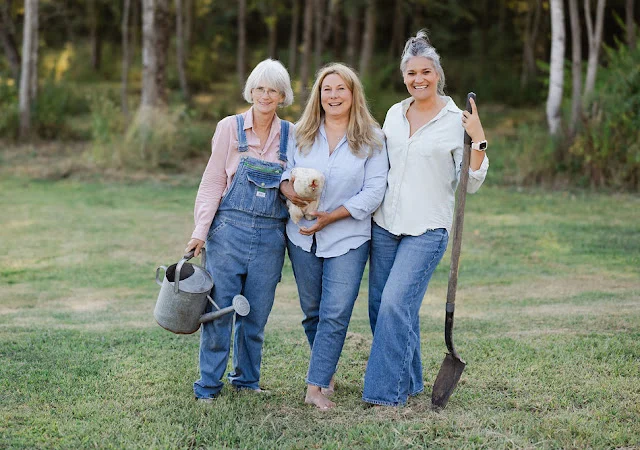
A major component of this update is the complete overhaul of the book’s visual assets. In a three-day intensive production cycle, the author and her creative team captured an entirely new suite of photography. These images serve a dual purpose: they function as instructional diagrams for building infrastructure and as a visual record of the aesthetic potential of functional homesteading. The decision to prioritize high-fidelity, original imagery reflects a growing demand in the publishing sector for authentic, peer-tested educational material rather than stock photography or theoretical illustrations.
Implications for Modern Small-Scale Agriculture
The release of this updated manual arrives at a moment when interest in local food systems remains high. Experts in the agricultural sector note that while many instructional books for beginners provide a baseline, few offer the nuanced "long-term" perspective that comes from decade-long case studies.

The primary implications of this edition include:
- Climate-Resilient Infrastructure: By detailing the construction of structures capable of withstanding sub-zero temperatures, the guide provides a blueprint for Northern climate homesteaders who often find standard agricultural advice insufficient.
- Integrated Systems: The focus on "gardening with" rather than "gardening around" poultry emphasizes the symbiotic relationship between livestock and soil health. This method is increasingly viewed as a viable solution for reducing reliance on synthetic fertilizers in private garden plots.
- Institutional Literacy: By highlighting the role of university-led cooperative extensions, the book encourages readers to leverage local scientific resources, thereby bridging the gap between hobbyist enthusiasm and academic agricultural standards.
Chronology of Development
- 2015: Initial publication of Gardening with Chickens. The author moves from Virginia (Zone 8b) to Maine (Zone 5a).
- 2016–2023: Period of active experimentation in cold-climate poultry husbandry and vegetable gardening; author completes Master Gardener coursework.
- 2025 (Q1): Announcement of the 10th Anniversary edition. The original print run approaches exhaustion, prompting the decision to issue an updated volume.
- March 2026: Official release date for the revised edition, featuring updated content and a complete library of new photography.
Future Outlook
As the agricultural sector continues to adapt to volatile weather patterns, literature that emphasizes adaptability becomes increasingly valuable. The 10th Anniversary edition of Gardening with Chickens functions as a case study in how small-scale farmers can pivot their strategies based on environmental shifts.

Industry analysts suggest that the longevity of this title is indicative of a shift toward "legacy" homesteading—where practitioners are less interested in temporary trends and more focused on sustainable, multi-generational techniques. By incorporating both the failures and successes of the last decade, the book offers a transparent look at the labor-intensive reality of food production.
The publication remains available through various distribution channels, including Homestead Living and Amazon. For both established practitioners and those looking to integrate a flock into their existing garden infrastructure, the updated text provides a synthesis of experience that addresses the practical, biological, and logistical challenges of modern backyard farming. Through its emphasis on evidence-based methods and community-led research, the work serves as a cornerstone for those seeking to refine their approach to self-reliance in the coming decade.
