
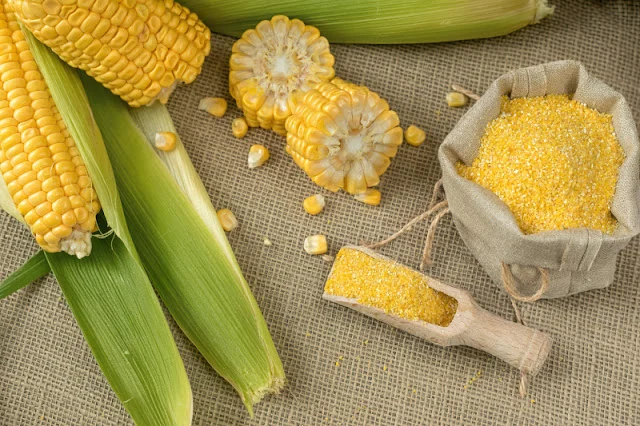
The debate surrounding the inclusion of corn in the dietary regimen of backyard poultry has persisted for years, creating a divide between traditional husbandry practices and modern avian nutritional science. For many keepers, corn is a staple of the coop, yet others avoid it during specific seasonal windows due to concerns regarding metabolic heat production. To understand the viability of corn as a feed supplement, it is necessary to examine the biological processes of digestion, the caloric density of maize, and the distinct nutritional differences between dried, whole-kernel, and fresh corn varieties.
The Physiology of Avian Digestion and Metabolic Heat
At the heart of the controversy is the concept of heat increment of feeding (HIF). When poultry consume food, the metabolic processes involved in digestion, absorption, and metabolism generate heat as a byproduct. This is particularly relevant when discussing complex carbohydrates and high-fiber grains.

In the winter months, this physiological response is considered an asset. Poultry, like other homeothermic animals, must maintain a consistent core body temperature. When chickens consume dried, whole, or cracked corn in the late afternoon, the slow digestion of these complex carbohydrates throughout the night acts as a metabolic furnace. The energy released during the catabolic breakdown of these starches helps the birds maintain their body temperature during the coldest hours of the night.
Conversely, during the summer, this internal heat production can pose a challenge. When ambient temperatures exceed 85°F (29°C), poultry struggle to dissipate body heat. If their diet is heavily weighted toward energy-dense grains that require significant metabolic effort to digest, the internal heat load may contribute to heat stress. While a handful of corn will not cause immediate mortality, poultry nutritionists suggest that during extreme heatwaves, energy-dense grains should be reduced in favor of higher-moisture, lower-density dietary supplements.
A Chronology of Dietary Management
The history of using corn as a supplement is deeply rooted in 20th-century agrarian practices. Historically, "scratch" grains—a mixture often dominated by cracked corn—were developed as a supplemental treat rather than a nutritionally complete feed. In the mid-1900s, as home-based poultry keeping began to shift from commercial farm utility to a suburban hobby, the focus transitioned from maximizing output to ensuring the longevity and health of the bird.

In recent years, the rise of the backyard poultry movement has led to more rigorous scrutiny of what constitutes a "treat." Poultry experts now differentiate between the roles of corn across the seasons:
- The Winter Phase (October – March): The focus shifts toward thermoregulation. During this period, the administration of dried corn is viewed as a beneficial, energy-dense supplement that assists the flock in surviving sub-zero temperatures.
- The Transition Phase (April – May/September): A period of dietary adjustment where corn is used sparingly to transition the birds between high-energy needs and hydration-focused needs.
- The Summer Phase (June – August): The focus shifts toward hydration and cooling. Fresh corn, which contains higher water content, is prioritized, while dried, hard grains are restricted to minimize metabolic stress.
Nutritional Composition and Data Analysis
Corn is not a nutritionally dense "superfood," but it serves a specific purpose in the avian diet. Nutritionally, corn is characterized by:
- Complex Carbohydrates: These provide sustained energy release, which is superior to simple sugars for overnight metabolic support.
- Micronutrients: Corn contains trace amounts of Vitamin B6, Vitamin C, Niacin, and Phosphorus. While these are beneficial, they are not present in sufficient concentrations to replace a formulated layer feed.
- Antioxidants and Pigments: Corn, particularly yellow varieties, contains lutein and zeaxanthin, which are carotenoids that contribute to the golden pigmentation of egg yolks and support avian eye health.
- Fiber Content: The fibrous outer hull of the kernel requires the gizzard—the muscular stomach of the bird—to work more effectively, which is a necessary component of healthy digestive tract function.
However, the primary concern regarding corn is its protein-to-carbohydrate ratio. Commercial layer feeds are formulated with approximately 16% to 18% protein. Corn is significantly lower in protein and higher in starch. If a flock is fed excessive amounts of corn, the birds may experience a protein deficiency, leading to reduced egg production and, in extreme cases, fat accumulation around internal organs. This is especially dangerous for heavy-breed ducks, which are prone to obesity-related health complications.

The Role of Fresh Corn and Byproducts
When moving beyond dried grains, fresh corn offers a different nutritional profile. Fresh corn from the cob, or even frozen kernels, provides higher moisture content, which is vital during periods of high heat.
Furthermore, the secondary components of the corn plant are often overlooked. Corn silk and husks are rich in phytonutrients. Research into poultry health has indicated that corn silk possesses mild diuretic properties and contains Vitamin K, which is essential for blood clotting and circulatory health. For enthusiasts of natural husbandry, incorporating these "waste" products into the diet is considered a way to reduce feed costs while providing the flock with beneficial, bioavailable nutrients.
Expert Perspective and Industry Standards
Leading poultry husbandry experts emphasize that the "controversy" is largely a matter of dosage rather than inherent danger. The consensus among avian veterinarians is that the risks associated with corn are almost entirely related to improper feeding practices—namely, overfeeding or providing energy-dense food during heat stress.

"The issue is not the corn; the issue is the balance," notes one industry advisor. "When you provide a treat that makes up more than 10% of the total daily caloric intake, you are effectively diluting the nutrient profile of the primary, balanced layer feed. That is where health issues, such as feather picking or reduced laying, begin to manifest."
Implications for Flock Management
For the modern backyard keeper, the implications of this data are clear: corn is a versatile, seasonal tool that must be managed with intent. The following guidelines are recommended for maintaining a healthy, resilient flock:
- Moderation is Mandatory: Treat corn as a supplement, not a base diet. It should not exceed 5% to 10% of the total daily intake.
- Seasonal Switching: Utilize dried corn exclusively in the winter as a "nighttime warmer." Transition to fresh, moisture-rich garden produce during the summer months to support hydration.
- Prioritize Quality: Whether feeding dried or fresh, ensure that the corn is free from mold or mycotoxins. Aflatoxins, which can grow on improperly stored dried corn, are highly toxic to poultry and can cause irreversible liver damage.
- Targeted Feeding: Use feeding time to observe the flock. If the birds are not consuming their primary layer feed because they are waiting for a treat, the treat should be removed until the birds return to their balanced diet.
Ultimately, corn remains a valuable component of the avian diet when utilized correctly. By understanding the metabolic requirements of poultry and the nutritional limitations of corn, keepers can ensure their flocks remain healthy, productive, and comfortable throughout the changing seasons. The objective is to view nutrition through the lens of biological need rather than mere convenience, ensuring that every grain provided serves a specific purpose in the long-term vitality of the bird.
