
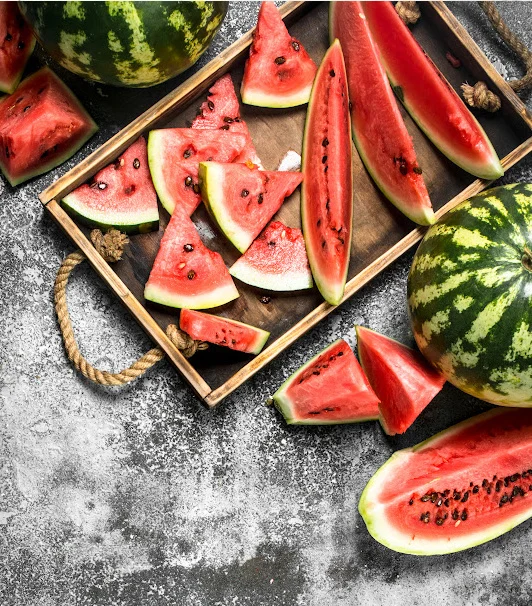
As summer temperatures rise and heat indices soar, the physiological demands on backyard poultry populations increase significantly. Maintaining optimal flock health during heat waves requires a multifaceted approach to hydration and nutrition. Among the various dietary supplements available to poultry keepers, watermelon has emerged as a scientifically supported, highly effective intervention for heat stress management. Beyond its role as a cooling agent, this common garden fruit provides a dense profile of micronutrients, antioxidants, and compounds that support long-term avian health, digestive function, and egg production quality.
The Physiology of Heat Stress in Poultry
Chickens lack sweat glands and rely primarily on panting and vasodilation—the widening of blood vessels in the comb and wattles—to dissipate body heat. When ambient temperatures exceed 85°F (29°C), the risk of heat exhaustion rises, potentially leading to reduced egg production, thinning of eggshells, and, in severe cases, mortality.
Dehydration is the primary catalyst for the decline in flock health during summer. Because chickens have a high metabolic rate, they require consistent access to water to regulate their internal temperature. Watermelon, which is comprised of approximately 92% water, serves as a dual-purpose tool. It provides immediate fluid intake while simultaneously delivering electrolytes such as potassium and magnesium, which are essential for maintaining proper cellular function and nerve conduction in poultry.

Nutritional Profile and Comparative Benefits
While watermelon is often viewed simply as a sugary treat, its nutritional density offers distinct advantages for avian physiology. The fruit contains significant levels of Vitamin A, which is crucial for immune system function and the maintenance of healthy respiratory membranes. Furthermore, the presence of Vitamin B6 and Vitamin C assists in mitigating the oxidative stress that birds experience during extreme heat.
One of the most notable components of watermelon is lycopene, a potent carotenoid. Research into avian nutrition indicates that the consumption of carotenoid-rich foods directly influences the pigmentation of egg yolks. For producers aiming for a deep, nutrient-dense orange yolk, the inclusion of lycopene-heavy foods like watermelon is a proven, natural method of dietary enrichment.
Additionally, the fruit contains cucurbitacin, a bitter chemical compound found in the Cucurbitaceae family—which includes cucumbers, squash, and melons. Traditional poultry husbandry has long utilized these plants as a natural deterrent against intestinal parasites. While not a substitute for veterinary-prescribed anthelmintics, the regular consumption of cucurbitacin-rich foods is considered a beneficial management practice for maintaining gut health and managing parasitic loads in a natural, non-toxic manner.
Chronology of Dietary Integration in Poultry Husbandry
The practice of feeding garden surplus to poultry is a historical tradition that predates modern commercial feed manufacturing. In the early 20th century, small-scale farmers recognized that supplementing grain diets with fresh produce during harvest seasons resulted in more resilient birds.

By the late 1990s and early 2000s, as the backyard chicken movement gained momentum in North and South America, the "treat" category of poultry nutrition became a subject of increased scrutiny. Experts, including poultry specialists and researchers, began to catalog which human foods were safe and beneficial. Watermelon rose to prominence in these studies due to its high water-to-sugar ratio, which made it safer than high-fructose fruits that could lead to obesity if fed in excess. By 2015, major agricultural extension programs began formally acknowledging the benefits of providing electrolyte-rich fruits during summer months, solidifying watermelon’s status as a recommended seasonal supplement.
Practical Application and Serving Methods
The versatility of watermelon as a feed supplement is a significant benefit for flock managers. From a logistical standpoint, the fruit requires minimal preparation. Standard practice involves slicing the melon into segments, which encourages natural foraging behaviors—a key aspect of poultry welfare.
For larger flocks or those experiencing extreme heat, some keepers employ advanced preparation methods, such as freezing segments or blending the flesh into "slushies." These methods serve to lower the core body temperature of the birds more effectively than room-temperature fruit. Regardless of the preparation, the rind and seeds are entirely safe for consumption. In fact, the fibrous nature of the rind provides a slow-release source of nutrients and keeps the flock occupied, which can reduce instances of feather pecking or aggression caused by boredom and confinement during hot weather.
Broader Implications for Sustainable Poultry Management
The shift toward more "natural" and supplement-heavy diets for backyard flocks represents a broader trend in sustainable agriculture. As consumers become more concerned with the welfare of the animals producing their food, the integration of nutrient-dense, locally sourced, or garden-grown supplements has become a hallmark of ethical poultry keeping.

The use of watermelon highlights a move away from reliance on synthetic supplements and toward a "food as medicine" approach. By utilizing the entire fruit—flesh, rind, and seeds—flock owners also contribute to the reduction of household food waste. This circular approach—where kitchen scraps and garden surpluses are redirected into the livestock supply chain—is a core tenet of permaculture and regenerative small-farm management.
Expert Analysis: Balancing Nutrition and Hydration
While the benefits of watermelon are well-documented, professional poultry nutritionists emphasize the necessity of moderation. Watermelon should be viewed as a supplemental snack rather than a primary food source. A balanced diet for a chicken must remain focused on high-quality layer feed to ensure the intake of necessary proteins, calcium, and amino acids.
Excessive consumption of low-calorie treats can lead to "diluted" nutrition, where a bird feels full from water-heavy fruit but misses out on the dense nutrients required for daily egg production. Therefore, the recommended practice is to offer watermelon during the hottest hours of the day—typically between 12:00 PM and 4:00 PM—as an auxiliary hydration method.
Furthermore, it is critical to ensure that the fruit is free from pesticides, mold, or signs of fermentation. While chickens have robust digestive systems, they are susceptible to mycotoxins, which can grow on decaying fruit. Always wash the exterior of the melon thoroughly before serving, especially if it was sourced from a commercial supplier that may use wax coatings or pesticides.

Future Perspectives
As climate patterns continue to fluctuate, resulting in more frequent and intense heat waves, the role of seasonal dietary adjustments will become increasingly important for the poultry industry. The use of watermelon is a simple, cost-effective, and highly accessible strategy that provides immediate relief to flocks.
When integrated into a comprehensive management plan—which includes proper ventilation, shade, and constant access to fresh, cool water—watermelon stands out as an essential tool for the modern backyard poultry enthusiast. By prioritizing the hydration needs of the birds through natural, antioxidant-rich sources, owners can ensure their flocks remain productive, healthy, and resilient in the face of environmental stressors. The continued study of such natural supplements promises to provide even deeper insights into how minor dietary interventions can produce significant long-term improvements in avian welfare.
