
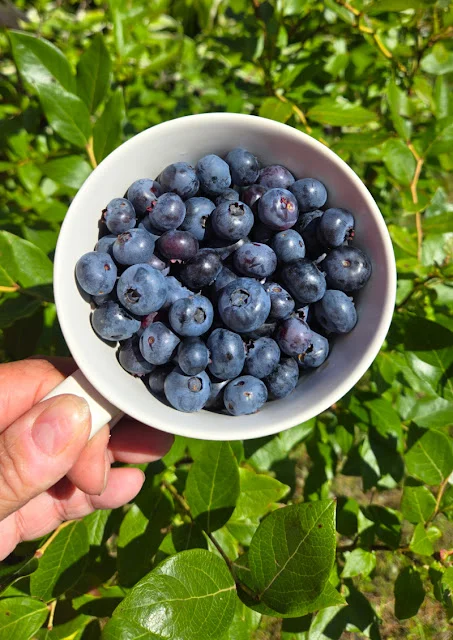
The inclusion of supplemental produce in the diets of backyard poultry has become a subject of increased focus among avian nutritionists and agricultural experts. As the popularity of backyard chicken keeping continues to rise globally—spurred by a desire for sustainable food sources and improved animal welfare—owners are increasingly looking for ways to optimize the health and longevity of their flocks. Among the diverse array of dietary supplements, the blueberry has emerged as a scientifically backed superfood capable of providing significant physiological benefits to domestic chickens.
Nutritional Profile and Biochemical Benefits
Blueberries, belonging to the genus Vaccinium, are dense with bioactive compounds that contribute to avian health. Research indicates that these berries are an excellent source of essential vitamins, particularly Vitamin C, which acts as a potent antioxidant, and Vitamin K, which is crucial for maintaining proper blood clotting mechanisms and bone health in poultry.

Beyond vitamins, the nutritional profile of the blueberry includes high concentrations of anthocyanins. These flavonoids are responsible for the fruit’s deep pigmentation and are well-documented for their anti-inflammatory properties. In poultry, chronic inflammation can lead to reduced egg production and impaired immune function; therefore, the intake of antioxidants helps mitigate cellular oxidative stress. Furthermore, blueberries provide essential minerals such as manganese and potassium, both of which are vital for enzyme function and electrolyte balance within the avian body.
Digestive Health and Microbiome Support
One of the most significant implications of incorporating blueberries into a chicken’s diet is the enhancement of gut health. Modern avian husbandry emphasizes the importance of the microbiome in overall health, as a significant portion of a chicken’s immune system is located in the gastrointestinal tract.
Blueberries contain natural prebiotics, which serve as a substrate for beneficial gut bacteria. By fostering a healthy environment for probiotics, these berries help optimize nutrient absorption and fortify the intestinal barrier against pathogens. This digestive support can be particularly beneficial during periods of environmental stress, such as extreme heat or seasonal transitions, when a bird’s metabolic and immune demands are highest.

Historical Context and Modern Husbandry Practices
Historically, the integration of fruit into poultry diets was often limited to whatever was available on the farmstead. However, the professionalization of the backyard chicken-keeping sector—led by experts such as Lisa Steele of Fresh Eggs Daily—has shifted the focus toward a more strategic, science-informed approach.
The movement toward "natural" poultry keeping encourages owners to view their flocks not merely as egg producers, but as animals that benefit from a diverse diet that mimics foraging patterns. In the wild, chickens are omnivores that consume a variety of berries, seeds, and insects. By introducing blueberries, owners are effectively replicating the complexity of a natural diet, which leads to improved cognitive function and behavioral well-being.
Safety Protocols and Feeding Guidelines
Despite the health benefits, agricultural guidelines dictate strict parameters regarding the administration of treats. The most critical directive from avian experts is the "10% rule." Treats, including blueberries, should never constitute more than 10% of a chicken’s total caloric intake. This ensures that the bird does not develop nutritional imbalances by filling up on fruit instead of their nutritionally balanced, formulated layer feed.

In terms of quantity, experts generally recommend a limit of one to two tablespoons per bird, per day. Excessive intake of fruit, due to its sugar content, can lead to obesity and metabolic complications. Furthermore, while chickens are efficient at consuming berries, there is a minor risk of choking, particularly in smaller breeds or younger pullets. To mitigate this, many producers recommend halving or quartering the berries, particularly when dealing with cultivars such as high-bush blueberries, which can be significantly larger than their low-bush counterparts.
Supporting Data and Scientific Analysis
The impact of a nutrient-dense diet on egg quality is a key area of study within poultry science. While specific longitudinal studies on blueberry consumption in chickens are ongoing, the correlation between high antioxidant intake and reduced oxidative stress in egg-laying hens is well-established. Chickens that receive a diet rich in antioxidants are often observed to have more stable egg-shell quality and a more robust immune response to common environmental pathogens.
The following data outlines the recommended dietary framework for a healthy flock:

- Optimal Treat Allocation: <10% of daily caloric intake.
- Frequency: 3–4 times per week is often cited as sufficient to provide benefits without compromising main feed consumption.
- Preparation: Optional slicing for safety; fresh or frozen (thawed) varieties are both acceptable.
Broader Implications for Sustainable Agriculture
The trend of utilizing supplemental foods like blueberries reflects a broader transition in consumer behavior. As more individuals adopt small-scale agriculture, the demand for information regarding "functional feeds" grows. The ability to source local, seasonal berries—whether they are wild-harvested or grown in a private garden—allows for a closed-loop system that reduces reliance on commercial supplements.
Furthermore, the integration of such practices promotes higher standards of animal welfare. Providing variety in a bird’s diet serves as a form of environmental enrichment, which is known to reduce instances of stress-related behaviors, such as feather pecking or aggression within the coop. By engaging in these informed feeding practices, keepers are not only improving the individual health of their birds but are also participating in a more conscientious and sustainable model of food production.
Summary of Best Practices
For the modern backyard chicken keeper, the inclusion of blueberries represents a low-risk, high-reward strategy for flock management. When integrated responsibly—with a clear understanding of portion control and dietary balance—these berries offer a pathway to enhanced immunity, better digestive function, and increased overall vitality.

However, it is incumbent upon the owner to maintain a comprehensive understanding of both safe and toxic foods. While blueberries are highly beneficial, the presence of toxic items in a garden—such as nightshades (in certain forms) or moldy food scraps—must be strictly avoided. Consistent education and the use of resources provided by established poultry associations remain the best tools for ensuring a productive and healthy flock.
In conclusion, while the humble blueberry may seem like a simple snack, its chemical composition offers profound advantages for avian physiology. As the field of backyard poultry science continues to evolve, the adoption of such evidence-based dietary additions will likely remain a cornerstone of successful, humane, and sustainable small-scale farming. By prioritizing the quality of input, keepers ensure that their flocks are not only surviving but thriving in a way that reflects the best practices of modern agricultural stewardship.
