
The bi-annual migration of billions of birds represents one of nature’s most awe-inspiring spectacles. Traversing thousands of kilometers across continents and oceans, these avian travelers link distant ecosystems, binding the planet’s ecological health together. However, a comprehensive new assessment released by BirdLife International—the State of the World’s Birds report—paints a profoundly alarming picture of this global phenomenon. Out of more than 2,000 recognized migratory bird species worldwide, an astonishing 45 percent are currently experiencing population declines.
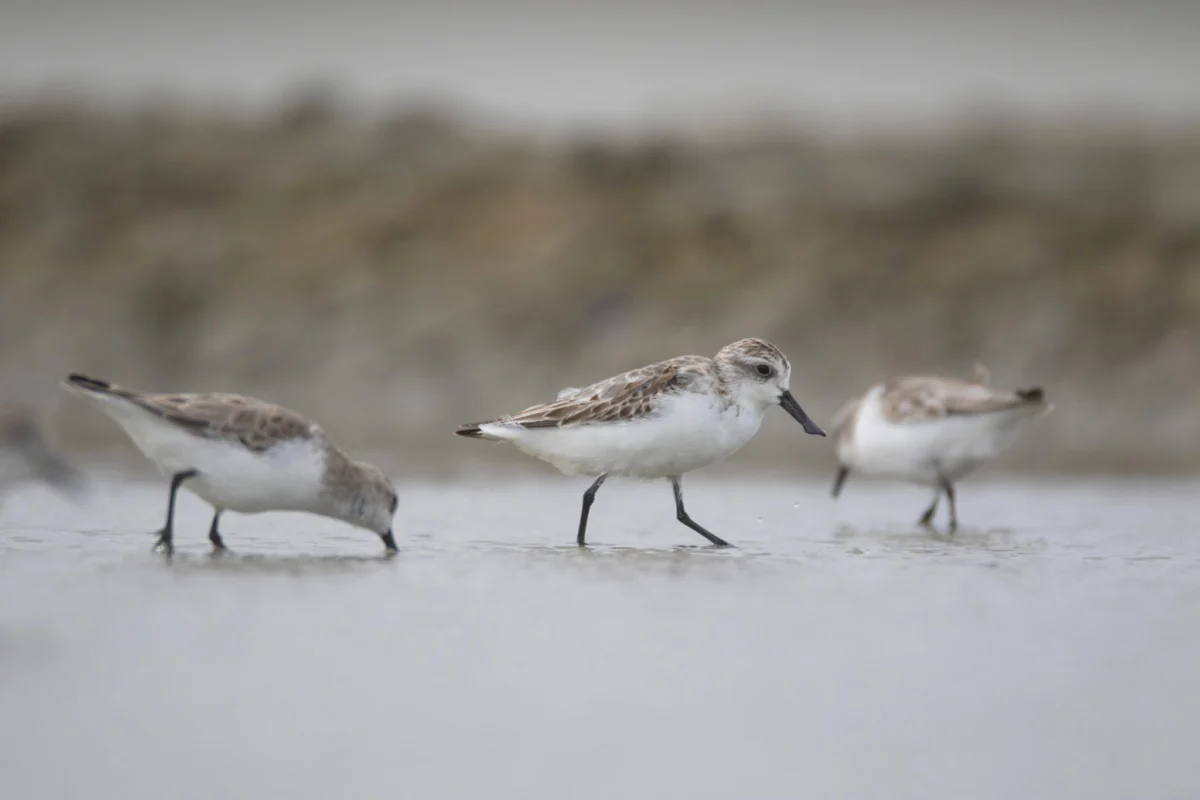
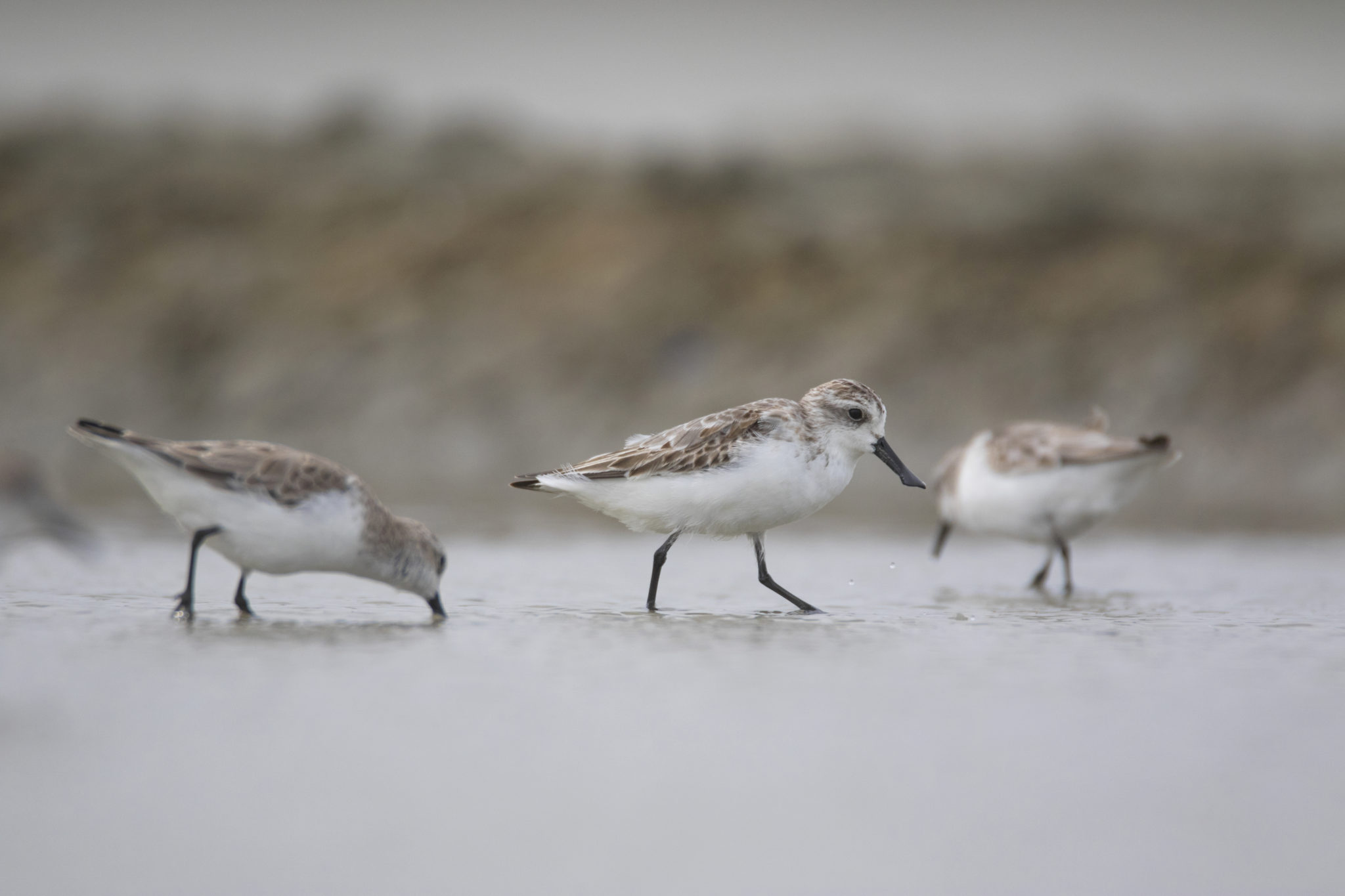
The crisis is most acute among migratory shorebirds, a specialized group of coastal and wetland dwellers facing a staggering 54 percent decline. These figures underscore a broader, systemic failure to protect the interconnected ecological networks that support life on Earth. Compounding these downward trends is the grim reality of recent extinctions. Last year, the scientific community and conservationists mourned the official extinction declaration of the migratory slender-billed curlew, a poignant reminder that human-driven environmental pressures are permanently erasing biodiversity.
This loss is far from an isolated incident. Globally, approximately 11 percent of all migratory bird species are currently threatened with extinction. Over the past century and a half, at least seven distinct migratory bird species have been confirmed or strongly suspected to have vanished entirely. As populations dwindle, conservation scientists warn that the ecological safety net provided by these species is unravelling, carrying severe implications for global environmental stability and human well-being.
Chronology of a Crisis: Decades of Mounting Pressures
Understanding the current predicament of migratory birds requires examining the historical trajectory of human interaction with the natural world. For centuries, industrialization, agricultural expansion, and urban development have progressively encroached upon natural habitats.
In the late 20th century, international conservation bodies began noticing systematic drops in shorebird and waterbird counts along major global flyways. By the early 2000s, localized declines had transformed into a synchronized global trend. The formal identification of widespread drops in avian populations prompted international treaties, such as the Ramsar Convention on Wetlands and the Convention on the Conservation of Migratory Species of Wild Animals (CMS), to ramp up monitoring efforts.
Despite these policy frameworks, degradation accelerated in the 21st century. The tipping point for several vulnerable species arrived in the 2010s and 2020s, marked by the rapid conversion of tidal mudflats in East Asia and the intensification of climate change impacts in Arctic breeding grounds. The culmination of these decades of neglect was realized with the formal extinction of the slender-billed curlew, a historic milestone that shifted the conservation discourse from passive monitoring to urgent triage.
Anatomy of Decline: The Drivers of Avian Loss
The root causes behind the mass reduction of migratory bird numbers are thoroughly documented, systemic, and entirely anthropogenic. Chief among these drivers are habitat loss, unbridled climate change, widespread environmental pollution, and unsustainable infrastructure development.
Migratory birds rely on a pristine chain of stopover sites to complete their journeys. When links in this chain are broken—through land reclamation, industrial development, or agricultural conversion—birds arrive at their destinations exhausted, starving, and unable to breed successfully. Climate change further exacerbates these pressures by altering seasonal cues, causing mismatches between the arrival of migratory birds and the peak abundance of the insects or plant matter they require for nourishment.
Furthermore, chemical pollution, including agricultural pesticides and heavy metals bioaccumulating in aquatic food webs, weakens immune systems and reduces reproductive success. Illegal hunting and trapping along major flyways continue to claim millions of birds annually, compounding the pressures of habitat destruction.
The Ecological Role of Migratory Birds
The disappearance of migratory birds is not merely an aesthetic loss; it poses a direct threat to the functioning of global ecosystems. Migratory species act as vital ecosystem regulators. As they traverse borders and biomes, they disperse seeds across vast distances, control agricultural insect populations, and cycle vital nutrients between terrestrial, aquatic, and marine environments.
The disruption of these natural processes triggers a cascading effect throughout global food webs. For instance, the loss of insectivorous birds can lead to agricultural pest outbreaks, requiring higher applications of synthetic pesticides that further degrade surrounding ecosystems. Because birds possess high metabolic rates and occupy high trophic levels, they serve as sensitive bioindicators of environmental health. Their declining populations function as a canary in the coal mine, signaling that the fundamental life-support systems of the planet are under severe strain.
Wetlands: The Lifelines Under Threat
At the core of the migratory bird crisis is the systemic degradation and destruction of wetlands. The vast majority of migratory species depend on wetlands—including coastal mudflats, estuaries, rivers, lakes, and peatlands—to sustain their arduous intercontinental journeys. These habitats function as essential service stations, providing the food, shelter, and refuge necessary for birds to refuel and complete their migrations.
Major international flyways illustrate this critical dependency. The East Atlantic Flyway, which stretches from the breeding grounds of the Arctic down to the southern tip of Africa, supports millions of birds, including the critically endangered spoon-billed sandpiper. Similarly, the East Asian-Australasian Flyway spans 22 countries and sustains approximately 50 million migratory waterbirds representing more than 210 distinct species. Along this route, the destruction or alteration of a single mudflat system in China can strand thousands of migrating Red Knots, depriving them of the nutrition required to reach their Arctic breeding grounds. In Central Asia and Mongolia, fragile peatlands remain indispensable for the survival of the threatened Siberian Crane.
Despite their irreplaceable ecological value, wetlands remain among the most undervalued and heavily persecuted ecosystems on Earth. Public policy and industrial planning frequently treat rivers as industrial discharge pipes, lakes as expendable reservoirs to be pumped dry, and coastal wetlands as wasastelands ripe for land reclamation. According to baseline assessments from the Global Wetland Outlook, the world has lost approximately 22 percent of its remaining wetlands since 1970 alone. This destruction continues unabated through draining, damming, dredging, and systemic degradation.
Official Responses and Conservation Imperatives
International conservation organizations and environmental leaders have responded to the accelerating biodiversity crisis with urgent calls for systemic policy reform and targeted habitat restoration. Coenraad Krijger, CEO of Wetlands International, emphasized the gravity of the situation following the confirmation of the slender-billed curlew’s extinction.
"This loss of the Slender-billed Curlew is another deafening wake-up call," Krijger stated. "We must urgently accelerate efforts to save the world’s migratory waterbirds and the wetlands they depend on before more species join the lengthening list of those that are gone for good."
Conservation agencies, including Wetlands International, are actively deploying science-based interventions across multiple global flyways. These initiatives focus on restoring degraded wetlands, legally protecting intact hydrological networks, and gathering empirical data to inform policy decisions. However, experts stress that localized conservation projects cannot succeed without broader systemic changes. Governments must integrate biodiversity considerations into national infrastructure planning, enforce stricter water management policies, and commit to aggressive climate mitigation targets.
The Impending Choice for Global Policymakers
The ongoing collapse of migratory bird populations serves as a definitive test of global environmental governance. Because these species ignore human political borders, their preservation requires unprecedented international cooperation among governments, indigenous communities, private industries, and scientific institutions.
Without a fundamental shift in how human societies value and manage land and water resources, the downward trajectory of migratory birds will likely accelerate, pulling down countless other dependent species and degrading the natural infrastructure upon which human societies rely. Protecting wetlands and safeguarding flyways is no longer merely an act of wildlife conservation; it is an essential investment in the long-term resilience and stability of the global environment.
