
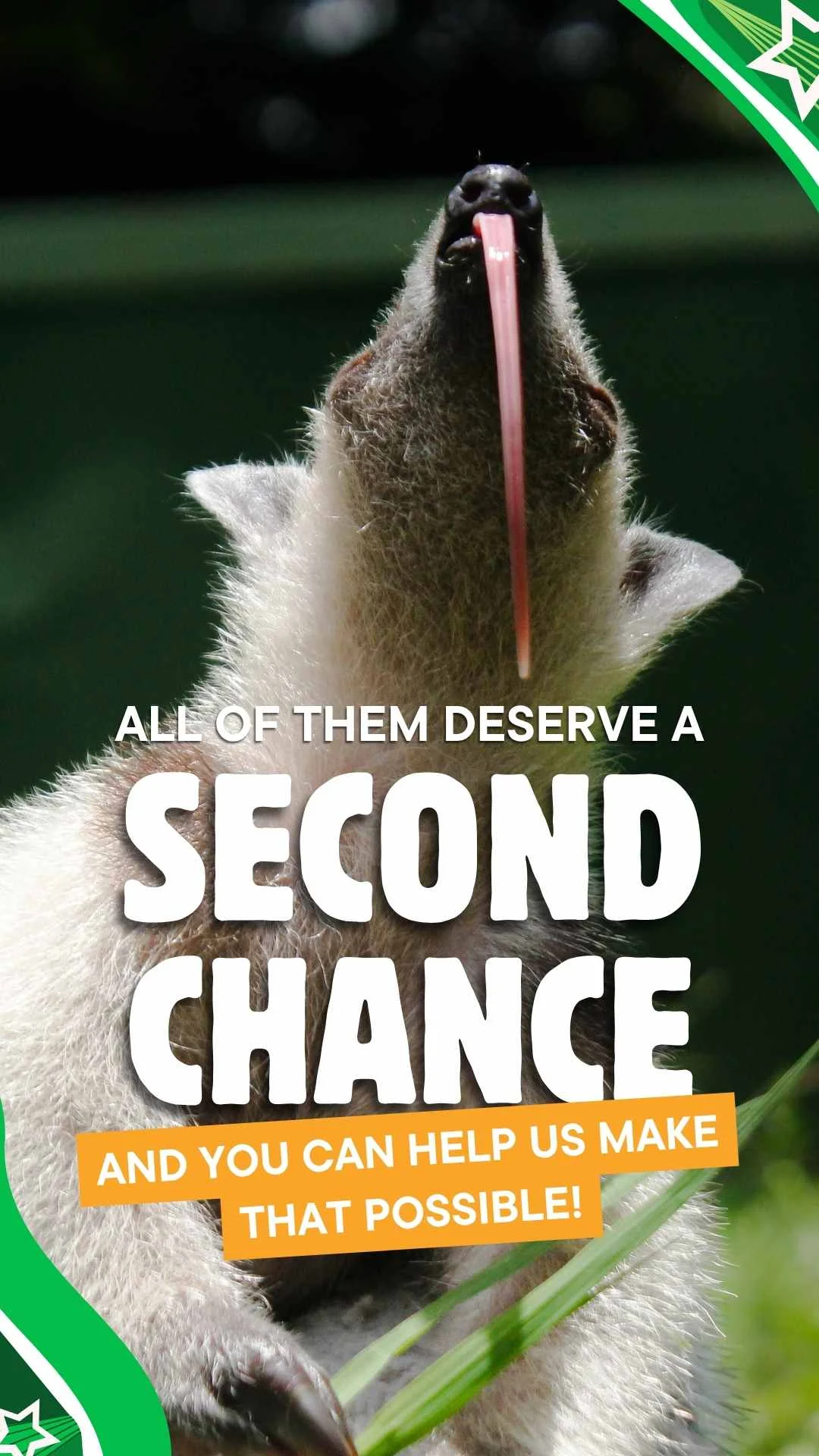
As the international football calendar builds toward its most anticipated global tournaments, sports enthusiasts worldwide are preparing for weeks of high-stakes competition, tactical analysis, and national pride. While Costa Rica’s national team may not be stepping onto the pitch for this year’s World Cup, the country’s rich biodiversity and frontline conservationists are ensuring that the spirit of teamwork remains alive. The Toucan Rescue Ranch (TRR), a globally recognized wildlife sanctuary based in Heredia, Costa Rica, has launched an innovative fundraising and engagement initiative titled "Goals for Wildlife." This campaign uniquely bridges the gap between the global passion for association football and the urgent, everyday realities of wildlife conservation, rehabilitation, and animal welfare.
The Intersection of Sports and Conservation
The conceptual framework of "Goals for Wildlife" relies on a simple yet effective premise: transforming recreational sports predictions into tangible philanthropic impact. Conservation organizations face perpetual financial hurdles, requiring steady streams of funding to cover the high costs of specialized veterinary care, surgical procedures, pharmacological treatments, species-appropriate nutrition, and large-scale habitat enrichment enclosures. Traditional fundraising appeals, while necessary, often struggle to capture the attention of broader, non-traditional audiences. By tying donations to a global sporting event—an arena defined by collective participation, friendly rivalry, and predictive excitement—the Toucan Rescue Ranch has created a dynamic ecosystem of giving.
Much like a professional football squad depends on structural coordination, strategic foresight, and unwavering dedication among players, coaches, and staff, wildlife rehabilitation is fundamentally a collective endeavor. At facilities like the Toucan Rescue Ranch, veterinarians, biological researchers, animal caretakers, and international volunteers operate as an interdependent unit. Every rescued sloth, toucan, owl, monkey, and wildcat that enters the facility requires a multidisciplinary approach to ensure its physiological and psychological recovery. "Goals for Wildlife" externalizes this teamwork, inviting global supporters to become active roster members in a virtual tournament where the ultimate prize is the preservation of vulnerable ecosystems.
How the Campaign Operates: A Step-by-Step Mechanism
Participation in the "Goals for Wildlife" challenge is structured to be both accessible and engaging for football fans and conservationists alike. The initiative is divided into three primary phases designed to maintain engagement throughout the duration of the associated football tournament.
Step 1: Entering the Challenge via Direct Support
The entry point for participants begins on the official campaign portal hosted on MightyCause. By making a designated financial contribution through the platform, individuals officially register for the competition. These funds bypass administrative bottlenecks, flowing directly into the operational budgets required to sustain daily rescue, rehabilitation, and release protocols at the Toucan Rescue Ranch.
Step 2: Roster Assignment to Wildlife Teams
Upon completing the registration donation, participants are randomly assigned to one of six distinct "Wildlife Teams." Each team represents a specific native Costa Rican species currently under the care of the ranch. This gamified approach fosters a sense of personal connection and identity among participants, who quickly rally around their assigned fauna—whether it be arboreal mammals, raptors, or rainforest predators.
Step 3: Submitting Tournament Predictions
Throughout the duration of the football tournament, registered participants are required to complete regular prediction forms. These forms involve forecasting match scores, group stage outcomes, and knockout bracket progressions. Accuracy in these predictions yields points, adding a layer of strategic gameplay that mirrors the analytical dedication of seasoned sports pundits.
Scoring Mechanics: Balancing Analytical Skill with Philanthropic Impact
To ensure that the competition remains fair, dynamic, and impactful, "Goals for Wildlife" utilizes a dual-scoring system. Teams accumulate points through two distinct mechanisms: Match Predictions and Financial Contributions.
+--------------------------------------------------------------------------+
|                       DUAL-SCORING MECHANISM                             |
+------------------------------------+-------------------------------------+
|         MATCH PREDICTIONS          |              DONATIONS              |
+------------------------------------+-------------------------------------+
| • Points awarded for accurate      | • Financial contributions translate |
|   match forecasts and bracket      |   into direct support for animal    |
|   success.                         |   rehabilitation.                   |
| • Encourages active engagement     | • Scales up the impact of species-  |
|   with the tournament timeline.    |   specific conservation funds.      |
+------------------------------------+-------------------------------------+
This dual-track approach ensures that success in the competition is not solely dependent on a participant’s football forecasting abilities. While accurate predictions drive a team up the tournament leaderboard, additional donations provide the immediate economic backing required for emergency veterinary interventions. Every goal correctly predicted brings a participant’s wildlife team closer to the top of the standings, while every financial contribution equips caretakers with the resources needed to nurse injured animals back to health.
Financial Allocation and Direct Conservation Impact
The funds generated through "Goals for Wildlife" are earmarked for comprehensive wildlife management protocols administered by the Toucan Rescue Ranch. The economic realities of wildlife rescue in Mesoamerica are complex, driven largely by anthropogenic pressures such as deforestation, illegal wildlife trafficking, vehicle strikes, and electrocutions from unsecured power lines.
When an animal is admitted to the ranch, it typically undergoes an exhaustive intake evaluation. Veterinary teams conduct blood panels, X-rays, and physical examinations to assess trauma severity. Specialized nutrition programs must be meticulously formulated for each species; an orphaned infant sloth requires an entirely different nutritional and behavioral development protocol than a fledgling toucan or an injured kinkajou.

Furthermore, rehabilitation is not merely about physical healing; it is about behavioral preparation. Animals destined for reintegration into the wild must retain their natural aversions to humans, develop foraging skills, and navigate complex arboreal or terrestrial environments safely. Funds raised via the campaign directly subsidize the construction of pre-release conditioning enclosures, specialized medical supplies, and round-the-clock intensive care unit (ICU) monitoring for critical patients.
Incentivizing Participation: Tournament Prizes
While the intrinsic reward of supporting biodiversity preservation serves as the primary motivator for most participants, the "Goals for Wildlife" campaign introduces a competitive incentive structure. The initiative features tiered prizes for the winning teams, recognizing both predictive accuracy and fundraising excellence at the conclusion of the tournament.
- First Place (Wildlife Champion): Reserved for the top-performing team based on the combined metrics of prediction accuracy and associated fundraising support. Members of this team receive recognition and specialized rewards tied to Costa Rican conservation efforts.
- Second Place: Acknowledges the runner-up team for exceptional performance throughout the tournament brackets.
- Third Place: Honors the third-tier team for consistent engagement and contribution volume.
Despite the appeal of the prize packages, organizers emphasize that the true victory of the campaign lies off the leaderboard. Every point scored and every dollar raised translates directly into extended lifespans, successful soft-releases, and heightened public awareness regarding the fragility of Neotropical ecosystems.
Background Context: The Role of Toucan Rescue Ranch in Costa Rican Biodiversity
To fully comprehend the significance of initiatives like "Goals for Wildlife," one must examine the broader ecological landscape of Costa Rica. Famed globally for its progressive environmental policies, ecotourism infrastructure, and ambitious carbon-neutrality goals, Costa Rica harbors approximately 5% of the world’s biodiversity despite occupying a mere 0.03% of the planet’s surface area.
However, this rich biodiversity exists in constant friction with rapid urban development, agricultural expansion, and infrastructural growth. The Toucan Rescue Ranch has operated for decades as a vital safety net within this ecosystem. Acting as a bridge between rescue operations and academic research, the ranch collaborates closely with Costa Rica’s Ministry of Environment and Energy (MINAE) to ensure that rescued fauna receive standardized, legally compliant, and scientifically sound medical treatment.
As habitats become increasingly fragmented, wildlife rescue centers are forced to shoulder a heavier burden. Facilities are perpetually operating near or at capacity, making creative fundraising campaigns like "Goals for Wildlife" essential components of long-term financial sustainability. By engaging international audiences who may never visit Central America physically, the ranch builds a global constituency of digital stewards committed to long-term conservation advocacy.
Broader Implications and Future Outlook of Gamified Conservation
The deployment of gamification within the non-profit and conservation sectors represents a rapidly growing trend in modern philanthropy. Traditional donation fatigue—where potential donors become desensitized to standard emergency appeals—has forced charitable organizations to rethink how they present causes to the public.
By embedding conservation into widely watched global events, such as international football tournaments, environmental organizations can tap into existing pools of collective enthusiasm. Fans who spend weeks analyzing team formations, player statistics, and match outcomes find in "Goals for Wildlife" an outlet that channels their competitive drive into a constructive, real-world application.
This model offers several key advantages for modern NGOs:
- Audience Diversification: It reaches demographics—particularly sports enthusiasts—that might not otherwise engage with direct-mail or traditional conservation campaigns.
- Sustained Engagement: Unlike one-off donation drives that experience a brief spike followed by a steep drop-off, a tournament-long prediction challenge maintains continuous interaction over several weeks.
- Community Building: Random team assignments and leaderboards create organic, interactive communities where participants discuss both football matches and the welfare of the specific animals their teams represent.
As the "Goals for Wildlife" campaign unfolds alongside the football calendar, it stands as a testament to the adaptability of modern conservation strategies. By fusing the universal language of sports with the urgent demands of wildlife preservation, the initiative proves that passion on the pitch can successfully translate into protection in the rainforest.
Participants in the challenge are ultimately reminded that whether a football team lifts a trophy or is eliminated in the group stages, the conservation of the natural world requires continuous, coordinated effort. Through informed predictions, generous contributions, and global solidarity, supporters ensure that vulnerable wildlife species retain a fighting chance at survival—proving that in the game of conservation, everyone has the potential to be a champion.
