
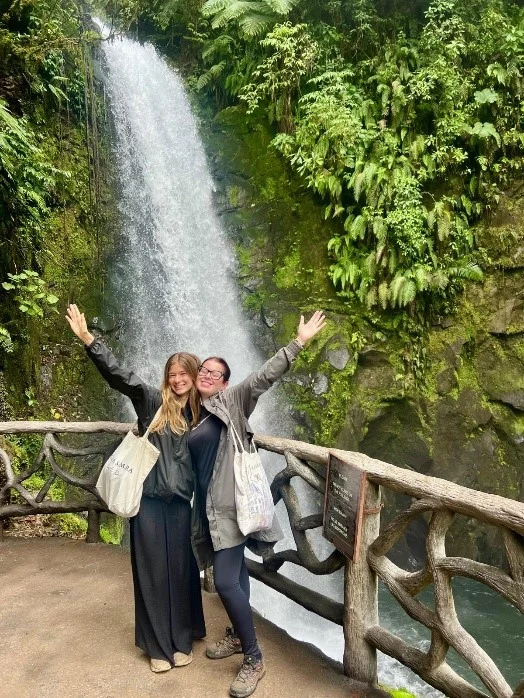
The global movement toward wildlife conservation and habitat preservation has increasingly relied on international volunteers to sustain day-to-day operations at rescue and rehabilitation facilities. Among these institutions, the Toucan Rescue Ranch (TRR), situated in the biodiverse landscape of Costa Rica, stands as a prominent model for avian and mammalian rescue, medical rehabilitation, and eventual release back into the wild. For international participants, contributing to such organizations offers a profound immersion into environmental science and tropical zoology. In recent months, the facility welcomed Kim Schafroth, a communications student from Switzerland, who dedicated two months to supporting both the Animal Care Team and the Marketing Team. Her tenure provides a detailed view of the operational demands, community dynamics, and educational frameworks that define wildlife rescue operations in Central America.
Operational Realities and Daily Chronology at the Sanctuary
The daily routine at the Toucan Rescue Ranch begins well before sunrise, underscoring the rigorous discipline required to manage dozens of displaced, injured, or orphaned wild animals. Operations commence precisely at 7:00 a.m. with an inter-departmental briefing. Staff members, interns, and international volunteers review medical updates, assess overnight emergencies, and delegate responsibilities for the upcoming shift.
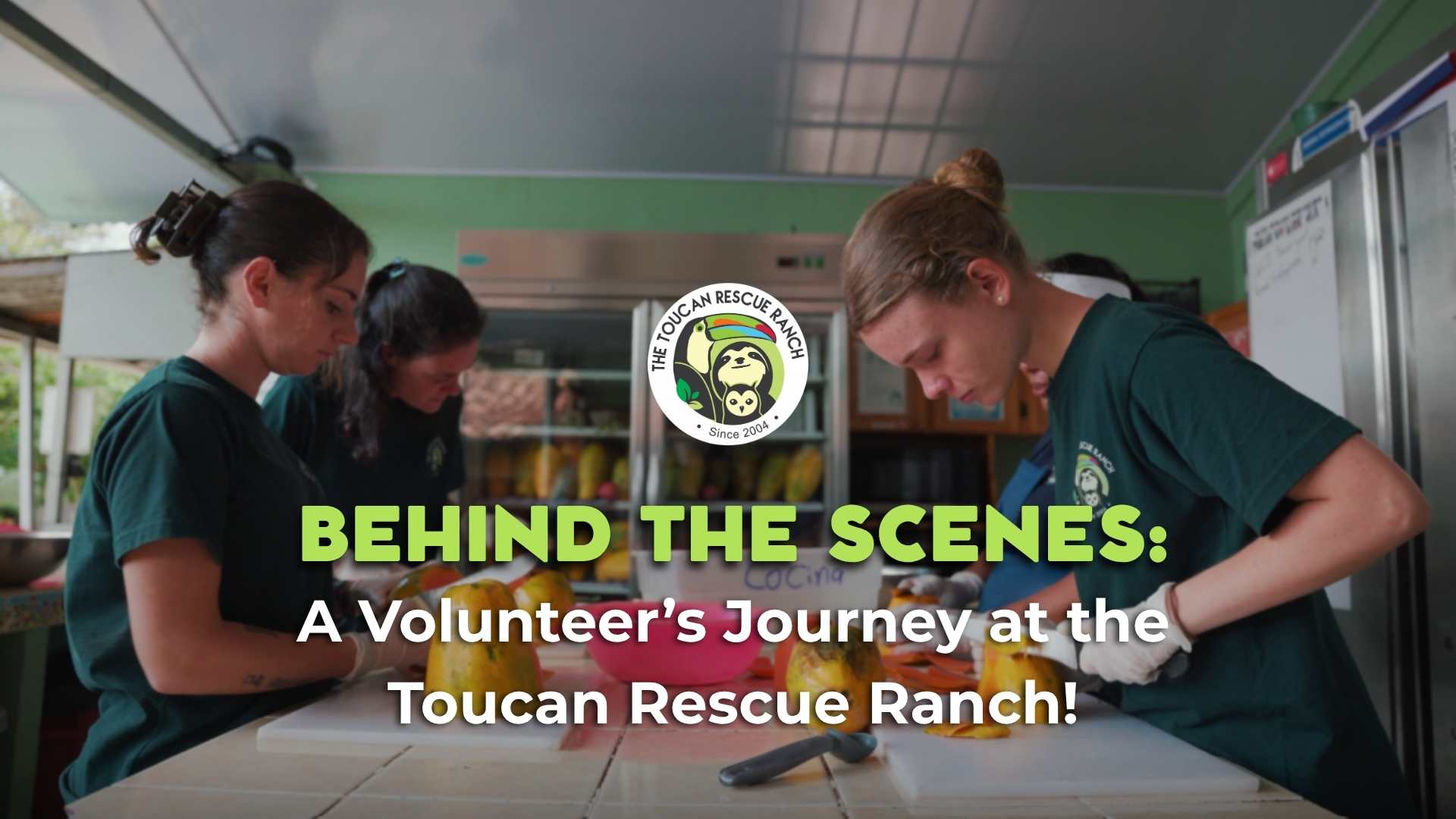
Following the morning assembly, the workforce divides to tackle high-priority tasks in food preparation and enclosure maintenance. One faction reports to the main kitchen to chop and portion fresh, species-specific produce, while the other cleans water trays and sanitizes enclosures for resident birds that have found a permanent home at the sanctuary due to non-releasable injuries. The dietary regimens are meticulously calculated; for instance, primates and grisons receive diverse, colorful assortments of vegetables and fruits designed to replicate their natural nutrient intake, while seed- and papaya-based diets are prepared for resident parrots and toucans.
The morning momentum carries the team through a second wave of animal husbandry tasks. Mammals such as Emma, an resident otter, receive scheduled feedings, often engaging in natural behaviors like carrying trout to nearby pools for enrichment. Mid-morning routines also involve the crafting of behavioral enrichment items—such as banana-leaf tamales for mammals and frozen fruit juice blocks for cooling during peak tropical temperatures—to stimulate cognitive and physical engagement among the animal population.
Afternoon protocols transition to the care of nocturnal species, including kinkajous, porcupines, and pacas, which emerge during daylight hours for early feedings. The day concludes with targeted enclosure sanitation and raptor feeding protocols before volunteers transition to their off-hours quarters.
The Volunteer Living Infrastructure and Community Integration
Managing a steady influx of international volunteers requires a structured residential infrastructure capable of fostering both professional development and communal well-being. Located a short two-minute walk from the ranch’s primary headquarters, the volunteer residence serves as the social and domestic hub for participants.
Structured across two levels, the facility accommodates diverse living arrangements. The ground floor features a communal dorm with three bunk beds, a private single-occupancy room, two shared bathrooms, a central kitchen, and a communal living area. The upper floor houses additional quarters tailored for long-term interns, featuring accommodations for up to nine individuals alongside dedicated sanitation facilities.
This communal living arrangement plays a critical role in bridging cultural divides among participants arriving from Europe, North America, and beyond. Transitioning into a communal environment requires adherence to shared domestic responsibilities and respect for communal spaces. According to returning participants, the collaborative cooking, evening debriefs, and shared recreational excursions to nearby San José—including visits to local cultural districts and markets—strengthen team cohesion and emotional resilience, which are vital for individuals managing the often emotionally taxing realities of wildlife rescue.
Cross-Disciplinary Engagement: Bridging Animal Care and Communications
While direct animal husbandry forms the backbone of sanctuary labor, modern conservation organizations increasingly recognize the necessity of professional communications and public advocacy. Schafroth’s tenure at the Toucan Rescue Ranch exemplifies a hybrid volunteer model, where participants transition from fieldwork to administrative and educational outreach based on their academic backgrounds and institutional needs.
During the initial phase of her deployment, Schafroth operated strictly within the Animal Care Team, acquiring foundational knowledge regarding tropical species identification, nutritional science, and behavioral observation. Working directly with vulnerable wildlife mandates strict adherence to safety protocols; volunteers are consistently trained to recognize individual animal personalities while maintaining professional boundaries to prevent habituation, reinforcing the principle that sanctuary residents remain wild animals.
In her final month, Schafroth transitioned to the Marketing Team, leveraging her academic studies in communications to support public relations, digital media documentation, and educational campaigns. This dual-track engagement highlights a broader industry trend: rescue centers require not only veterinary and husbandry personnel, but also skilled communicators capable of translating complex conservation narratives into engaging public content that drives fundraising, policy awareness, and volunteer recruitment.
Broader Impact and Implications for Global Conservation
The integration of international volunteers into Costa Rican conservation frameworks yields mutual benefits for both the host institutions and the visiting participants. For facilities like the Toucan Rescue Ranch, volunteer labor significantly reduces operational overhead, allowing limited financial resources to be redirected toward veterinary medicine, surgical equipment, and habitat expansion. Furthermore, international volunteers act as global ambassadors upon returning to their home countries, spreading awareness regarding the illegal wildlife trade, habitat fragmentation, and the importance of responsible eco-tourism.
From an academic and professional standpoint, immersive programs provide students of zoology, veterinary science, and communications with tangible, hands-on experience that cannot be replicated in traditional classroom settings. By combining rigorous field routines with formal educational lectures led by the ranch’s veterinary division, participants gain a comprehensive understanding of the multifaceted challenges facing Neotropical wildlife.
As anthropogenic pressures on natural habitats continue to mount across Central America, facilities specializing in rescue, rehabilitation, and release remain a critical line of defense for regional biodiversity. The contributions of short- and long-term volunteers ensure these institutions can maintain their rigorous standards of care, proving that grassroots international collaboration remains an indispensable pillar of modern wildlife conservation.
