

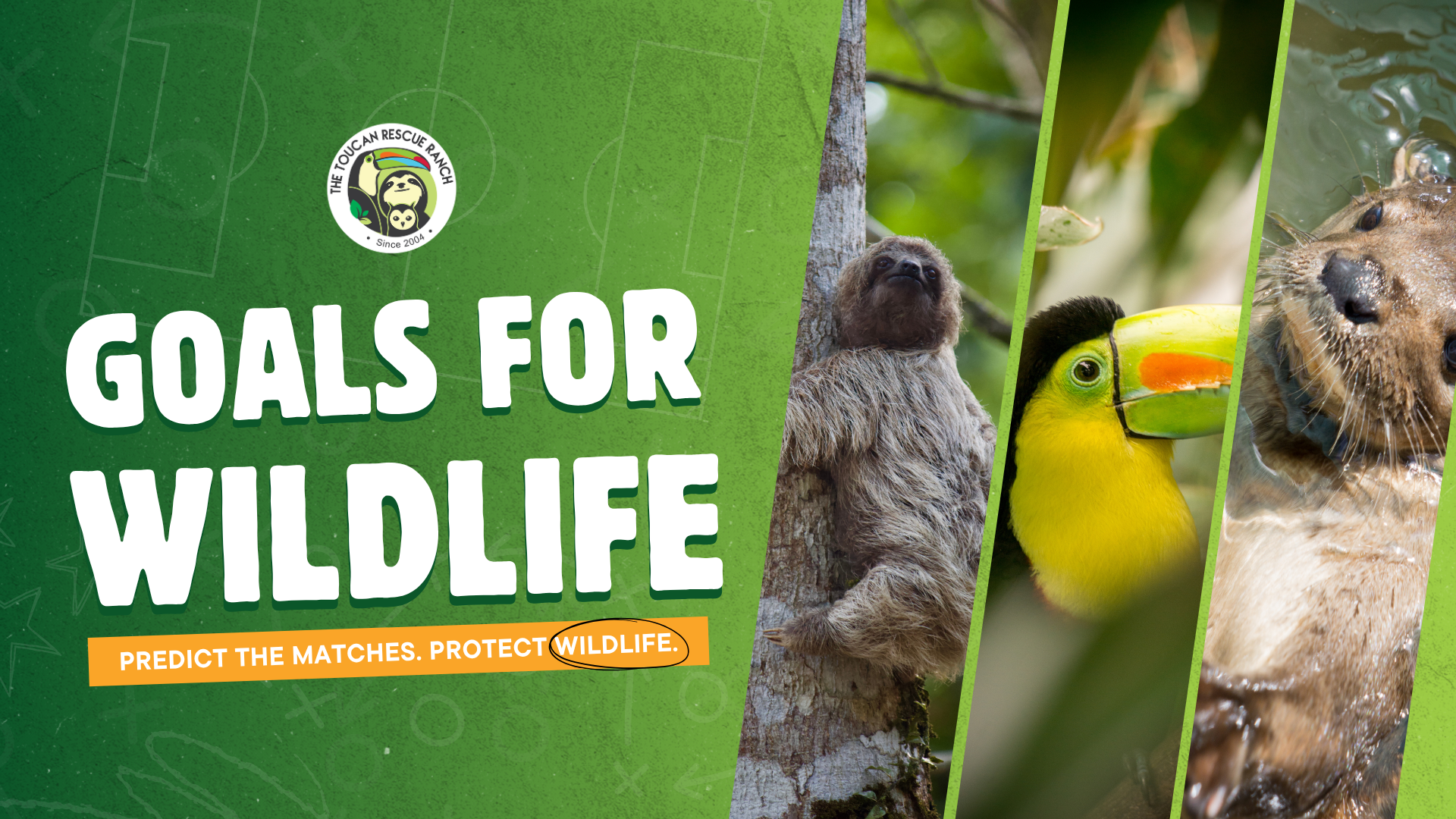
The Toucan Rescue Ranch (TRR), a prominent wildlife rescue and rehabilitation center based in Costa Rica, has officially launched its "Goals for Wildlife" campaign, a strategic philanthropic initiative designed to harness the global fervor surrounding the World Cup to support ecological preservation. While the Costa Rican national football team may not be participating in the current tournament cycle, the organization is positioning its resident wildlife as the ultimate contenders in a high-stakes effort to secure funding for emergency veterinary care, specialized nutrition, and habitat restoration. By integrating the mechanics of sports betting and match prediction with charitable giving, TRR aims to create a sustainable model for community engagement that transcends traditional fundraising boundaries.
The initiative comes at a critical juncture for Central American conservation. As biodiversity faces increasing threats from habitat fragmentation, climate change, and human-wildlife conflict, non-profit organizations are seeking innovative ways to bridge the funding gap. "Goals for Wildlife" operates on the premise that the collective energy of sports fans can be redirected toward tangible environmental outcomes. Through a structured, interactive platform, participants are invited to predict match results throughout the tournament, with their success directly tied to the well-being of some of Costa Rica’s most vulnerable species.
Operational Framework of the Goals for Wildlife Challenge
The "Goals for Wildlife" campaign is hosted on the MightyCause platform, a digital infrastructure designed for non-profit fundraising. The program is structured as a multi-stage competition that mirrors the progression of a professional football tournament. To participate, individuals must follow a three-step process designed to ensure both engagement and financial support for the ranch’s mission.
The first phase involves a mandatory donation through the official campaign portal. This entry fee serves as the foundational contribution to the rescue ranch’s general operating fund, which covers the daily costs of maintaining a high-capacity wildlife hospital. Once a donation is processed, participants enter the second phase: random assignment to one of six "Wildlife Teams." These teams represent the core species categories under the care of the Toucan Rescue Ranch, including sloths, toucans, owls, and other keystone species of the Costa Rican rainforest.
The third phase is the active competition, where participants submit prediction forms for upcoming tournament matches. The scoring system is bifurcated, rewarding both the accuracy of football predictions and the volume of donations directed toward a specific wildlife team. This dual-track approach ensures that even those with limited knowledge of football can contribute significantly to their team’s standing through direct financial advocacy.
The Six Wildlife Teams: Symbols of Biodiversity
While the specific roster of animals is randomly assigned to participants, the teams represent the diverse biological heritage of Costa Rica. Each team is led by a "captain"—a high-profile rescue animal currently undergoing rehabilitation at the ranch.
- Team Sloth: Representing both the two-toed and three-toed varieties, this team highlights the "Saving Sloths Together" program. Sloths are frequently admitted to the ranch due to power line electrocutions and dog attacks.
- Team Toucan: As the namesake of the organization, this team focuses on the avian residents that require specialized beak repairs and nutritional support.
- Team Owl: Representing the nocturnal predators of the forest, these birds often arrive with wing fractures or head trauma resulting from vehicular collisions.
- Team Otter: Focusing on aquatic conservation, this team sheds light on the challenges facing river ecosystems in Central America.
- Team Wildcat: Including ocelots and oncillas, this group represents the apex predators that require large, enriched enclosures to maintain their hunting instincts.
- Team Psittacine: Comprising macaws and parrots, this team emphasizes the fight against the illegal pet trade and the importance of reforestation.
By categorizing participants into these groups, the Toucan Rescue Ranch fosters a sense of tribalism and healthy competition that mimics the atmosphere of a football stadium, thereby increasing the likelihood of repeat donations and sustained interest throughout the tournament.
Financial Allocations and Conservation Impact
The funds generated through "Goals for Wildlife" are earmarked for specific, high-priority areas of wildlife management. Rehabilitation is a resource-intensive process that requires a multidisciplinary team of experts. According to data provided by the ranch, the cost of specialized neonatal formula for a single orphaned sloth can exceed several hundred dollars per month, while complex orthopedic surgeries for injured raptors require state-of-the-art medical equipment and anesthesia.
A significant portion of the proceeds will be directed toward the ranch’s "Release Site" in Sarapiquí. This facility serves as a halfway house for animals that have completed their initial medical treatment and are being prepared for reintegration into the wild. The rewilding process involves "soft releases," where animals are monitored in large forest enclosures to ensure they can forage and defend themselves before the final gates are opened.
Furthermore, the campaign supports habitat enrichment programs. For animals that cannot be released due to permanent disabilities—such as the loss of a limb or impaired vision—the ranch provides lifetime sanctuary. This requires the constant construction and maintenance of enclosures that replicate the natural environment, complete with native flora and complex climbing structures to ensure psychological well-being.
The Role of Gamification in Modern Philanthropy
The "Goals for Wildlife" campaign is a prime example of "gamification," a trend in the non-profit sector where game-design elements are used in non-game contexts to improve user engagement. By introducing leaderboards, team assignments, and prizes, the Toucan Rescue Ranch is tapping into the psychological drivers of competition and social belonging.
Market analysis suggests that younger demographics, particularly Millennials and Gen Z, are more likely to support organizations that offer interactive and transparent giving experiences. The prediction aspect of the campaign provides a "hook" that keeps the donor returning to the site, checking scores, and engaging with the ranch’s social media updates. This sustained interaction is far more valuable than a one-time "drop-in" donation, as it builds long-term brand loyalty and educates the public on the complexities of wildlife conservation.
Official Responses and Organizational Vision
Spokespersons for the Toucan Rescue Ranch have emphasized that while the campaign is lighthearted in its presentation, the stakes are profoundly serious. "Wildlife rehabilitation is a collective effort," the organization stated in a recent briefing. "Just like a football team relies on strategy, teamwork, and dedication, our veterinarians, volunteers, and supporters work in unison to give these animals a second chance. This campaign is an invitation for the public to join that team."
The ranch has also noted that the prizes for the winning teams—ranging from "Wildlife Champion" status to exclusive merchandise and virtual tours—are intended to honor the dedication of the donors. However, the organization maintains that the "greatest reward" remains the successful release of a rehabilitated animal back into its natural habitat.
Chronology of the Tournament and Campaign Milestones
The campaign is designed to run in tandem with the international football calendar. The "Kickoff Phase" involves the initial call for donations and team assignments. This is followed by the "Group Stage Predictions," where the bulk of the leaderboard movement occurs. As the football tournament enters its knockout rounds, the "Goals for Wildlife" competition intensifies, with higher point values assigned to predictions for the quarter-finals, semi-finals, and the final match.
The "Final Whistle" of the campaign will coincide with the conclusion of the World Cup, at which point the Toucan Rescue Ranch will announce the total funds raised and the winning wildlife team. A transparent reporting process will follow, detailing exactly how the funds were distributed across the medical, nutritional, and operational departments.
Broader Implications for Costa Rican Conservation
The success of "Goals for Wildlife" could serve as a blueprint for other NGOs in the region. Costa Rica is home to nearly 5% of the world’s biodiversity, yet the government resources available for wildlife rescue are often stretched thin. Private organizations like the Toucan Rescue Ranch play a vital role in fulfilling the country’s "Green Image" by providing the boots-on-the-ground labor required to save individual animals.
By linking conservation to a global cultural event like the World Cup, the ranch is also elevating the international profile of Costa Rican wildlife. This has secondary benefits for the country’s ecotourism industry, as donors from around the world develop a personal connection to the species they are "rooting for."
In conclusion, "Goals for Wildlife" is more than a simple prediction game; it is a sophisticated integration of sports culture and environmental advocacy. As the world watches the drama unfold on the football pitch, the Toucan Rescue Ranch is ensuring that the real winners are the sloths, toucans, and wildcats of the rainforest. Through the power of teamwork and the passion of fans, the organization is proving that even without a national team in the running, the spirit of competition can drive meaningful, life-saving change.
