
The South American nation of Guyana, bordered by Venezuela, Brazil, and Suriname, currently stands at a pivotal environmental crossroads. As the only English-speaking country on the continent, it serves as the guardian of some of the last remaining pristine tropical forests in the Amazon Basin. However, recent economic shifts—most notably the discovery of significant offshore oil reserves and the expansion of gold mining—have placed the nation’s biodiversity under unprecedented pressure. Amidst these challenges, a burgeoning movement led by indigenous communities and international conservation organizations is working to establish a sustainable model for wildlife protection, with a specific focus on the preservation of the country’s diverse parrot populations.
The Ecological Significance of the Guyanese Wilderness
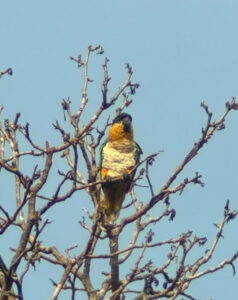
Guyana is home to a staggering array of psittacines. Its geography, ranging from dense rainforests to expansive savannahs, provides critical habitat for at least 29 distinct species of parrots. Recent expeditions conducted by Phoenix Landing, in partnership with local guides and ecological experts, have documented a wide variety of these birds, including the Red-Fan (Hawk-headed) Parrot, Festive, Yellow-crowned, and Orange-winged Amazons, as well as several species of macaws, such as the Red and Green (Greenwing) and the iconic Scarlet Macaw.
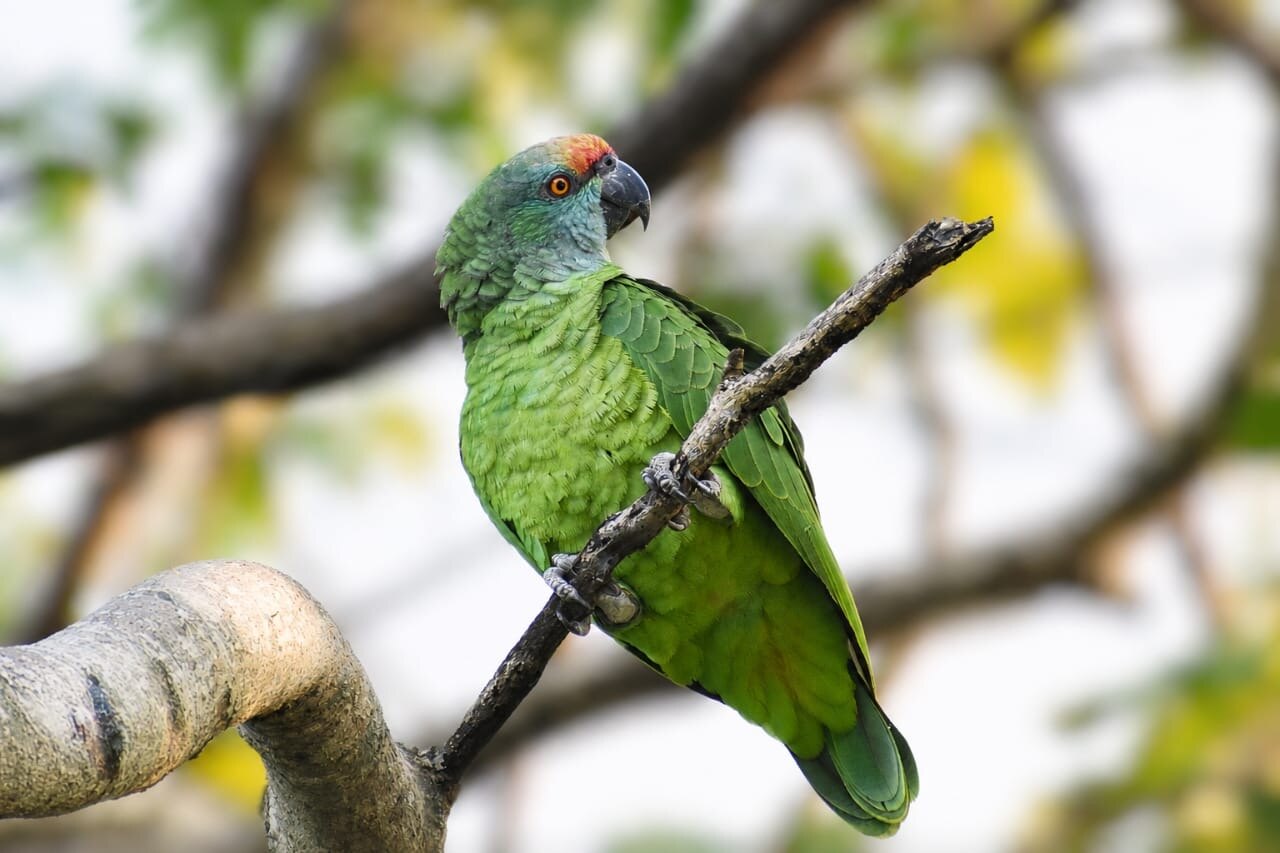
The survival of these species is intrinsically linked to the health of the Guyanese forest. While industrial threats such as commercial logging and mining operations loom, the more immediate, localized threat remains the legal trapping and trade of wild parrots. Unlike many other nations where the trade has been entirely criminalized, Guyana’s regulatory framework for wildlife trapping remains complex, necessitating a localized approach to conservation rather than a top-down federal mandate.
The Rewa Village Model: A Chronology of Success
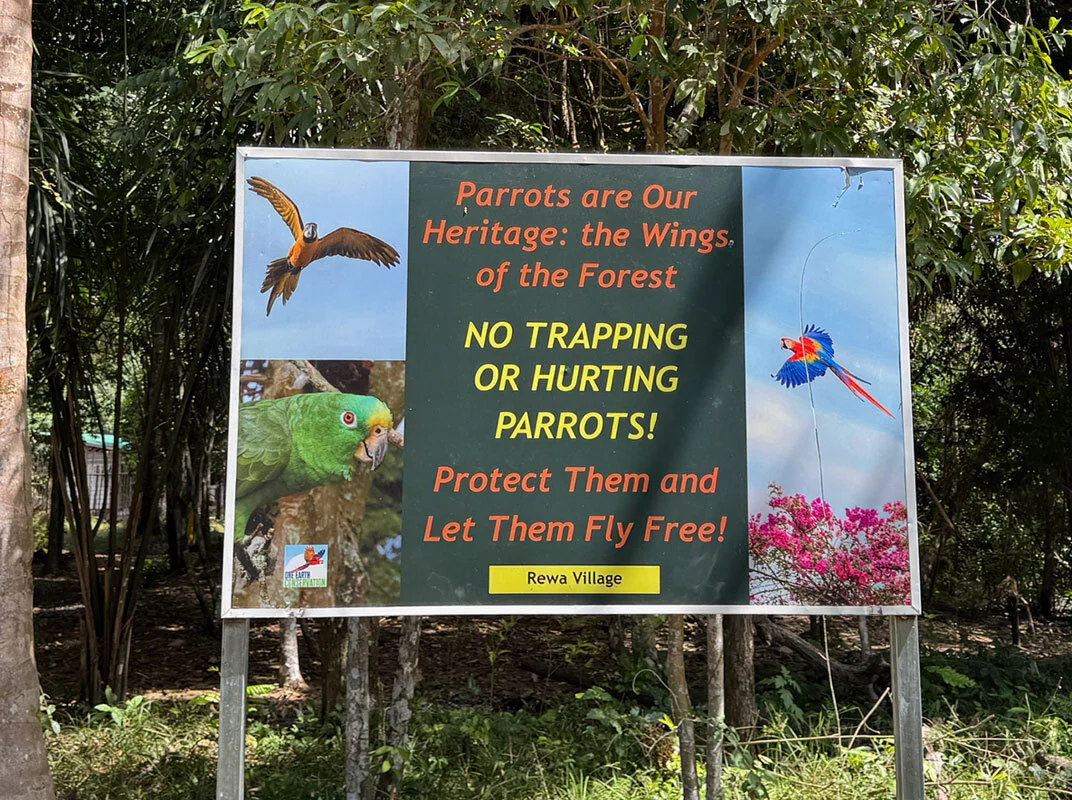
The village of Rewa, situated deep within the interior along the Rupununi River, has emerged as a beacon of hope for avian conservation. The community’s commitment to protecting its natural resources began in the 1990s as a voluntary grassroots effort. Recognizing the long-term value of a standing forest over the short-term gains of extraction or trade, the villagers implemented a self-imposed "No Trapping" policy.
This initiative reached a significant milestone in 2018 when the community formalized its efforts in collaboration with the Rewa Ecolodge and the non-profit organization One Earth Conservation. This partnership launched a rigorous, systematic monitoring project to quantify the parrot population in the region. Because the dense canopy and lack of established trails make traditional forest-based population counts difficult, the researchers developed a unique river-based counting methodology. This strategy involves documenting birds as they traverse river corridors, a technique that has since been recognized as a viable model for biodiversity monitoring in other tropical regions.
The longitudinal data collected over the past six years is compelling. Initial surveys identified 20 of the country’s 29 known parrot species within the vicinity of Rewa. By the end of 2024, that number had climbed to 22. This expansion in documented species suggests that the community-led protection of habitat and the cessation of trapping are creating a sanctuary effect, allowing populations to stabilize and potentially flourish.
Bridging Indigenous Knowledge and Modern Science
The success of the Rewa initiative is largely attributed to the synergy between indigenous wisdom and contemporary scientific methodology. Local guides, such as Ron Allicock, who belongs to the indigenous Macushi lineage, provide the foundation for these conservation efforts. Allicock’s family has a long history of environmental stewardship; his grandfather was instrumental in establishing some of Guyana’s earliest conservation projects during the 1990s.
This intergenerational knowledge allows researchers to interpret the behavior of avian species with greater accuracy. For example, during high-heat periods when avian activity is limited to narrow windows at dawn and dusk, the expertise of local guides is essential to identifying and counting the birds. Furthermore, the indigenous worldview—which emphasizes an integrated, sustainable relationship with the land—provides a practical framework for resource management. Observers note that this connection to the land is not merely philosophical but highly pragmatic, as evidenced by the community’s traditional practices that prevent waste and maintain the ecological balance of the river systems.
Economic Implications and Sustainable Ecotourism
A core component of the conservation strategy in Guyana is the transition toward a sustainable ecotourism economy. For many remote communities, the temptation to engage in poaching or small-scale mining is driven by a lack of alternative income sources. The development of the Rewa Ecolodge and the promotion of local artisan goods are intended to provide the economic infrastructure necessary to replace extractive industries.
However, the industry is still in its infancy. Infrastructure for international tourists, including access to reliable electricity, climate control, and modern amenities, remains limited. While this presents a challenge for tourism growth, it also serves as a protective barrier against mass-market, high-impact tourism. The goal for stakeholders is to scale this model carefully, ensuring that the influx of visitors does not disturb the very wildlife they come to see. Future plans include the expansion of local artisan markets, which would provide additional revenue streams for villagers while preserving traditional craft skills.
Scaling the Strategy: The International Parrot Conservation Corps
The success observed in Rewa is now serving as a blueprint for wider national efforts. One Earth Conservation is currently in the process of launching a local chapter of its International Parrot Conservation Corps (PCC) in Georgetown. This program aims to recruit and train local participants to conduct conservation projects that go beyond mere observation, focusing on active habitat management and educational outreach.
The first cohort, consisting of 15 participants, is tasked with executing targeted conservation projects throughout the coming year. This initiative represents a shift in strategy: moving the center of gravity for conservation advocacy from remote villages to the urban centers of the coast, where policy decisions are made. By fostering a culture of stewardship among the urban population, advocates hope to influence national-level regulations and build a broader constituency for the protection of Guyana’s natural heritage.
Analysis: Challenges and Future Outlook
Despite these successes, the long-term outlook for Guyana’s parrot populations remains precarious. The dual pressures of oil and gold exploration present systemic threats that cannot be addressed by local "No Trapping" zones alone. Large-scale mining, in particular, carries the risk of mercury contamination in river systems, which could have devastating, long-term impacts on the entire food web, including the birds that rely on these waterways.
From a regulatory standpoint, the government of Guyana faces the difficult task of balancing rapid economic development with the preservation of its ecological identity. Experts suggest that the "Rewa Model" offers a viable middle path. By providing data-driven evidence that wildlife is a sustainable, long-term economic asset, proponents of the model hope to influence policy toward more stringent environmental protections.

The current financial support from organizations such as Lafeber—which has pledged donations to assist One Earth Conservation in extending its reach to Rewa and funding the new PCC projects—highlights the role of international private-sector support in these efforts. However, the ultimate efficacy of these programs will depend on the continued political will of the Guyanese government to prioritize biodiversity in its national development strategy.
As Guyana continues to integrate into the global economy, the preservation of its pristine forest will depend on its ability to prove that its "green gold"—the biodiversity of its rainforests—is more valuable than the finite resources buried beneath the soil. For now, the resilience of the parrot populations in the Rupununi region serves as an encouraging indicator that community-led, science-backed conservation can hold the line against the encroaching tide of industrial development. The coming decade will be a critical test for whether these grassroots efforts can be scaled into a national policy of conservation that serves as a global standard for the tropics.
