
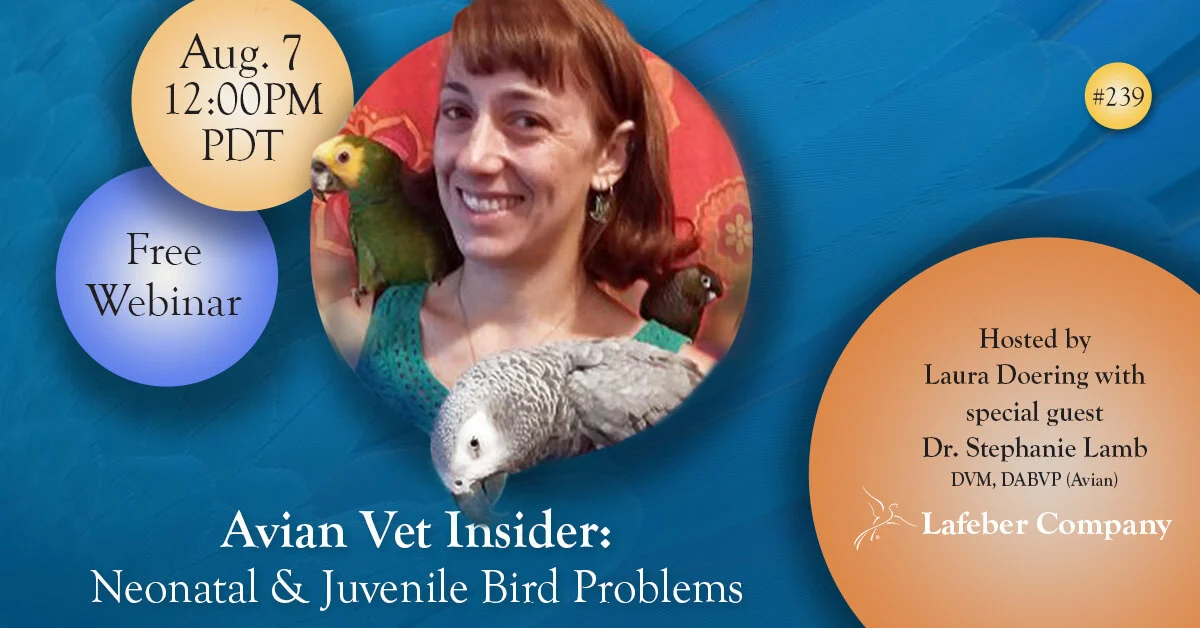
The transition from hatchling to independence represents the most precarious and physiologically demanding phase of an avian life cycle. On Friday, August 7, 2026, at 12:00 p.m. PDT, Dr. Lamb will host a comprehensive webinar titled Neonatal & Juvenile Bird Problems. This educational session is designed to provide pet owners, avian enthusiasts, and veterinary paraprofessionals with a critical understanding of the developmental milestones, common health risks, and necessary care protocols required to ensure the survival and long-term health of young birds. As avian medicine continues to evolve, the ability to identify subtle indicators of distress in neonatal birds has become a cornerstone of responsible stewardship and clinical practice.
The Developmental Trajectory of Avian Youth
The growth cycle of a bird from the moment of pipping to the achievement of fledgling status is characterized by rapid cellular development and significant metabolic demand. During the neonatal phase, hatchlings are entirely dependent on parental or human intervention for thermal regulation, nutrition, and immune support. Because avian immune systems are not fully mature at birth, these individuals are particularly susceptible to opportunistic pathogens, nutritional deficiencies, and environmental stressors.
Dr. Lamb’s upcoming presentation will deconstruct these biological challenges, focusing on the systemic vulnerabilities that emerge during the first few weeks of life. The webinar aims to bridge the gap between general avian husbandry and specialized neonatal care by highlighting how environmental factors—such as humidity levels, ambient temperature, and dietary consistency—directly correlate with the developmental success of juvenile birds.
Chronology of Developmental Milestones
To understand the scope of the upcoming discussion, it is essential to categorize the stages of development that neonatal birds navigate. The following chronology outlines the typical progression observed in many companion parrot species:
- The Pipping and Hatching Phase: This initial period is high-risk, requiring precise humidity to prevent the shell membrane from adhering to the chick. Any deviation here can lead to developmental malformations.
- The Neonatal Period (Days 1–14): Characterized by rapid weight gain and the development of the yolk sac absorption process. Clinical risks during this phase often involve crop stasis or bacterial infections resulting from improper hygiene.
- The Juvenile Growth Phase (Days 15–45): During this interval, feather development (pin feathers) begins, and the bird starts to regulate its own body temperature. Nutritional requirements become increasingly complex as the chick transitions from high-protein neonatal formulas to a more diverse diet.
- The Fledgling Phase (Day 45+): The bird begins to exhibit independent behavior, testing its flight capabilities and cognitive coordination. This stage is marked by behavioral experimentation, which can sometimes lead to accidental trauma or ingestion of foreign objects.
Supporting Data and Avian Health Metrics
Statistical analysis of avian mortality rates in domestic settings suggests that the majority of preventable deaths occur within the first sixty days of life. According to avian veterinary literature, common causes of neonatal morbidity include hypocalcemia, respiratory distress due to poor air quality, and candidiasis of the crop.
Data indicates that birds raised in environments where temperature fluctuates by more than five degrees Fahrenheit during the first month show a 15% higher incidence of growth stunting compared to those in climate-controlled environments. Furthermore, improper weaning practices are frequently linked to long-term behavioral issues and digestive inefficiencies. By addressing these metrics, the upcoming webinar aims to empower participants to create stable, high-quality environments that mitigate these common statistical risks.
Expert Perspectives on Neonatal Care
The professional community emphasizes that the early identification of pathology is the single most important factor in improving survival rates. Veterinary professionals frequently note that young birds are masters at masking illness; by the time a caregiver notices visible symptoms—such as lethargy, decreased appetite, or ruffled plumage—the underlying condition may have already reached a critical stage.
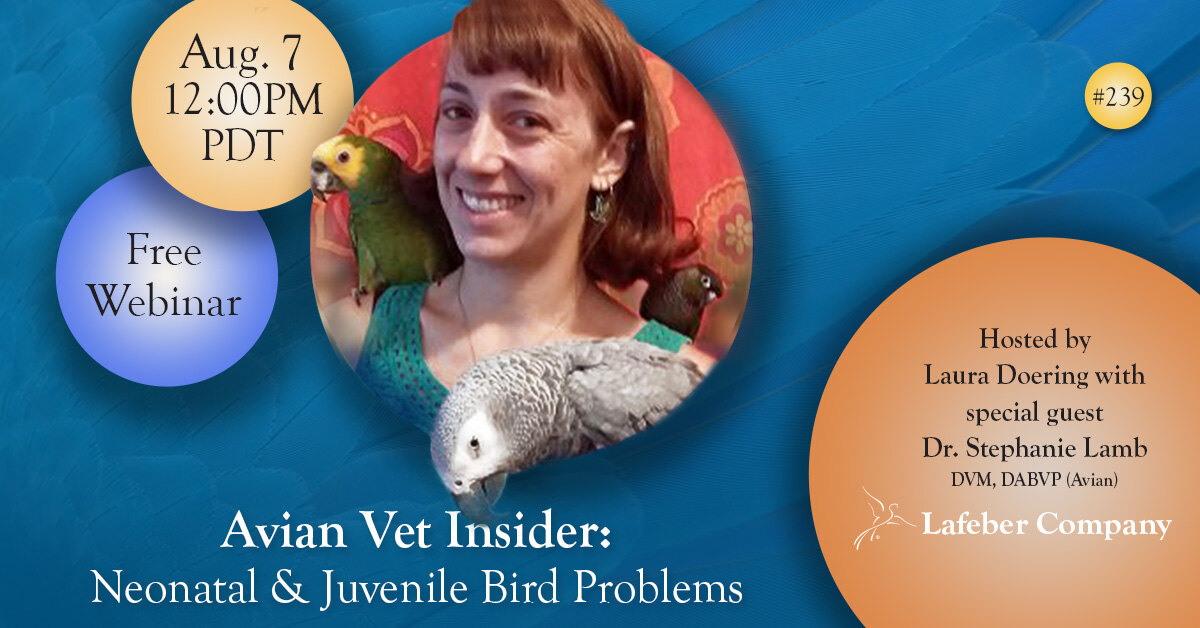
Dr. Lamb’s presentation is expected to address these "silent" symptoms, providing a framework for monitoring weight gain and fecal output, which are the most reliable quantitative indicators of a juvenile bird’s health status. The expert analysis provided in the webinar will assist owners in distinguishing between normal behavioral changes—such as the restlessness associated with the weaning process—and clinical distress.
Broader Implications for Avian Conservation and Stewardship
The implications of this webinar extend beyond individual pet care. In the broader context of avian biology, understanding the factors that dictate the success or failure of a clutch is vital for conservationists working with threatened or endangered species. Many of the protocols used in the private sector for companion birds are derived from, or contribute to, the captive breeding programs intended to preserve biodiversity.
By standardizing the knowledge base regarding neonatal health, the avian community reduces the prevalence of chronic health conditions in the pet population. This not only improves the quality of life for the animals but also decreases the long-term emotional and financial burden on owners. The shift toward preventative, evidence-based care represents a significant maturation in how society approaches the stewardship of companion birds.
Educational Objectives and Webinar Participation
The session on August 7, 2026, serves as a comprehensive primer for those who may be new to the complexities of avian growth, as well as a refresher for seasoned breeders. The curriculum is structured to be accessible yet technically rigorous, covering:
- Nutritional Optimization: Analysis of caloric requirements during different growth phases and the risks associated with improper formula preparation.
- Environmental Management: How to construct and maintain an appropriate brooder environment, including essential monitoring tools.
- Early Intervention Strategies: Practical, safe steps to take when a juvenile bird deviates from its growth curve.
- Behavioral Health: Understanding the social and cognitive developmental milestones that occur during the juvenile stage.
Participants are encouraged to consult the provided time zone converter before the event to ensure attendance at the 12:00 p.m. PDT start time. Given the potential for high demand, early registration is recommended via the official Zoom portal. The event is expected to conclude with a Q&A segment, allowing attendees to address specific concerns related to their unique avian situations.
Conclusion: A Commitment to Lifelong Health
The transition from a vulnerable hatchling to a robust, independent adult is an intricate biological process. Through expert-led education such as the upcoming webinar, the goal is to equip caregivers with the diagnostic tools and environmental strategies necessary to ensure that this transition is as seamless as possible. As the avian community continues to emphasize the importance of early-life care, such educational initiatives remain essential for fostering a deeper understanding of the complexities involved in raising healthy birds.
By prioritizing proactive health management, owners can address the unique challenges of the neonatal period, thereby laying a foundation for a long, healthy life for their avian companions. The information presented by Dr. Lamb will serve as a vital resource for anyone dedicated to the health and welfare of young birds, reinforcing the importance of informed, compassionate, and science-based care in every stage of avian development.
