
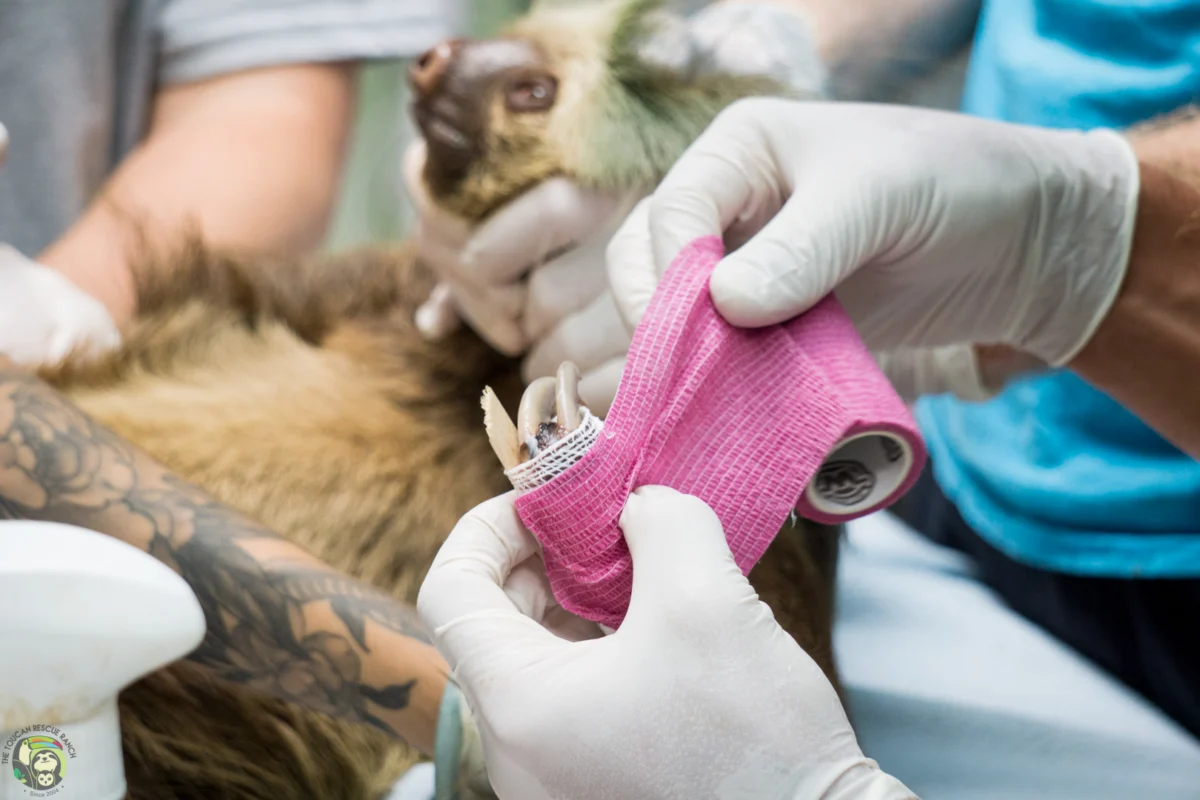
The Toucan Rescue Ranch (TRR), a prominent wildlife rescue and rehabilitation organization operating in Costa Rica, has issued an urgent operational advisory regarding its ongoing supply chain and material donation protocols. As the institution continues to scale its daily veterinary interventions, orphan care programs, and habitat reintroduction initiatives, administrators are emphasizing the critical role that international donors play in sustaining these conservation efforts. By maintaining active procurement registries through platforms such as Amazon and Cuddly, TRR aims to bridge the logistical gaps that frequently hinder non-profit entities operating within Central America. Ensuring a steady influx of specialized medical equipment, dietary supplements, and enclosure maintenance tools remains paramount as the organization handles an increasing volume of displaced, injured, and orphaned native fauna.
Background and Context of Wildlife Rescue in Costa Rica
Costa Rica is globally celebrated for its rich biodiversity, hosting approximately five percent of the world’s total biodiversity within its borders. However, this ecological richness intersects with increasing anthropogenic pressures, including deforestation, urban expansion, vehicular collisions, illegal wildlife trafficking, and electrocutions from exposed electrical infrastructure. Organizations like The Toucan Rescue Ranch serve as a crucial safety net for animals impacted by these modern hazards.
Founded with the core mission to rescue, rehabilitate, and eventually release native wildlife back into protected natural habitats, TRR handles a vast spectrum of species. From sloths and toucans to monkeys, anteaters, and various raptors, each animal presents unique physiological and nutritional requirements. The rehabilitation lifecycle is resource-intensive, requiring specialized milk formulas for neonatal orphans, complex pharmacological interventions for trauma victims, and extensive enclosure spaces that mimic natural foraging and arboreal environments to prepare animals for successful reintegration into the wild.
The Logistical Challenges of International Donations
Operating a conservation NGO in Central America introduces distinct administrative and supply chain hurdles, chief among them being postal and shipping logistics. Traditional international mail systems into Costa Rica can be unreliable, frequently plagued by extended customs delays, high import tariffs, and an elevated risk of packages being lost or damaged in transit. Consequently, TRR has structured a specialized, multi-tiered logistics strategy designed to bypass the pitfalls of the domestic postal network while ensuring that vital supplies reach the animal care teams efficiently.
To mitigate these challenges, the organization has outlined three primary pathways for donors wishing to contribute physical items. Understanding these channels is essential for maximizing the impact of each contribution while minimizing unnecessary transit expenses and customs complications.
1. Transporting Items via Checked Luggage
For international volunteers, interns, guesthouse guests, and eco-tourists planning a physical visit to Costa Rica, carrying donated supplies in checked luggage is widely regarded by TRR administrators as the most efficient method of delivery. This approach circumvents international freight costs, eliminates customs clearance delays, and guarantees that delicate or high-priority items arrive intact. Donors utilizing this method are encouraged to cross-reference their packing lists with TRR’s current wish lists to target items experiencing the highest demand.
2. Utilizing the United States Staging Facility in Knoxville, Tennessee
Recognizing that not all supporters can travel to Central America personally, TRR maintains a domestic staging partnership through a designated board member based in Knoxville, Tennessee. This U.S. facility acts as a centralized collection hub where donors can ship items via domestic carriers. A local warehouse stores these accumulated goods until an opportunity arises to transport them to Costa Rica, typically coordinated via volunteers or staff members traveling internationally. While this method offers a cost-effective domestic shipping option for U.S.-based contributors, leadership notes that it requires patience due to the variable timeline of international transport logistics.
3. Direct Commercial Freight via DHL
For direct shipments originating outside the United States or for donors unable to utilize traveler transport, TRR explicitly recommends utilizing DHL Express. While standard postal services frequently fail to complete delivery reliably within Costa Rica, private courier services provide tracking and expedited customs handling. Nevertheless, administrators caution that commercial freight charges can be exceptionally high, making this option less economically efficient than personal transport or domestic U.S. staging.
Strategic Prioritization of Needed Supplies
To maximize operational efficiency, TRR curates its Amazon and Cuddly Wish Lists based on a rigorous internal assessment of departmental needs. The facility operates multiple functional units, including an intensive care veterinary clinic, a dedicated nursery for neonatal and juvenile animals, an administrative headquarters, and expansive pre-release conditioning sites located away from the main rescue center.
Items are categorized by priority to reflect immediate operational pressures:
- High Priority: Critical medical supplies, specialized juvenile animal formulas, heavy-duty cleaning agents, specific surgical instruments, and essential hardware required for structural reinforcement of rehabilitation enclosures.
- Medium Priority: Enrichment devices designed to stimulate natural foraging behaviors in captive-reared species, minor maintenance tools, office administration supplies, and supplemental dietary components.
- Lower Priority: Long-term facility enhancement items, non-urgent educational materials, and general inventory backups.
By systematically updating these registries, TRR ensures that donors invest their financial resources directly into commodities that yield immediate, measurable benefits for animal welfare and rehabilitation success rates.
Financial Accountability and Tax-Deductible Status
Transparency and institutional compliance remain central to TRR’s governance model. Operating simultaneously under United States and Costa Rican legal frameworks, the organization holds formal 501(c)(3) non-profit status within the U.S. (identified by EIN: 80-0516453) and is a registered foundation in Costa Rica (foundation number 300667701803).
This dual accreditation carries significant implications for international donors. Contributions of financial support, as well as eligible material donations properly documented through official receipts, qualify for tax deductions under applicable U.S. tax laws. This fiscal structure provides donors with legal verification of their contributions while reinforcing the organization’s institutional credibility and commitment to regulatory transparency.
Broader Implications for Regional Biodiversity Conservation
The reliance on grassroots international support highlights a broader economic and structural reality facing wildlife conservation initiatives across Latin America. State-funded environmental agencies often operate under severe budgetary constraints, leaving private non-profit entities like The Toucan Rescue Ranch to shoulder a disproportionate share of wildlife rescue, veterinary triage, and long-term conservation education.
As habitat fragmentation accelerates due to agricultural expansion and real estate development, the intake rates at facilities like TRR are projected to rise. The capacity of these organizations to scale their operations depends heavily on uninterrupted supply chains and the sustained engagement of global donor communities. Ensuring that veterinarians have access to advanced pharmaceutical supplies, that orphan nurseries are fully stocked with appropriate nutritional formulas, and that release sites are properly maintained directly influences the post-release survival rates of endangered and endemic species.
Ultimately, the logistical framework established by TRR demonstrates an adaptive response to the complexities of international non-profit management. By combining transparent digital wish lists, strategic domestic warehousing, and traveler-assisted transport, the organization maintains a resilient operational pipeline. This network ensures that compassionate individuals worldwide can directly reinforce the front lines of Costa Rican wildlife conservation, safeguarding the ecological heritage of the region for future generations.
