
The Gaspé Peninsula, a rugged geographical extension into the Gulf of St. Lawrence, recently served as the primary site for the first official "Quebec in Spring" birding expedition, marking a significant milestone for regional ecotourism and avian research. While the area has long been recognized by the scientific community as a critical corridor for North American bird migration, the inaugural tour aimed to formalize the experience for international observers and document the biodiversity of the Lower Saint-Lawrence and the Gaspésie regions. Despite a period of unseasonably harsh weather characterized by cold fronts and persistent precipitation, the expedition successfully cataloged a diverse array of species, ranging from rare neotropical migrants to stable populations of marine mammals.
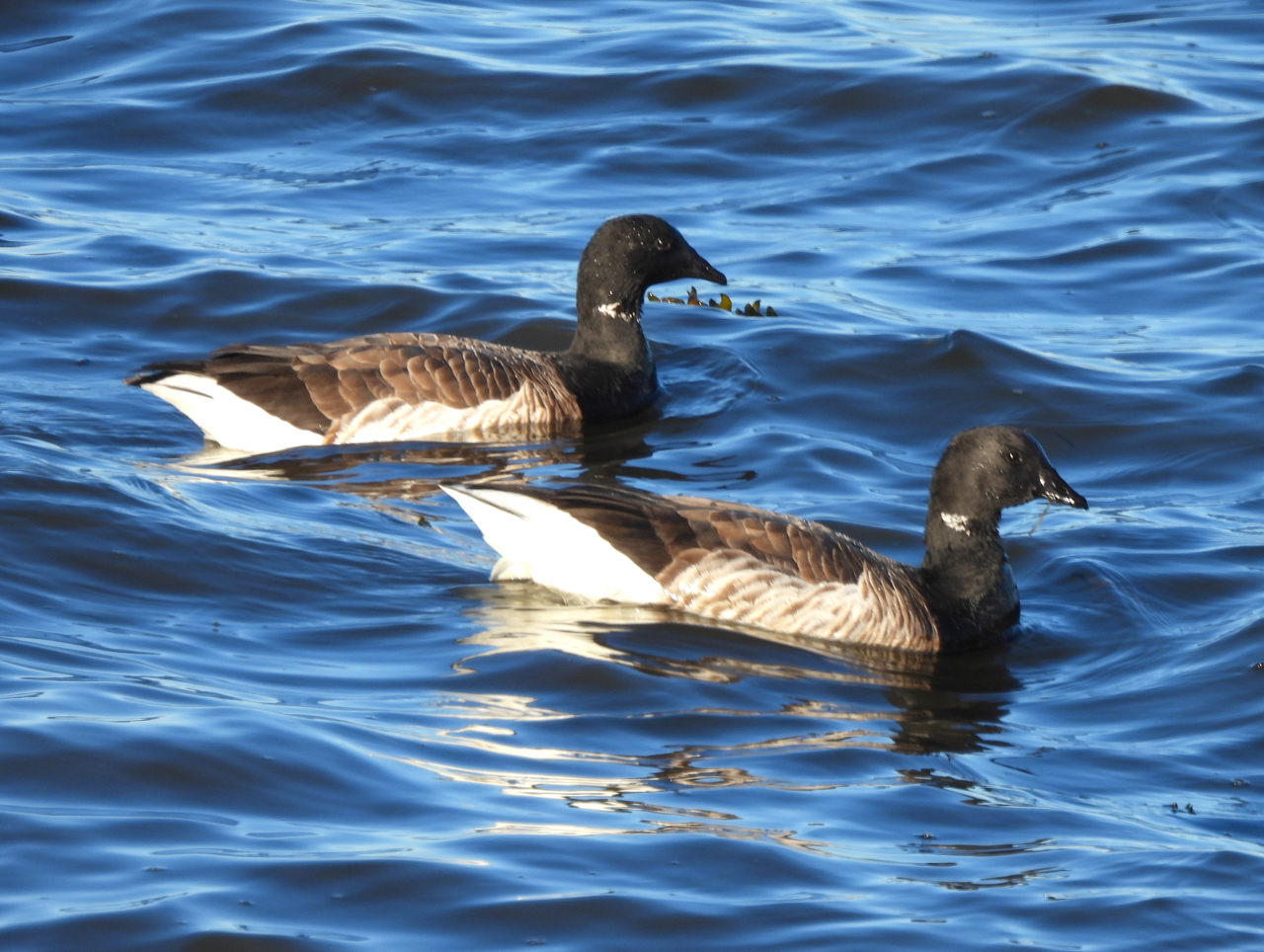
The expedition commenced in Quebec City, moving northeast along the Saint Lawrence estuary. This route follows one of the most vital migratory flyways in North America, where the narrowing of the river concentrates bird populations moving toward northern breeding grounds. The initial survey at Kitsokuk Marsh in Cacouna, a protected preserve within the Lower Saint-Lawrence, provided early data on waterfowl distribution. Observers recorded 12 distinct species of ducks and multiple flocks of Snow Geese (Anser caerulescens), a species known for its massive migratory aggregations in the region.
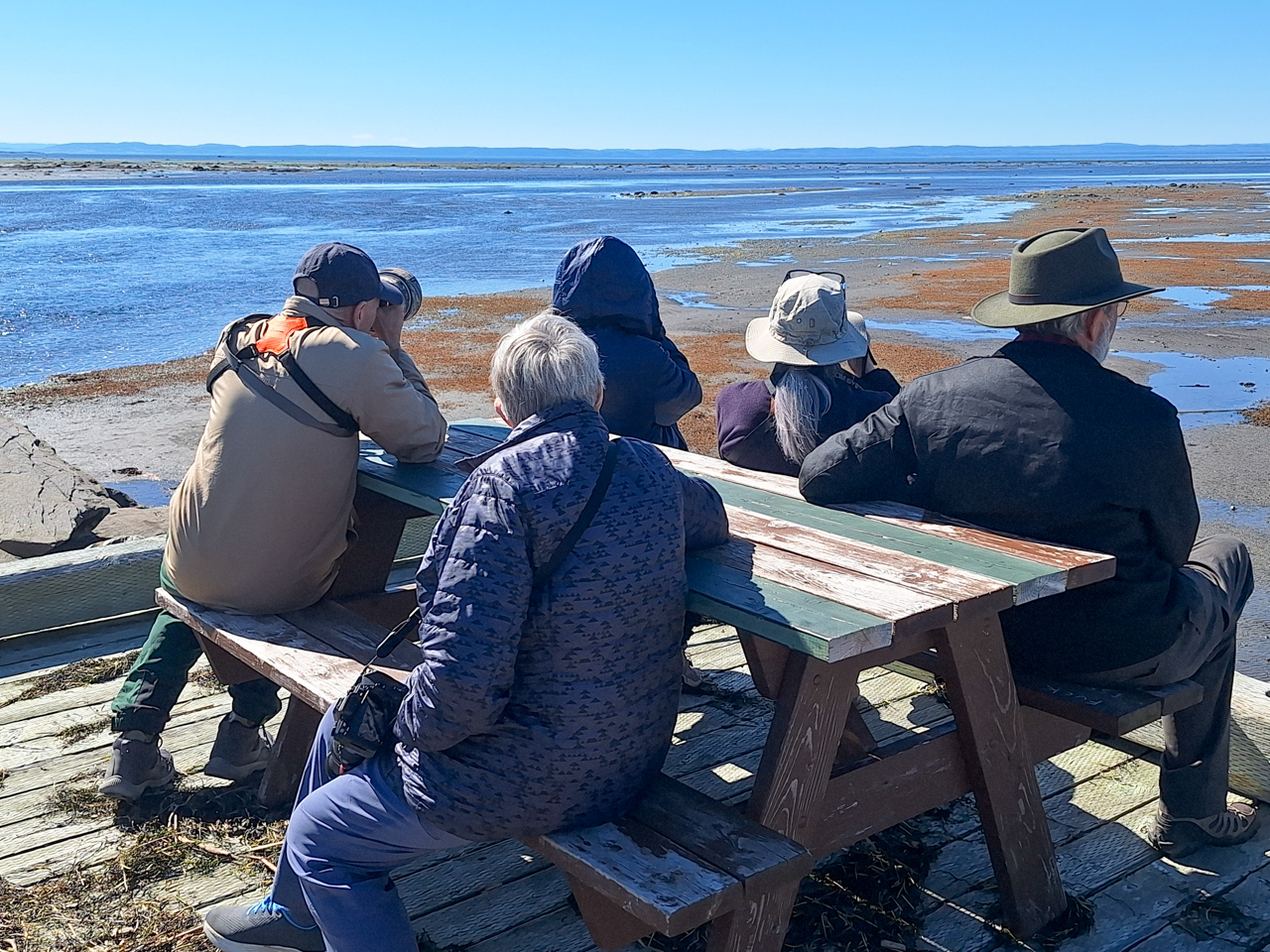
The St. Lawrence Corridor: A Gateway for Migrants
As the tour progressed toward Rimouski, the ecological transition from freshwater marshes to maritime environments became evident. At the Rocher Blanc wooded area, the expedition integrated with the scientific efforts of the Rimouski Bird Observatory (Observatoire d’oiseaux de Rimouski). The observatory, which conducts annual spring banding, provided a demonstration of avian monitoring techniques. One of the primary targets for the expedition, the Boreal Chickadee (Poecile hudsonicus), was documented here. Unlike its more common relatives, the Boreal Chickadee is a specialist of the spruce-fir forests and serves as an indicator species for the health of the northern boreal ecosystem.
Further observations at Bic National Park and the Raoul Roy lookout highlighted the intensity of raptor migration. The lookout is strategically positioned to capture the movement of birds of prey as they follow the coastline. Significant numbers of Broad-winged Hawks (Buteo platypterus) and Red-tailed Hawks (Buteo jamaicensis) were recorded passing at eye level. Additionally, the presence of Sandhill Cranes (Antigone canadensis) and various warbler species heading to northern latitudes underscored the peninsula’s role as a multi-species transit hub.
Navigating the Matapedia Valley and Chaleur Bay
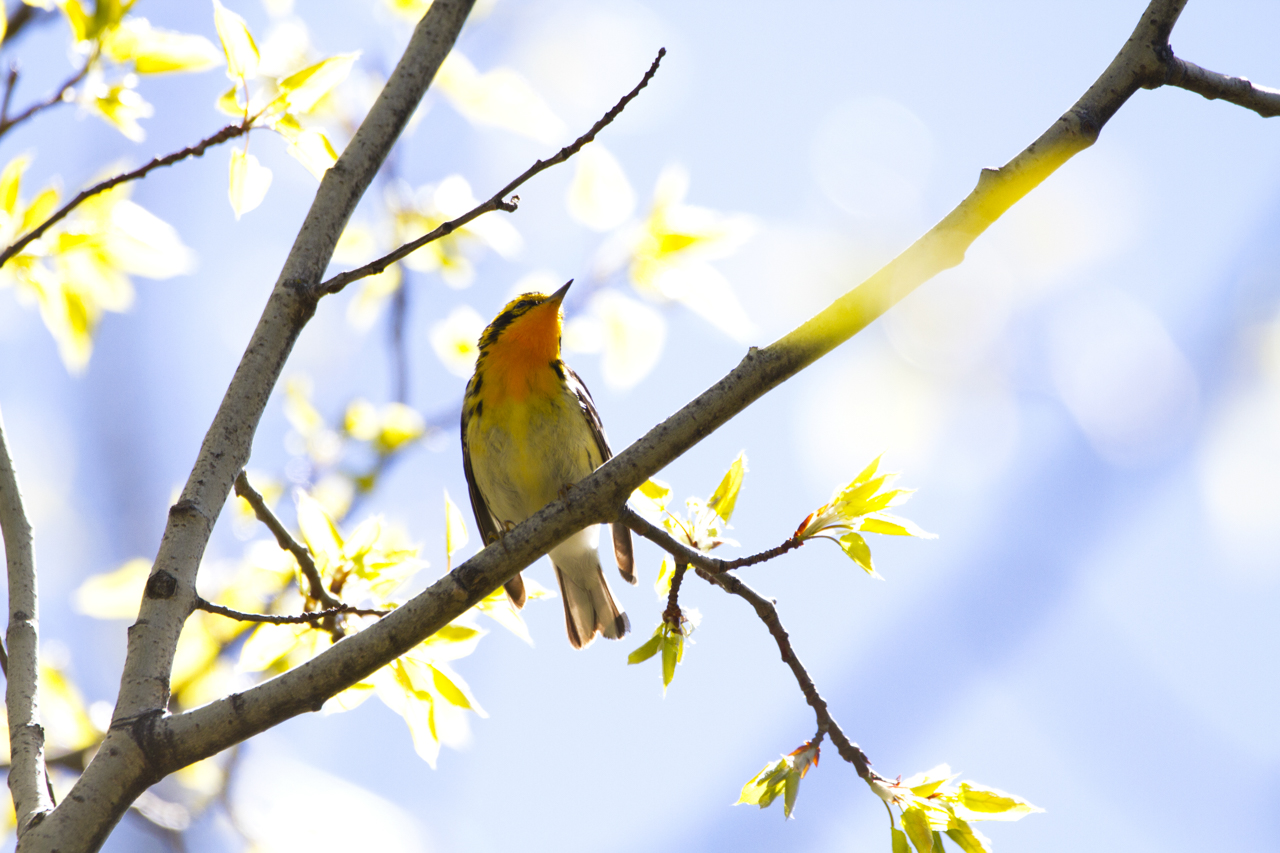
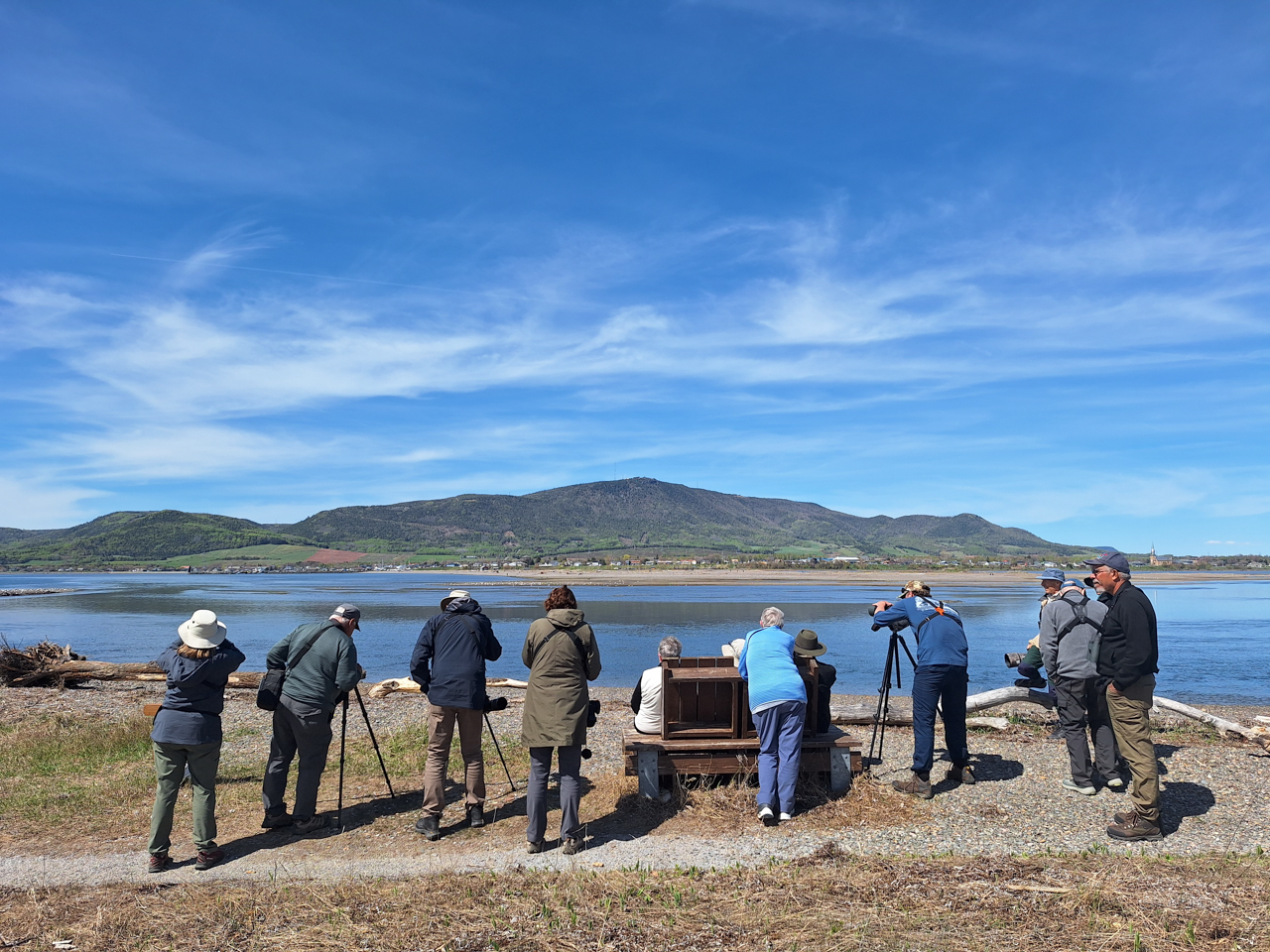
The transition from the coast to the mountainous interior of the Matapedia Valley offered a different set of data points. Lac Castonguay, described as a migratory hotspot within the Appalachian range, yielded sightings of 12 warbler species. This diversity is particularly notable given the high-altitude terrain, which often acts as a barrier to smaller passerines. The presence of Wilson’s Warblers (Cardellina pusilla) and calling Soras (Porzana carolina) in the marshlands indicates a robust riparian habitat capable of supporting both transit and breeding activities.
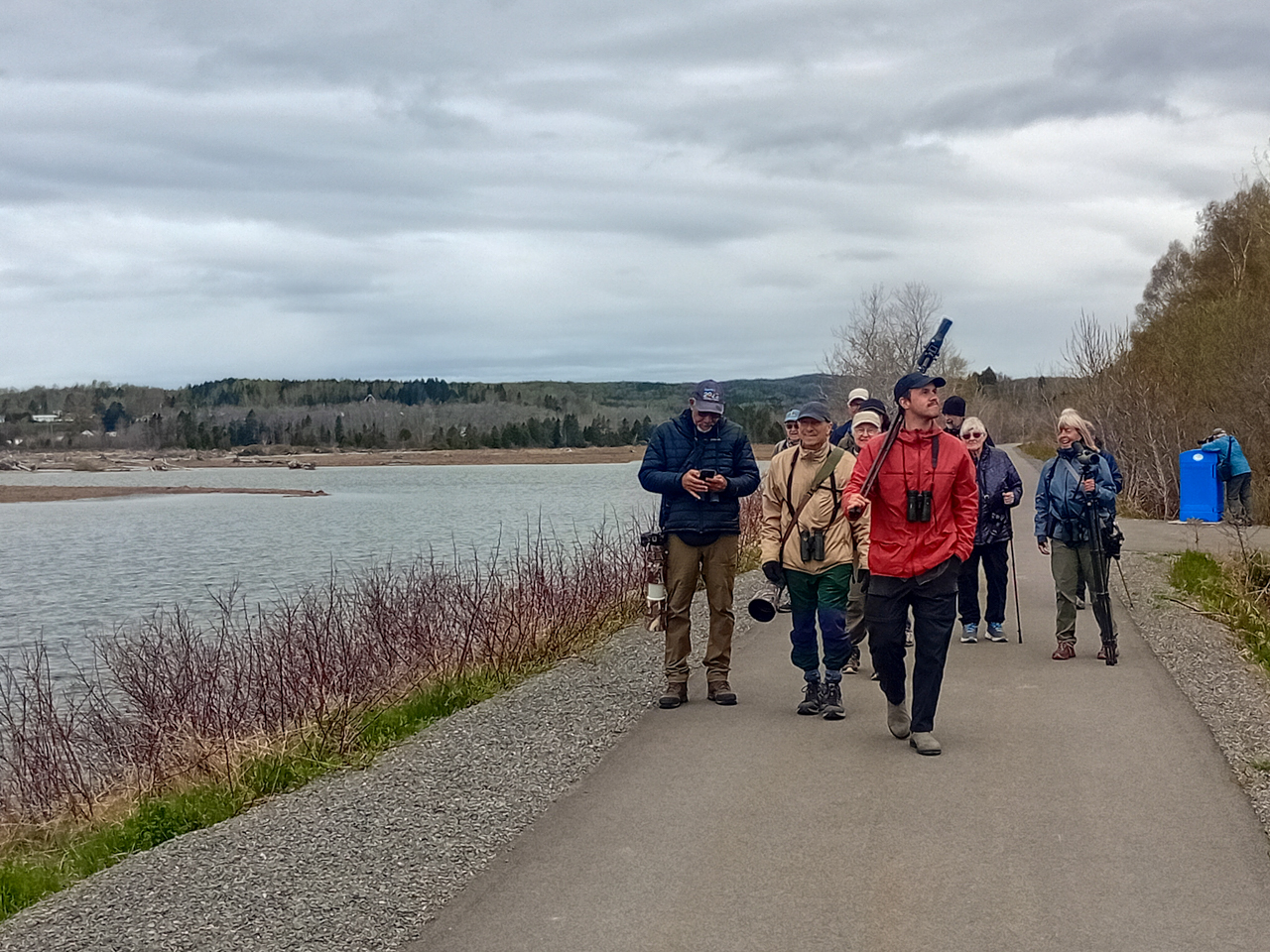
Upon reaching Chaleur Bay on the southern shore of the peninsula, the focus shifted to larids and terns. The Carleton Lagoon, characterized by its extensive sandbanks, hosted several thousand gulls. While American Herring Gulls (Larus smithsonianus) were the most abundant, the expedition identified several less common species, including Bonaparte’s, Lesser Black-backed, Iceland, and Glaucous Gulls. The identification of these species is a complex aspect of field ornithology, often requiring specific environmental conditions and expert oversight to distinguish between various plumages and hybridizations.
The Phenomenon of Reverse Migration and Coastal Seawatching
A pivotal moment of the expedition occurred near the Grand-Pabos saltmarshes in Chandler. As a cold front moved across the peninsula, observers witnessed "reverse migration." This meteorological-driven phenomenon occurs when migratory birds, encountering insurmountable weather conditions or lack of food due to cold, fly back in the direction from which they came to seek shelter or more favorable conditions. This event allowed for the daytime observation of neotropic migrants, such as Northern Parulas, Tennessee Warblers, and Yellow-rumped Warblers, flying low across the vegetation.
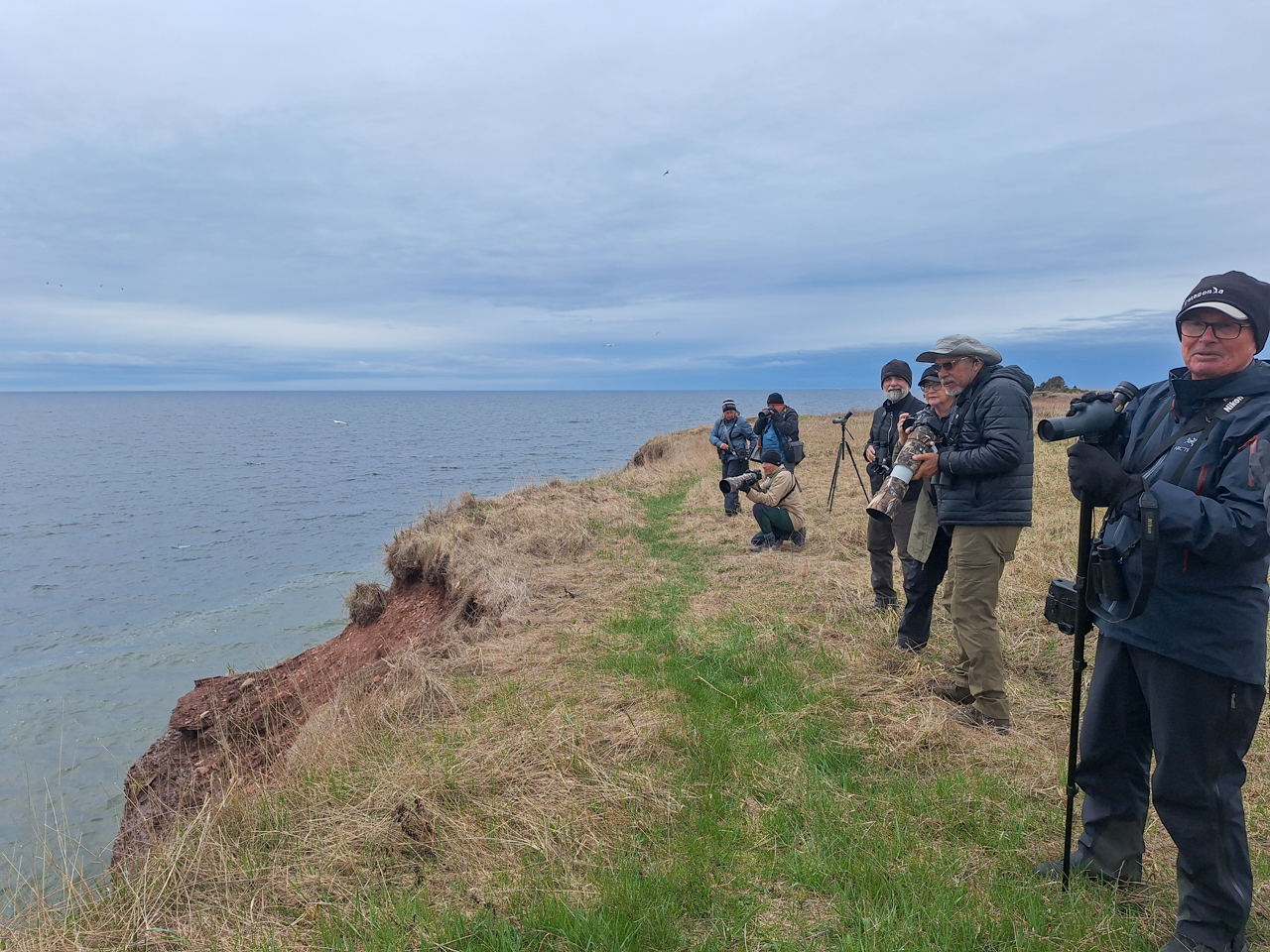
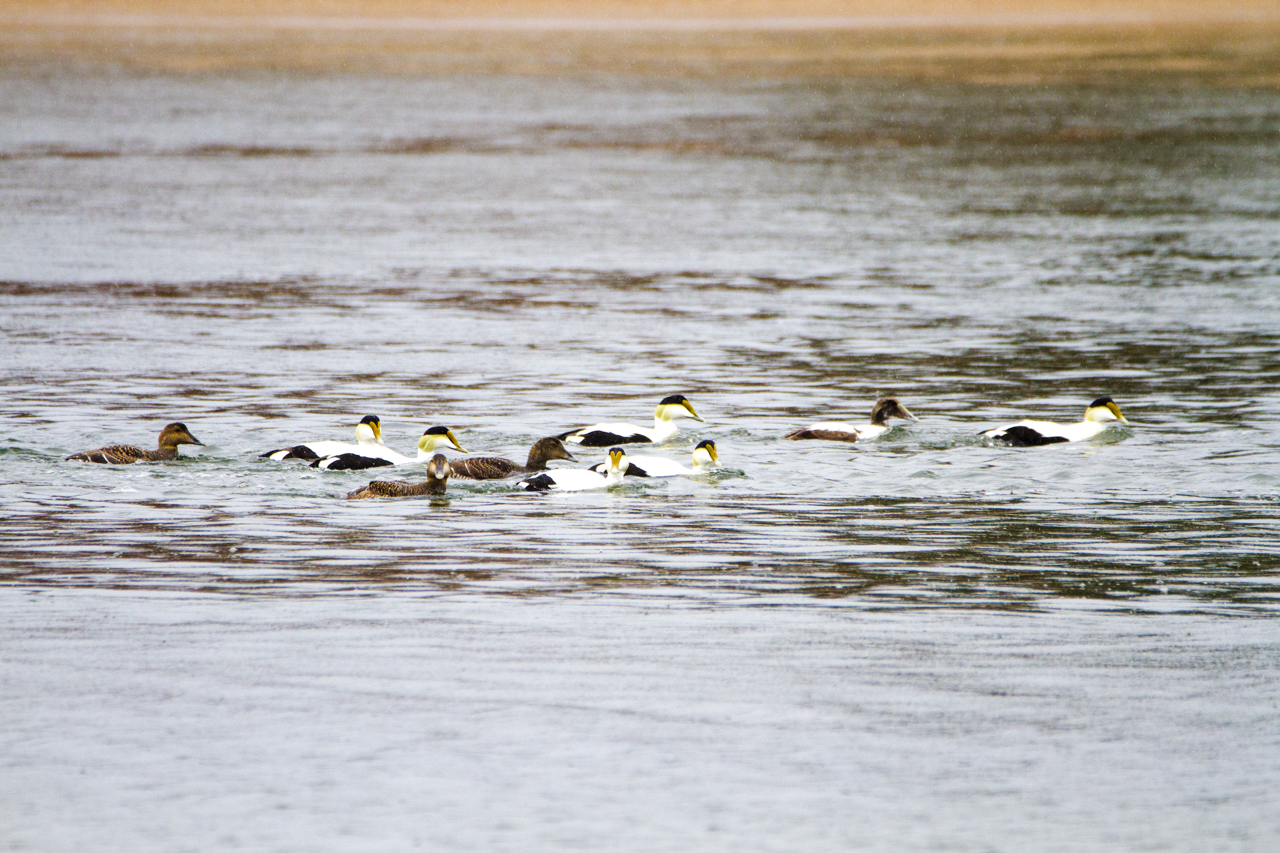
At Cap-d’Espoir, a prominent headland jutting into the Gulf of Saint Lawrence, the team conducted seawatching activities. This location is recognized as one of the premier sites in continental Canada for observing Great Cormorants (Phalacrocorax carbo), which nest on the surrounding rocky islands. The site also provided close-range views of Harlequin Ducks (Histrionicus histrionicus), Long-tailed Ducks (Clangula hyemalis), and Common Eiders (Somateria mollissima) in their striking breeding plumages.
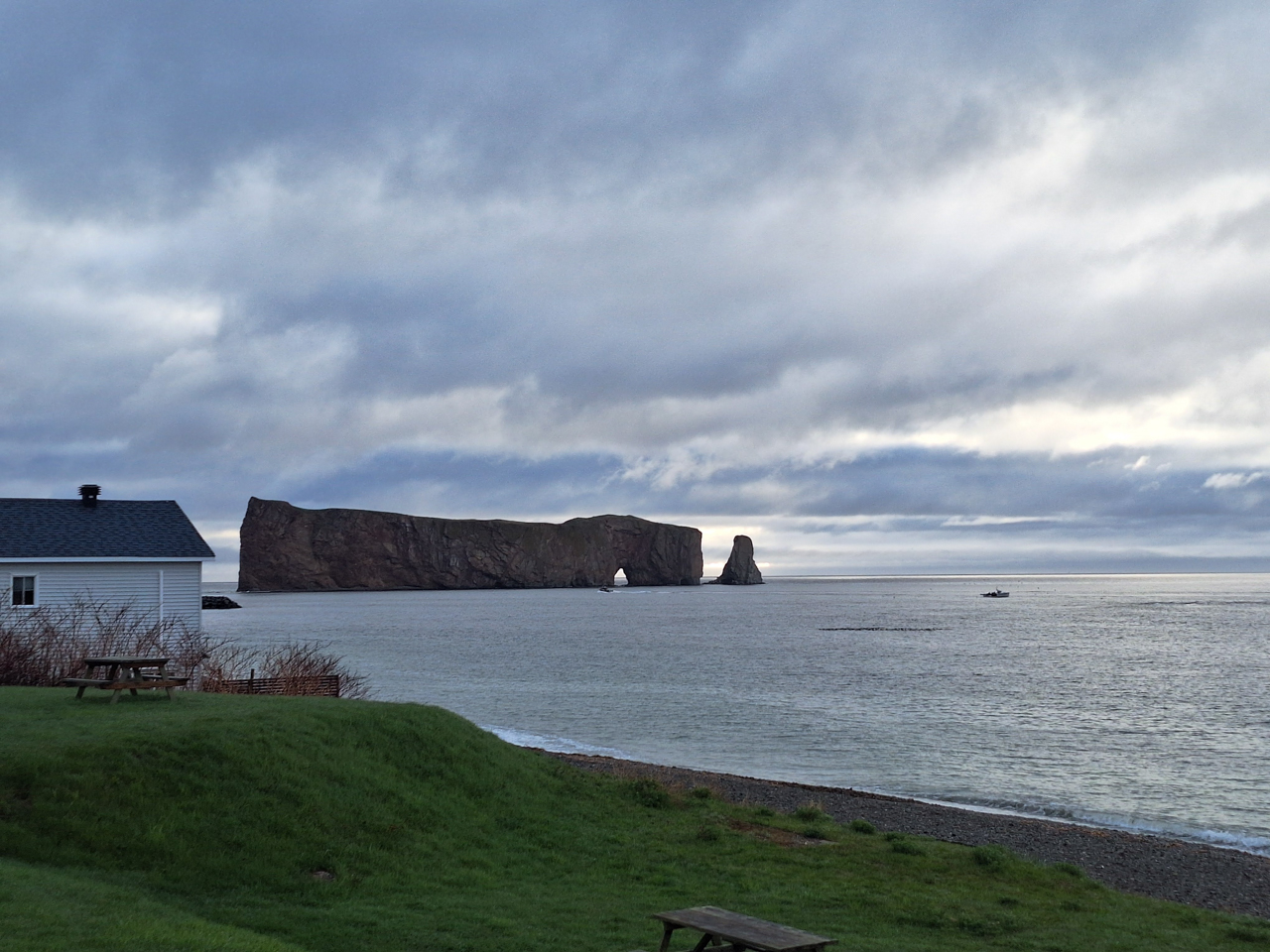
Bonaventure Island: A Global Sanctuary for Northern Gannets
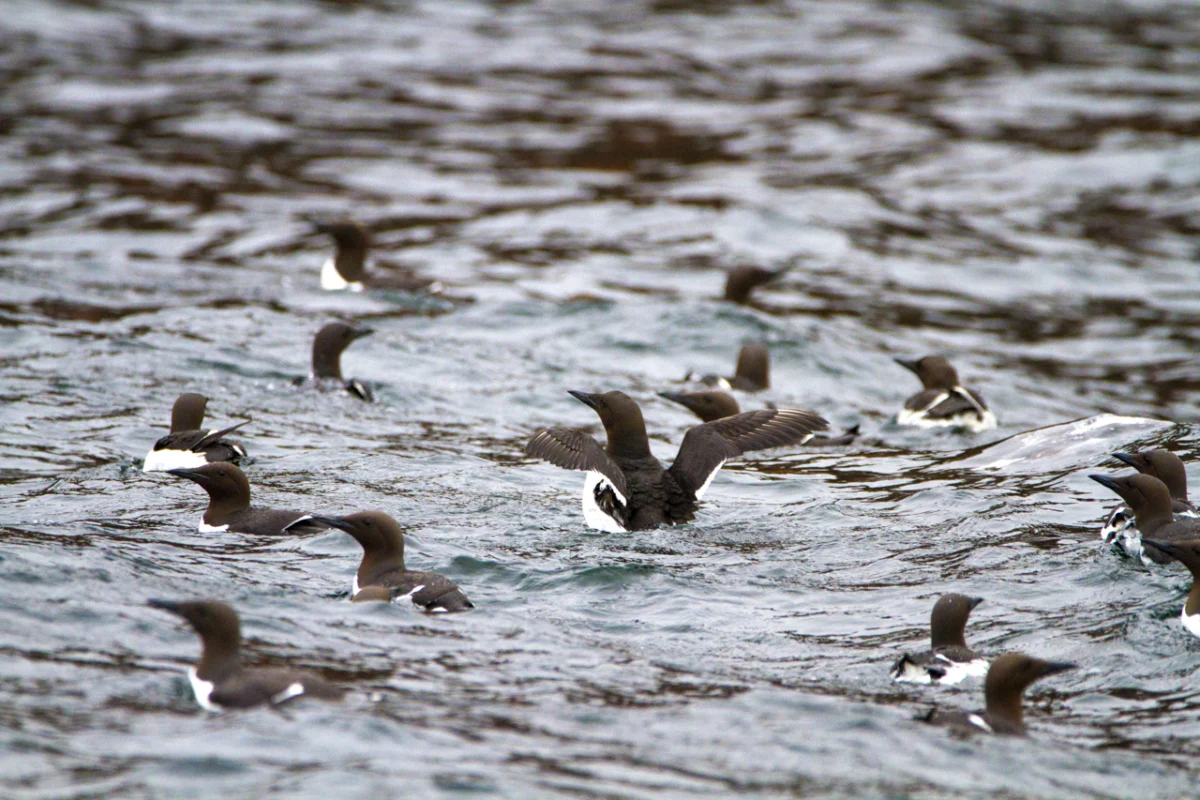
One of the central highlights of the Gaspé tour was the visit to Bonaventure Island and Percé Rock National Park. Although the park was officially closed for the season, a private expedition facilitated by SEPAQ (Société des établissements de plein air du Québec) allowed for a detailed survey of the seabird colonies. The cliffs on the eastern side of the island host a massive concentration of Common Murres, Razorbills, Black Guillemots, and Black-legged Kittiwakes.
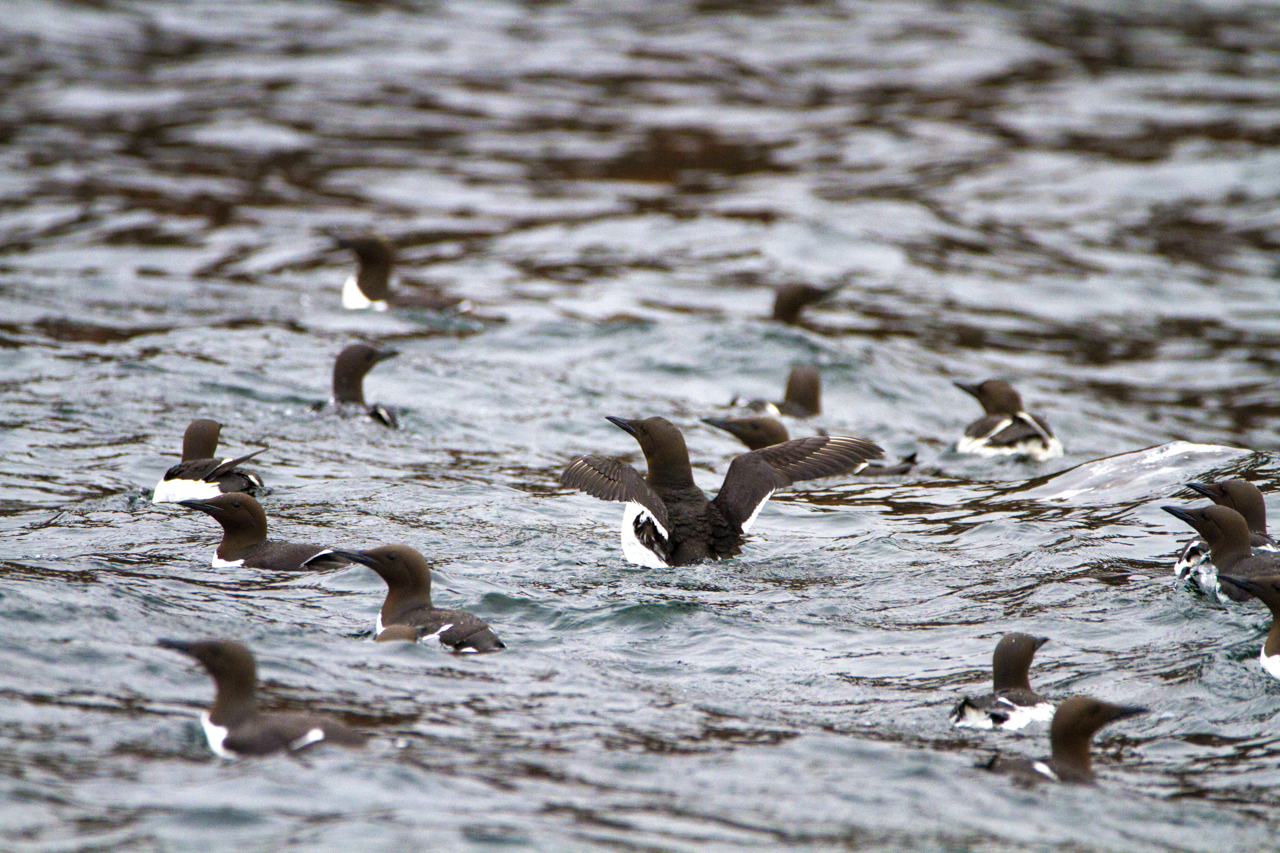
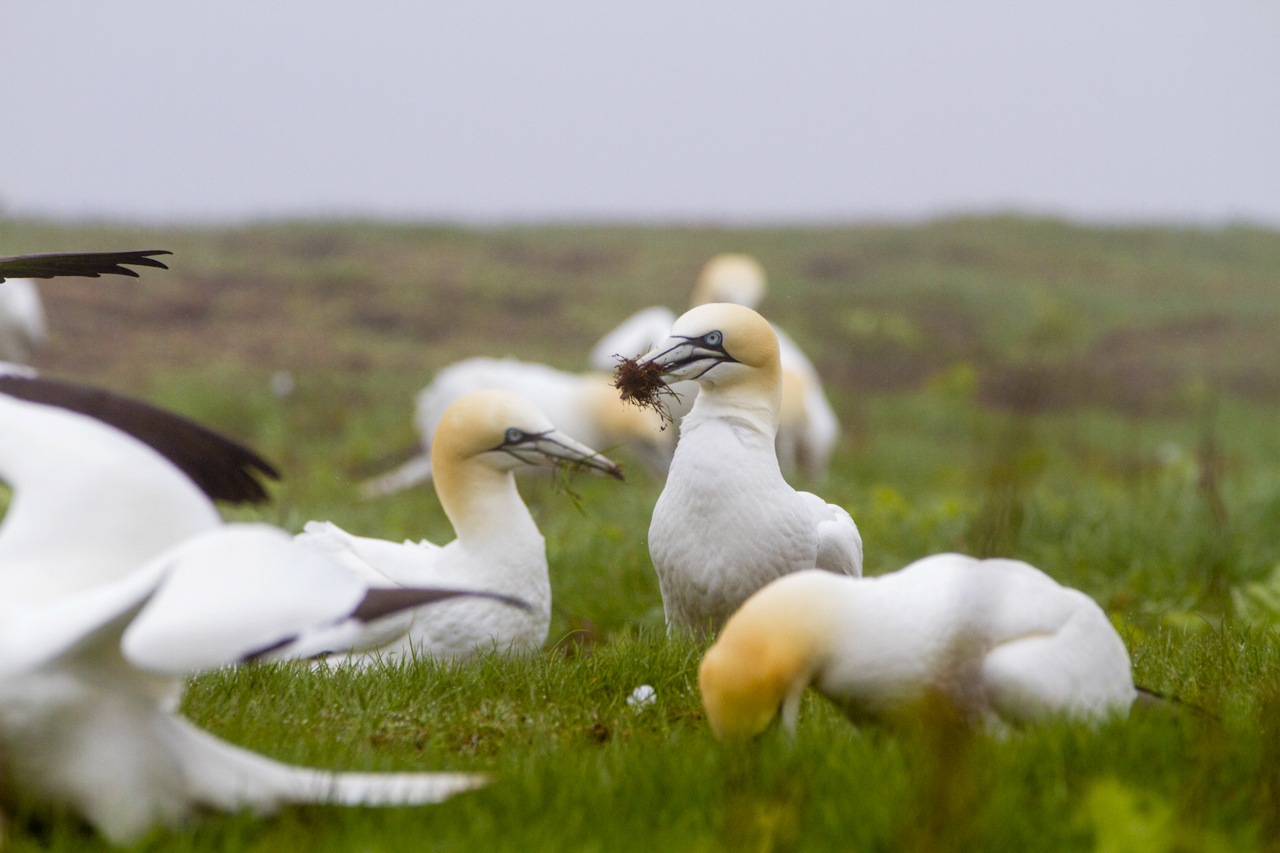
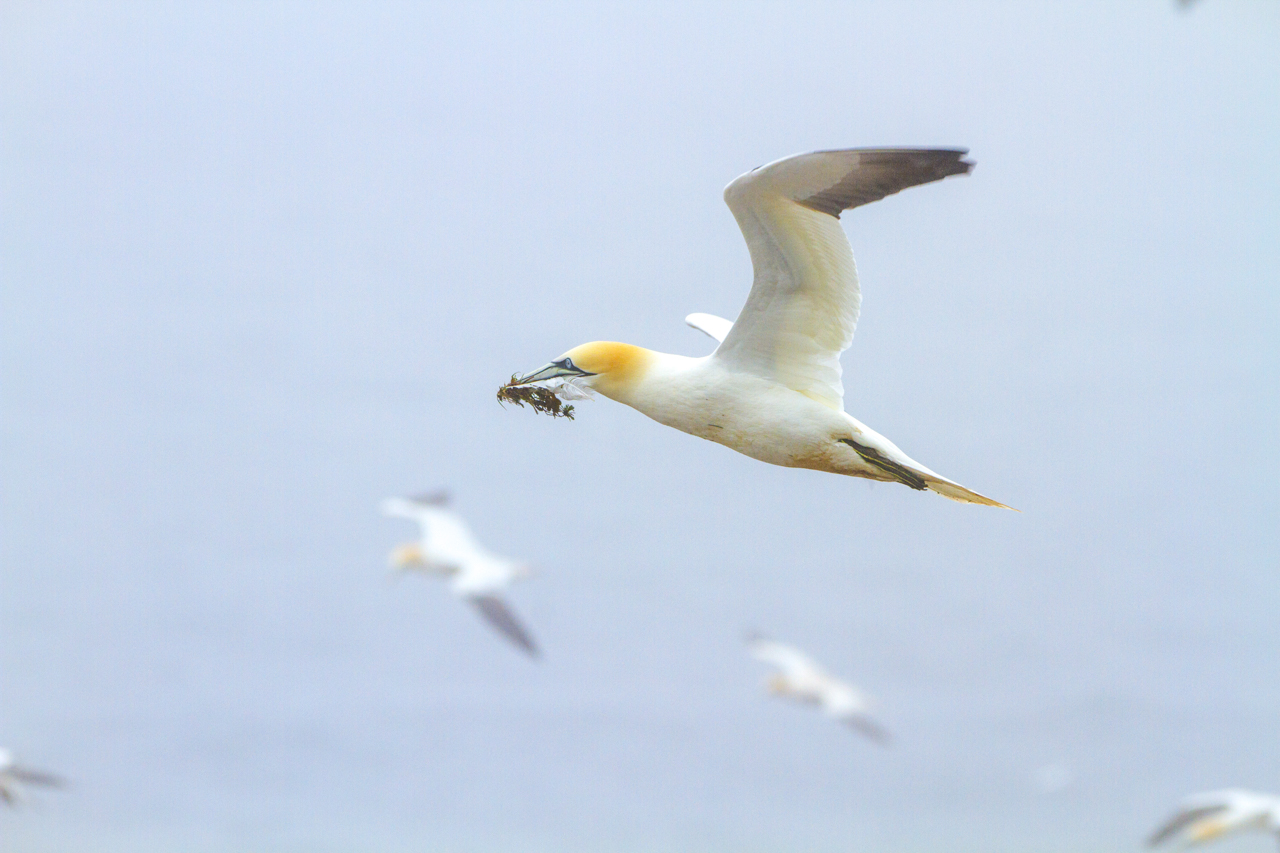
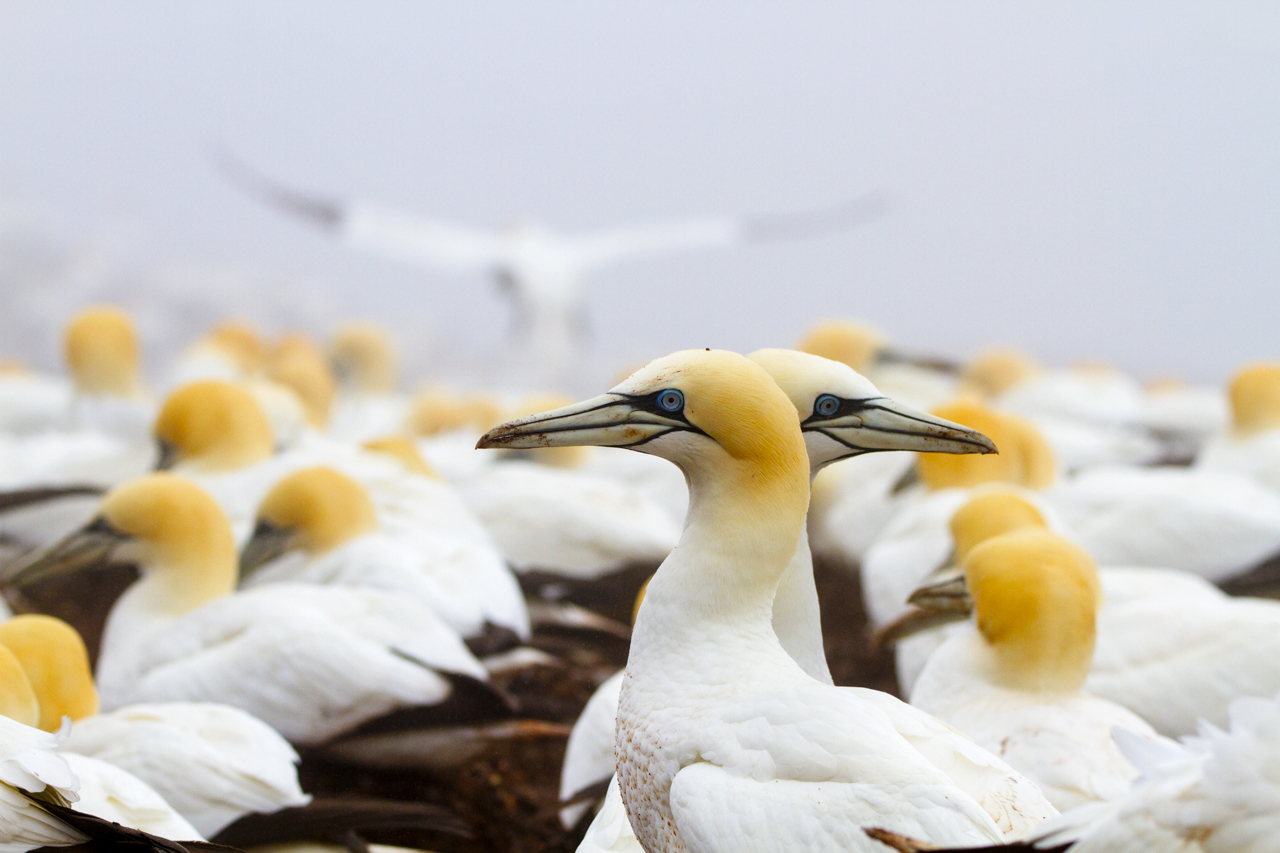
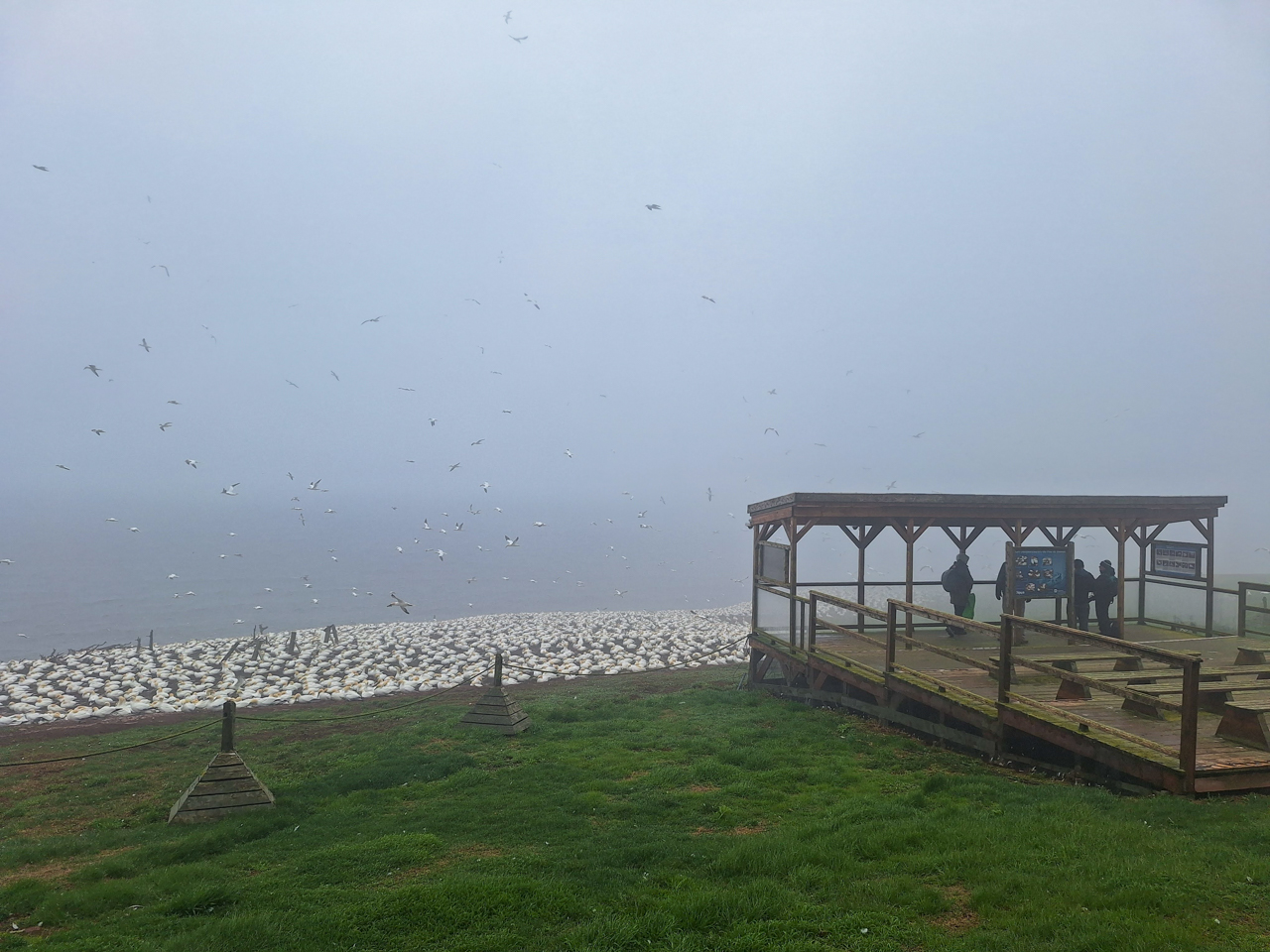
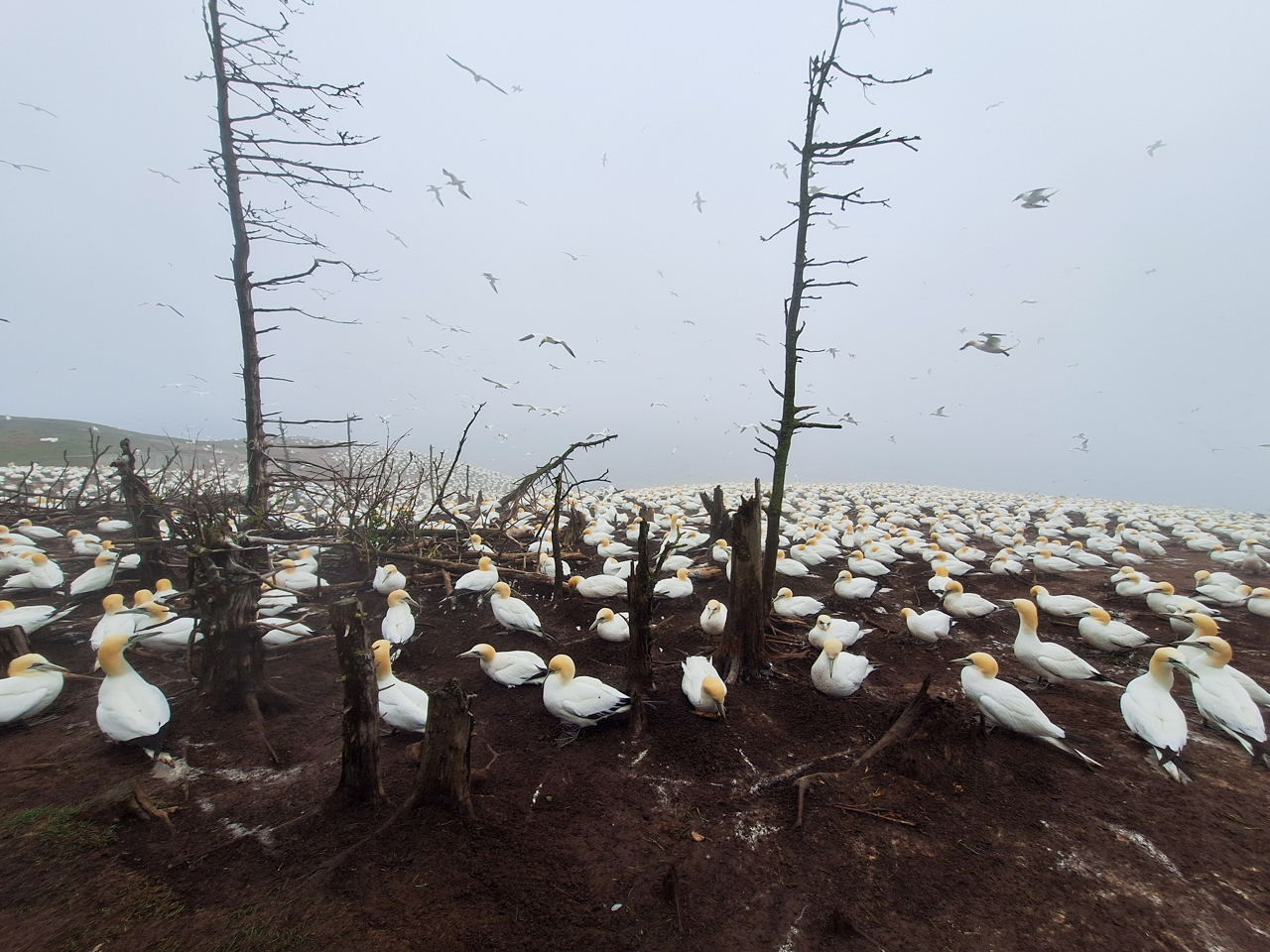
The island is home to the largest colony of Northern Gannets (Morus bassanus) in North America, with approximately 50,000 to 60,000 nesting pairs. The expedition reached the colony amidst thick fog, observing complex social behaviors including display rituals and nest-building. The isolation of the colony during the early spring provided a unique opportunity to witness these behaviors without the interference of high-volume tourism, offering a perspective comparable to those found in professional wildlife documentaries.
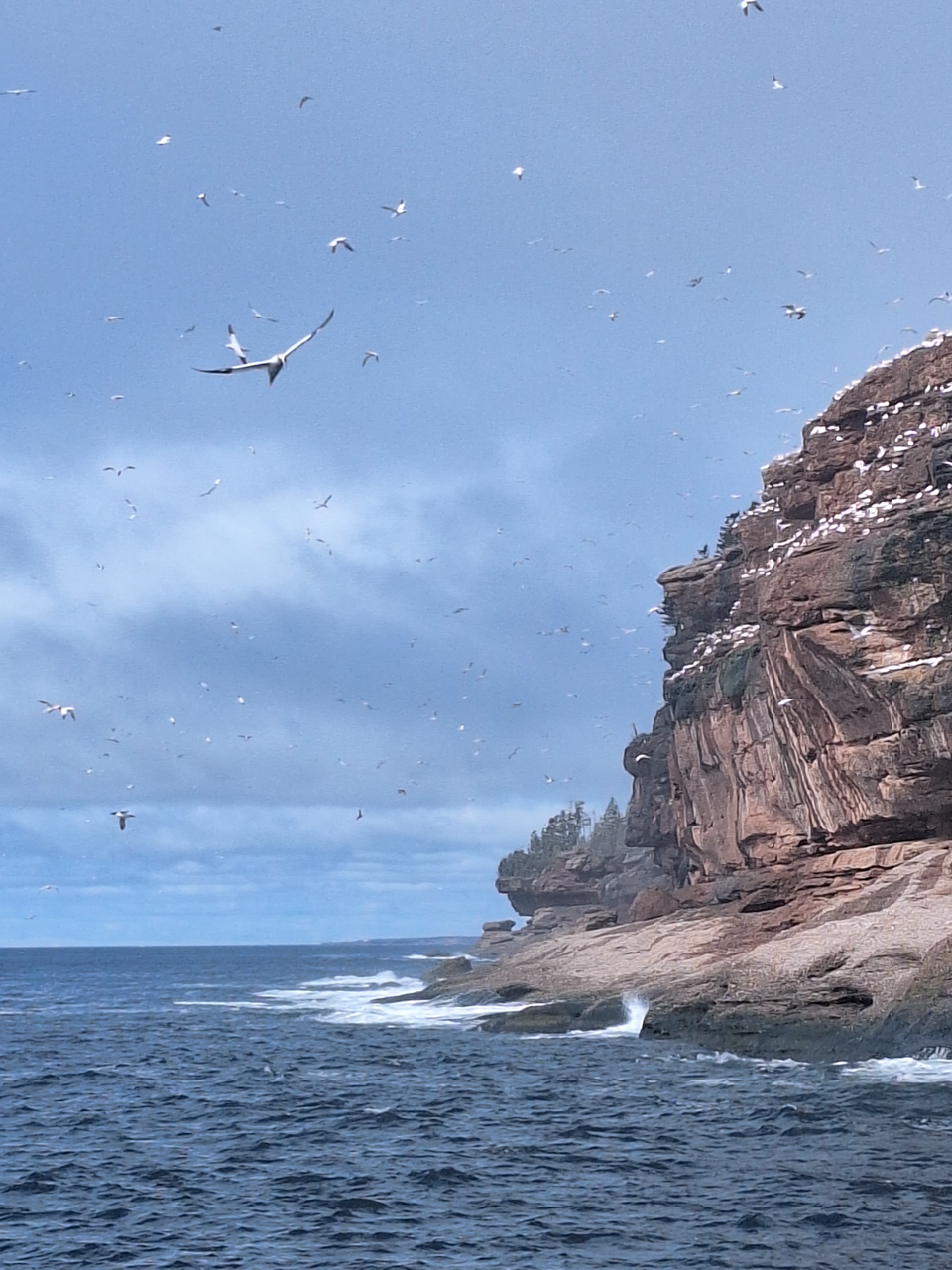
Ecological Resilience in Forillon National Park
The final leg of the tour took place in Forillon National Park, a 244-square-kilometer protected area at the eastern tip of the peninsula. The park’s geography creates a "trap" for migrants, where birds reaching the end of the landmass often congregate in high densities before attempting a water crossing or turning back. At the Penouille sandbank, the expedition observed a "fallout" effect, where harsh weather forced forest-dwelling warblers onto the beaches and grass in a desperate search for food.
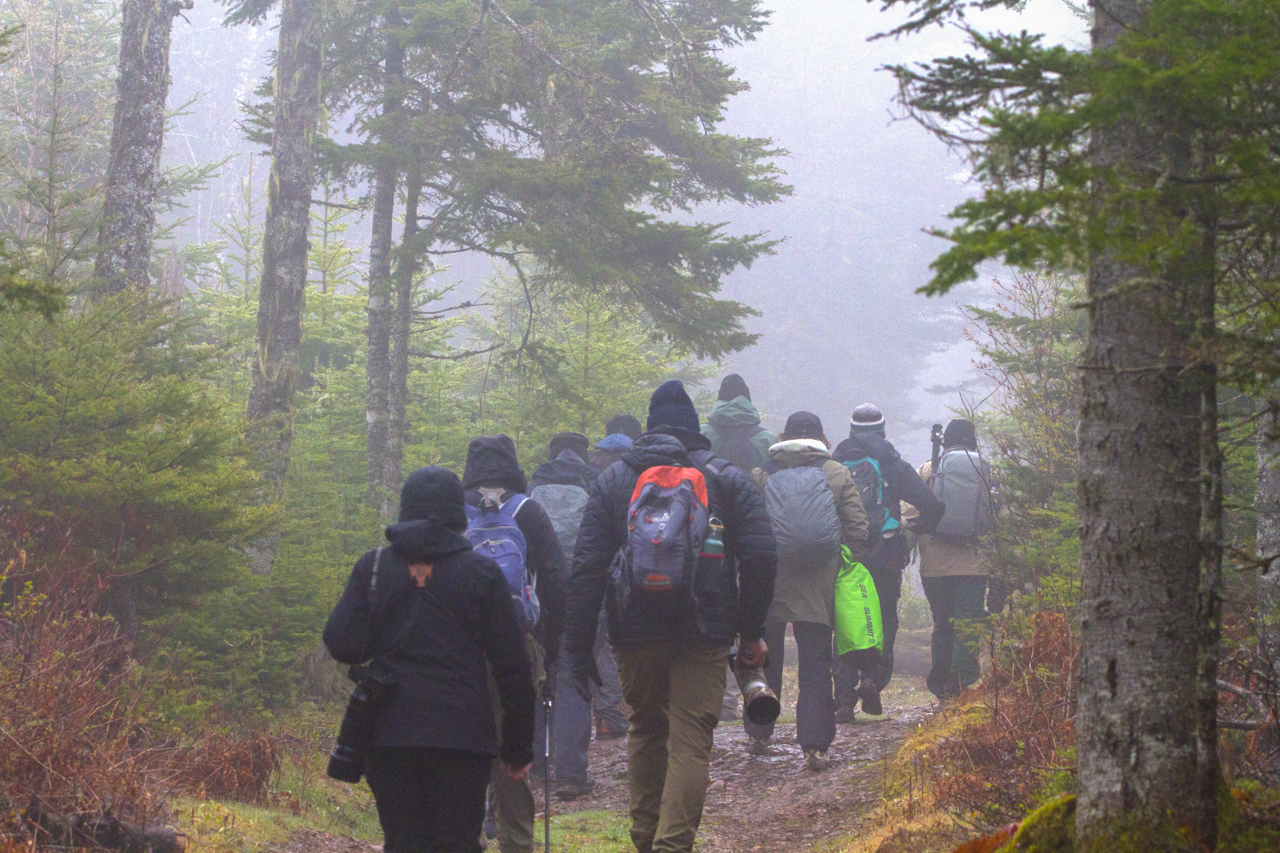
In the interior of Forillon, the group documented the Ruffed Grouse (Bonasa umbellus) performing its characteristic drumming display. The presence of these birds in high numbers is attributed to the long-term hunting bans within the national park, which have allowed for a more natural population density and less wary behavior toward humans. The Forillon Harbour also served as a refuge for approximately 170 Harlequin Ducks, a significant count for this species of special concern.
Interior Challenges and the Search for Rare Boreal Species
The expedition ventured into the Appalachian highlands near Murdochville, an old mining town, to search for the elusive Bicknell’s Thrush (Catharus bicknelli). The Bicknell’s Thrush is one of the rarest and most range-restricted birds in North America, breeding exclusively in high-altitude balsam fir forests. While the unseasonable cold appeared to have silenced the birds or pushed them to lower elevations, the search highlighted the precarious nature of high-altitude specialist species in the face of climate variability.
In contrast, the search for the Canada Jay (Perisoreus canadensis), also known as the "Whiskey Jack," was successful in the spruce bogs outside the town of Gaspé. As a non-migratory corvid of the boreal forest, the Canada Jay is a symbol of the Canadian wilderness. Observing a family group during the breeding season provided valuable data on the species’ persistence in the managed forests of the peninsula.
The Scientific Significance of Peninsula Migration Studies
The tour concluded at l’Anse aux Amérindiens with a bird banding workshop and a discussion on migration dynamics. Thomas, a local researcher, provided insights into how high-altitude winds and barometric pressure dictate the volume of "morning flights" across the peninsula. By observing species like the Swainson’s Thrush and Veery in hand, participants gained a deeper understanding of the physiological toll migration takes on songbirds.
The data collected during this inaugural tour reinforces the Gaspé Peninsula’s status as a critical ecological corridor. The "Quebec in Spring" initiative demonstrates that while weather remains an unpredictable variable, the geographical consistency of the Atlantic Flyway ensures that the region remains a vital area for both conservation and scientific observation. The successful documentation of rarities like the Baltimore Oriole and Caspian Tern, alongside the massive seabird colonies, suggests that the Gaspé Peninsula will continue to be a focal point for North American ornithology.
The expedition’s findings emphasize the importance of protected areas like Forillon National Park and Bonaventure Island in providing sanctuary for species during increasingly volatile spring migration windows. As climate change continues to alter migration timing and weather patterns, long-term observational tours such as this will play a crucial role in documenting the resilience and adaptation of North America’s avian populations.
