

The recent birding expedition across Morocco, concluding in mid-April 2026, provided a comprehensive survey of avian populations during the critical spring migration window. Spanning from the snow-capped peaks of the High Atlas Mountains to the arid expanses of the Sahara and the nutrient-rich Atlantic coastline, the tour documented a vast array of species, including several globally significant and localized raptors and songbirds. This seasonal migration is a biological phenomenon of immense importance, as Morocco serves as a primary gateway for millions of birds moving between their sub-Saharan wintering grounds and breeding territories in Europe.

A Chronology of the Expedition
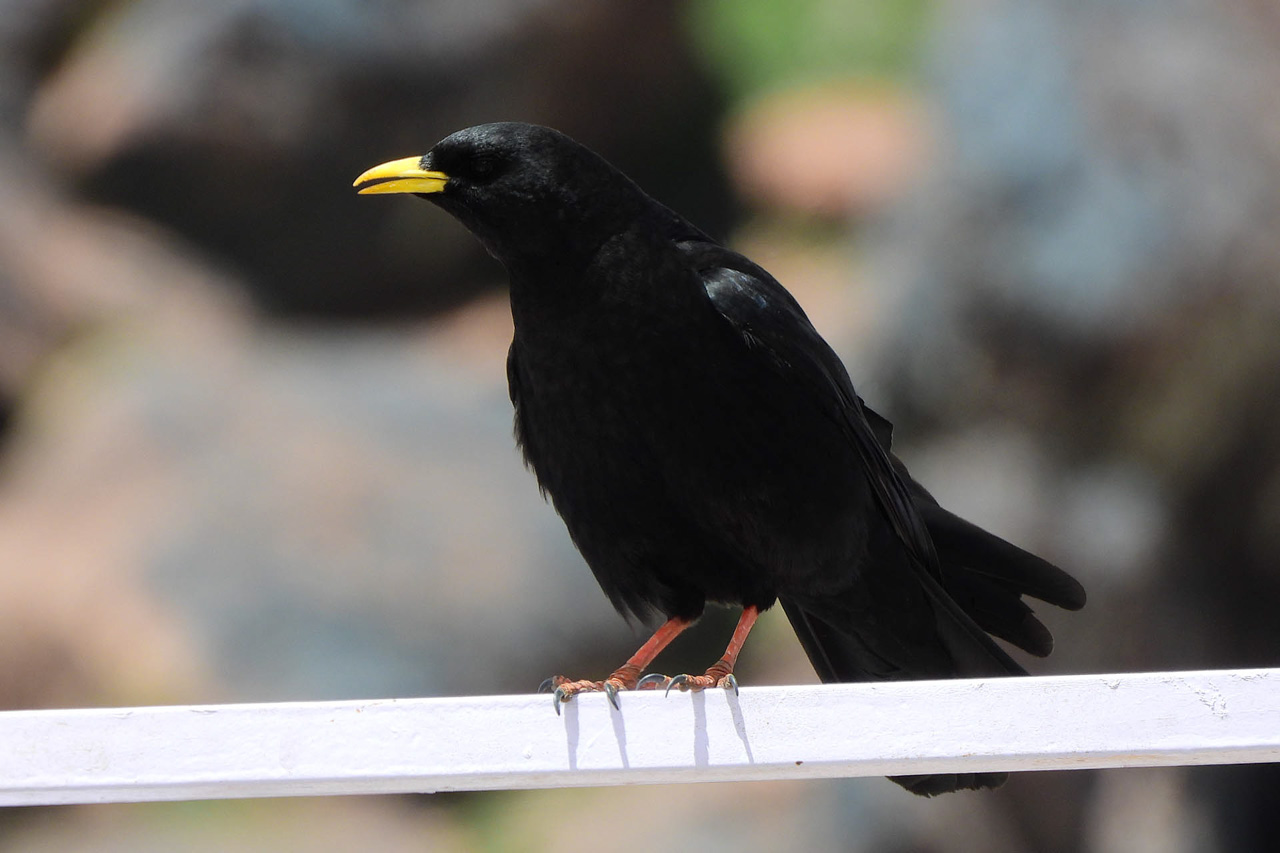
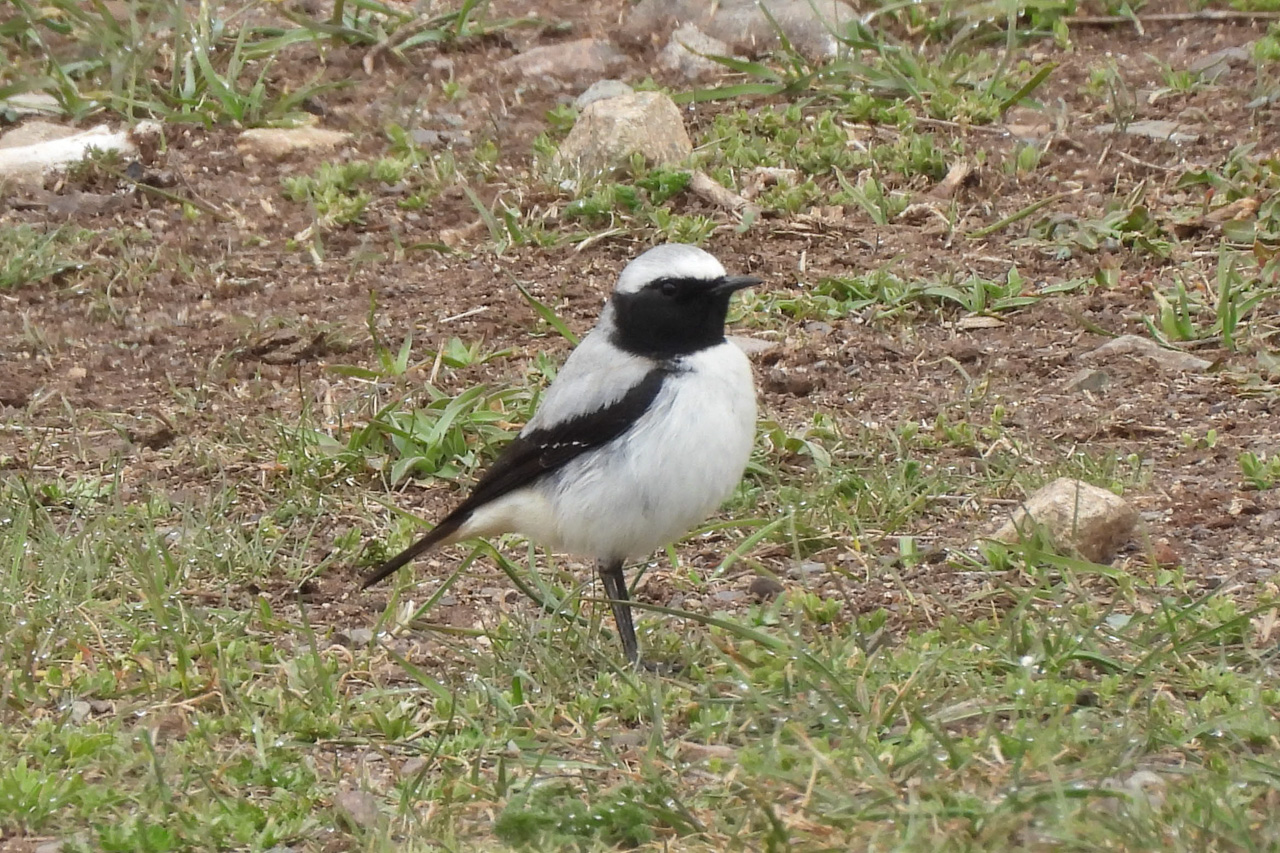
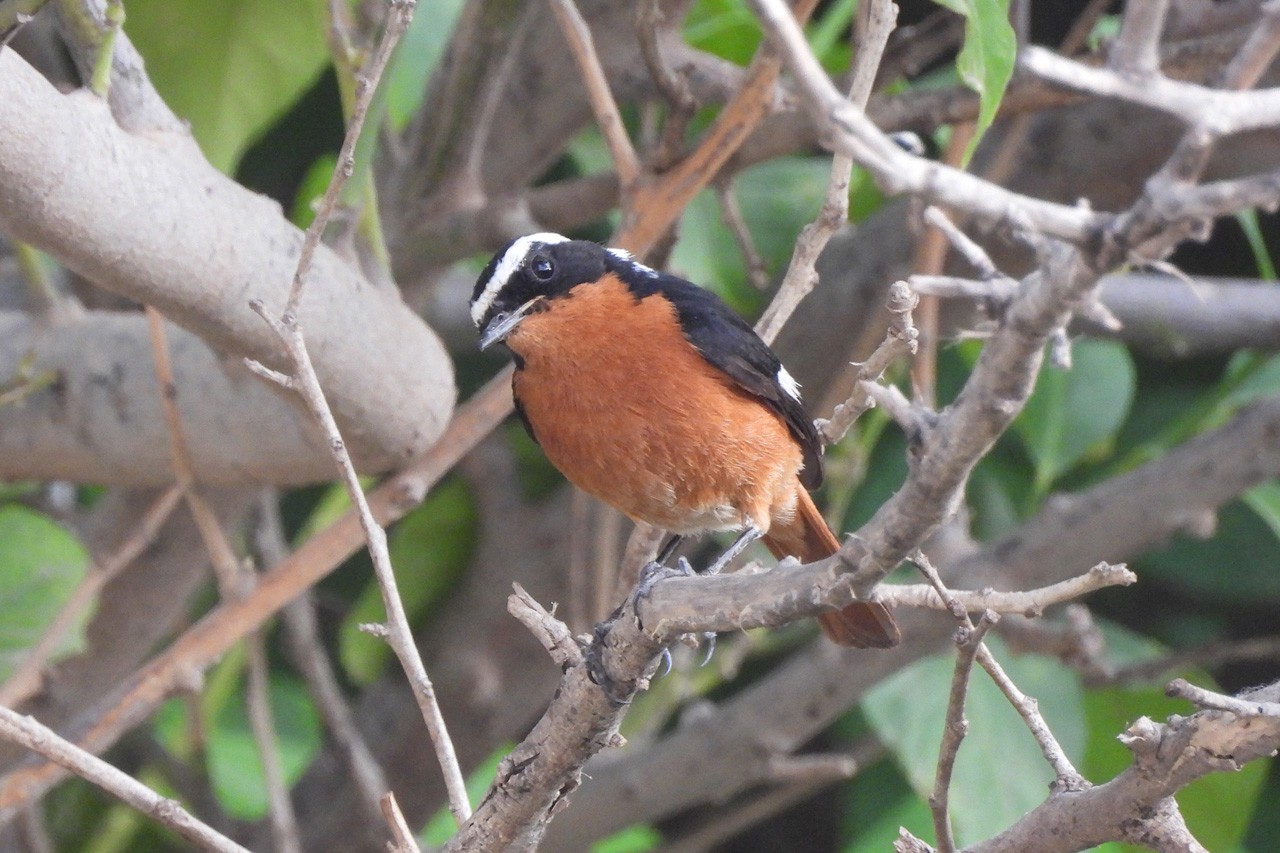
The expedition commenced on April 8 in Marrakesh, where participants established a baseline for the trip by observing resident species such as the Common Bulbul and House Bunting in the city’s peripheral gardens. The initial phase of the tour focused on the High Atlas Mountains, particularly the Oukaimeden Plateau. Despite the presence of lingering snowpack, the alpine meadows were already exhibiting signs of spring, highlighted by the blooming of Narcissus bulbocodium. Avian observations here included the high-altitude specialist Crimson-winged Finch, alongside Red-billed and Alpine Choughs and the endemic Atlas Wheatear.
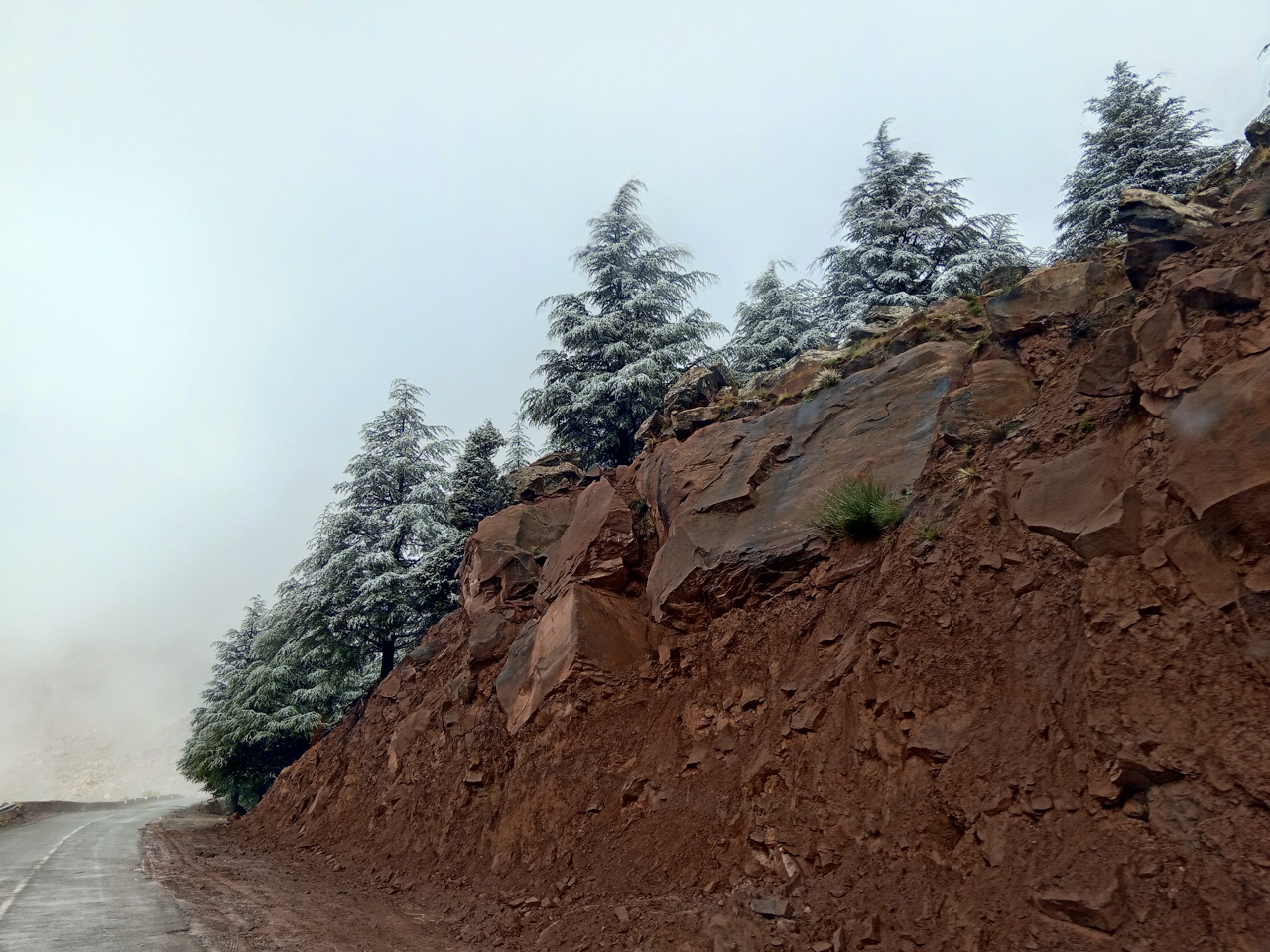
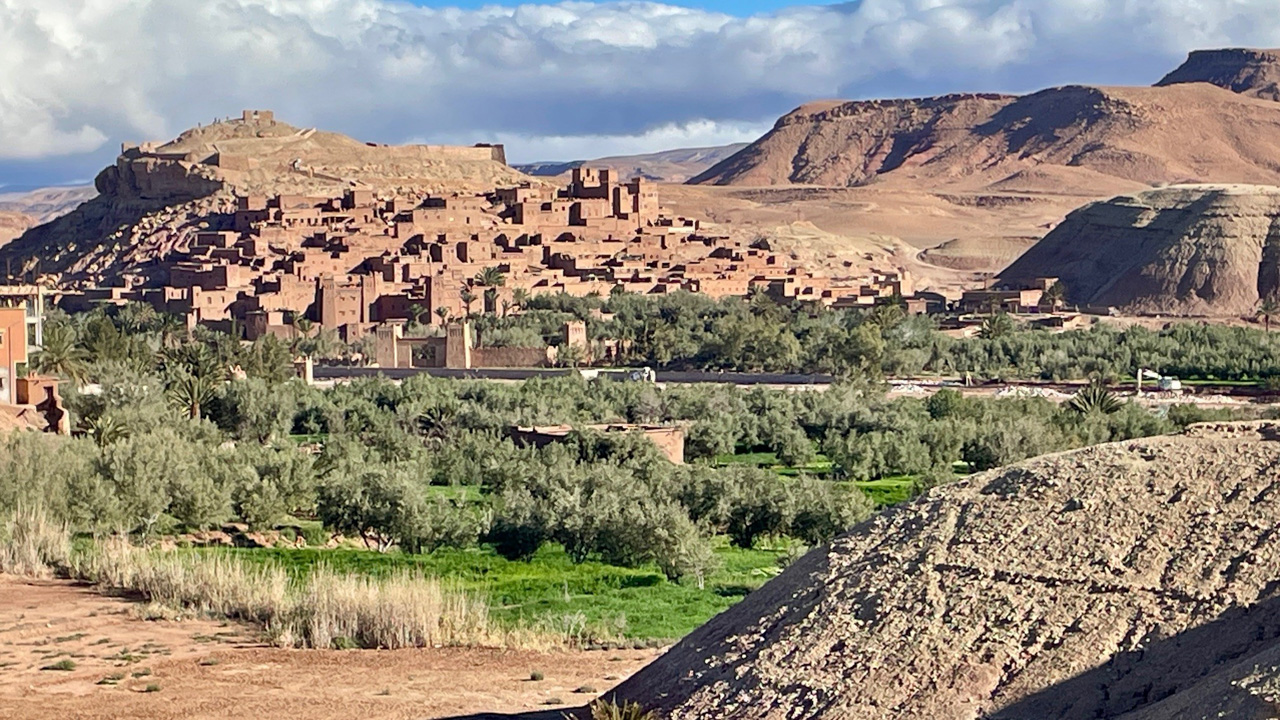
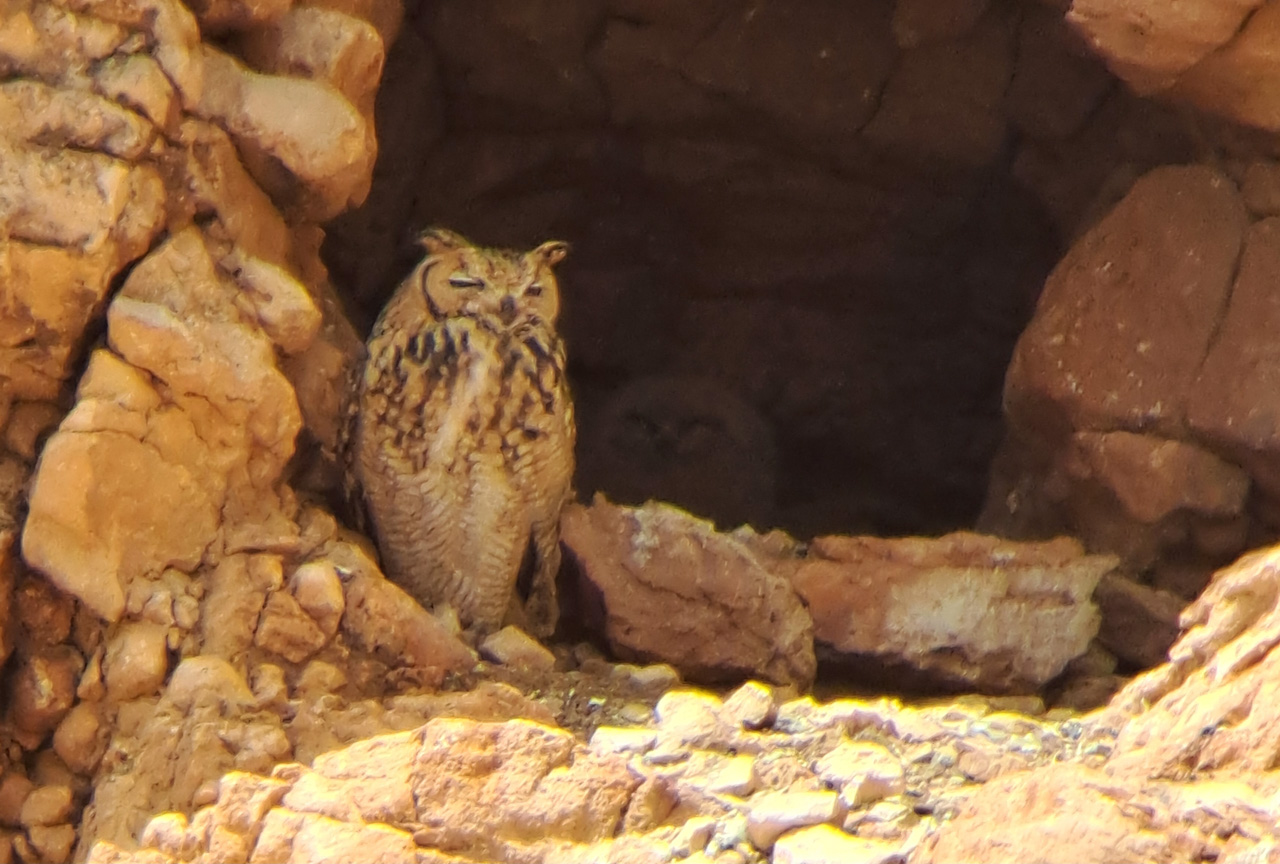
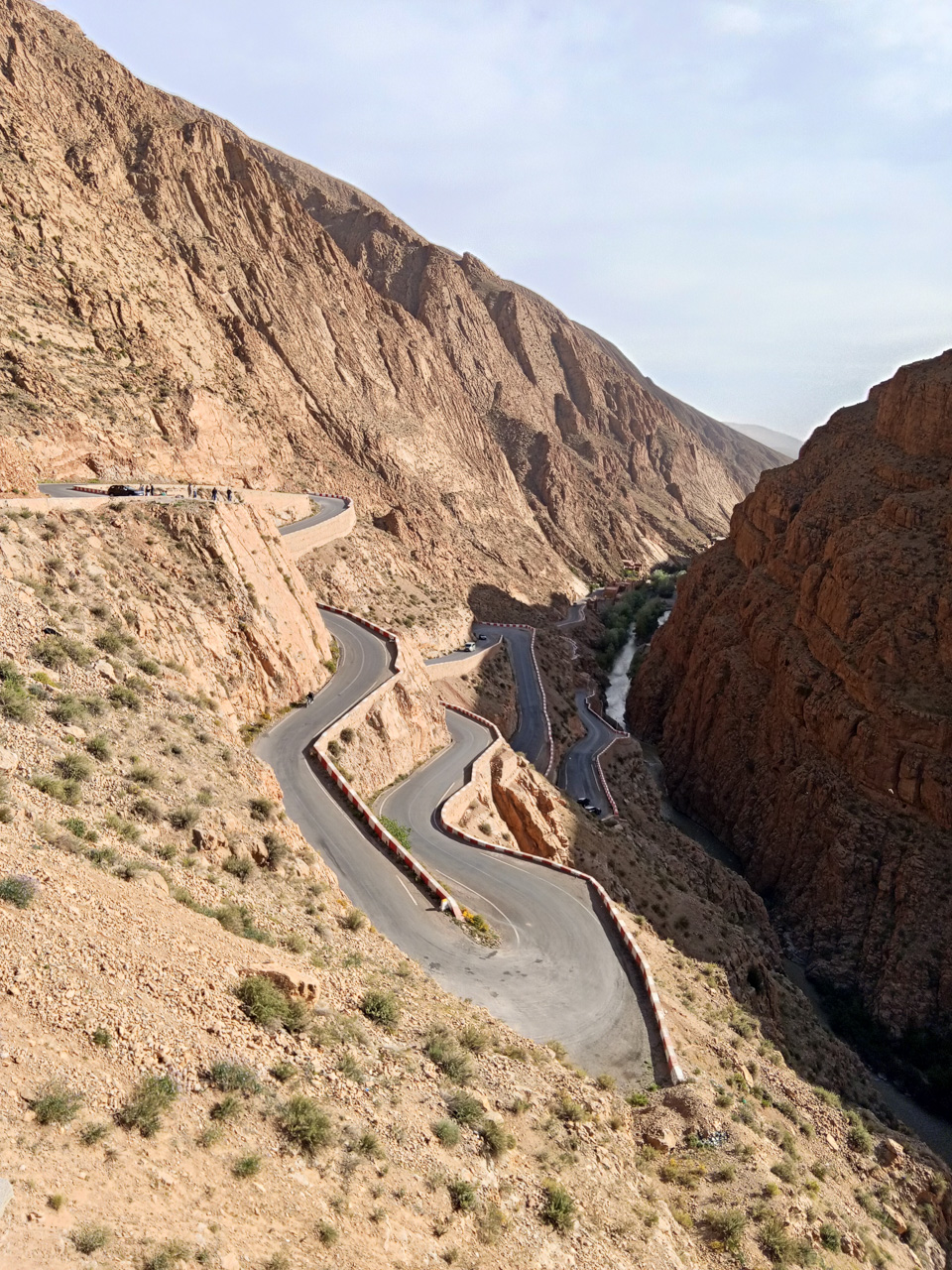
By the third and fourth days, the team transitioned through the Tizi n’Tichka Pass, reaching the historic site of Ait Ben Haddou. The route provided opportunities to document species adapted to the rocky, semi-arid slopes of the central valleys, including the Black Wheatear and the White-crowned Wheatear. The mid-expedition period, centered around the "Tagdilt Track" and the Dades Gorges, proved to be one of the most productive segments of the journey. Here, the team conducted surveys of the rocky hamada, noting several species of larks—including the Temminck’s and Desert larks—as well as the Pharaoh Eagle-Owl, a species highly prized by ornithologists for its elusive nature.

As the tour progressed toward the eastern desert regions, the team arrived at the dunes of Erg Chebbi. This landscape, while harsh, functions as a vital stopover for migratory passerines. Observations at the ringing station near the hotel emphasized the density of the spring movement, with various warblers and raptors utilizing the oasis environments. The final leg of the tour involved a transit back to the Atlantic coast, with significant stops at Tamri and the Souss Massa National Park, culminating in an assessment of the northern coastal wetlands and estuaries.

Ecological Significance and Regional Biodiversity
The diversity of the birdlife observed is a direct result of Morocco’s complex geography. The country hosts a unique intersection of Mediterranean, Saharan, and Atlantic climate zones. The Souss Massa National Park, in particular, remains a focal point for international conservation efforts, as it supports the primary wild population of the Northern Bald Ibis. This species, once widespread across Europe and North Africa, had been reduced to a critically endangered status due to habitat loss and pesticide use. The continued presence and successful monitoring of the Ibis colony in Souss Massa represent a notable success in North African conservation biology.
The expedition also highlighted the role of traditional agricultural practices in maintaining biodiversity. The visit to the Rissani palm groves and the subsequent tour of Argan oil cooperatives demonstrated how human-modified landscapes—such as the khettara irrigation systems—provide essential water sources and cover for migratory birds in arid environments. These man-made micro-habitats act as critical "refueling stations" for species that would otherwise be unable to cross the Sahara.
Data-Driven Observations and Species Highlights
Throughout the thirteen-day itinerary, the team compiled a significant observational database. Key species identified during the survey included:
- Raptors: The team recorded multiple sightings of the Bonelli’s Eagle, Lanner Falcon, and the widespread Western Osprey, which frequents the coastal estuaries during its northern transit.
- Desert Specialists: Beyond the Pharaoh Eagle-Owl, observers noted the Crowned and Spotted Sandgrouse, which exhibit highly specialized behaviors in order to drink from limited water sources in the desert.
- Passerine Migrants: The presence of various Western Yellow Wagtails and numerous warbler species confirmed that the 2026 spring migration was proceeding in line with historical seasonal patterns.
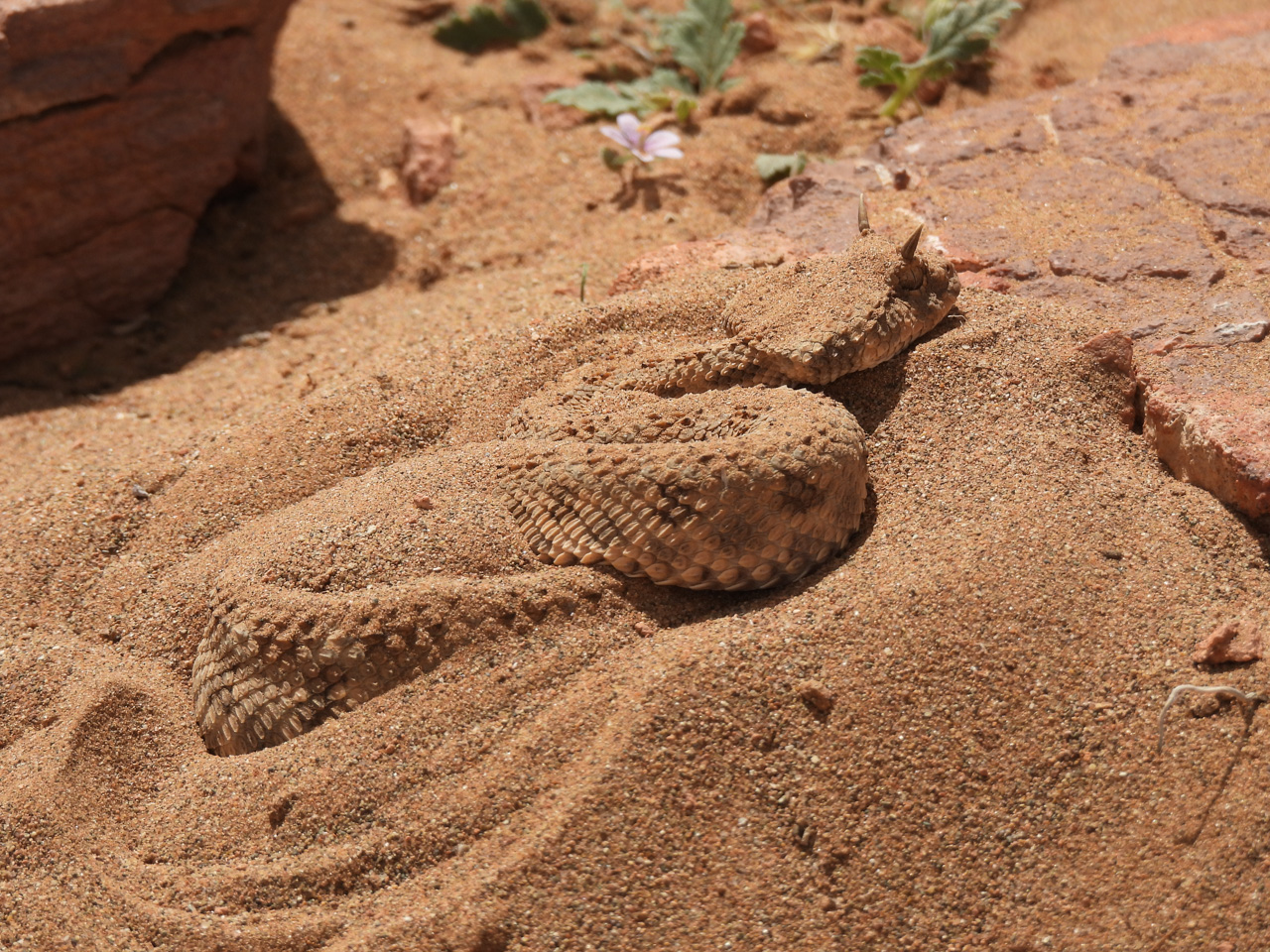
- Herpetological and Floral Observations: The survey was not limited to avian species. The documentation of the Saharan Horned Viper and the Golden and Margarita’s Fringe-fingered Lizards provided insight into the broader desert ecosystem. Botanical highlights, such as the Yellow Cistanche and the hardy Euphorbia officinarum, underscored the resilience of the regional flora.
Implications for Conservation and Tourism
The success of this expedition highlights the growing importance of "birding tourism" as a driver for conservation in North Africa. By bringing international attention to specific sites like the Tagdilt Track and the Souss Massa coast, such initiatives provide local communities with economic incentives to preserve rather than develop sensitive habitats.
Furthermore, the data collected by touring groups serves as an informal yet valuable resource for researchers. Observations regarding the arrival times of migrants and the health of resident populations contribute to the broader understanding of how climate change is influencing migration phenology. The 2026 expedition noted that while the intense heat presented challenges, the bird populations remained consistent with historical expectations, suggesting that these regions remain stable refuges despite global climatic fluctuations.
Challenges and Future Outlook
The logistics of navigating the Moroccan landscape require a deep understanding of the local ecology and geography. The team’s reliance on local expertise was critical, particularly when accessing the remote cliffs of the Dades Gorges or the restricted access points within the coastal national parks. The integration of local guides and the utilization of established ringing stations ensure that tourism activities remain low-impact and ecologically responsible.
Looking forward, the preservation of the Argan Biosphere Reserve and the ongoing protection of the coastal estuaries will be the primary determinants of whether these areas continue to host such high levels of biodiversity. The 2026 spring tour serves as a testament to the resilience of Morocco’s natural heritage and the ongoing necessity of maintaining protected status for its most vital, yet vulnerable, migratory stopovers. As global awareness of avian decline grows, the role of Morocco as a sentinel for Mediterranean and Saharan migratory health will only increase in significance, necessitating continued international cooperation and local vigilance.
In summary, the April 2026 tour not only succeeded in achieving its observational objectives but also reaffirmed the value of Morocco as one of the world’s premier destinations for ornithological study. By fostering a connection between the visiting observers and the indigenous wildlife, the expedition helped to bridge the gap between recreational birding and the serious, ongoing work of habitat conservation in an increasingly fragile global ecosystem.
