

The landscape of wildlife conservation in Central America relies heavily on a synergistic relationship between permanent professional staff and international volunteers. This dynamic is prominently visible at the Toucan Rescue Ranch (TRR) in Costa Rica, where the integration of global participants into daily operations serves as a cornerstone for both animal rehabilitation and organizational sustainability. Recently, Kim Schafroth, a communications student from Switzerland, concluded a two-month residency at the facility, providing a comprehensive look into the rigorous demands and educational opportunities inherent in modern wildlife rescue efforts. During her tenure, Schafroth operated within two distinct yet interconnected departments: the Animal Care Team and the Marketing Team, highlighting the multi-disciplinary approach required to manage a high-functioning rescue center.
Institutional Background and Mission of the Toucan Rescue Ranch
Founded in 2004, the Toucan Rescue Ranch has evolved from a small rescue center focused primarily on birds into a sophisticated, multi-species facility. Its mission is centered on the rescue, rehabilitation, and eventual release of Costa Rican wildlife. The ranch operates in a country that, despite its small geographic footprint, contains nearly 6% of the world’s biodiversity. This biological richness faces constant threats from habitat fragmentation, illegal poaching, and the encroachment of urban infrastructure.
The facility’s operations are divided between its headquarters in San Josecito, Heredia, and a release site in Sarapiquí. The Heredia location serves as the primary intake and medical center where injured, orphaned, or confiscated animals receive specialized veterinary care. For volunteers like Schafroth, this environment provides a rare vantage point into the complexities of neonatal care for sloths, the dietary management of various toucan species, and the behavioral rehabilitation of mammals such as grisons and otters.
Operational Chronology: The Daily Life of a Wildlife Volunteer
The operational day at the Toucan Rescue Ranch is governed by a strict chronological schedule designed to meet the biological needs of a diverse animal population. The routine begins at 07:00 with a mandatory briefing where the overnight occurrences are reviewed and the day’s objectives are established. This meeting ensures that any changes in an animal’s medical status or behavioral patterns are communicated across the team.
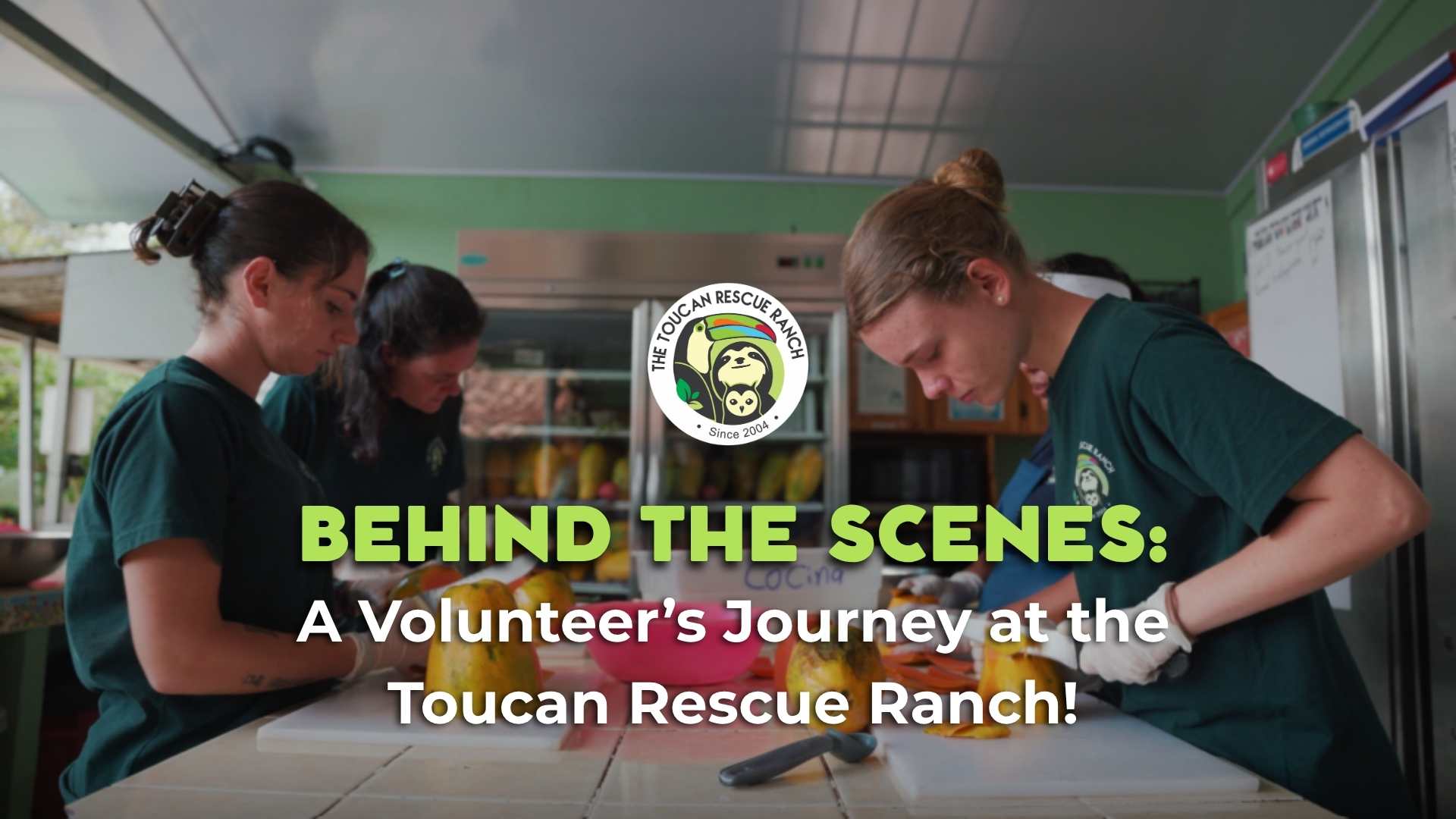
Following the briefing, the workforce is bifurcated. One group manages the "bird kitchen," a high-volume food preparation area where hundreds of pounds of fresh fruit are processed daily. Simultaneously, the sanctuary team performs sanitation duties, cleaning and refilling water trays within the permanent resident enclosures. The ranch emphasizes that while release is the primary goal, some animals remain in permanent sanctuary due to injuries or habituation that would preclude their survival in the wild.
The mid-morning period focuses on specialized mammal care. A notable resident, Emma the North American river otter, requires a specific feeding protocol that includes live or fresh trout, which she consumes in her aquatic enclosure. This period also involves the cleaning of enclosures for grisons—small, carnivorous mustelids native to Central and South America.
A critical component of the afternoon schedule is the implementation of environmental enrichment. Enrichment is a scientifically recognized practice used to stimulate the natural instincts of captive animals. At TRR, this involves the creation of "fruit trees" for avian species, "tamales" wrapped in banana leaves for mammals to encourage foraging, and frozen treats to assist with thermoregulation during high-temperature days.
The late afternoon is dedicated to nocturnal and crepuscular species. Volunteers monitor and feed kinkajous, porcupines, and pacas as they begin their active cycles. The day concludes with the feeding of raptors and a final round of enclosure sanitation and dishwashing, ensuring the facility is prepared for the following morning’s intake.
Infrastructure and the Volunteer Community
To sustain its international volunteer program, the Toucan Rescue Ranch maintains a dedicated infrastructure located approximately two minutes from the main headquarters. The volunteer house functions as a communal living space, designed to foster a sense of international cooperation and cultural exchange.
The residence is structured to accommodate both short-term volunteers and long-term interns. The ground floor features a dormitory with three bunk beds and a private room, alongside two bathrooms, a kitchen, and a communal living area. The upper level is reserved for interns, with two larger rooms capable of housing six and three individuals, respectively, each equipped with private bathrooms.
This living arrangement is vital for the ranch’s operational success. By providing a stable, social environment, the organization ensures that volunteers—many of whom are traveling solo from Europe, North America, and beyond—are integrated into a supportive network. Schafroth noted that the transition into this community was facilitated by a structured orientation process, where veteran staff and interns explain the complex routines of the facility.
The Role of Education and Professional Development
The Toucan Rescue Ranch distinguishes itself through its commitment to the professional development of its participants. Beyond manual labor, volunteers are required to attend educational lectures led by the ranch’s veterinary team. These sessions cover topics such as avian anatomy, the pharmacology of wildlife rescue, and the ethics of animal rehabilitation.
Schafroth’s experience underscores the educational value of the program. Coming from a communications background, she was able to apply her academic training during her second month by joining the Marketing Team. This role involved documenting the ranch’s success stories, managing digital outreach, and assisting with the educational campaigns that fund the facility’s non-profit mission.
The integration of marketing and animal care is a strategic necessity. Wildlife rescue is an expensive endeavor, requiring significant capital for specialized food, medical supplies, and facility maintenance. By involving volunteers in the communication process, the ranch creates global ambassadors who can speak authoritatively about the challenges facing Costa Rican wildlife.
Analysis of Impact: The Broader Conservation Context
The presence of volunteers like Schafroth at the Toucan Rescue Ranch has implications that extend beyond the immediate care of individual animals. From a data-driven perspective, the labor provided by international volunteers allows the ranch to maintain a high staff-to-animal ratio that would be financially impossible under a traditional employment model.
Furthermore, the ranch’s focus on "respecting boundaries" and recognizing that "they are wild animals" reflects a modern shift in conservation philosophy. Unlike traditional zoos or "petting" sanctuaries, TRR enforces a strict no-contact policy for animals slated for release. This protocol is essential to prevent human habituation, which is a leading cause of failed reintroduction programs.
Schafroth’s reflection on her time at the ranch highlights several key outcomes:
- Skill Acquisition: Volunteers develop technical skills in animal husbandry and dietetics.
- Behavioral Adaptation: Participants learn to read the "personalities" and stress signals of different species, allowing for safer and more effective care.
- Soft Skill Development: The high-pressure environment fosters patience, teamwork, and cross-cultural communication.
Conclusion and Future Implications
The Toucan Rescue Ranch serves as a vital node in the global network of wildlife conservation. By hosting individuals like Kim Schafroth, the organization achieves a dual purpose: the immediate physical rehabilitation of endangered and threatened species, and the long-term cultivation of a conservation-minded global citizenry.
As Costa Rica continues to navigate the balance between economic development and environmental preservation, facilities like TRR will remain essential. The data collected during these volunteer residencies often contributes to broader scientific understandings of species behavior and health. For the volunteers, the experience often serves as a career-defining period, bridging the gap between theoretical environmentalism and the grueling, rewarding reality of fieldwork.
The success of Schafroth’s two-month tenure—concluding with a deep appreciation for the welcoming nature of the Costa Rican people and a refined understanding of wildlife management—serves as a testament to the efficacy of well-managed volunteer programs. For those looking to gain unique insight into the rescue, rehabilitation, and release of wildlife, the Toucan Rescue Ranch remains a premier institution for hands-on involvement in the fight against biodiversity loss.
