
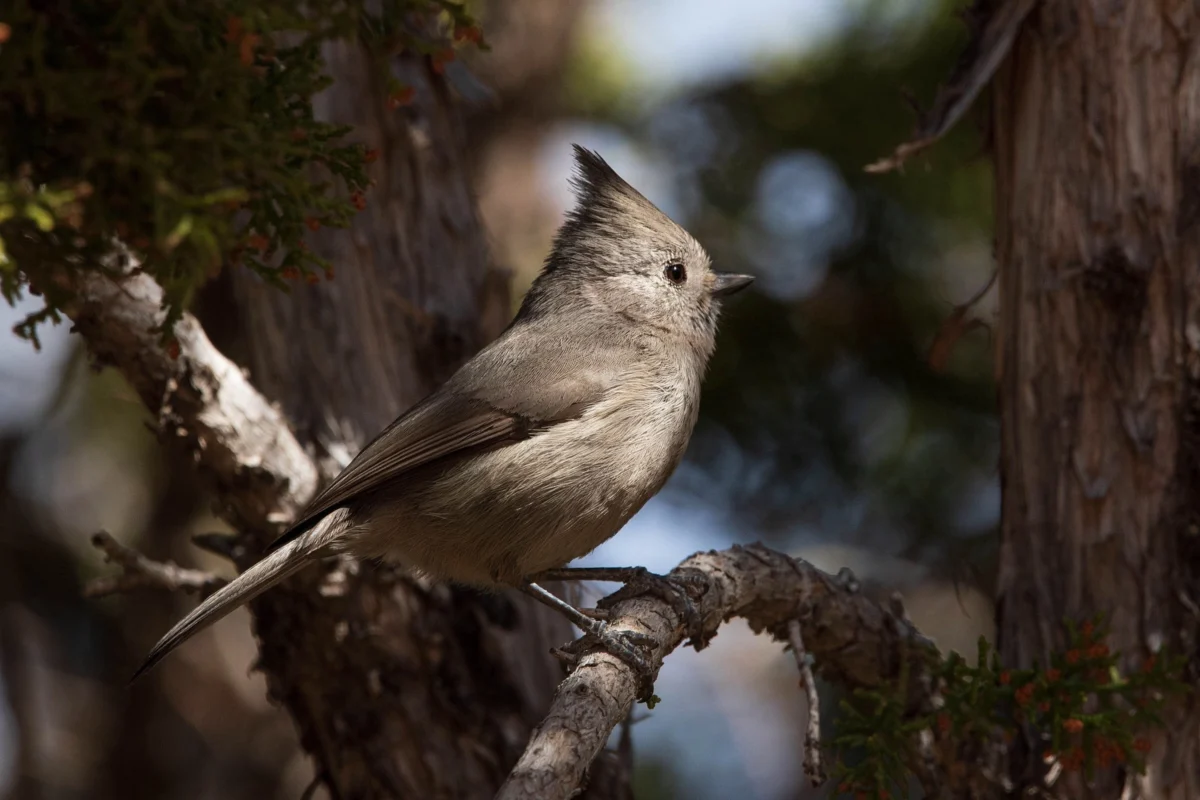
As New Mexico grapples with the accelerating realities of climate change—characterized by persistent multi-year droughts, intensified wildfire seasons, and a dwindling mountain snowpack—a new report has emerged advocating for a strategic shift toward nature-based solutions (NbS) to safeguard the state’s ecological and economic future. The report highlights that while New Mexico ranks as the fourth most biodiverse state in the United States, its unique habitats are reaching a critical tipping point that threatens both wildlife populations and human infrastructure.
The comprehensive analysis argues that by integrating ecological restoration into the state’s broader climate strategy, policymakers can create a dual-purpose framework: one that acts as a natural buffer against environmental volatility while simultaneously driving rural economic development.
The Ecological Stakes in the Land of Enchantment
New Mexico’s biodiversity is intrinsically linked to its riparian corridors and high-altitude forests. These regions serve as the "arteries" of the state, supporting a vast array of at-risk bird species and essential water resources. However, these zones are currently under unprecedented strain. According to data from the U.S. Drought Monitor, large portions of New Mexico have experienced moderate to exceptional drought conditions for several years, leading to the desiccation of vegetation and the depletion of aquifers.
The loss of snowpack—a critical natural reservoir that provides slow-release water throughout the spring and summer—has exacerbated the stress on these ecosystems. As temperatures continue to rise, the risk of high-intensity wildfires increases, further degrading the soil and reducing the landscape’s capacity to absorb moisture. When these habitats are compromised, the state loses its most effective, cost-efficient infrastructure for carbon sequestration and water management.
Defining Nature-Based Solutions as Critical Infrastructure
The core thesis of the report is that nature-based solutions should not be viewed as an alternative to industrial-scale climate policy, such as the transition to renewable energy or the reduction of carbon emissions, but as a necessary complement. The report defines NbS as proactive interventions that leverage natural processes to provide measurable benefits. These include, but are not limited to, the restoration of wetlands to mitigate flood damage, the thinning of forests to prevent catastrophic wildfire, and the improvement of soil health to enhance water retention.
From a fiscal perspective, the report suggests that NbS function as "critical infrastructure." By functioning as a natural sponge, restored landscapes reduce the long-term costs associated with disaster recovery, infrastructure repair, and water treatment. The report explicitly states that these projects "support job creation, strengthen rural economies, and reduce long-term infrastructure and disaster recovery costs," providing a compelling economic argument for lawmakers who may be hesitant to prioritize conservation based on ecological merits alone.
Chronology of Conservation and Legislative Evolution
The movement toward formalizing nature-based solutions in New Mexico has been a multi-year effort involving a coalition of environmental groups, agricultural stakeholders, and state agencies.
- 2019-2021: Early discussions began regarding the state’s climate mandate, leading to increased focus on the "30 by 30" conservation goal—an initiative to protect 30% of lands and waters by 2030.
- 2022: The New Mexico Environment Department’s River Stewardship Program began receiving more robust interest and funding, focusing on private-public partnerships to restore river health.
- 2023: State agencies, alongside organizations like Audubon Southwest, began synthesizing data on how forest thinning projects specifically correlate with water table stability.
- 2024: The release of the current report serves as a roadmap for the upcoming 2027 legislative cycle, aiming to transition from pilot programs to state-wide implementation.
Existing Programs and Current Implementation
New Mexico is not starting from zero. Several existing programs serve as models for the scaling efforts recommended in the report. The River Stewardship Program, for example, has successfully engaged private landowners in restoring riparian habitats that are essential for migratory bird species. By providing grants, the state incentivizes private entities to undertake work that benefits the public commons.
Similarly, the Soil and Water Conservation Districts have been instrumental in addressing the erosion issues that plague New Mexico’s arid landscapes. By improving soil health, these districts help farmers and ranchers maintain productivity during drought years, thereby keeping rural economies resilient.
The Audubon Conservation Ranching Program represents a unique intersection of private enterprise and ecological health. By working with ranchers to implement bird-friendly practices—such as rotational grazing and the restoration of native grasses—the program proves that profitability and sustainability are not mutually exclusive. When grasslands are restored, they provide critical nesting habitats for birds while simultaneously increasing the carbon-sequestration potential of the soil.
Future Legislative Outlook
As the state prepares for the legislative session beginning in January 2027, advocates are setting their sights on securing increased funding for these existing programs. The objective is to move beyond disparate, localized projects toward a comprehensive state-wide strategy. This includes deepening partnerships between agencies such as the Energy, Minerals and Natural Resources Department (EMNRD) and the Environment Department to ensure that forest health and water quality initiatives are coordinated rather than siloed.
Legislative analysts suggest that the political appetite for these initiatives is growing. As the costs of fighting wildfires and managing water shortages continue to rise, lawmakers are increasingly viewing nature-based interventions as a fiscally responsible alternative to reactive emergency spending.
Economic and Public Health Implications
The broader impacts of this shift extend beyond environmental conservation. Public health, for instance, is directly tied to the health of the local environment. Reduced wildfire frequency leads to better air quality, while protected watersheds ensure more reliable access to clean water for urban and rural populations alike.
Furthermore, the expansion of these projects creates demand for a specialized workforce. Restoration ecology, sustainable forestry, and regenerative agriculture require skilled labor, which can provide a significant boost to rural economies that have historically struggled with job stability. The report emphasizes that by investing in the land, the state is investing in its citizens.
Fact-Based Analysis of Future Challenges
While the recommendations in the report are promising, the path to implementation faces significant hurdles. First is the issue of scale; small-scale pilot projects, while successful, must be expanded significantly to make a regional impact on climate resilience. This requires sustained political will and long-term budgetary commitments that can survive shifting political administrations.
Second is the complexity of land ownership in New Mexico. With a mosaic of federal, state, tribal, and private land, achieving a cohesive strategy for landscape-scale restoration requires high-level inter-jurisdictional cooperation. The report hints at the need for robust mediation and shared management frameworks, particularly when dealing with water rights and forest access.
Third, the success of these programs relies on the ongoing participation of private landowners. The state must continue to offer financial and technical support to ensure that farmers and ranchers can afford to implement bird-friendly or water-saving practices. If the economic burden of these changes falls too heavily on the private sector, the momentum for large-scale adoption could stall.
Conclusion
The new report provides a clear, actionable path forward for New Mexico. By leveraging the state’s natural assets, policymakers have the opportunity to transform New Mexico into a national leader in climate resilience. Whether through forest thinning, riparian restoration, or soil health initiatives, the message remains consistent: the tools required to survive a changing climate are already embedded in the landscape. The challenge now lies in providing the funding, political support, and collaborative framework necessary to scale these solutions before the window for effective intervention narrows further.
As the 2027 legislative session approaches, the discourse will likely center on the balance between immediate economic concerns and long-term environmental sustainability. If the state can successfully integrate these nature-based solutions into its core development strategy, it may well provide a blueprint for other arid regions across the American West to follow, ensuring that birds, wildlife, and communities alike can continue to thrive despite the shifting global climate.
