
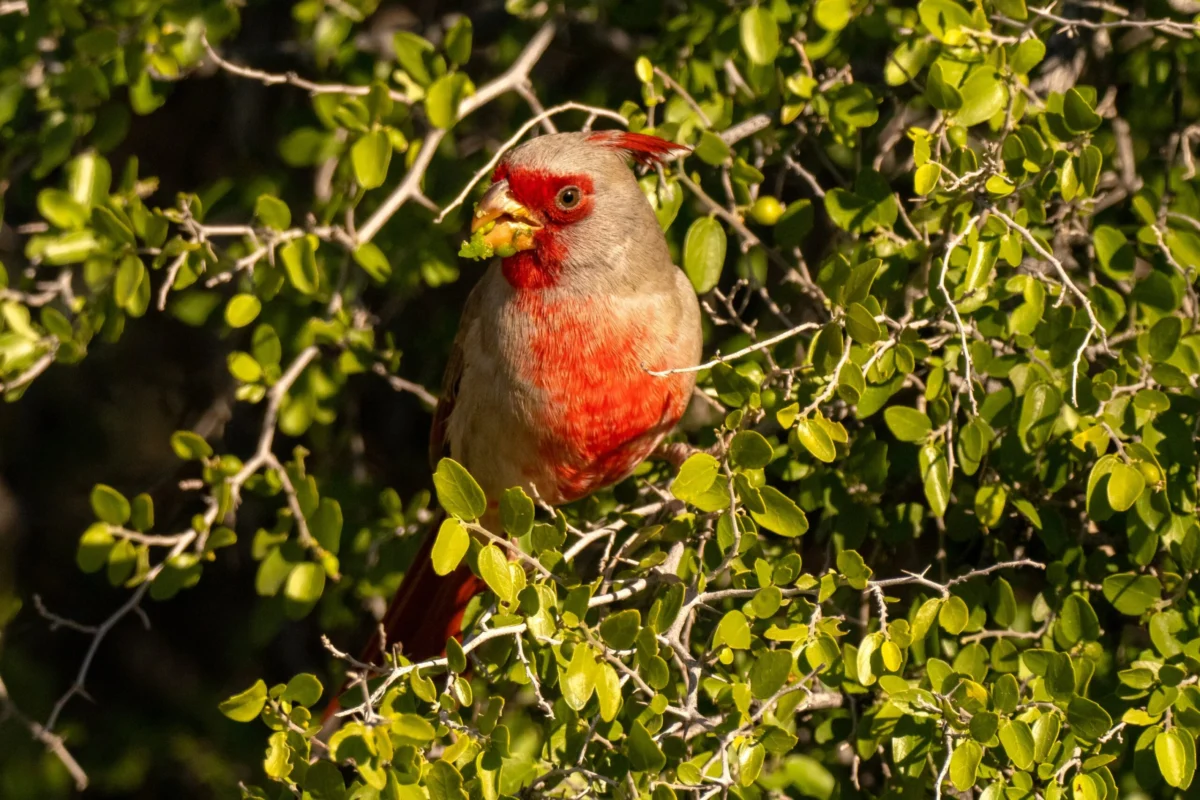
As the desert landscape transitions from the punishing thermal intensity of summer to the milder, more hospitable temperatures of autumn, local nurseries and home improvement retailers across the Phoenix metropolitan area report a significant surge in consumer interest regarding residential landscaping. For residents of the Valley of the Sun, the fall season represents a critical, high-utility window for horticultural investment. Agronomists and local master gardeners emphasize that autumn planting allows root systems to establish themselves during the cooler winter months, providing a vital buffer against the extreme heat of the following summer.
The Strategic Importance of the Autumn Planting Window
In the Sonoran Desert, the seasonal rhythm of horticulture differs significantly from the rest of the United States. While many regions view spring as the primary planting season, the Arizona climate necessitates a shift in focus toward the fall. According to data provided by the University of Arizona Cooperative Extension, plants installed between September and November benefit from soil temperatures that remain warm enough to promote root growth while atmospheric temperatures drop, reducing the risk of transplant shock.
This period of establishment is essential for long-term survival. A plant that has had several months to acclimate to its specific site conditions is statistically more likely to withstand the subsequent "triple-digit" summer temperatures. Without this preparatory period, newly installed vegetation often fails due to water stress and thermal desiccation.
Understanding the USDA Plant Hardiness Zones
A primary point of confusion for new residents and novice gardeners in the Phoenix area is the regional variance in microclimates. The USDA Plant Hardiness Zone Map, which categorizes regions based on their average annual extreme minimum temperature, reveals that the Valley of the Sun is not a monolithic environment.
The Phoenix metro area spans multiple zones, ranging from 9a to 10b. For example, residential properties in the higher elevations of North Scottsdale or Cave Creek experience significantly different frost patterns compared to those in the urban heat island of downtown Phoenix or the lower-lying agricultural zones of Buckeye. Experts advise that consumers verify their specific zip code against current USDA maps before purchasing nursery stock. Failing to account for these localized variations—such as the risk of frost in outlying areas—often leads to the premature loss of tropical or cold-sensitive species.
The Shift Toward Xeriscaping and Native Flora
Over the past decade, municipal water departments in cities like Phoenix, Scottsdale, and Mesa have shifted their messaging toward the adoption of native flora. This policy shift is driven by the ongoing megadrought affecting the Colorado River Basin, which provides a significant portion of the region’s water supply.
Native plants, which have evolved to survive in the arid environment of the Sonoran Desert, offer superior ecological utility compared to non-native, water-intensive landscaping. These plants are uniquely adapted to local soil compositions and historical precipitation patterns, significantly reducing the demand for supplemental irrigation once established.
Evaluating Alternatives to Common Exotic Landscaping
A recurring challenge for local conservationists is the popularity of non-native, high-maintenance ornamental plants. By replacing these with ecologically similar native alternatives, homeowners can maintain aesthetic appeal while contributing to the regional biodiversity.
1. Transitioning from Bougainvillea to Native Passion Vine
While the Bougainvillea (native to South America) is a staple of many desert gardens, it is frequently criticized for its aggressive, thorn-covered growth and high water requirements. In contrast, the native Passiflora arizonica (Arizona Passion Vine) serves as an ideal substitute. This fast-growing vine is capable of significant vertical expansion in a single season. Beyond its structural utility, it provides a vital host-plant service for the Gulf Fritillary butterfly. The plant’s lifecycle—marked by nocturnal blooms and subsequent edible fruit production—creates a dynamic, multi-sensory garden environment that attracts a wider variety of pollinators than standard ornamental exotics.
2. Replacing Hesperaloe with Chuparosa
Hesperaloe, often referred to as "Red Yucca," is a staple of commercial landscaping and highway medians across the Southwest. While hardy, its ubiquity has led to a sense of visual monotony. Horticulturalists suggest Justicia californica, or Chuparosa, as a superior alternative. Thriving in the same full-sun, low-water conditions, the Chuparosa produces vivid, lipstick-red tubular flowers that are specifically evolved to feed the local hummingbird population. By selecting this species, residents can reduce the dependency on artificial nectar feeders, providing a more natural and reliable food source for species like the Anna’s and Black-chinned hummingbirds.
3. Moving Away from Oleander toward Desert Hackberry
Oleander, long used as a privacy screen, presents a dual liability: it is highly toxic to pets and wildlife and is prone to Oleander Leaf Scorch (OLS), a bacterial infection that has decimated populations across the Valley. The Celtis pallida, or Desert Hackberry, offers a robust, evergreen alternative. Unlike the invasive-prone Oleander, the Desert Hackberry provides a dense, protective structure that serves as an essential nesting site for native avian species. Furthermore, its seasonal production of red berries creates a natural food source for migratory birds, such as the Hermit Thrush, fostering a self-sustaining local ecosystem.
The Necessity of Long-term Stewardship
A common misconception among homeowners is that "drought-tolerant" is synonymous with "maintenance-free." This is a dangerous fallacy in the context of desert gardening. Even the most resilient native species require consistent, supplemental water during their first 12 to 24 months of life.
Agronomists stress that installation is only the first step in a longer timeline of stewardship. "Drought-tolerant" refers to a plant’s ability to survive in its native soil once its root architecture is fully developed. Until that maturity is reached, the plant is entirely dependent on the gardener for irrigation and monitoring. Experts recommend a disciplined approach to moisture management, where soil hydration is checked regularly rather than relying on automated systems that may not account for seasonal shifts in evaporation rates.
Broader Implications for Urban Heat and Biodiversity
The cumulative effect of residential landscaping decisions has a measurable impact on the urban environment. The "Right Plant, Right Place" philosophy—a mantra adopted by water conservationists and landscape architects alike—is designed to mitigate the urban heat island effect while preserving the region’s natural heritage.
As the population of the Valley of the Sun continues to grow, the pressure on municipal resources remains high. Landscaping that prioritizes native species acts as a form of urban green infrastructure. By reducing the reliance on imported water for irrigation, residential properties can contribute to the city’s overall resilience in the face of climate change. Furthermore, the integration of these plants into suburban backyards creates "pollinator corridors," allowing insects and birds to move through the urban landscape with greater success.
Summary of Best Practices for Homeowners
To ensure success in future planting cycles, residents are encouraged to adhere to the following professional guidelines:
- Audit Site Conditions: Before purchasing any specimen, observe the site for at least 48 hours. Note the duration of direct sun exposure, drainage patterns, and proximity to structures.
- Consult Local Resources: Organizations such as the Arizona Native Plant Society and local municipal water conservation departments offer extensive databases on plant behavior and maintenance requirements.
- Prioritize Diversity: Avoid planting monocultures. A variety of native species ensures that the garden remains resilient against localized pests or diseases that might target a single species.
- Invest in Soil Health: While native plants are adapted to "poor" soils, the addition of organic mulch around the base of new plantings helps retain soil moisture and suppresses weeds, mimicking the natural forest or desert floor.
In conclusion, while the temptation to purchase the most vibrant or readily available plants at a supermarket is strong, the most successful gardeners in the Valley of the Sun are those who view their garden as an extension of the surrounding Sonoran Desert ecosystem. By aligning residential planting strategies with the realities of the local climate and native biology, homeowners can create spaces that are both beautiful and environmentally responsible, ensuring a sustainable future for the desert landscape.
