
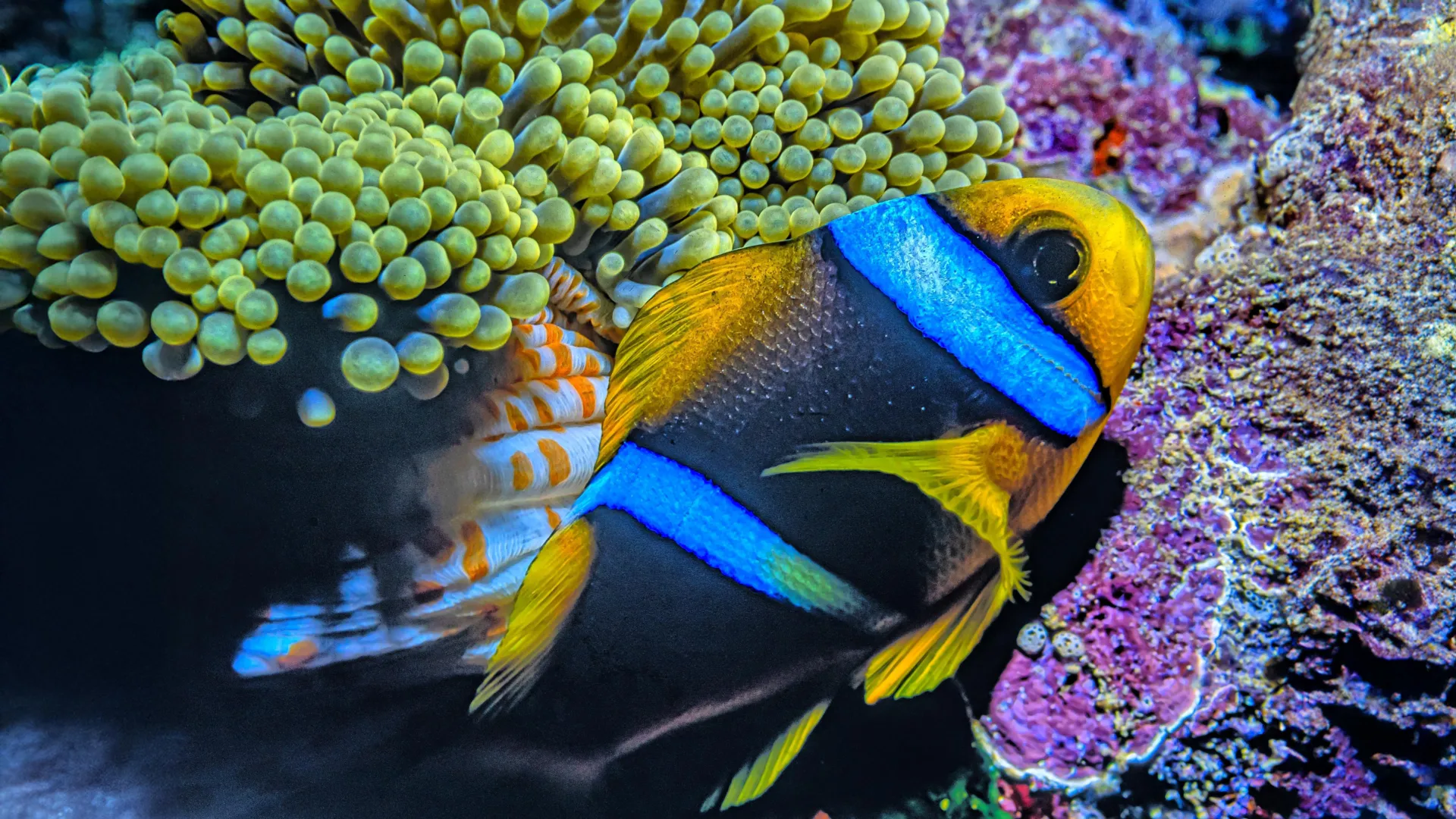
A recent scientific analysis has delivered a sobering assessment of plastic pollution’s reach, confirming its infiltration into even the most geographically isolated Pacific coastal waters. Published on January 28, 2026, in the open-access journal PLOS One, the research reveals that approximately one-third of fish sampled near Pacific Island Countries and Territories (PICTs) contain microplastics. The comprehensive study, spearheaded by Jasha Dehm of the University of the South Pacific, points to particularly alarming contamination levels in Fiji, significantly exceeding global averages and raising urgent concerns about food security, public health, and the efficacy of current waste management strategies in the region.
The Silent Scourge: Microplastics in the Marine Environment
Microplastics, defined as plastic particles smaller than five millimeters, have emerged as a critical global environmental concern. These minuscule fragments originate from a myriad of sources, including the breakdown of larger plastic debris, industrial pellets, synthetic textiles (microfibers from clothing), and microbeads found in personal care products. Once in the marine environment, they become ubiquitous, infiltrating ecosystems from the surface to the deepest ocean trenches. Their presence poses documented threats to marine life, leading to ingestion, internal injuries, false satiation, reduced feeding, reproductive issues, and the potential transfer of harmful chemicals and pathogens. For humans, the long-term health implications of consuming seafood contaminated with microplastics and their associated chemical additives remain an active area of research, but potential risks related to endocrine disruption, carcinogenicity, and physical damage are increasingly being investigated.
Despite their apparent remoteness, Pacific Island Countries and Territories are uniquely vulnerable to the impacts of plastic pollution. While often envisioned as pristine paradises, these island nations face a confluence of challenges that exacerbate their exposure. Rapid urban growth, often accompanied by burgeoning populations and increased consumption patterns, frequently outpaces the development of robust waste and water management systems. Many PICTs struggle with limited land for landfills, high costs associated with importing recycling infrastructure, and a lack of resources for effective waste collection and processing. Furthermore, these island communities are heavily reliant on fish for sustenance, income, and deep-rooted cultural practices, making the contamination of marine food sources a direct threat to their well-being and way of life. Until now, a significant gap existed in the scientific literature regarding the prevalence of microplastics in fish commonly consumed across these vital regions, a gap that the new PLOS One study aimed to address.
Uncovering Regional Disparities: A Four-Nation Survey
To bridge this crucial research void, the scientific team undertook an extensive examination of data on 878 coastal fish, encompassing 138 distinct species. These fish were caught by local fishing communities around four key PICTs: Fiji, Tonga, Tuvalu, and Vanuatu. The analysis meticulously drew upon published records from the Global Information Biodiversity Facility (GBIF), a globally recognized open-access data infrastructure for biodiversity information.
The overarching finding indicated that approximately one in three fish contained at least one microplastic particle, a figure that underscores the pervasive nature of this pollutant. However, the study revealed striking disparities in contamination levels across the surveyed islands, highlighting localized pressures and differing environmental conditions. Fiji emerged with the highest contamination rate, where nearly 75% of the sampled fish were found to contain microplastics. This figure stands in stark contrast to the global average of 49% reported in similar studies and is significantly higher than the 5% contamination rate observed in fish sampled from Vanuatu. While microplastics were frequently detected in Fiji’s fish, the actual quantity of plastic found in each individual fish was generally low, suggesting chronic exposure to small fragments rather than episodic ingestion of larger pieces.
The research also identified consistent patterns across species. Two species, the thumbprint emperor (Lethrinus harak) and the dash-and-dot goatfish (Parupeneus barberinus), were present in catches from all four countries. Intriguingly, both species exhibited markedly higher contamination levels in Fiji compared to their counterparts in Tonga, Tuvalu, and Vanuatu, further emphasizing the localized environmental pressures within Fiji’s waters.
Ecological Traits as Predictors of Exposure
Beyond simply quantifying contamination, the research team delved into the ecological factors that might predispose certain fish species to microplastic ingestion. By leveraging information from a global database of fish species, they analyzed how various ecological traits—such as diet, feeding behavior, and habitat—influenced the rates of microplastic contamination.
The findings revealed clear correlations. Fish associated with coral reefs and those that inhabit the seafloor were significantly more likely to contain microplastics than species found in lagoons, coastal waters, or the open ocean. This suggests that the benthic and reef environments, often close to human settlements and waste runoff, act as significant reservoirs for microplastic accumulation. Furthermore, species whose diets consist primarily of invertebrates, those that forage along the bottom sediments, or those that employ ambush strategies to catch their prey, also showed elevated rates of contamination compared with other fish. These feeding behaviors likely increase their exposure to microplastics settled on the seafloor or mixed within the sediment, which they inadvertently ingest alongside their natural prey. These ecological insights are critical for identifying specific ecosystems and fishing communities most at risk.
Fiji’s Elevated Risk: A Confluence of Factors
The study’s stark revelation of Fiji’s exceptionally high contamination levels—nearly 75% of sampled fish—demands particular attention. The researchers suggest that this elevated rate may be attributed to a combination of factors prevalent in the island nation. Fiji, as a major economic hub and a relatively more developed PICT, experiences greater population density, more extensive coastal development, and consequently, a higher volume of waste generation. Compared to its neighboring islands, Fiji’s waste management systems, while developing, may not yet be adequately equipped to handle the rapid increase in plastic consumption, leading to a higher leakage of plastics into the marine environment. This points to a systemic challenge where urbanization and development, without commensurate improvements in infrastructure, can inadvertently heighten environmental risks. The dominance of fibers in the samples, as highlighted by Dr. Rufino Varea, further suggests that textile and fishing gear-derived contaminants are pervading these ecosystems, not just visible litter.
Broader Implications: Food Security, Health, and Policy
The findings of this study resonate deeply with the critical challenges facing Pacific communities and the global environmental movement.
Threat to Food Security: For many PICTs, fish is not merely a dietary component but the primary source of protein, essential micronutrients, and a cornerstone of cultural identity and traditional economies. The contamination of reef-associated and bottom-feeding fish, precisely those most accessible to subsistence fishers, presents a direct threat to the food security of millions. This vulnerability is amplified by the fact that global food systems are already under pressure from climate change, overfishing, and economic disparities. The study underscores how synthetic pollution adds another layer of complexity to these existing challenges.
Public Health Concerns: While the study notes that the amount of plastic per fish was low, the sheer frequency of contamination in Fiji and the overall prevalence across the region raise serious public health questions. The long-term effects of chronic microplastic ingestion on human health are still largely unknown, but growing evidence suggests potential risks from chemical leachates (e.g., phthalates, bisphenols), physical damage to tissues, and the transfer of absorbed toxins and pathogens. The reliance of Pacific communities on fish as a primary protein source means their exposure could be significantly higher than in regions with more diversified diets.
The Illusion of Remoteness Shattered: As Dr. Rufino Varea powerfully articulated, this data "shatters the illusion that our remoteness offers protection." For decades, the vastness of the Pacific Ocean was perceived as a natural buffer against industrial pollution. This study definitively disproves that notion, demonstrating that even distant island ecosystems are deeply interconnected with global pollution trends. This realization demands a paradigm shift in how environmental policies are conceived and implemented.
Waste Management Crisis and Policy Failures: The disparities observed between islands, particularly Fiji’s high contamination, underscore the critical need for improved waste management infrastructure and policies across the region. The researchers emphasize that current systems, or the lack thereof, are failing to protect even these remote island ecosystems. Solutions must be tailored to the unique socio-economic and geographical contexts of PICTs, moving beyond traditional models that may not be sustainable or effective in small island developing states.
The Global Plastics Treaty: A Crucial Juncture for Action
This study arrives at a pivotal moment in international environmental policy: the ongoing negotiations for a legally binding Global Plastics Treaty. Initiated by a landmark resolution at the UN Environment Assembly (UNEA 5.2) in March 2022, the treaty aims to address the full lifecycle of plastics, from production to disposal. Several Intergovernmental Negotiating Committee (INC) meetings have already taken place, with nations grappling with the scope and ambition of the agreement.
The findings from the Pacific islands provide critical evidentiary support for a strong, comprehensive treaty. As Dr. Amanda Ford highlighted, "locally generated evidence [is] essential as Global Plastics Treaty negotiations advance and are translated into national policies." The study’s authors, particularly Dr. Rufino Varea, strongly advocate for "upstream solutions" that prioritize strict caps on primary plastic production and bans on toxic additives. He contends that "downstream solutions—such as recycling schemes—[are] insufficient" on their own to address the pervasive nature of this pollution. This perspective aligns with a growing consensus among environmental advocates and scientists who argue that the sheer volume of plastic being produced globally makes it impossible to manage through end-of-life solutions alone. The study’s focus on microfibers also points to the need for policies addressing textile waste and fishing gear.
Expert Voices and Calls to Action
The researchers involved in the study have issued urgent calls for action. Jasha Dehm’s statement, "The consistent pattern of high contamination in reef-associated species across borders confirms ecological traits as key exposure predictors, while national disparities highlight the failure of current waste management systems, or lack thereof to protect even remote island ecosystems," underscores both the scientific predictability of exposure and the policy failures that exacerbate it.
Dr. Amanda Ford emphasized the disproportionate impact on PICTs: "While microplastic levels in Pacific fish are generally lower than in many industrialized regions, Pacific communities rely far more heavily on fish as a primary protein source." This dependency makes even relatively lower levels of contamination a significant concern for food security and highlights the need for tailored regional strategies.
Dr. Rufino Varea’s poignant assessment, that the study "delivers a stark warning about the vulnerability of our food systems" and that "the reef-associated and bottom-feeding fish most accessible to our subsistence fishers are acting as reservoirs for synthetic pollution," serves as a powerful call to policymakers. His demand for a Global Plastics Treaty that "enforces strict caps on primary plastic production and toxic additives" is a direct response to the evidence presented, arguing it is "the only viable way to safeguard the health and food security of Pacific peoples."
These findings are likely to prompt strong reactions from regional bodies such as the Pacific Islands Forum, environmental NGOs, and public health organizations. There will be increased pressure on national governments within PICTs to enhance waste management, implement educational campaigns, and advocate robustly on the international stage for a treaty that genuinely addresses the root causes of plastic pollution. International donors and developed nations will also face calls to provide greater support and resources to help PICTs develop sustainable waste infrastructure and research capabilities.
A Path Forward: Research, Policy, and Community Engagement
Moving forward, the study highlights several critical needs. There is an urgent requirement for more comprehensive baseline data across the entire Pacific region to fully map the extent of microplastic pollution and its specific impacts. Further research into the precise health effects of microplastic ingestion on humans, particularly in high-consumption communities, is paramount. Innovative, locally appropriate waste management solutions that account for the unique challenges of island environments are essential. This includes exploring circular economy models, investing in localized processing technologies, and fostering community-led initiatives. Finally, integrating indigenous knowledge and traditional ecological practices into modern conservation and waste management strategies offers a promising avenue for sustainable development and resilience.
This groundbreaking research was made possible through crucial funding from the Asia Pacific Network for Global Change Research (Grant CRRP2022-05MY-Ford), under the project "Establishing Baselines for Marine Plastics and Bridging Indigenous Knowledge with Ocean Policy to Improve Livelihood Security in the Pacific," awarded to AKF. The funders provided financial support for the project but maintained no involvement in the study’s design, data collection, analysis, publication decisions, or manuscript preparation, ensuring the integrity and independence of the scientific findings. The study stands as a stark reminder that global problems demand global solutions, and that the health of the most remote communities is inextricably linked to the actions taken by the world at large.
