
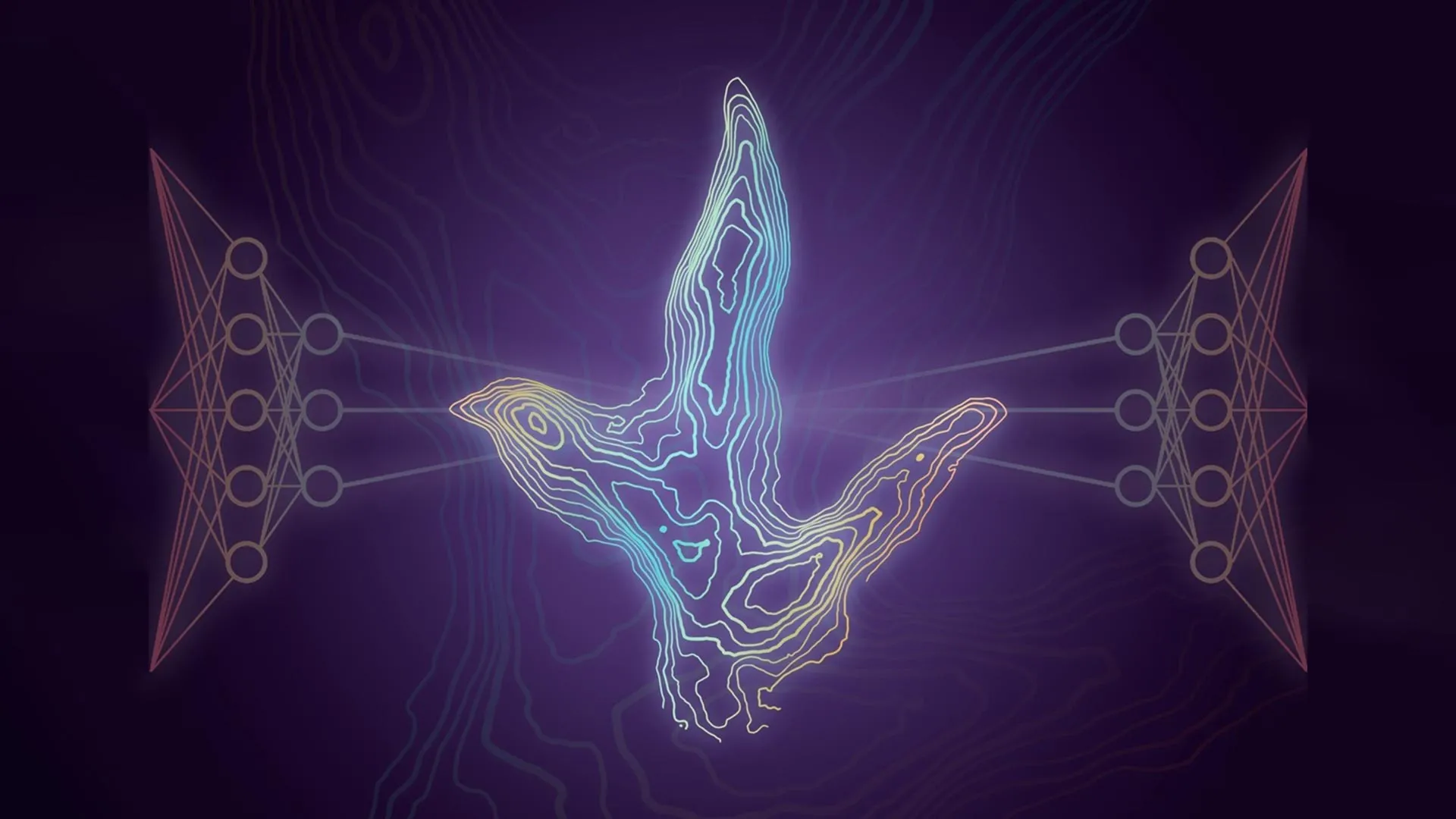
The innovative technology aims to resolve long-standing ambiguities surrounding fossil tracks, a field known as ichnology, which has historically presented significant challenges for researchers. For many years, paleontologists have meticulously studied ancient footprints, often engaging in extensive debates about the creatures that created them. Some tracks are unequivocally attributed to formidable meat-eating predators, while others clearly belong to large, herbivorous dinosaurs. However, a substantial number of trace fossils remain enigmatic, with their origins fiercely debated, some even prompting questions about the involvement of early bird species. This new AI-driven approach promises to bring unprecedented clarity to these prehistoric puzzles, potentially redefining our understanding of ancient ecosystems and evolutionary timelines.
The Enduring Mystery of Ancient Tracks
The study of fossil footprints, or ichnology, offers a unique window into the lives of dinosaurs that skeletal remains alone cannot provide. Tracks capture dynamic moments in time, revealing insights into gait, speed, social behavior, and even the environmental conditions of ancient landscapes. Unlike bones, which represent static biological structures, footprints are direct records of an animal’s interaction with its environment. They can indicate whether a dinosaur was walking alone or in a herd, whether it was running or casually strolling, and even provide clues about its weight and posture.
Despite their immense value, fossil footprints are notoriously difficult to interpret accurately. Several factors contribute to this complexity. Taphonomic processes—the processes by which organisms become fossilized—can significantly alter the original shape of a footprint. The consistency of the substrate (e.g., wet mud, dry sand, volcanic ash), the angle and pressure of the footfall, and subsequent erosion or compaction all play a role in how a track is preserved. A perfectly preserved print is rare; most are distorted, partially eroded, or overprinted by later activity, making definitive identification a formidable task.
Historically, paleontologists have relied on comparative anatomy, expert intuition, and vast databases of known track morphology to classify ichnofossils. This often involved subjective judgments, particularly when dealing with incomplete or ambiguously preserved tracks. The scientific community has long grappled with the inherent biases and uncertainties introduced by these traditional methods, underscoring the need for more objective, data-driven approaches. The sheer volume of discovered tracks globally—from vast trackways in places like Bolivia’s Cal Orcko to the numerous sites across North America, Europe, and Asia—further highlights the scale of this interpretative challenge.
A New Digital Frontier: The DinoTracker App
Addressing these pervasive issues, a groundbreaking new application, dubbed "DinoTracker," is set to revolutionize the field. Developed by a research team led by the Helmholtz-Zentrum research centre in Berlin, in collaboration with the University of Edinburgh, the app harnesses the power of artificial intelligence to provide instant analysis of dinosaur footprints.
The core functionality of the DinoTracker app is remarkably simple yet profoundly impactful. Researchers, amateur enthusiasts, and citizen scientists can now upload a photograph or even a drawing of a fossil footprint directly from their mobile phones. The AI system then processes this input, evaluating the intricate shape and structural characteristics of the track. Within moments, it delivers an estimated identification of the type of dinosaur that most likely created it. This immediate feedback loop represents a significant departure from previous methods, which often required extensive manual analysis and expert consultation, sometimes spanning months or even years for complex cases.
The democratizing potential of such a tool is immense. By making sophisticated paleontological analysis accessible to a wider audience, the DinoTracker app not only accelerates research but also fosters public engagement with science. Imagine a hiker stumbling upon a previously unrecorded trackway in a remote area; with DinoTracker, they could instantly contribute valuable data to the scientific community, bypassing the traditional bottlenecks of formal discovery and identification processes.
Overcoming Traditional Interpretation Hurdles
In the past, the identification of fossil footprints largely depended on manually constructed computer databases. These systems meticulously cataloged specific footprint morphologies and attempted to link them to particular dinosaur species or groups. While invaluable for organizing data, this approach often suffered from inherent limitations. Experts acknowledge that such systems could inadvertently introduce bias, especially when the identity of a track was uncertain, debated, or represented a morphology not yet comprehensively documented. The human element in data entry and interpretation, while essential, also meant that new or ambiguous findings could perpetuate existing uncertainties rather than resolve them.
The new AI-powered methodology directly confronts this challenge by moving beyond pre-defined classifications. To achieve this, the research team developed advanced algorithms that empower computers to "learn" independently how dinosaur footprints vary in shape, rather than being explicitly programmed with rules. This machine learning approach allows the AI to identify subtle patterns and correlations that might escape human observation or be too complex to encode into a traditional database. The AI is designed to be an objective observer, analyzing raw data without preconceived notions about what a certain track should look like.
The Algorithmic Core: Learning from Data
The sophistication of the DinoTracker AI system lies in its rigorous training regimen. The artificial neural network was exposed to a vast and diverse dataset, comprising nearly 2,000 real fossil footprints collected from various geological sites around the world. These real-world examples provided the foundational understanding of actual track morphology.
Crucially, this dataset was augmented with millions of additional simulated examples. These synthetic footprints were not merely duplicates but were meticulously generated to reflect realistic variations that occur during the preservation process. The simulations accounted for phenomena such as:
- Compression: How a foot sinks into soft ground, altering the footprint’s depth and outline.
- Edge Displacement: The way sediment is pushed aside, creating ridges or furrows around the track.
- Erosion: The effects of wind, water, and time on the track’s features.
- Substrate Variability: How the same foot might leave different impressions in varying types of mud, sand, or ash.
By training on this comprehensive dataset—combining authentic fossils with millions of scientifically plausible variations—the AI system developed an unparalleled capacity to recognize the subtle, yet critical, features that distinguish one footprint from another, irrespective of post-depositional alterations. This robust training ensures that the AI can accurately interpret even highly distorted or partially preserved tracks, which have historically been the most challenging for human experts.
The AI model was specifically trained to recognize eight key features that are crucial for differentiating various types of dinosaur footprints. These included:
- Toe Spread: The angular divergence between the digits, indicating foot splay and potentially gait.
- Heel Position: The placement and prominence of the heel impression, which can distinguish between digitigrade (walking on toes) and plantigrade (walking on the sole) locomotion.
- Surface Area Contact: The total area of the foot that made contact with the ground, providing insights into weight distribution and substrate interaction.
- Weight Distribution: How pressure was exerted across different parts of the foot, revealing aspects of balance and movement.
- Digit Length and Proportions: The relative sizes of individual toe impressions.
- Claw Impressions: The presence and morphology of claw marks, indicating the type of digitigrade foot.
- Overall Shape and Symmetry: The general outline and balance of the track.
- Depth Variation: The varying depth within the print, indicating pressure points and substrate consistency.
After meticulously identifying and analyzing these complex variations, the AI system then compares new, unidentified footprints with its vast internal database of known fossil examples. Through this comparative analysis, it predicts with a high degree of confidence which dinosaur, or group of dinosaurs, most likely created the tracks.
Validating the AI’s Prowess
The true test of any scientific tool lies in its accuracy and reliability. When rigorously evaluated against classifications made by human experts, the DinoTracker algorithm demonstrated an impressive success rate, matching human identifications approximately 90 percent of the time. This high level of concordance is particularly significant because it extended even to species and tracks that are widely considered controversial or exceptionally difficult for human paleontologists to identify definitively. The ability of the AI to consistently agree with, and in some cases, potentially refine expert consensus on challenging cases underscores its potential as an invaluable research assistant. This level of accuracy not only validates the AI’s methodology but also suggests its capacity to reduce inter-expert variability in ichnological interpretation, leading to more standardized and objective classifications across the field.
Rewriting Avian History? Unexpected Discoveries
One of the most astonishing findings generated by the AI system came from its analysis of tracks dating back more than 200 million years, deep into the Triassic period. The AI detected striking and unexpected similarities between some of these ancient dinosaur footprints and the feet of both extinct and modern birds. This discovery has profound implications for understanding the evolutionary timeline of avian life.
Current scientific consensus, largely based on skeletal fossil evidence, places the emergence of birds from small, feathered theropod dinosaurs in the Jurassic period, with Archaeopteryx from approximately 150 million years ago often cited as the earliest known bird. The AI’s findings, however, suggest that avian characteristics in foot morphology might have appeared tens of millions of years earlier than previously believed, potentially pushing back the evolutionary divergence of bird-like forms into the Late Triassic.
According to the research team, this could mean that true bird species, or at least very close ancestors exhibiting bird-like foot structures, emerged much earlier than currently accepted. Another intriguing possibility, though perhaps less revolutionary, is that some early dinosaur lineages happened to evolve feet that closely resembled bird feet through convergent evolution—a phenomenon where unrelated species evolve similar traits independently due to similar environmental pressures. While further skeletal evidence would be needed to confirm the existence of true birds at such an early date, the AI’s analysis provides a compelling new hypothesis that demands serious consideration and further investigation by evolutionary biologists. This finding alone could catalyze a re-evaluation of phylogenetic relationships and the fossil record for early avian evolution.
Unlocking Scotland’s Prehistoric Secrets
The AI system also offered new and crucial clues regarding a set of mysterious footprints discovered on the Isle of Skye in Scotland. These tracks, formed on the muddy edge of an ancient lagoon approximately 170 million years ago during the Middle Jurassic period, have puzzled scientists for decades. The Isle of Skye is a globally significant site for Middle Jurassic dinosaur discoveries, a period from which fossil records are relatively scarce. The tracks there have long defied precise classification, contributing to the enigmatic nature of this critical evolutionary interval.
The AI’s comprehensive analysis of these Scottish footprints suggests a remarkable origin: they may have been left by some of the oldest known relatives of duck-billed dinosaurs, scientifically known as hadrosaurs. Hadrosaurs were predominantly herbivorous, often bipedal or facultatively quadrupedal dinosaurs characterized by their distinctive flattened, duck-like snouts, and they are typically associated with the Late Cretaceous period, flourishing much later in dinosaur history.
If the AI’s identification is confirmed, these Skye tracks would represent among the earliest examples of this highly successful group identified anywhere in the world. This discovery could significantly extend the known evolutionary timeline of hadrosauriforms, providing invaluable data on their early diversification and geographical distribution. It would shed new light on the ecological makeup of Middle Jurassic Scotland and the evolutionary pressures that led to the eventual dominance of duck-billed dinosaurs in later periods.
Democratizing Paleontology: A Call for Citizen Science
Beyond its immediate scientific breakthroughs, the developers of the DinoTracker app emphasize its transformative potential for public engagement and education. Researchers believe the technology creates unprecedented opportunities not only for professional paleontologists to study how dinosaurs lived and moved across the Earth but also for the public to actively participate in fossil research.
The concept of citizen science—where non-professional scientists contribute to data collection and analysis—is gaining traction across various scientific disciplines. DinoTracker is perfectly poised to leverage this trend within paleontology. Enthusiasts, students, and even casual observers can now become active contributors, helping to identify and document fossil footprints found in their local areas or during their travels. This direct involvement can foster a deeper appreciation for paleontology, inspire future generations of scientists, and accelerate the rate of discovery by harnessing collective observational power.
Imagine a school field trip to a dinosaur trackway, where students use the app to identify tracks in real-time, instantly connecting with millions of years of history. Or a museum exhibit where visitors can upload photos of tracks they’ve seen, contributing to a global database. The app effectively transforms every smartphone into a portable paleontological laboratory, making the study of ancient life more accessible and interactive than ever before.
Expert Perspectives and Future Horizons
The study, published in the prestigious journal PNAS, received funding from a consortium of institutions including the innovations pool of the BMBF-Project: Data-X, the Helmholtz project ROCK-IT, the Helmholtz-AI project NorMImag, the National Geographic Society, and the Leverhulme Trust. This robust financial backing underscores the significant scientific interest and perceived potential of the AI-driven approach.
Dr. Gregor Hartmann of Helmholtz-Zentrum research center, a key figure in the development, articulated the core benefit: "Our method provides an unbiased way to recognize variation in footprints and test hypotheses about their makers. It’s an excellent tool for research, education, and even fieldwork." His statement highlights the AI’s multifaceted utility, addressing not only the academic rigor but also its practical applications for public outreach and on-site analysis.
Professor Steve Brusatte, Personal Chair of Palaeontology and Evolution at the University of Edinburgh’s School of GeoSciences, echoed this enthusiasm, emphasizing the historical significance of the achievement. "This study is an exciting contribution for paleontology and an objective, data-driven way to classify dinosaur footprints — something that has stumped experts for over a century," he remarked. Brusatte’s perspective, as a leading expert in the field, lends significant weight to the study’s impact. He further added, "It opens up exciting new possibilities for understanding how these incredible animals lived and moved, and when major groups like birds first evolved. This computer network might have identified the world’s oldest birds, which I think is a fantastic and fruitful use for AI."
The implications extend far beyond mere identification. By providing a more accurate and objective means of classifying ichnofossils, the DinoTracker app is poised to refine our understanding of dinosaur locomotion, biomechanics, and ecological interactions. It can help trace migratory patterns, analyze group dynamics, and even contribute to paleogeographic reconstructions. The ability to identify subtle changes in track morphology over geological time could also offer new insights into evolutionary adaptations and the impact of environmental shifts on dinosaur behavior.
Looking ahead, the success of DinoTracker may pave the way for similar AI applications in other areas of paleontology and geology. Imagine AI tools for identifying fossilized plants, microfossils, or even geological formations from photographic data. The synergy between advanced machine learning and traditional scientific inquiry is proving to be a powerful engine for discovery, pushing the boundaries of what is possible in understanding Earth’s deep past. While AI tools will never fully replace the critical thinking and contextual understanding of human experts, they promise to serve as indispensable partners, accelerating research, reducing subjectivity, and ultimately, enriching our collective knowledge of life’s remarkable history.
