
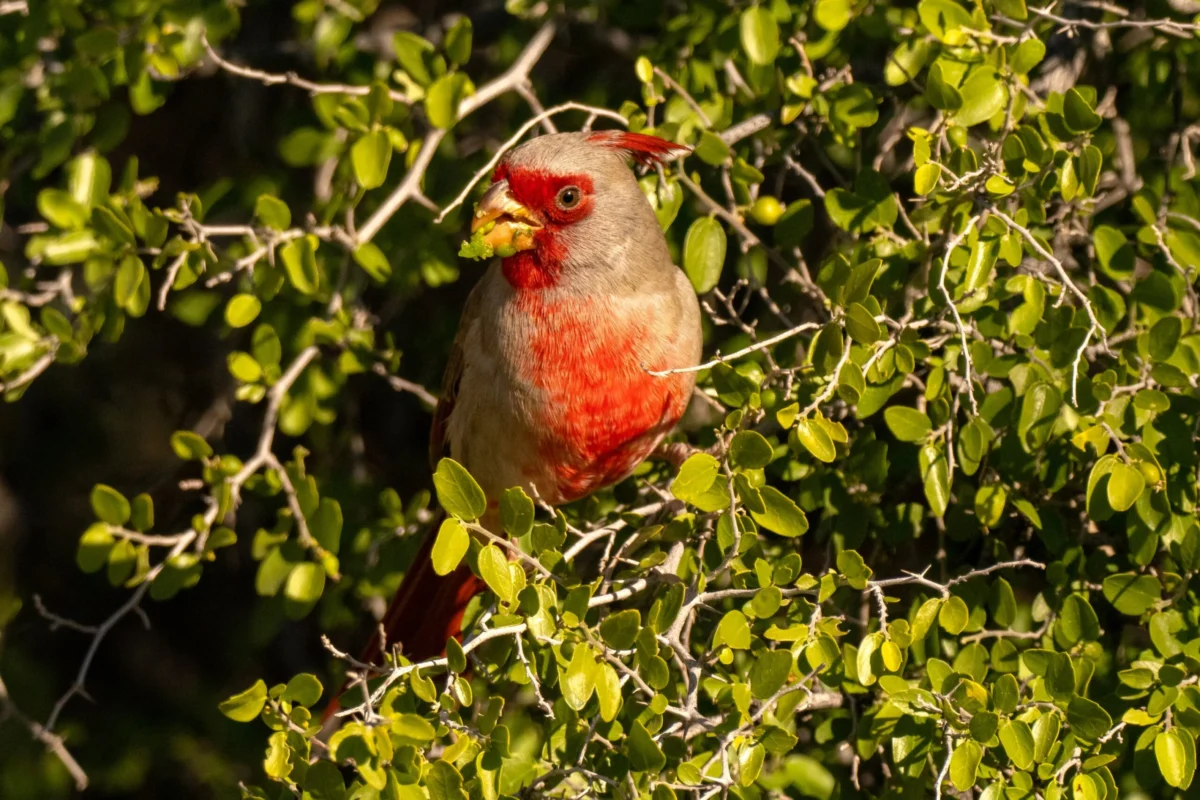
As autumn descends upon the Sonoran Desert, local nurseries and home improvement centers begin their seasonal transformation, stocking shelves with vibrant flora and winter vegetables designed to capitalize on the region’s cooling temperatures. For residents of the Phoenix metropolitan area and the surrounding Valley of the Sun, this transition represents the most critical window in the horticultural calendar. Unlike cooler climates where spring is the primary planting season, the desert’s extreme thermal profile necessitates an autumn start to ensure long-term plant viability. Establishing root systems during the milder months of October and November provides plants with an essential buffer, allowing them to acclimate before the onset of the region’s historically brutal summer heat.
The Strategic Advantage of Fall Planting
The scientific consensus among desert botanists and agricultural extension services is clear: fall is the optimal time for landscape installation in Arizona. By planting in the autumn, homeowners allow vegetation three distinct seasons—fall, winter, and spring—to develop a robust root structure. According to the University of Arizona Cooperative Extension, plants that are well-established by the time June arrives are significantly more resilient to the "heat stress" that characterizes the desert summer.
This period also serves as an educational phase for the gardener. By installing new plants in the fall, individuals have the luxury of observing how sun exposure and water retention fluctuate across their property before the summer solstice, when temperatures frequently exceed 110 degrees Fahrenheit. This preparation reduces the likelihood of plant mortality, which often stems from impulsive, poorly researched purchases made during the heat of the summer.
Understanding the USDA Plant Hardiness Zones
A fundamental error often committed by novice Arizona gardeners is the assumption of a singular climate zone across the state. In reality, the Arizona landscape is characterized by extreme microclimates. The USDA Plant Hardiness Zone Map, which categorizes regions based on their average annual minimum winter temperature, reveals that the Phoenix metro area alone encompasses three to four distinct zones.
For instance, a plant species that thrives in the lower elevations of Buckeye may struggle significantly in the higher-altitude, cooler microclimates of North Scottsdale. Before finalizing a purchase, consumers are advised to consult the USDA database to identify their specific zone. Failure to align plant physiology with local climatic data is the primary driver of the high failure rates seen in residential landscaping across the Southwest.
The Principle of Right Plant, Right Place
The concept of "Right Plant, Right Place" is a cornerstone of sustainable xeriscaping. It requires a comprehensive assessment of a plant’s future maturity—specifically its spread, height, and physical characteristics. A classic example is the Prickly Pear cactus (Opuntia). While it is an ecologically valuable, drought-tolerant species that provides edible fruit and striking blooms, its structural density and defensive spines make it an inappropriate choice for high-traffic areas, such as near swimming pools or children’s play equipment. Proper site selection prevents future maintenance issues, such as the need for aggressive pruning or the accidental injury of residents.
Prioritizing Native Biodiversity
The shift toward native landscaping is not merely an aesthetic preference; it is a necessary response to the ecological stressors facing the Sonoran Desert. Native plants have evolved over millennia to thrive in local soil compositions and hydrological cycles. Once established, these species require minimal intervention and serve as critical infrastructure for local wildlife, including migratory birds and essential pollinators.
Replacing Non-Native Invasives with Ecological Alternatives
To foster a more resilient local ecosystem, experts recommend replacing common, non-native ornamentals with native counterparts that provide superior biological services.
1. Passiflora arizonica (Native Passion Vine) vs. Bougainvillea
While the South American-native Bougainvillea is a popular staple for screening, it is often criticized for its aggressive thorns and lack of substantive ecological value. In contrast, the Arizona native Passion Vine (Passiflora arizonica) offers a more functional alternative. A high-growth climber, it can expand significantly within a single season, providing a dense, aesthetically pleasing screen. Beyond its physical utility, it serves as a host plant for the Gulf Fritillary butterfly. Its night-blooming flowers are vital for sphinx moths, and the subsequent edible fruits offer a sustainable food source.
2. Justicia californica (Chuparosa) vs. Hesperaloe
The Hesperaloe, while popular in commercial landscaping, has become somewhat ubiquitous, leading to a loss of biological diversity in urban corridors. The native Chuparosa (Justicia californica) is a superior choice for those seeking to attract hummingbirds. Highly tolerant of poor soil and intense sun, the Chuparosa produces lipstick-red, edible blossoms that bloom nearly year-round. This consistency provides a stable, reliable food source for species such as Anna’s, Black-chinned, and Costa’s hummingbirds, effectively reducing the need for artificial, high-maintenance feeders.
3. Celtis pallida (Desert Hackberry) vs. Oleander
The Oleander is a frequent subject of controversy in the Valley of the Sun due to its high toxicity to pets and humans and its susceptibility to Oleander Leaf Scorch (OLS), a bacterial disease that has devastated thousands of plants across the region. The Desert Hackberry (Celtis pallida) acts as a superior, low-maintenance substitute. As a hardy shrub, it provides evergreen foliage and essential nesting architecture for avian species, including Northern Mockingbirds and migratory songbirds. The berries produced by the plant are a staple for local wildlife, and its structural integrity provides a natural "fortress" against predators.
The Reality of "Drought-Tolerant" Labels
A significant point of confusion for many homeowners is the term "drought-tolerant." Marketing materials often imply that such plants can thrive without any supplemental irrigation. This is a dangerous misconception. While native plants are adapted to arid conditions, "drought-tolerant" simply means they can survive periods without rain better than non-native species. During the establishment phase, which can last up to two years, consistent irrigation is non-negotiable.
Professional landscape managers emphasize that regular monitoring for signs of water stress—such as wilting, yellowing, or leaf drop—is the hallmark of an effective gardener. If a plant appears to be failing, intervention must be prompt. Local nurseries serve as the first line of defense; seeking professional advice early often prevents the total loss of the specimen.
Economic and Environmental Implications
The move toward native, climate-appropriate landscaping carries broad implications for the Valley of the Sun. As water resources become increasingly scarce and municipalities tighten usage regulations, landscapes that rely on intensive water inputs are becoming a liability. By prioritizing native species, residents contribute to a reduction in local water demand, decrease the use of chemical pesticides (as native plants are generally more pest-resistant), and help restore the fragmented habitats of desert pollinators.
Furthermore, the shift represents a long-term economic strategy. Native plants, once established, require less fertilizer, fewer chemicals, and less pruning than their ornamental counterparts. While the initial investment in native plants may be comparable to traditional varieties, the reduction in maintenance costs and water bills provides a measurable return on investment over the life of the landscape.
As the Valley of the Sun continues to grow, the choices made by individual homeowners regarding their private gardens will collectively dictate the ecological health of the metropolitan area. By adhering to the principles of regional hardiness, careful site planning, and the selection of native biodiversity, residents can ensure that their gardens are not only beautiful but also resilient, sustainable, and vital contributors to the desert ecosystem.
