
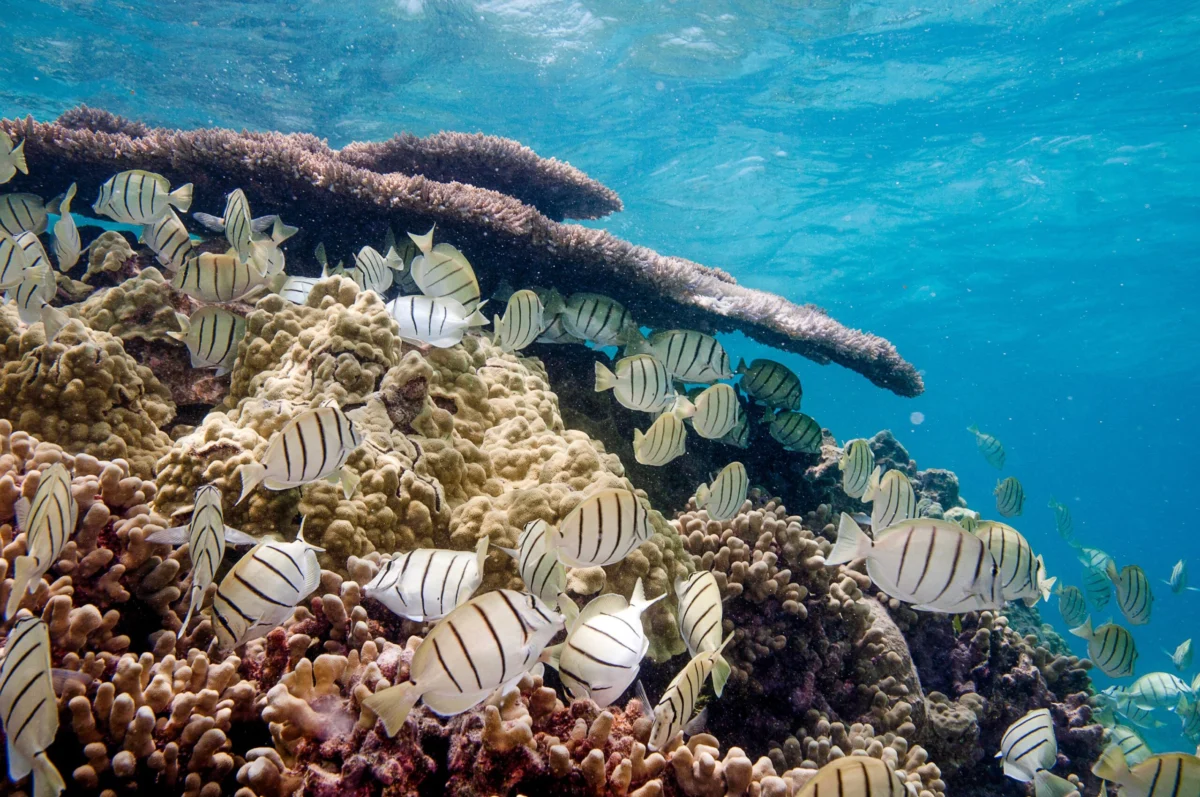
The vastness of the United States’ aquatic territories is often eclipsed by the familiarity of its terrestrial national parks. While millions of Americans annually traverse the rugged landscapes of Yellowstone or the Grand Canyon, far fewer are acquainted with the sprawling, submerged wilderness that constitutes the U.S. National Marine Sanctuary System and the various Marine National Monuments. These regions, which range from the tropical coral atolls of the Pacific to the submerged historic shipwrecks of the Chesapeake Bay, represent a critical, albeit often invisible, component of the nation’s ecological and cultural infrastructure. Spanning millions of square miles, these protected waters are vital for the survival of migratory seabirds, the preservation of indigenous heritage, and the resilience of a marine economy that contributes hundreds of billions of dollars to the national GDP.
A Chronology of Conservation: The Antiquities Act and Beyond
The legal framework governing these spaces is rooted in the early 20th century. The Antiquities Act of 1906, signed into law by President Theodore Roosevelt, was the first U.S. law to provide general protection for any kind of cultural or natural resource. Originally intended to protect archaeological sites in the American Southwest, the Act granted the president the unilateral authority to designate "objects of historic or scientific interest" as national monuments.
Over the decades, the interpretation of the Act expanded from terrestrial landmarks to submerged landscapes. A significant milestone occurred in 2006, when President George W. Bush established the Papahānaumokuākea Marine National Monument in the Northwestern Hawaiian Islands. At the time of its creation, it was the largest marine protected area in the world. This move signaled a paradigm shift: the recognition that the open ocean, far from the gaze of coastal populations, required the same federal oversight and protection as the most iconic terrestrial parks.
Following this, the National Marine Sanctuary System, established under the Marine Protection, Research, and Sanctuaries Act of 1972, provided a secondary, more collaborative pathway for protection. Unlike monuments, which are often created by executive decree, sanctuaries undergo a lengthy, multi-year public designation process. This process involves extensive environmental impact statements, public hearings, and stakeholder engagement, ensuring that local fishing communities, indigenous tribes, and recreational users have a seat at the table.
The Scope of the Marine Estate: From Trenches to Shipwrecks
The diversity of the U.S. marine estate is staggering. The Papahānaumokuākea Marine National Monument, which encompasses over 582,000 square miles, serves as a testament to the scale of these protected areas. To visualize its size, if the monument were superimposed over the continental United States, it would span from the bustling streets of Manhattan to the plains of Omaha.
Conversely, the Mallows Bay-Potomac River National Marine Sanctuary offers a different perspective on protection. Located in Maryland, this site protects the remains of more than 100 wooden steamships built for the U.S. Emergency Fleet during World War I. This site highlights the dual purpose of these designations: the preservation of historical artifacts alongside the protection of biological ecosystems. Further afield, the Flower Garden Banks National Marine Sanctuary in the Gulf of Mexico hosts some of the healthiest coral reefs in the region, serving as a critical nursery for commercially important fish species. At the extreme end of the spectrum lies the Marianas Trench Marine National Monument, which guards the deepest points on Earth, protecting a unique environment of hydrothermal vents and chemosynthetic organisms that science is only just beginning to map.
The Seabird Crisis: A Global Indicator of Ocean Health
The urgency for protecting these areas is underscored by a sobering trend in global biodiversity. Seabirds are considered "sentinel species"—their health directly reflects the condition of the marine ecosystems upon which they depend. A landmark study published by the University of British Columbia revealed that the global population of seabirds plummeted by approximately 70 percent between 1950 and 2010. This equates to a loss of more than 230 million birds.
The reasons for this decline are multifaceted, ranging from the loss of nesting habitat due to coastal development and invasive species on remote islands, to the depletion of forage fish populations due to industrial overfishing. Furthermore, climate change is altering the distribution of prey species, forcing birds to travel further to find food for their chicks.
Marine protected areas (MPAs) serve as essential "refugia" in this hostile landscape. By prohibiting destructive fishing practices and limiting human disturbance in critical nesting and foraging grounds, these monuments provide a buffer against environmental stressors. For migratory species such as the Arctic Tern, which travels nearly the length of the planet annually, the existence of a protected, fish-rich stopover is the difference between a successful breeding season and reproductive failure.
Economic and Scientific Implications
Beyond the intrinsic value of biodiversity, these protected waters are major economic drivers. Data from the National Oceanic and Atmospheric Administration (NOAA) and the U.S. Bureau of Economic Analysis indicate that the marine economy is a cornerstone of American prosperity. In 2023, the marine economy supported approximately 2.6 million jobs and contributed $511 billion to the national economy.
These protected areas support sustainable tourism, recreational fishing, and diving, while simultaneously fostering scientific research. By maintaining "no-take" zones or strictly regulated areas, these sanctuaries allow fish populations to reach larger sizes and higher densities. This phenomenon, known as the "spillover effect," results in the migration of adult fish from protected areas into adjacent fishing grounds, thereby supporting the long-term viability of local commercial fisheries.
Furthermore, the integration of Indigenous knowledge into the management of these sites has emerged as a best practice. In Hawaii, for example, the management of Papahānaumokuākea is deeply informed by Native Hawaiian cultural practices, which emphasize a holistic relationship with the ocean—viewing it not as a resource to be extracted, but as an ancestor to be honored. This collaborative management model has proven more effective at achieving long-term conservation goals than traditional "top-down" regulatory approaches.
Analysis: Balancing Protection and Access
The management of these sites remains a complex balancing act. Federal agencies, primarily the U.S. Fish and Wildlife Service and NOAA, face the ongoing challenge of policing thousands of square miles of ocean. Surveillance of illegal, unreported, and unregulated (IUU) fishing remains a persistent hurdle, particularly in remote monuments where physical patrols are infrequent.
However, advancements in satellite technology and remote sensing have revolutionized the monitoring of these waters. Real-time vessel tracking allows authorities to detect anomalies in fishing patterns, effectively deterring poaching.
Looking forward, the expansion of the marine sanctuary network is a central goal for many environmental policy experts. The federal government has expressed interest in reaching the "30 by 30" goal—a global initiative to protect 30 percent of the planet’s land and ocean by 2030. Achieving this will require not only the designation of new sanctuaries but also the robust funding and enforcement of existing ones.
Conclusion
The marine national monuments and sanctuaries of the United States are far more than lines on a nautical chart. They are the frontline of defense against a biodiversity crisis, a repository of human history, and a vital engine for a sustainable coastal economy. As climate change continues to exert pressure on ocean temperatures and acidity, the resilience provided by these protected ecosystems will become increasingly critical.
The story of these oceans is one of shared responsibility. Whether it is the recreational surfer in Monterey or the conservationist monitoring an albatross colony in the remote Pacific, the health of the marine environment is intrinsically linked to the national identity. By continuing to prioritize the protection of these waters through rigorous science, indigenous partnerships, and robust federal policy, the United States can ensure that these vast, blue frontiers remain intact for generations to come. The future of the ocean is not just an environmental concern; it is a fundamental pillar of the nation’s security and prosperity.
