
As billions of migratory birds navigate the treacherous skies from the Arctic tundra to the southern reaches of South America, they encounter a landscape increasingly fragmented by human expansion, climate change, and industrial development. This annual migration, a biological marvel that has persisted for millennia, is currently facing a crisis of survival. Scientific data confirms that migration season is the most perilous period in a bird’s life cycle, with mortality rates surging due to habitat loss, light pollution, and infrastructure collisions. To address this existential threat, a coalition of environmental organizations and financial institutions has launched the Flyways Nature Bond Framework, a pioneering financial instrument designed to align capital investment with the urgent needs of hemispheric conservation.
The Scale of the Crisis
The urgency of this initiative is underscored by sobering population statistics. Across the Americas, nearly half of all migratory bird species are in decline. In the United States and Canada, the avian population has plummeted by approximately 2.5 billion individuals since 1970. Simultaneously, in Latin America and the Caribbean, more than 460 species currently face the threat of extinction. These declines are not isolated incidents; they are symptomatic of systemic failures across the vast, interconnected ecosystems that span two continents.
Migratory birds rely on a chain of "stopover" sites—wetlands, forests, and grasslands—where they can rest and refuel. When one link in this chain is broken, the impact ripples across the entire flyway. A bird facing habitat destruction in the Canadian Arctic may struggle to reach its wintering grounds in Chile, and vice versa. This spatial disconnection has historically made conservation efforts difficult to coordinate, as local interventions often failed to account for the transnational nature of these species.
The Genesis of the Flyways Nature Bond Framework
The framework was formally inaugurated earlier this fall in Kenya, representing a strategic partnership between the National Audubon Society, BirdLife International, and CAF—the Development Bank for Latin America and the Caribbean. This coalition aims to bridge the gap between high-level conservation science and large-scale financial investment.
The project began as an effort to apply rigorous scientific modeling to the Americas Flyways Initiative. By analyzing the migratory paths of 112 representative bird species, researchers identified critical hotspots where infrastructure development and habitat restoration would yield the highest conservation dividends. This data-driven approach allows decision-makers to target limited conservation funding toward projects that offer the greatest ecological "return on investment."
Integrating Science into Financial Infrastructure
The Flyways Nature Bond Framework operates on a dual-track strategy to mitigate the risks facing migratory populations:
- Nature-based Solutions: This pillar focuses on the active restoration and protection of critical stopover habitats. By prioritizing wetlands, forests, and coastal areas, the framework ensures that birds have the necessary resources to complete their journeys. These habitats also provide essential "ecosystem services," such as carbon sequestration, flood mitigation, and water purification, which benefit human communities living in these regions.
- Bird-Friendly Infrastructure: The second pillar addresses the physical dangers posed by human-made structures. Light pollution from urban centers and the placement of communications towers and power lines are major contributors to avian mortality. The framework advocates for the integration of bird-safe design criteria into future infrastructure projects, minimizing collisions and disruptions to migratory corridors.
Case Study: The Hudsonian Godwit
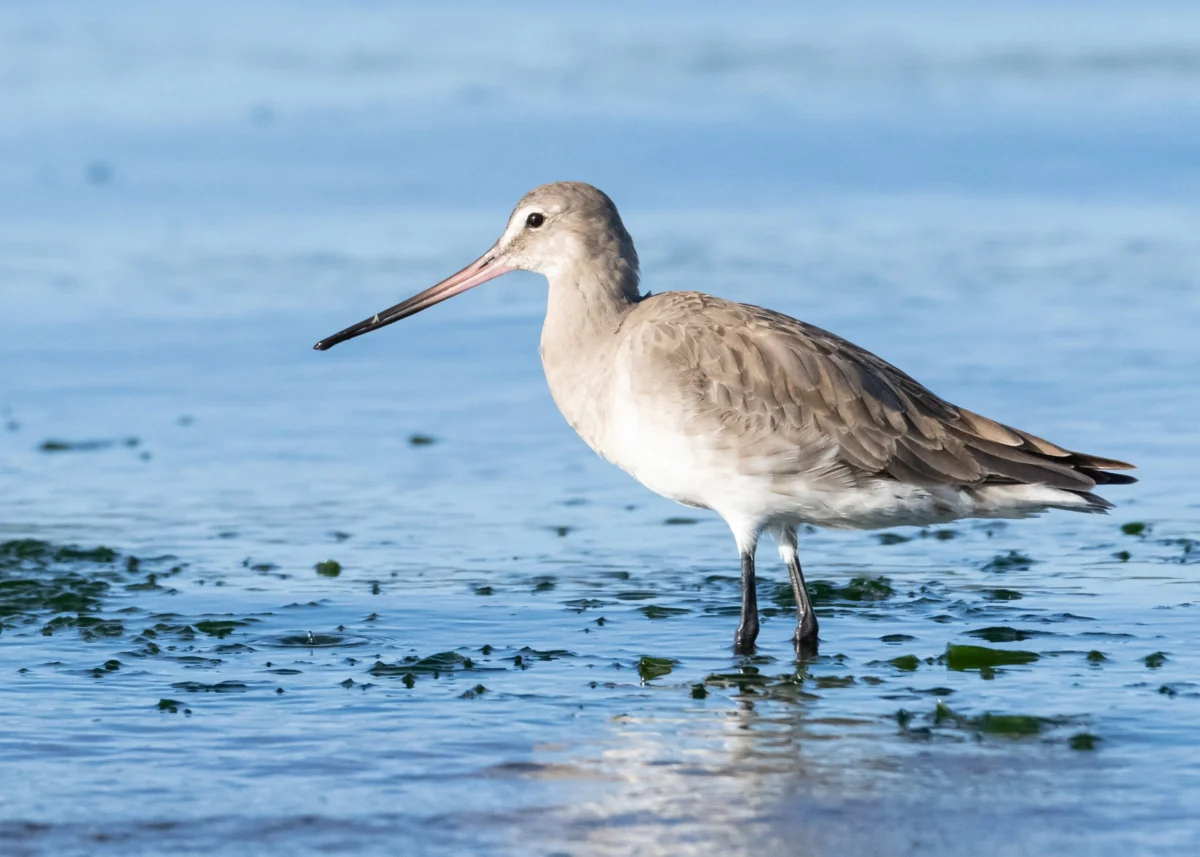
The Hudsonian Godwit serves as a poignant example of the challenges faced by migratory species. Each year, these birds undertake a grueling flight from the southern tips of Chile to the Canadian tundra. This journey is fraught with obstacles: sea-level rise threatens coastal feeding grounds, while human infrastructure creates lethal navigation hazards. The Hudsonian Godwit’s survival depends on the integrity of the entire hemisphere’s ecological health. By protecting the specific zones identified in the framework, conservationists hope to secure a future for species that rely on a continent-wide safety net.
Financial and Environmental Synergy
The core innovation of the Flyways Nature Bond Framework lies in its financial structure. By issuing "Nature Bonds," the initiative intends to attract private capital to fund public-good conservation projects. This model recognizes that bird conservation is not merely an environmental altruism but a component of sustainable economic development.
For instance, the restoration of a coastal wetland for migratory birds simultaneously protects local communities from storm surges and rising sea levels. Similarly, protecting forest corridors safeguards water supplies for agricultural sectors. By framing conservation as a risk-mitigation strategy for climate change, the initiative creates a compelling case for institutional investors, development banks, and sovereign governments to prioritize these projects.
Chronology of Development
- 1970–Present: Long-term ecological monitoring records show a decline of 2.5 billion migratory breeding birds in North America.
- Early 2024: Audubon, BirdLife International, and CAF accelerate the development of the scientific framework, utilizing data from the Americas Flyways Initiative.
- Q3 2024: The formal launch of the Flyways Nature Bond Framework takes place in Kenya, setting a new global standard for collaborative conservation financing.
- Current Phase: The coalition is working to identify the first cohort of infrastructure projects that will incorporate bird-friendly design criteria and nature-based solutions.
Perspectives from the Coalition
Leaders of the initiative emphasize that the framework is a response to the "capital return" dilemma—the idea that traditional economic models often ignore the long-term value of intact ecosystems. Aurelio Ramos, Managing Director for Latin America and the Caribbean at the National Audubon Society, has frequently highlighted that investing in sustainable development is a prerequisite for long-term economic stability in the region. The framework serves as the practical implementation of this philosophy, providing a roadmap for how capital can be deployed to harmonize economic development with biological necessity.
Implications and Future Outlook
The success of the Flyways Nature Bond Framework could redefine how international organizations approach biodiversity loss. If this model proves effective in the Americas, it could serve as a template for other migratory routes, such as those in East Asia or the Mediterranean.
However, the framework faces significant challenges. Coordinating conservation efforts across multiple sovereign nations requires unprecedented political will and regulatory alignment. Furthermore, the effectiveness of these bonds will depend on the ability of scientists to accurately monitor the impact of funded projects on bird population trends.
Despite these hurdles, the initiative represents a shift away from reactive, localized conservation toward a proactive, systemic, and financially backed approach. As the climate changes and human development continues to expand, the integration of ecological considerations into the very bedrock of financial policy may be the only way to ensure that the skies remain full of migratory birds for generations to come. By treating the flyway as a single, interdependent asset, the Flyways Nature Bond Framework offers a glimpse into a future where environmental stewardship and economic prosperity are not mutually exclusive, but inextricably linked.
