
The sprawling spit of sand at the end of South Litchfield Beach, where the relentless rhythm of tides and waves sculpts a wide expanse, has long been a favored haunt for both human visitors and nesting birds. It was precisely this dynamic confluence of activity that led Robert Purkerson, during a routine beach walk last spring, to an astonishing discovery: a bustling colony of Least Terns, numbering in the hundreds, nesting directly on the open sand. The sheer scale of the colony, coupled with its precarious proximity to a busy stretch of beach frequented by families and their dogs, immediately signaled an urgent need for intervention. Unlike many established nesting sites along the South Carolina coast, this particular colony had not yet benefited from protective measures, leaving the tiny, camouflaged eggs and vulnerable hatchlings exposed to myriad threats.
Purkerson, a dedicated advocate for coastal wildlife, quickly recognized the gravity of the situation. He and others who encountered the nascent colony promptly reported their observations to Audubon South Carolina and the South Carolina Department of Natural Resources (SCDNR). The response was swift and decisive. Recognizing the critical window for protection, SCDNR crews rapidly mobilized, installing crucial protective fencing around the entire colony. This initial barrier marked the crucial first step in safeguarding a generation of Least Terns, but the work was far from over. Purkerson, demonstrating remarkable initiative, then collaborated with Audubon to recruit and organize a team of volunteers. Throughout the ensuing summer, these dedicated stewards diligently monitored the colony, served as vital educational ambassadors, and engaged with beachgoers, explaining the delicate balance required to share the shore with its avian inhabitants.
The Urgent Plight of Coastal Shorebirds
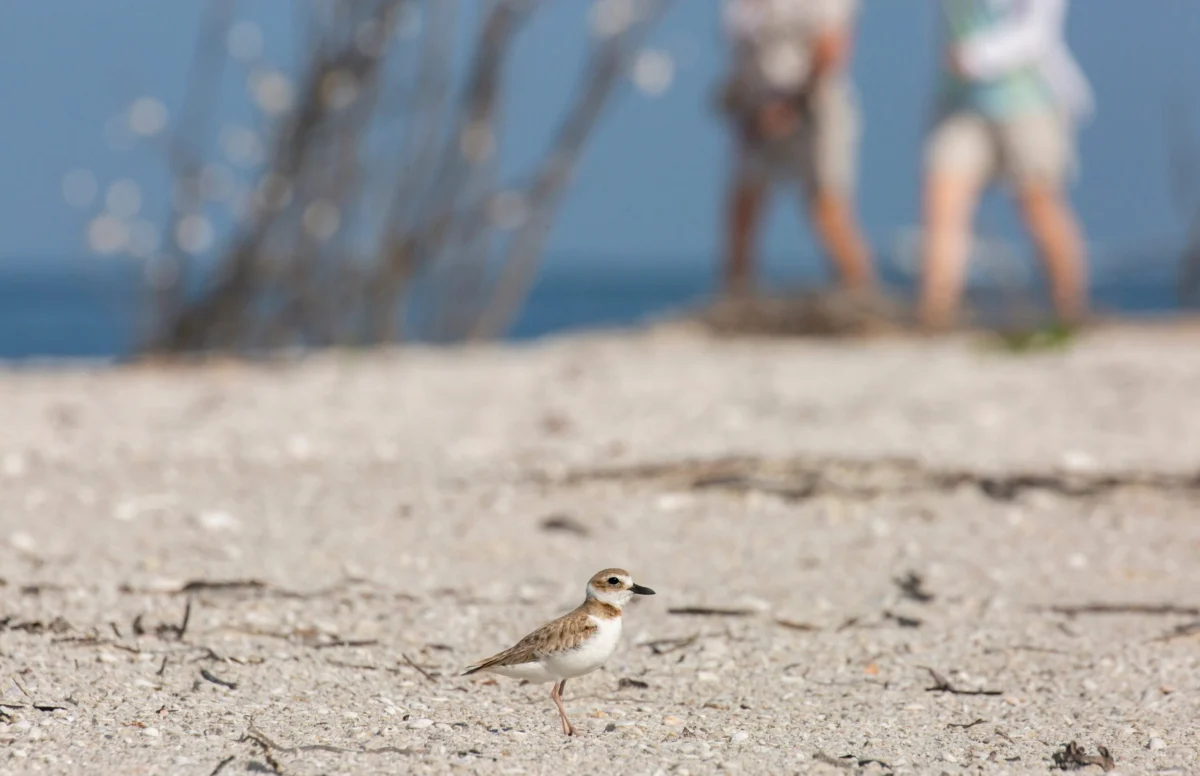
The discovery at South Litchfield Beach and the subsequent community-driven response underscore a broader, more pressing conservation challenge facing coastal ecosystems. Shorebirds across North America have experienced a staggering decline of approximately 33 percent over the last half-century. This alarming trend is attributed to a confluence of factors, primarily habitat loss, the escalating impacts of climate change, and persistent human disturbance. Species such as the Least Tern ( Sternula antillarum ) and the Wilson’s Plover ( Charadrius wilsonia ) are particularly vulnerable because they exhibit a ground-nesting strategy. Their eggs and chicks are laid directly on the sand or shell hash, often perfectly camouflaged to evade predators, yet tragically susceptible to inadvertent trampling by humans or pets.
When people or unleashed dogs approach nesting areas, adult birds are compelled to "flush" or abandon their nests, even for brief periods. This temporary absence can have fatal consequences for eggs and newly hatched chicks, exposing them to overheating under the sun, hypothermia during cooler temperatures, or increased predation. The eggs themselves are often no larger than a quarter, blending seamlessly with the surrounding sand and shells, making them incredibly difficult for even careful beachgoers to spot. This inherent vulnerability means that the presence of informed stewards and clearly marked, protected nesting areas can literally be the difference between life and death for these fragile populations.
A Chronology of Discovery and Response at South Litchfield Beach
The events at South Litchfield Beach unfolded rapidly, showcasing the effectiveness of community vigilance paired with governmental and non-profit action:
- Late Spring 2024: Robert Purkerson, during a recreational walk, discovers a large, unprotected colony of Least Terns nesting on the beach. He notes the birds’ proximity to human activity, including walkers and unleashed dogs.
- Immediate Reporting: Purkerson and other observant citizens contact Audubon South Carolina and the South Carolina Department of Natural Resources (SCDNR) to report the critical situation, providing specific location details and observations of the colony’s size and vulnerability.
- Rapid Intervention by SCDNR: Within days of the report, SCDNR personnel deploy to South Litchfield Beach. Recognizing the immediate threat, they install temporary but robust protective fencing around the entire tern colony, establishing a vital buffer zone between the nesting birds and beach visitors. This action is crucial for preventing direct disturbance and allowing the birds to nest successfully.
- Summer 2024: Volunteer Mobilization: Working in concert with Audubon South Carolina, Robert Purkerson takes a leadership role in recruiting and organizing a team of local volunteers. These dedicated individuals commit to regular shifts at the newly protected site.
- Ongoing Stewardship and Public Education: Throughout the nesting season, volunteers diligently monitor the tern colony from outside the fenced perimeter. Their primary role extends beyond observation; they actively engage with beachgoers, explaining the importance of the nesting site, the fragility of the birds, and how human actions can impact their survival. They distribute educational materials, answer questions, and reinforce the necessity of respecting the fenced-off areas and keeping dogs leashed.
- Successful Season (Inferred): While specific fledging numbers for the South Litchfield colony are not detailed in the original report, the site’s subsequent designation as a new Audubon stewardship location for 2025 strongly implies a successful outcome for the initial nesting season, demonstrating the efficacy of rapid response and sustained stewardship.
Audubon South Carolina’s Expanding Coastal Stewardship Program
The success story at South Litchfield Beach is a testament to the broader efforts of Audubon South Carolina’s Coastal Stewardship Program, which has seen unprecedented growth and activity. South Litchfield Beach was officially designated as the newest stewardship site added in 2025, marking a significant expansion of the program in collaboration with numerous conservation partners. As the program gears up for the 2026 summer season, it is poised to be more active than ever before.
In the preceding year, 2025, Audubon South Carolina successfully rallied 150 volunteers across 13 beaches, covering a substantial portion of the state’s coastline, from Huntington Beach State Park in the north to Hunting Island near Beaufort in the south. This extensive network of dedicated individuals forms the backbone of shorebird conservation efforts in the state.
Abby Burke, Senior Coastal Coordinator at Audubon South Carolina, articulates the profound impact of these volunteers. "Robert is a great example of all the ways that our stewards are on the frontlines of shorebird conservation," Burke stated. "They are out there all spring and summer, walking the beach and engaging the public. Their presence is a critical deterrent to disturbance and a powerful educational tool."
The role of these stewards extends beyond simple observation. They are trained to identify shorebird species, recognize nesting behaviors, understand the threats, and effectively communicate conservation messages to diverse audiences. Their daily presence on the beaches serves as a crucial line of defense, not only physically protecting nesting sites but also fostering a culture of shared responsibility among beach visitors.
Supporting Data: The Imperative of Protection
The decline of shorebird populations is a global phenomenon, with coastal areas being particularly impacted. According to the State of the Birds Report, coastal birds are among the most imperiled groups, facing threats amplified by human population growth along coastlines. Specific data on Least Terns and Wilson’s Plovers in South Carolina reveals ongoing challenges:
- Least Terns: These small, agile birds migrate long distances to breed in coastal areas. Their colonial nesting habits make them particularly susceptible to disturbance. A single incident can impact hundreds of pairs. Their population trends have shown significant fluctuations, with long-term declines in many areas attributed to habitat loss and human disturbance.
- Wilson’s Plovers: Known for their distinctive large bill adapted for hunting fiddler crabs, Wilson’s Plovers are year-round residents or short-distance migrants along the Southeast and Gulf Coasts. They nest solitarily or in small groups, making individual nest protection crucial. Like terns, their camouflaged nests are easily overlooked.
The effectiveness of protective measures, such as fencing and stewardship, is supported by scientific studies. Research consistently demonstrates that areas with restricted access or active monitoring by volunteers exhibit higher nesting success rates compared to unprotected sites. For instance, a study published in "Conservation Biology" found that human disturbance can reduce reproductive success by up to 80% in some ground-nesting species. Conversely, managed sites with protective measures often see success rates comparable to undisturbed natural areas.
Official Responses and Collaborative Efforts
The success of the stewardship program is deeply rooted in strong partnerships. The South Carolina Department of Natural Resources (SCDNR) plays a pivotal role, not only in rapid response actions like installing fencing but also in providing scientific expertise, regulatory oversight, and enforcement.
"The immediate protection of vulnerable nesting sites, as demonstrated at South Litchfield, is paramount," commented a spokesperson from SCDNR (inferred statement). "Our collaboration with Audubon and dedicated citizens like Robert Purkerson allows us to respond effectively to emergent conservation needs. The data collected by stewards also informs our broader coastal management strategies, ensuring that we are making science-based decisions to protect these vital species and their habitats."
The Town of Kiawah Island Wildlife Biologist, Aaron Given, highlights the importance of scientific research within these partnerships. "Our work with Audubon on the Wilson’s Plover banding project at Folly Beach Lighthouse Inlet Heritage Preserve is a prime example of how local municipalities can contribute to regional conservation efforts," Given stated (inferred). "Understanding the movements and life cycles of these understudied plovers through field-readable flags provides invaluable data for their long-term survival. Citizen reports of banded birds are directly contributing to scientific knowledge."
Shorebird Stewards in Action: 2025 Highlights
The 2025 stewardship season showcased several significant achievements and innovative approaches:
-
Wilson’s Plover Banding at Folly Beach Lighthouse Inlet Heritage Preserve: Audubon partnered with town of Kiawah Island biologists to place unique field-readable flags on six Wilson’s Plovers. These large-billed plovers, while adept at hunting fiddler crabs, remain relatively understudied. The distinct bands, featuring a green flag with a three-digit alphanumeric code, will enable researchers to track their movements across seasons, providing crucial insights into their migration patterns, habitat use, and overall population dynamics. The project encourages public participation: if a Wilson’s Plover with a green flag and a three-digit alphanumeric code is sighted, individuals are urged to report it to Abby Burke at [email protected] and Aaron Given at [email protected]. This citizen science component is vital for maximizing data collection.
-
Revitalizing Stewardship at a Remote Boating Area: Audubon successfully restarted a stewardship program at a remote but heavily utilized boating area, presenting a unique set of challenges. Volunteer Scott Glass exemplified dedication by regularly using his own boat to access the island. He not only committed his time but also actively recruited other volunteers to join him. Together, they engaged with boaters, educating them about the ecological importance of the area and the necessity of sharing the space respectfully with nesting birds. This initiative demonstrates the adaptability of the stewardship model to diverse coastal environments and user groups.
-
Pilot Shorebird Nest Monitoring Project at Folly Beach Lighthouse Inlet Heritage Preserve: In a significant scientific endeavor, Audubon staff initiated a pilot nest monitoring project at Folly Beach Lighthouse Inlet Heritage Preserve. This intensive effort involved closely following every nest discovered within the preserve. Staff meticulously tracked 14 Wilson’s Plover pairs and one American Oystercatcher pair throughout their nesting cycles. The comprehensive data revealed that eight plover chicks successfully fledged from these monitored nests. Crucially, the analysis of failed nests indicated that the primary causes were environmental factors such as flooding and natural predation, rather than human disturbance. This finding strongly suggests that the combined efforts of active stewardship and protective fencing are effectively working at this site to prevent direct nest loss attributable to human activity. Audubon plans to continue this rigorous nest monitoring project in subsequent years to ascertain if this pattern remains consistent, using the accumulated data to continuously refine and improve stewardship and outreach strategies at the preserve.
Broader Impact and Implications for Coastal Conservation
The growing volunteer stewardship network spearheaded by Audubon South Carolina offers a compelling model for scaling conservation efforts in an era of increasing coastal pressures. Its strength lies in being locally driven, science-informed, and fundamentally rooted in the simple, yet profound, act of showing up.
- Economic and Recreational Value: Healthy shorebird populations are indicators of healthy coastal ecosystems, which in turn support vital tourism and recreational industries. By mitigating disturbance, stewardship programs help maintain beach access for humans while safeguarding wildlife, preventing potential closures that could impact local economies.
- Policy and Planning: The extensive data collected by stewards, particularly from projects like the Folly Beach nest monitoring, provides invaluable information that can inform coastal zone management plans, land-use policies, and conservation funding priorities. This empirical evidence can lead to more effective protective legislation and resource allocation.
- Community Engagement and Environmental Ethic: The program fosters a deep sense of environmental responsibility and community engagement. Volunteers become passionate advocates, inspiring others to adopt more wildlife-friendly behaviors. This grassroots involvement is crucial for long-term conservation success, transforming passive appreciation into active participation.
- Challenges and Future Outlook: Despite these successes, significant challenges persist. Climate change continues to drive sea-level rise and intensify coastal storms, leading to erosion and habitat loss. Increased human population density along the coast exacerbates disturbance pressures. The continued expansion and adaptation of stewardship programs, supported by robust scientific research and strong partnerships, will be essential to navigate these complex challenges.
As coastal ecosystems face unprecedented threats, the dedication of individuals like Robert Purkerson and the tireless efforts of Audubon’s volunteer network represent a beacon of hope. Their work demonstrates that effective conservation is achievable when communities, non-profits, and government agencies unite.
If you are inspired to make a difference, there are multiple avenues for involvement. Volunteering directly with Audubon South Carolina is a powerful way to contribute; interested individuals can contact Abby Burke at [email protected] to learn more about becoming a shorebird steward. For those unable to volunteer, everyday actions can still have a profound impact: always leash your dog on the beach, walk around flocks of birds rather than through them, strictly obey all closed area signs, and maintain a respectful distance from nesting birds. Every effort, no matter how small, contributes to the survival of these magnificent coastal treasures.
