
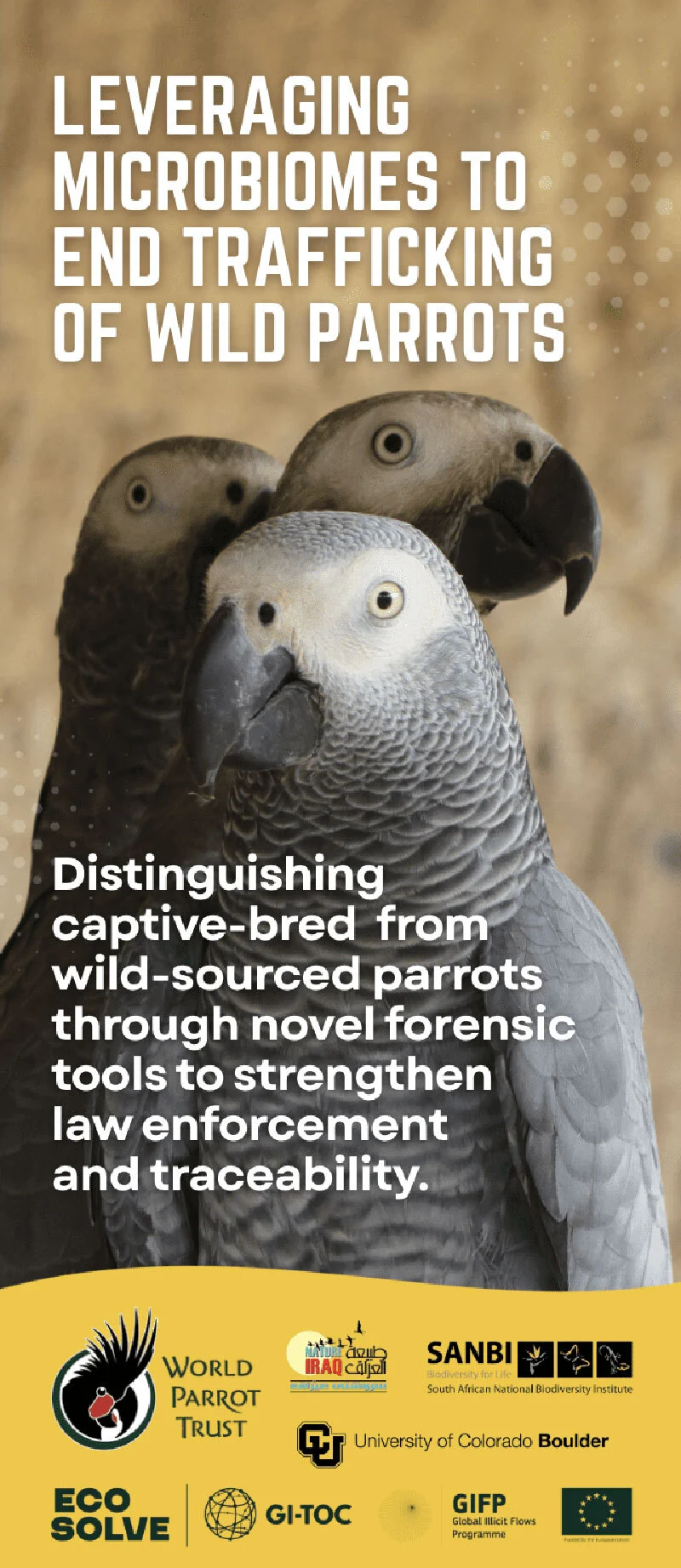
Groundbreaking advancements in genomic science are revolutionizing our ability to understand and protect the natural world, offering powerful new tools to combat the pervasive illegal wildlife trade. The development of sophisticated DNA sequencing technologies has moved beyond simply mapping individual genes to decoding entire genomes – the complete genetic blueprint of an organism. This leap forward has paved the way for innovative applications, including the precise identification of species, the tracing of individual animals, and even the comprehensive analysis of microbial communities within entire ecosystems, a field known as metagenomics.
For conservationists and wildlife law enforcement agencies, genomics represents a potential paradigm shift in the ongoing battle against illicit trafficking networks. A critical area where this technology is making significant inroads is in verifying the origin of protected species, particularly birds, which are highly vulnerable to exploitation. Forensic scientists are actively developing and refining techniques that analyze the unique profiles of gut microbiomes – the complex communities of bacteria, viruses, and other microorganisms that inhabit an animal’s digestive tract. By examining these microbial fingerprints, researchers can now differentiate between animals sourced from the wild and those bred in captivity. This capability is of paramount importance because illegal operators frequently exploit legal trade channels by falsely labeling wild-caught animals as captive-bred, thereby circumventing international regulations designed to protect endangered populations.
The international trade in parrots, for example, is a multi-million dollar industry, but it also presents significant opportunities for the illicit laundering of wild birds. Each year, vast numbers of parrots are bred and traded across borders, creating a complex web of legal supply chains that can be infiltrated by traffickers. This creates immense challenges for regulators and enforcement bodies tasked with safeguarding vulnerable wild parrot populations from the devastating impact of illegal capture. Metagenomics offers a powerful new avenue for monitoring these legal supply chains, helping to prevent their exploitation and providing investigators with the crucial evidence needed to dismantle trafficking operations.
A Deep Dive into the Science: DNA, Genomics, and Metagenomics
To fully appreciate the impact of these advancements, it’s essential to understand the distinctions between DNA, genomics, and metagenomics. DNA, or deoxyribonucleic acid, is the fundamental molecule that carries the genetic instructions for the development, functioning, growth, and reproduction of all known organisms. It’s often described as the "blueprint" of life.
Genomics, on the other hand, is the study of an organism’s entire genome – its complete set of DNA. This involves sequencing, assembling, and analyzing all of the genetic material within a cell. The Human Genome Project, completed in 2003, was a monumental undertaking that mapped the entire human genome, providing an unprecedented understanding of our genetic makeup. Similarly, applying genomic sequencing to various species allows scientists to understand their evolutionary relationships, genetic diversity, and susceptibility to diseases.
Metagenomics takes this analysis a step further by examining the collective genetic material recovered directly from environmental samples. Instead of isolating and sequencing the DNA of a single organism, metagenomics sequences the DNA of all the organisms present in a given sample. This is particularly useful for studying complex microbial communities in environments like soil, water, or, in this case, the gut of an animal. By analyzing the metagenome of a parrot’s gut, scientists can identify the specific microbial species present, which can vary significantly depending on the parrot’s diet, environment, and whether it has been exposed to the stresses of capture and captivity.
The African Grey Parrot: A Case Study in Conservation Challenges
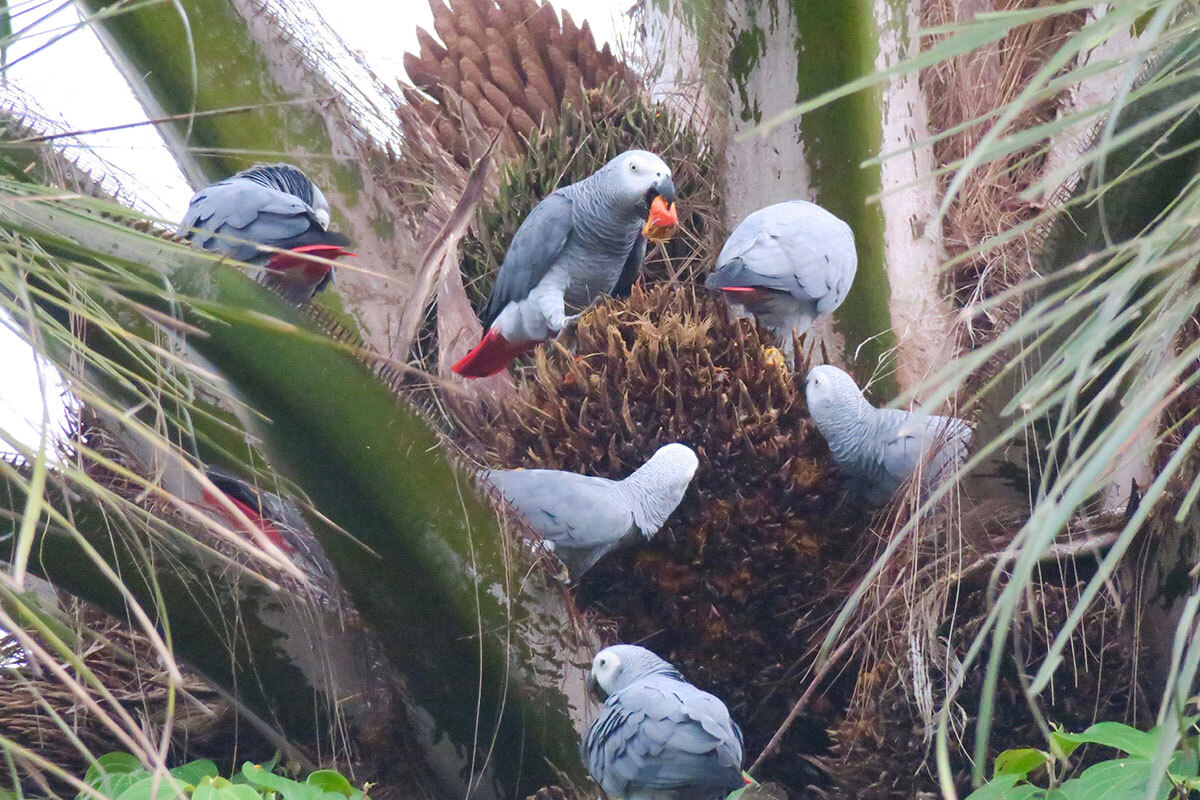
The African grey parrot (Psittacus erithacus) serves as a poignant example of the challenges faced by conservationists and the potential of genomic tools. These highly intelligent and charismatic birds have long been popular in the pet trade, leading to significant pressure on wild populations. The International Union for Conservation of Nature (IUCN) lists the African grey parrot as Endangered, with populations declining due to habitat loss and, critically, extensive trapping for the illegal wildlife trade.
Since 2020, over 46,000 African grey parrots have been exported from South Africa alone, often declared as "captive-bred." This statistic highlights the sheer scale of the trade and the difficulty in verifying the legitimacy of these claims. The World Parrot Trust, a leading organization dedicated to parrot conservation, has been at the forefront of advocating for and implementing innovative solutions to combat this crisis. Their work, often in collaboration with researchers and law enforcement, underscores the urgent need for reliable forensic tools.
The ability to analyze the gut microbiome of an African grey parrot can provide irrefutable evidence of its origin. Wild parrots consume a diverse range of natural foods, leading to a distinct and complex gut microbial community. In contrast, parrots in captivity are often fed a limited, commercially produced diet, which results in a significantly different and less diverse microbiome. By comparing the gut microbiome profile of a suspect bird to established databases of wild and captive-bred individuals, investigators can determine with a high degree of certainty whether a bird was illegally captured from its natural habitat.
The Evolution of Forensic Tools: From Refrigerators to Flash Drives
The technological evolution in DNA sequencing has been nothing short of remarkable. Traditional DNA sequencers were often large, cumbersome machines, occupying significant laboratory space and requiring specialized expertise to operate. However, the field is rapidly moving towards miniaturization and portability. Future investigative tools may consist of portable devices, roughly the size of a USB flash drive, capable of performing complex genomic analyses in the field.
This shift towards portable sequencing technology promises to be transformative for several reasons:
- Increased Accessibility: Field operatives, customs officials, and wildlife rangers can conduct on-the-spot analyses, significantly speeding up investigations and reducing the need to transport live animals or samples to centralized laboratories.
- Reduced Stress on Animals: Non-invasive sampling methods, such as collecting fecal samples or feather dust, can be used to obtain DNA and microbiome data. This minimizes stress and potential harm to the animals involved, which is crucial for endangered species.
- Enhanced Efficiency: The ability to analyze samples rapidly in remote locations allows for quicker identification of illegal shipments, enabling immediate intervention and disruption of trafficking networks.
- Cost-Effectiveness: While initial development costs are significant, the long-term widespread adoption of portable devices is expected to reduce the overall cost of genomic analysis, making these powerful tools more accessible to a wider range of conservation organizations and government agencies.
Collaborative Efforts and Future Implications
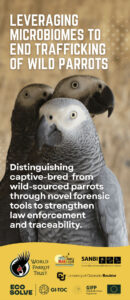
The fight against the illegal wildlife trade is a global endeavor that requires collaboration between scientists, conservation organizations, governments, and international bodies. The Lafeber Company’s recent donation to the World Parrot Trust, specifically supporting their mission to utilize microbiome profiling as a forensic tool, exemplifies this crucial partnership. By identifying the origin of birds through non-invasive sampling, such initiatives aim to stem the flow of illegally captured parrots into legal supply chains and provide enhanced protection for high-risk species.
The broader implications of this genomic revolution extend far beyond parrot conservation. Similar metagenomic approaches are being developed to combat trafficking in other species, including pangolins, reptiles, and marine life. Furthermore, the ability to rapidly identify and track wildlife can aid in the monitoring of disease outbreaks, understanding ecological health, and even tracing the origins of illegal timber and other natural resources.
The implications for global wildlife protection are profound. As these technologies become more accessible and sophisticated, they will empower a new generation of conservationists and law enforcement officials with the scientific rigor needed to dismantle complex criminal enterprises that threaten biodiversity. The future of conservation is increasingly intertwined with the power of genomics, offering hope for a world where the intricate tapestry of life can be better understood, defended, and preserved for generations to come. The ongoing research and development in this field promise to equip us with the knowledge and tools necessary to navigate the complex challenges of the 21st century’s environmental crises.
