
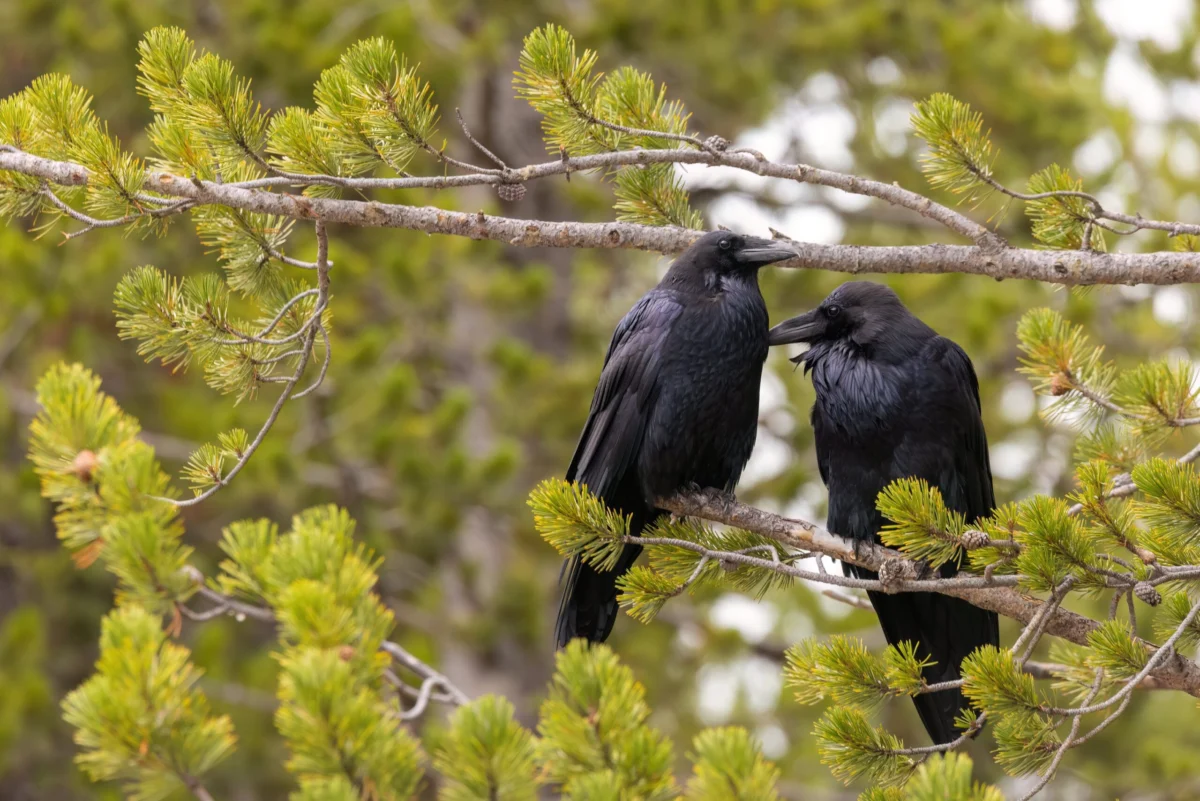
The Common Raven (Corvus corax) has been officially designated as the Audubon Southwest Bird of the Month for October, a selection that highlights not only the species’ remarkable cognitive abilities and aerial prowess but also its role as a sentinel for the fragile ecosystems of the American Southwest. While frequently portrayed in literature and folklore as a harbinger of gloom, the raven serves as a vital, highly intelligent indicator species within the complex biological web of the Grand Canyon and the broader Colorado River Basin. As regional climate challenges intensify, the presence and behavior of these corvids offer critical insights into the environmental health of the arid West.
Cognitive Sophistication and Ecological Adaptation
The Common Raven is widely regarded by ornithologists as one of the most intelligent avian species on Earth. Their capacity for problem-solving, tool use, and social learning has been the subject of extensive scientific study. Beyond their neurological complexity, ravens exhibit a high degree of adaptability, allowing them to thrive in environments ranging from arctic tundra to the deep canyons of the Southwest.
Their aerial acrobatics—often interpreted by casual observers as mere play—serve functional purposes, including courtship displays and territory defense. Observations of ravens flying upside-down for extended distances or performing complex maneuvers illustrate their mastery of flight. Furthermore, their dietary flexibility is a testament to their opportunistic nature. As omnivores, their diet encompasses insects, rodents, bird eggs, carrion, and, in proximity to human settlements, anthropogenic waste.
Scientific research has documented the sophisticated hunting strategies employed by these birds. In regions where apex predators like grey wolves are present, ravens have been observed memorizing kill sites and patterns, effectively utilizing the predatory success of other species to secure sustenance. This behavior underscores the "work smarter, not harder" philosophy that characterizes the species’ survival strategy.
Historical Context and Folklore
The relationship between humans and ravens spans millennia, leaving an indelible mark on cultural history. Across various civilizations, from the Norse mythology of Hugin and Munin to the Indigenous traditions of the Pacific Northwest, the raven has been a central figure. However, the 19th-century literary influence of Edgar Allan Poe significantly shifted the Western perception of the bird toward the ominous. Modern ornithologists and conservationists, such as those at Audubon, are working to reframe the species as a fascinating, song-capable, and highly social creature rather than a symbol of misfortune.
Despite the literary stigma, the biological reality of the raven is one of complex social bonds. Ravens are known to form long-term pair bonds, often staying together for years. They engage in allopreening—a mutual grooming behavior—which reinforces social cohesion within the pair and the broader family unit. Their nests, typically constructed in high, inaccessible locations such as ponderosa pines or canyon walls, serve as the hub for their cooperative activities, including coordinated hunting and nest-raiding.
The Declining Health of the Colorado River Basin
While the Common Raven population remains stable, the environment they inhabit is currently facing an unprecedented ecological crisis. The Colorado River Basin, a lifeline for millions of people and countless wildlife species, is under severe stress due to a combination of climate change, water mismanagement, and the encroachment of invasive species.
The spread of Tamarix, or salt cedar, represents a significant threat to riverine corridors. This invasive plant species outcompetes native vegetation, alters soil chemistry, and consumes vast quantities of water, effectively drying out critical riparian habitats. This degradation forces out native species and reduces the biodiversity necessary for a functioning ecosystem.
The hydrological outlook is equally concerning. Diminishing flows in the Colorado River, coupled with rising water temperatures, have placed native fish species at risk of extinction. Furthermore, the changing climate has led to a reduction in winter snowpack across the Basin, resulting in drier soils and a diminished spring runoff, which is the lifeblood of the Southwest’s water supply. While the raven displays a high level of resilience, its cousins, such as the Pinyon Jay, are experiencing population declines, signaling a broader failure in the ecosystem’s structural integrity.
Public Sentiment and Political Implications
Recent polling data indicates a significant shift in public perception regarding the urgency of the situation in the Colorado River Basin. Approximately 75% of Arizona voters have expressed a clear demand for federal and state officials to prioritize water security. This public mandate highlights a growing recognition that the health of the environment is inextricably linked to the economic and social stability of the region.
The consensus among policy experts is that addressing these challenges requires a multifaceted approach. This includes:
- Infrastructure Investment: Modernizing water delivery systems to reduce waste and increase storage efficiency.
- Watershed Restoration: Removing invasive species like salt cedar to restore native flora and stabilize riverbanks.
- Funding Diversification: Leveraging a blend of local, state, federal, philanthropic, and corporate funding to support large-scale conservation projects.
- Water Management Reform: Implementing policies that balance human consumption needs with the survival requirements of native wildlife.
The Role of Citizen Advocacy
The designation of the raven as the Bird of the Month is intended to leverage the species’ popularity to draw attention to the Western Water Action Network, an initiative led by the National Audubon Society. This network serves as a platform for citizens to stay informed on water management decisions and to participate in advocacy efforts.
"Ravens can navigate the complexities of a canyon, but they cannot advocate for their own habitat," notes one conservation advocate familiar with the project. The implication is clear: the survival of the Southwest’s unique biodiversity depends on human intervention and the active participation of the public in policy-making processes.
Identification: Distinguishing Ravens from Crows
A common point of confusion for amateur birders is the distinction between the Common Raven and the American Crow. While both are members of the Corvus genus, they possess distinct physical and behavioral traits.
- Size: The raven is significantly larger, often described as having the body mass of a Red-tailed Hawk.
- Flight Profile: Ravens exhibit a wedge-shaped tail in flight, whereas crows have a fan-shaped tail.
- Vocalization: The raven produces a deep, guttural croaking sound, distinct from the higher-pitched "caw" of the crow.
- Social Behavior: While both are social, ravens are more likely to be seen in pairs, whereas crows are often found in large, noisy groups.
Conclusion
The Common Raven serves as an ideal ambassador for the environmental challenges facing the Southwest. Its intelligence, adaptability, and long history alongside human civilization make it a compelling subject for study and a powerful reminder of what is at stake. As the region navigates the complexities of a changing climate and dwindling water resources, the fate of the raven’s habitat remains a litmus test for the effectiveness of modern conservation strategies. The public’s response, as evidenced by recent polling, suggests that there is a growing appetite for substantive action. Whether this political will can be translated into long-term ecological stability remains the primary challenge for the coming decade.
