
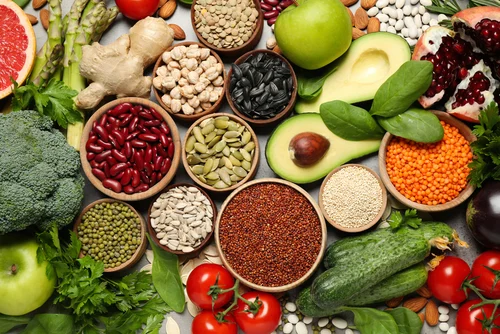
The domestication of the chicken, Gallus gallus domesticus, has evolved from a subsistence-based agricultural practice into a widespread suburban and urban hobby, driven by the global "farm-to-table" movement. As more households adopt poultry for egg production, weed control, and organic waste management, a critical knowledge gap has emerged regarding the physiological limits of the avian digestive system. While chickens are biologically classified as opportunistic omnivores—capable of consuming a diverse array of flora and fauna—they are frequently and incorrectly treated as biological "garbage disposals." Scientific research and veterinary data from institutions such as the Merck Veterinary Manual and various university agricultural extension services indicate that several common household foods contain potent toxins that can lead to acute organ failure, chronic health decline, or immediate mortality in poultry.

The Evolution of Backyard Poultry Nutrition
Historically, farm-scale poultry management relied on specialized grains and free-range foraging. In the modern context, however, the integration of chickens into the domestic waste cycle has introduced a variety of processed and exotic foods into their diets. While chickens play a vital role in reducing household food waste, the complexity of their metabolic pathways requires a disciplined approach to supplemental feeding. Unlike mammals, birds have a high metabolic rate and a unique digestive tract involving a crop, proventriculus, and gizzard, which can influence how toxins are processed and absorbed.

The rise in backyard poultry ownership has led to an increase in reported cases of "accidental toxicosis." Veterinary experts suggest that the severity of a toxic reaction is determined by several variables, including the bird’s age, body mass, overall health, and the concentration of the specific toxin ingested. This necessitates a rigorous understanding of the chemical compounds found in common kitchen scraps.

Phytotoxins and the Danger of Nightshade Vegetables
One of the most prevalent risks in domestic poultry environments involves the Solanaceae family, commonly known as nightshades. This family includes potatoes, tomatoes, eggplants, and peppers. These plants produce a glycoalkaloid poison called solanine as a natural defense mechanism against herbivores and insects.

In white potatoes, solanine is concentrated in the stems, leaves, and particularly in the green skin or "eyes" of the tuber. When ingested by chickens, solanine acts as a potent neurotoxin and can cause the destruction of red blood cells, leading to anemia, gastrointestinal distress, and heart failure. It is a common misconception that boiling potatoes neutralizes these toxins; while high-heat frying may reduce levels, boiling is largely ineffective. Conversely, sweet potatoes belong to the Convolvulaceae family and do not contain solanine, making them a safe alternative.

Similarly, tomato and pepper plants contain solanine in their vines and leaves. While the fully ripened fruit of a tomato or pepper contains significantly lower levels of the toxin, immature green fruits can still pose a risk. Veterinary guidelines recommend that if these fruits are fed to chickens, they should be provided only in their fully ripened state and in strict moderation to avoid digestive upset.
.jpg)
The Lethality of Persin and Cyanogenic Glycosides
Avocados represent one of the most acute threats to avian health due to a fungicidal toxin known as persin. Found in the fruit’s flesh, skin, pit, and the leaves of the avocado tree, persin is highly toxic to many bird species. According to the Merck Veterinary Manual, ingestion of even small amounts—as little as 5% of the fruit—can lead to myocardial necrosis (the death of heart muscle tissue). Symptoms typically manifest within 24 to 48 hours and include respiratory distress, weakness, and sudden death. Because of the high concentration of persin, avocados are classified as a "zero-tolerance" food for poultry.

Another category of concern is cyanogenic glycosides, found in the seeds of apples and the pits of "stone fruits" such as cherries, peaches, plums, and apricots. When these seeds are crushed or digested, they release hydrogen cyanide. Cyanide interferes with the body’s ability to utilize oxygen at a cellular level, leading to rapid respiratory failure. While the flesh of these fruits is highly nutritious and safe for chickens, owners must ensure that all pits and seeds are removed before feeding to prevent accidental poisoning.

Legumes, Lectins, and Respiratory Hazards
Raw or undercooked dried beans, particularly red kidney beans, contain high levels of a protein called phytohaemagglutinin, or lectin. This compound serves as a natural insecticide for the plant but is toxic to humans and birds alike. In chickens, the consumption of just a few raw beans can trigger severe gastric distress and death within hours. To make dried beans safe, they must be soaked for a minimum of 12 hours and boiled at high temperatures to denature the lectins. Interestingly, the process of sprouting certain legumes, such as lentils or peas, can also reduce these anti-nutritional factors, making them a popular "living food" for winter poultry supplementation.

Environmental hazards also extend to the fungi kingdom. While store-bought mushrooms are generally safe, wild mushrooms found in lawns or wooded foraging areas can be lethal. Identifying toxic mushrooms requires expert mycological knowledge; therefore, poultry owners are advised to clear their ranges of wild fungi to prevent accidental ingestion of amatoxins or other fungal poisons.

Chemical Additives and the Modern Human Diet
The transition of chickens from livestock to "pets" has led to the dangerous practice of sharing processed human snacks. High levels of salt, sugar, and fat are detrimental to avian physiology. Excessive sodium intake can lead to salt poisoning, characterized by extreme thirst, tremors, and kidney damage. Similarly, high sugar intake disrupts the delicate balance of the avian gut microbiome and can lead to obesity, which significantly reduces egg production and increases the risk of "sudden death syndrome" in heavy breeds.

Caffeine and chocolate are particularly hazardous. Both contain methylxanthines—caffeine in coffee/tea and theobromine in chocolate. Chickens are unable to metabolize these compounds efficiently. Ingestion leads to heart arrhythmias, hyperactivity, seizures, and cardiac arrest. This risk extends to the garden, where coffee grounds used as mulch or fertilizer must be kept out of reach of foraging flocks.

Furthermore, the use of lawn chemicals—pesticides, herbicides, and synthetic fertilizers—presents a significant indirect poisoning risk. Chickens are highly efficient at concentrating environmental toxins in their fatty tissues and eggs. Consequently, any vegetation treated with chemicals should be considered off-limits for poultry consumption to ensure both bird health and the safety of the eggs for human consumption.

Foods Requiring Moderation: The Calcium Absorption Balance
Not all "dangerous" foods are immediately lethal; some act as anti-nutrients that interfere with long-term health and productivity. Oxalic acid, found in high concentrations in rhubarb leaves and spinach, is a primary concern for laying hens. Oxalates bind with calcium in the bloodstream to create calcium oxalate, making the mineral unavailable for eggshell formation. This can result in soft-shelled eggs or "egg binding," a life-threatening condition where a hen cannot expel an egg.

Citrus fruits, such as oranges and lemons, are also subject to debate. While not strictly toxic, some studies suggest that citric acid can interfere with calcium absorption. Furthermore, many chickens instinctively avoid citrus, likely due to the strong essential oils in the rinds. Asparagus is another vegetable that, while safe, contains asparagusic acid, which can impart an unpleasant flavor to the eggs, similar to the effect onions have on milk in dairy cattle.

Clinical Symptoms of Toxicosis and Preventive Measures
Identifying food poisoning in poultry can be challenging, as chickens naturally hide signs of illness to avoid predation. However, owners should monitor for the following clinical signs:

- Neurological: Tremors, loss of balance, or drooping wings.
- Gastrointestinal: Persistent diarrhea, discolored droppings, or a "sour" or impacted crop.
- Respiratory: Labored breathing or a bluish tint to the comb and wattles (cyanosis).
- Productive: A sudden drop in egg production or a spike in thin-shelled eggs.
In the event of suspected poisoning, the immediate removal of the food source is paramount. Providing fresh water with added electrolytes can help flush the system, but veterinary intervention is often required for acute cases involving avocado or cyanide.

Broader Implications for Sustainable Agriculture
The management of a backyard flock’s diet has implications beyond the health of individual birds. As the global community seeks to reduce food waste, the chicken remains one of the most effective tools for nutrient recycling. However, this must be balanced with the ethical responsibility of animal husbandry. By adhering to a diet composed primarily of high-quality commercial feed (which is scientifically formulated to meet specific protein and mineral requirements) and supplementing with safe, nutrient-dense scraps, poultry keepers can ensure the longevity and productivity of their flocks.

In conclusion, while chickens are resilient and versatile eaters, their status as omnivores does not exempt them from the dangers of phytochemicals and modern food additives. A disciplined approach to feeding—avoiding nightshades, avocados, raw beans, and processed stimulants—is essential. As the backyard poultry movement continues to grow, the education of owners regarding these "toxic treats" remains a cornerstone of successful and sustainable small-scale agriculture. Information sourced from reputable veterinary manuals and agricultural extensions serves as the best defense against the accidental poisoning of the domestic flock.
