
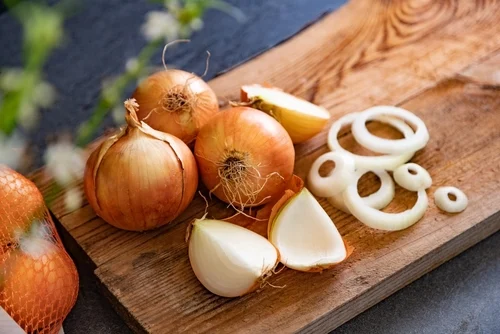
The practice of feeding kitchen scraps to backyard poultry has long been a staple of domestic flock management, offering a sustainable way to reduce household waste while providing birds with a varied diet. However, veterinary experts and avian nutritionists are increasingly issuing warnings regarding specific common vegetables that can pose significant health risks to chickens. Chief among these concerns is the onion and other members of the Allium genus. While onions are a nutritional staple for humans, they contain chemical compounds that are toxic to avian physiology, specifically targeting the integrity of red blood cells and leading to a condition known as Heinz body anemia.
The primary toxic agent found in onions, as well as in shallots, leeks, chives, and scallions, is a compound known as thiosulphate. For humans, the enzymes in the digestive tract are capable of processing this compound without ill effect in normal quantities. In contrast, chickens—along with other domestic animals like dogs and cats—lack the necessary biochemical pathways to safely metabolize thiosulphate. When ingested by a chicken, this toxin triggers an oxidative process within the bloodstream. It specifically attacks the hemoglobin molecules within red blood cells, causing them to clump and form "Heinz bodies." These damaged cells are unable to transport oxygen effectively and are eventually destroyed by the bird’s spleen and liver at a rate faster than the bone marrow can replace them.

The Pathophysiology of Thiosulphate Toxicity in Poultry
The clinical progression of onion poisoning in poultry is often subtle in its early stages but can rapidly escalate depending on the quantity consumed. Because chickens are opportunistic omnivores, they may readily consume chopped onions mixed into table scraps or forage on discarded onion skins and bulbs. Once the thiosulphate enters the bloodstream, the destruction of red blood cells begins. The primary result is hemolytic anemia, a condition where the oxygen-carrying capacity of the blood is severely diminished.
As the anemia progresses, affected birds exhibit visible signs of physiological distress. Lethargy is one of the most common early indicators; a normally active bird may become listless, standing in one place for extended periods with ruffled feathers. Because the heart and lungs must work harder to compensate for the lack of oxygen in the blood, rapid breathing (tachypnea) or panting is frequently observed. In advanced cases, the breakdown of red blood cells releases high levels of bilirubin into the system, which can manifest as jaundice, though this is often difficult to detect under a chicken’s feathers and is more commonly identified during a post-mortem examination. Other symptoms include diarrhea and a general weakening of the bird’s immune system, making them more susceptible to secondary infections. In instances of acute ingestion, the resulting systemic failure can be fatal.
Distinguishing Between Onions and Garlic: A Nutritional Paradox
A point of frequent confusion among poultry keepers is the distinction between onions and garlic. Both belong to the Allium genus, yet they are treated very differently in the context of avian nutrition. While onions are strictly discouraged due to their high thiosulphate content, garlic is often praised for its medicinal properties and is a common supplement in organic poultry farming.

Scientific analysis reveals that garlic contains only a fraction of the thiosulphate found in onions. Furthermore, garlic is rich in allicin, a compound known for its antimicrobial, antifungal, and immune-boosting properties. Research suggests that when administered in controlled, moderate amounts, garlic can help chickens resist internal parasites and respiratory issues. Many experts, including prominent backyard poultry advocate Lisa Steele, suggest that garlic powder or crushed fresh cloves can be safely integrated into a flock’s diet. The drying and processing of garlic into powder further reduces the already low levels of thiosulphate, rendering the risk negligible compared to the substantial health benefits provided. However, the consensus remains firm that onions offer no such safety margin; the concentration of toxins in onions is high enough that the risks of anemia far outweigh any potential nutritional gain.
A Chronology of Evolving Poultry Nutrition Standards
The shift toward excluding onions from poultry diets reflects a broader evolution in the science of backyard chicken keeping. Historically, in the early to mid-20th century, chickens were often viewed as "living compost bins," and little regard was given to the specific chemical sensitivities of the birds. Mortality in small flocks was frequently attributed to "natural causes" or unknown diseases, which modern veterinary science now suggests may have been linked to dietary toxins.
In the 1970s and 1980s, as avian medicine became more specialized, researchers began to document the specific effects of Allium toxicity in various species. By the early 2000s, the rise of the "backyard chicken movement" in urban and suburban environments led to a surge in demand for detailed nutritional guidelines. This era saw the publication of comprehensive lists of "toxic treats," identifying onions, chocolate, caffeine, and dried beans as high-risk items. Today, the management of poultry health is increasingly data-driven, with owners expected to understand the biological implications of the supplements and scraps they provide to their birds.

Broader Implications for Flock Longevity and Egg Production
The impact of dietary toxins like thiosulphate extends beyond the immediate health of an individual bird; it has significant implications for the overall productivity and economic viability of a small-scale poultry operation. Anemia in laying hens directly correlates with a drop in egg production. Because the hen’s body must divert all available energy and nutrients toward repairing damaged tissues and regenerating blood cells, secondary functions like ovulation are deprioritized by the endocrine system.
Furthermore, even if the ingestion of onions does not result in the death of the bird, the long-term damage to the liver and spleen can shorten the hen’s productive lifespan. For homesteaders and small-scale farmers, the loss of a productive hen or a decrease in egg quality represents a tangible economic loss. There is also the matter of egg flavor; onions contain volatile sulfur compounds that can be absorbed into the developing yolk, leading to "off-flavors" in the eggs that make them unpalatable for human consumption.
Expert Recommendations and Safe Dietary Alternatives
To mitigate the risks associated with onion toxicity, veterinary experts recommend a strict policy of exclusion. When preparing kitchen scraps for chickens, owners should ensure that no cooked or raw onions, leeks, or scallions are included in the mix. This is particularly important with leftover soups, stews, and salads, where onions may be a hidden ingredient.

For poultry keepers looking to provide their flocks with healthy, safe treats, there are numerous alternatives that provide nutritional variety without the risk of Heinz body anemia. Recommended safe options include:
- Leafy Greens: Kale, spinach, and Swiss chard are excellent sources of vitamins and minerals.
- Vegetables: Cucumbers, zucchini, and pumpkins are highly hydrating and provide beneficial seeds that act as natural enrichment.
- Berries: Blueberries and strawberries offer antioxidants.
- Grains and Proteins: Cooked oats, sunflower seeds, and mealworms provide essential energy and protein.
By adhering to these guidelines, poultry owners can ensure the longevity and health of their birds. The exclusion of onions is not merely a matter of preference but a fundamental requirement of responsible avian husbandry.
Final Analysis of Avian Dietary Safety
The prohibition of onions in chicken diets serves as a critical reminder of the physiological differences between humans and the animals we keep. As the trend toward natural and sustainable flock management continues to grow, the importance of evidence-based nutrition cannot be overstated. While the Allium family is diverse, the high concentration of thiosulphate in onions represents a clear and present danger to avian hematology.

Moving forward, the focus for backyard poultry enthusiasts should remain on education and prevention. By understanding the chemical mechanisms of toxicity—such as the oxidative stress caused by thiosulphate—owners are better equipped to make informed decisions that protect their flocks. The "garlic exception" highlights the nuance required in animal nutrition, where the dose and the specific subspecies of a plant can determine whether it serves as a medicine or a poison. Ultimately, the goal of any poultry management strategy is to foster a resilient and productive flock, a goal that is best achieved by avoiding high-risk foods like onions in favor of scientifically validated dietary choices.
