
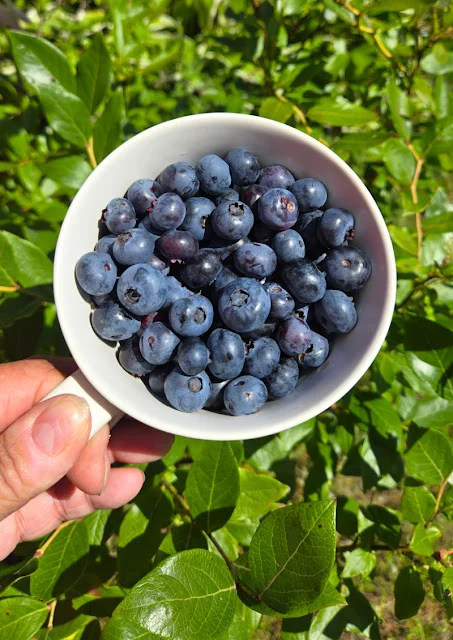
The integration of high-nutrient "superfoods" into the diets of backyard poultry has transitioned from a niche hobbyist practice to a significant trend in avian husbandry, with blueberries emerging as one of the most beneficial supplements for domestic chickens and ducks. As the global backyard chicken population continues to rise, driven by an increased consumer desire for food sovereignty and organic egg production, the focus on supplemental nutrition has intensified. Blueberries, characterized by their dense concentration of antioxidants, vitamins, and minerals, are now recognized by experts as a vital tool for enhancing flock longevity, immune response, and overall physiological health.
The Biochemical Profile of Blueberries in Avian Nutrition
Blueberries (genus Vaccinium) are rich in a variety of essential nutrients that align with the metabolic requirements of high-production poultry. Primarily, they serve as a potent source of Vitamin C and Vitamin K. While chickens can synthesize their own Vitamin C, supplemental intake is critical during periods of environmental stress, such as extreme heat or molting, to maintain a robust immune system. Vitamin K plays a foundational role in osteoblasts and blood coagulation, ensuring that birds remain resilient against minor injuries and maintain skeletal integrity during their peak laying years.

Beyond basic vitamins, blueberries are a significant source of dietary fiber and manganese. Fiber is essential for maintaining the motility of the avian digestive tract, preventing issues such as impacted crops or general lethargy. Manganese, a trace mineral often overlooked in standard feed, is vital for bone development and the structural quality of eggshells.
The most distinctive feature of the blueberry is its high concentration of anthocyanins—the pigments responsible for the fruit’s deep blue hue. These compounds are powerful antioxidants that neutralize free radicals within the bird’s body. In the context of a laying hen, whose metabolism is constantly under the "oxidative stress" of producing an egg nearly every 24 hours, the presence of anthocyanins can mitigate cellular damage and support cardiovascular health.
Historical Context and the Evolution of Poultry Feeding Practices
The practice of feeding fruit supplements to poultry has evolved significantly over the last century. To understand the current emphasis on blueberries, one must examine the chronology of poultry nutrition:

- Pre-1940s: The Scavenger Era. Most household chickens were "barnyard" birds that survived on kitchen scraps and whatever they could forage. Nutrition was inconsistent, and egg production was strictly seasonal.
- 1950s–1980s: The Rise of Formulated Feed. The industrialization of agriculture led to the development of complete "crumbles" and "pellets." While these provided the baseline protein and calcium needed for survival, they often lacked the phytonutrients found in fresh vegetation.
- 1990s–2010s: The Organic Revolution. As the public became more concerned with the quality of their food, backyard keepers began reintroducing fresh greens and fruits to their flocks to improve yolk color and nutrient density.
- 2020–Present: The Holistic Management Era. Modern poultry keepers now utilize specific "superfoods" like blueberries, oregano, and pumpkin seeds as targeted nutritional interventions to prevent disease and optimize health without the use of antibiotics.
This shift reflects a broader understanding that the health of the bird directly dictates the nutritional value of the egg.
Physiological Benefits: From Cognitive Support to Gut Health
The impact of blueberries on chickens extends to several key physiological systems. Notably, research into avian cognitive function suggests that the antioxidants in blueberries may support mental acuity and reduce stress-related behaviors in confined environments. By protecting the brain from oxidative damage, these fruits may help maintain flock harmony and reduce incidences of feather picking or aggression.
Furthermore, blueberries provide essential support for the avian circulatory system. The nutrients within the fruit aid in regulating blood pressure and protecting the heart, which is particularly important for heavy-bodied breeds or meat birds that may be prone to cardiovascular strain.

One of the most significant discoveries in recent years is the role of blueberries as a prebiotic. While probiotics (beneficial bacteria) are often added to water or feed, they require "food" to thrive. The specific fibers and compounds in blueberries act as prebiotics, fostering a healthy microbiome in the chicken’s gut. A balanced gut flora is the first line of defense against common poultry ailments such as Salmonella, E. coli, and Coccidiosis. By improving digestion and nutrient absorption, blueberries ensure that the bird is getting the maximum benefit from its primary feed.
Safety Protocols and the "10 Percent Rule"
While the benefits of blueberries are extensive, veterinary experts and poultry nutritionists emphasize the importance of moderation. A common guideline in the industry is the "10 Percent Rule," which dictates that treats and supplements should never exceed 10% of a flock’s total daily caloric intake. For an average hen, this translates to approximately one to two tablespoons of supplemental food per day.
Over-supplementation, even with healthy fruits like blueberries, can lead to nutritional imbalances. Standard commercial poultry feed is scientifically formulated to provide specific ratios of protein, fat, and minerals. If a bird fills up on fruit, it may consume less of its balanced feed, leading to a protein deficiency or a drop in calcium levels, which can result in soft-shelled eggs or "cage layer fatigue" (osteoporosis).

Additionally, physical safety must be considered. For smaller breeds, such as bantams or Silkies, large cultivated blueberries can present a choking hazard. It is recommended that keepers of smaller birds or young pullets slice the berries in half to ensure safe ingestion. There is also a distinction between "native" low-bush berries and "cultivated" high-bush berries; while both are safe, native varieties are often smaller and more nutrient-dense per gram.
Impact on Egg Quality and Flock Sustainability
The inclusion of blueberries in a chicken’s diet has a measurable impact on the final product: the egg. The pigments and antioxidants consumed by the hen are often transferred to the yolk. While blueberries do not turn yolks blue, the overall health of the hen contributes to a richer, more vibrant yolk color and a more robust shell.
From a sustainability perspective, growing blueberries on-site to feed a flock creates a closed-loop system. Chickens provide nitrogen-rich manure that, when composted, serves as an excellent fertilizer for blueberry bushes, which prefer acidic soil. This symbiotic relationship reduces the carbon footprint of the homestead and ensures that the birds are receiving fresh, pesticide-free produce.

Expert Analysis of Broader Implications
The trend toward feeding blueberries and similar fruits reflects a significant shift in the small-scale agricultural sector. By prioritizing preventative health through nutrition, backyard keepers are reducing the necessity for veterinary intervention and pharmaceutical treatments. This "food as medicine" approach is critical in the fight against antibiotic resistance, as healthy birds with strong immune systems are less likely to require medicated feed.
Market analysts also note that the "blue-fed" poultry movement aligns with consumer trends in the "pasture-raised" and "non-GMO" markets. Eggs from hens that receive high-antioxidant supplements are often perceived as premium products, commanding higher prices at local farmers’ markets.
Conclusion
The data surrounding blueberry consumption in poultry confirms that these fruits are more than just a treat; they are a comprehensive health supplement. By supporting everything from bone density and blood clotting to gut health and cognitive function, blueberries address the holistic needs of the modern backyard flock. As long as keepers adhere to the 10% dietary limit and ensure the fruit is served in a safe manner, blueberries remain one of the most effective and accessible ways to enhance the welfare and productivity of domestic poultry. The continued research into avian phytonutrients is likely to further cement the blueberry’s status as a foundational element of the "superfood" movement in animal husbandry.
