
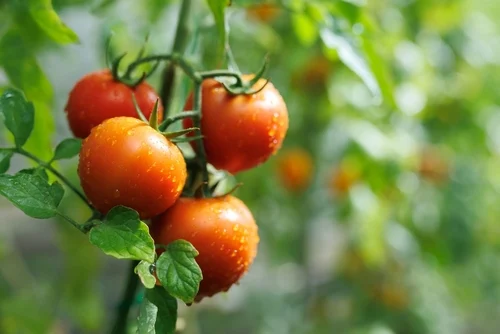
The intersection of horticulture and avian husbandry often presents a complex landscape for poultry keepers, particularly regarding the inclusion of garden produce in a flock’s diet. Among the most debated subjects in this field is the tomato, a staple of the home garden that belongs to the Solanaceae, or nightshade, family. While tomatoes offer a dense profile of essential vitamins and antioxidants, they also contain specific phytochemicals that can be detrimental, and even fatal, to poultry if not managed with scientific precision. Understanding the chemical composition of the tomato plant, the physiological response of the avian digestive system, and the strict parameters for safe consumption is essential for maintaining flock health and optimizing egg production.
The Botanical Profile and Chemical Composition of the Solanaceae Family
The tomato (Solanum lycopersicum) is a member of the Solanaceae family, a broad group of flowering plants that includes potatoes, eggplants, and peppers. While many of these plants are fundamental to human and animal nutrition, the family is characterized by the presence of glycoalkaloids, naturally occurring compounds that serve as a defense mechanism against herbivores and pathogens. In the context of tomatoes, the two primary compounds of concern are solanine and tomatine.

Solanine is a bitter-tasting glycoalkaloid found throughout the nightshade family. It is most concentrated in the green portions of the plant, including the leaves, stems, and vines. In the avian body, solanine acts as a potent neurotoxin and gastrointestinal irritant. It inhibits the enzyme acetylcholinesterase, which is vital for the regulation of nerve impulses. When this enzyme is suppressed, the nervous system becomes overstimulated, leading to a cascade of physiological failures.
Tomatine, while similar in structure to solanine, is more specific to the tomato plant. It is found in high concentrations in unripe, green tomatoes. As the fruit undergoes the ripening process, the concentration of tomatine decreases significantly, eventually reaching levels that are generally considered safe for consumption by healthy adult organisms. However, the presence of these compounds necessitates a cautious approach to feeding, as chickens, with their relatively small body mass and high metabolic rates, are particularly susceptible to alkaloid toxicity.
Symptomology and Pathophysiology of Alkaloid Poisoning in Poultry
The ingestion of toxic plant matter by poultry, often referred to in veterinary medicine as "dietary indiscretion," can lead to rapid clinical decline. The symptoms of solanine and tomatine poisoning in chickens are multifaceted, affecting the nervous, digestive, and circulatory systems.

In cases of solanine poisoning, the primary clinical signs include a marked slowing of the heart rate (bradycardia) and a significant drop in core body temperature. Owners may observe birds becoming lethargic or unresponsive. Gastrointestinal distress is also a hallmark of toxicity, manifesting as severe diarrhea, abdominal pain, and, in some cases, vomiting—though the latter is less common in birds than in mammals. If the dosage is high enough, the inhibition of the nervous system can lead to paralysis and respiratory failure.
Tomatine poisoning presents with a similar, though often less acute, range of symptoms. Nausea and abdominal cramping are the most frequent indicators, typically followed by diarrhea. Because chickens are prey animals, they instinctively mask signs of illness until they are in a state of advanced distress. Therefore, poultry keepers must be vigilant for subtle changes in behavior, such as a decrease in foraging activity or a hunched posture, which may indicate the onset of alkaloid-induced discomfort.
The Ripening Process: A Chemical Transformation
The safety of a tomato for poultry consumption is directly linked to its stage of maturity. In the early stages of fruit development, the tomato plant allocates high levels of tomatine to the fruit to protect it from being eaten before the seeds are viable. This evolutionary strategy ensures the plant’s reproductive success but creates a hazard for livestock.

As the fruit reaches physiological maturity, a complex series of enzymatic reactions occurs. The chlorophyll that gives the fruit its green color breaks down, and lycopene—the pigment responsible for the red hue—begins to accumulate. Concurrently, the levels of tomatine are drastically reduced. By the time a tomato is "vine-ripe," the alkaloid content has dissipated to a degree that makes the fruit a viable nutritional supplement.
However, this reduction in toxicity does not extend to the rest of the plant. The leaves and stems maintain high concentrations of solanine throughout the plant’s life cycle. For this reason, agricultural experts strictly advise against allowing chickens to forage in active tomato patches. The risk of a bird consuming a leaf or a fallen green tomato is too high to justify the potential foraging benefits.
Nutritional Benefits of Ripe Tomatoes in Avian Diets
When administered correctly—meaning only fully ripe fruit and in controlled quantities—tomatoes can serve as a powerful "superfood" for poultry. They are rich in several key nutrients that support long-term health and productivity.

- Antioxidants and Lycopene: Tomatoes are the primary dietary source of lycopene, a carotenoid with potent antioxidant properties. In chickens, antioxidants help neutralize free radicals, reducing oxidative stress and supporting the immune system. Furthermore, carotenoids contribute to the deep orange color of egg yolks, which is often a marker of high-quality, nutritious eggs.
- Vitamin Profile: Tomatoes provide a significant amount of Vitamin A, Vitamin C, and Vitamin K. Vitamin A is essential for vision and the maintenance of mucosal membranes, which act as the first line of defense against respiratory infections. Vitamin C, while synthesized naturally by chickens, provides extra support during periods of heat stress. Vitamin K is critical for blood clotting and bone mineralization.
- Potassium and Hydration: With a high water content and a healthy dose of potassium, tomatoes are an excellent treat during the summer months. Potassium aids in electrolyte balance, which is vital for birds prone to heat exhaustion.
- Digestive Support: The fiber content in tomatoes can aid in digestive regularity, provided the fruit is fed in moderation and does not displace the primary fiber sources found in high-quality poultry grit and feed.
Implementation Guidelines: The 10% Rule and Population Sensitivity
The transition from "safe to eat" to "nutritionally beneficial" requires adherence to strict feeding protocols. Veterinary nutritionists generally recommend the "10% Rule" for supplemental treats. This guideline dictates that treats, including fruits and vegetables, should never exceed 10% of a chicken’s total daily caloric intake. The remaining 90% must consist of a balanced, commercially prepared poultry feed that provides the necessary amino acids (such as methionine and lysine), minerals, and vitamins required for egg production and feather health.
For an average adult chicken, this equates to approximately one to two tablespoons of ripe tomato per day. Overfeeding tomatoes can lead to "nutritional dilution," where the bird fills up on watery, low-protein fruit and fails to consume the protein-dense feed necessary for its physiological demands.
Furthermore, age and health status play a critical role in determining risk. Baby chicks, whose digestive and immune systems are still developing, should never be fed tomatoes or any other nightshade products. Their small size means that even trace amounts of alkaloids can have a disproportionate and potentially lethal effect. Similarly, elderly birds or those recovering from illness should be kept on a strict diet of starter or layer crumbles to avoid any unnecessary metabolic stress.

Comparative Analysis of Other Solanaceous Crops
The risks associated with tomatoes are mirrored in other common garden crops. Peppers (both sweet and hot) and eggplants also contain solanine in their green parts. While the ripe fruit of a bell pepper or a mature eggplant is safe in moderation, the leaves and stems remain strictly off-limits.
Potatoes present an even higher risk. Raw potatoes, particularly those that have turned green or have begun to sprout, contain dangerously high levels of solanine. Unlike the tomato, where the toxin is primarily in the green fruit and foliage, the potato tuber itself can become toxic when exposed to light. Consequently, while tomatoes are often viewed as a seasonal treat, potatoes are generally regarded with much higher suspicion in the poultry community and are often excluded from diets entirely to prevent accidental poisoning.
Broader Implications for Sustainable Backyard Farming
The management of tomato consumption in poultry is indicative of a larger trend in sustainable agriculture: the move toward integrated, but controlled, homesteading ecosystems. As more individuals turn to backyard chickens for food security and organic pest control, the need for nutritional literacy becomes paramount.

The practice of "flock-cycling" garden waste is a hallmark of sustainable farming, but it requires a nuanced understanding of plant chemistry. By recognizing that not all "natural" foods are safe, poultry keepers can prevent avoidable losses and ensure their birds thrive. This involves structural interventions, such as fencing off garden beds to prevent unsupervised foraging, and educational efforts to ensure all members of a household understand the distinction between ripe fruit and toxic foliage.
In conclusion, while tomatoes are a valuable source of vitamins and antioxidants, they must be treated with the respect due to any member of the nightshade family. By restricting access to green fruit and foliage, ensuring only ripe fruit is fed, and adhering to the 10% rule for treats, poultry owners can safely harness the nutritional power of the tomato. This balanced approach protects the health of the flock while enhancing the quality of the eggs they produce, representing a successful marriage of horticultural bounty and responsible avian husbandry.
