
The use of corn as a primary or supplemental feed for poultry has emerged as a focal point of debate within the burgeoning community of backyard chicken keepers and small-scale agriculturalists. While corn remains a staple of the global poultry industry, misconceptions regarding its physiological impact on birds—specifically during periods of extreme temperature—have led to conflicting advice among hobbyists. Recent analysis into avian nutrition and metabolic processes reveals that corn, when administered in appropriate forms and quantities, serves as a vital energy source that can be optimized according to seasonal demands. This report examines the nutritional profile of corn, addresses the controversy surrounding its use in summer months, and provides a data-driven framework for its inclusion in poultry diets throughout the year.
The Nutritional Architecture of Corn in Avian Diets
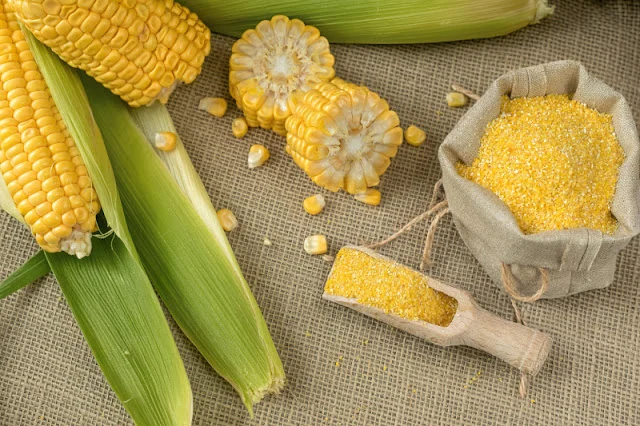
To understand the role of corn in a chicken’s diet, it is necessary to analyze its chemical composition and how it interacts with the avian digestive system. Corn (Zea mays) is characterized primarily as a high-energy carbohydrate source. According to nutritional data from agricultural extension services, yellow dent corn typically contains approximately 7% to 9% crude protein, 3.5% to 4% crude fat, and roughly 66% to 70% starch.
Beyond its caloric value, corn provides a suite of essential micronutrients. It is a significant source of xanthophylls, the natural pigments responsible for the deep yellow color of egg yolks and the healthy skin pigmentation in many broiler breeds. Furthermore, corn contains key vitamins and minerals including Vitamin B6, Vitamin C, folate, magnesium, phosphorus, and potassium. It also provides niacin, which is critical for metabolic health, and Vitamin K, which is found in high concentrations within the corn silk and is essential for proper blood coagulation.

However, experts emphasize that corn lacks the complete amino acid profile required for modern high-production laying hens. It is notably low in lysine and methionine. Consequently, while corn is a foundational energy source, it must be viewed as a component of a broader, balanced ration rather than a standalone feed.
The Summer Feeding Controversy: Thermogenesis and Metabolic Heat
A persistent narrative within the poultry community suggests that feeding corn to chickens during the summer is dangerous, as the energy required to digest the grain purportedly raises the bird’s internal body temperature, leading to heat exhaustion. This phenomenon, known as the Heat Increment of Feeding (HIF), refers to the heat produced during the ingestion, digestion, and metabolism of food.
Agricultural scientists note that while all food consumption results in some level of metabolic heat production, the "corn causes overheating" theory is often overstated. The digestion of complex carbohydrates and fibers does generate heat, which is why dried, cracked, or whole-kernel corn is an ideal evening snack during the winter. By feeding these grains before dusk, keepers allow the birds to utilize the slow-burning energy of the gizzard’s digestive process to maintain core body temperatures during cold nights.
In the context of summer, the concern is not necessarily that corn is toxic, but rather that dried corn provides "dry" calories without the hydration necessary for heat mitigation. During a heatwave, a chicken’s primary physiological need is thermoregulation through evaporation (panting) and water intake. Feeding heavy, dried grains can discourage the consumption of high-moisture foods and water. However, fresh corn—which has a high water content—presents a different metabolic profile and is considered a safe and hydrating treat even in warm weather.

Chronology of Feeding Practices: A Seasonal Approach
The integration of corn into a flock’s diet should follow a chronological strategy aligned with environmental changes.
1. Winter Supplementation (November – March):
During the colder months, the caloric requirements of poultry increase significantly as they divert energy toward maintaining homeostatic body temperatures. Cracked corn is a primary ingredient in "scratch grains," a supplemental mix designed to encourage natural foraging behavior. Professional guidelines suggest offering scratch grains in the late afternoon. This timing ensures the birds have a full crop of slow-digesting grain to sustain them through the night, effectively acting as an internal heater.
2. Spring Transition (April – June):
As temperatures stabilize, the reliance on high-carbohydrate supplements should decrease to prevent excessive weight gain. During this period, corn is often integrated into the primary fermented or dry mash at a lower ratio to balance the intake of fresh spring forage.
3. Summer Hydration and Enrichment (July – September):
The strategy shifts from dried grains to fresh, high-moisture corn. Fresh corn on the cob provides not only nutrition but also environmental enrichment, which can reduce stress-induced pecking in confined flocks. The inclusion of corn husks and silks provides additional fiber and antioxidants without the intense caloric density of dried kernels.

4. Autumn Molting Support (September – October):
As birds enter the molting season, their demand for protein increases to support feather regrowth. While corn provides energy, it should be secondary to high-protein supplements during this phase.
Holistic Utilization: Beyond the Kernel
A journalistic investigation into sustainable farming practices highlights that the entire corn plant can be utilized for poultry health. While humans typically consume only the kernels, chickens and ducks are physiologically equipped to benefit from the "waste" products of the corn harvest.
- Corn Cobs: Once the kernels are removed, the remaining cob serves as a durable pecking toy. This behavior mimics natural foraging and can prevent boredom in backyard enclosures.
- Corn Silks: Often discarded, corn silks are rich in antioxidants and anti-inflammatory compounds. For waterfowl, such as ducks, corn silk is a highly palatable source of Vitamin K and potassium.
- Husks: The leafy outer layers provide insoluble fiber, which aids in digestive motility and gut health.
Data-Driven Analysis of Risks: Obesity and Egg Production
Despite its benefits, the overconsumption of corn carries documented risks. Poultry nutritionists warn against the "treat-heavy" diet common in many backyard settings. Corn is high in sugar and starch; if it exceeds 10% of the total daily caloric intake, it can lead to obesity.
In laying hens, obesity is a precursor to several lethal conditions, most notably Fatty Liver Hemorrhagic Syndrome (FLHS). This condition occurs when the liver accumulates excess fat, making it friable and prone to rupture. Furthermore, an overweight hen is more likely to suffer from prolapsed oviducts and reduced egg production, as fat deposits can interfere with the reproductive tract.

Data from avian veterinary clinics suggest that heavy-breed ducks, such as Pekins, are particularly susceptible to weight-related joint issues and bumblefoot when fed an unrestricted diet of high-carb grains like corn. Therefore, moderation remains the governing principle for healthy flock management.
Institutional and Expert Perspectives
The consensus among agricultural extension offices, such as those at Cornell University and the University of California, Davis, is that corn is an "energy feed." These institutions categorize corn as a "diluent" to the protein, vitamins, and minerals in a complete feed.
Dr. Gregory Martin, a poultry science expert, has previously noted that while scratch grains (largely comprised of corn) are a traditional part of poultry husbandry, they should never replace a formulated ration. "The birds will always pick out the corn first because it is highly palatable," Martin has observed in various agricultural forums. "This can lead to nutritional deficiencies if the birds fill up on corn and ignore their balanced pellets."
From a behavioral standpoint, experts in animal welfare point out that tossing corn into a run encourages "scratching," which is a fundamental natural behavior for Gallus gallus domesticus. This activity helps keep the birds active and assists in the breakdown of bedding material in deep-litter systems.

Broader Impact on Sustainable Agriculture
The use of corn in backyard poultry keeping also has implications for local food sustainability. By utilizing garden-grown corn or "seconds" from local farmers’ markets (ears that are bruised or overripe for human consumption), poultry keepers can reduce food waste. This circular economy model turns agricultural byproducts into high-quality protein in the form of eggs.
Furthermore, as global feed prices fluctuate due to supply chain disruptions and climate-related crop failures, understanding how to supplement commercial feed with locally sourced corn can provide a buffer for small-scale producers. However, this must be balanced with the understanding that corn-heavy diets can change the fatty acid profile of the eggs, often increasing the omega-6 to omega-3 ratio unless the birds are also provided with significant green forage.
Conclusion: A Tool for Strategic Management
The debate over corn in poultry diets is ultimately a matter of nuance rather than a binary of "good" or "bad." The evidence confirms that corn is a versatile and nutritionally dense resource that, when used strategically, enhances the welfare of backyard flocks.
The "heating" myth of summer corn is debunked when one differentiates between dried grains and fresh produce. While dried corn serves as a critical thermogenic tool for winter survival, fresh corn provides summer hydration and enrichment. By adhering to the "10% rule" for treats and aligning the form of the grain with the season, poultry keepers can ensure their birds remain healthy, productive, and well-nourished throughout the year. The key to successful integration lies in professional observation, moderation, and a fundamental understanding of avian metabolic needs.
