
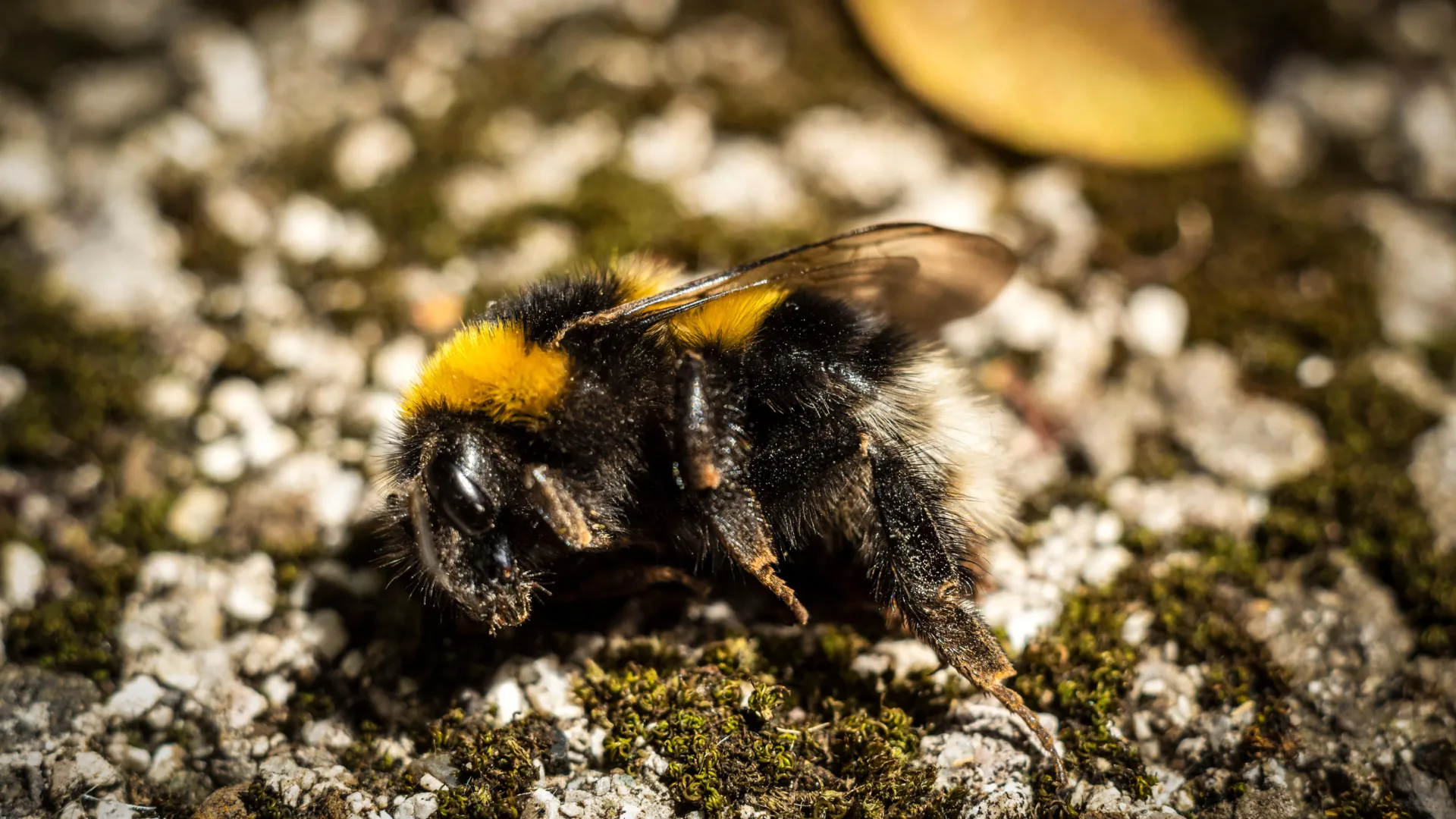
The sudden appearance of dead bumblebees scattered across urban pavements during the summer months has become an increasingly common and distressing sight for pedestrians. While the initial assumption by many is that these insects have simply reached the natural end of their lifecycle, entomologists and conservationists emphasize that a complex web of environmental pressures, extreme weather events, and anthropogenic factors are driving a much wider ecological crisis. Understanding why these pollinators are perishing in such high numbers requires a comprehensive examination of bee biology, climate shifts, the widespread deployment of agricultural chemicals, and the accelerating destruction of natural habitats across the United Kingdom and continental Europe.
The Natural Life Cycle and Colony Maintenance
To understand the sudden presence of deceased bumblebees, one must first look at the social structures of these vital insects. Bumblebees are social creatures that establish colonies maintained by intensely active worker bees. These workers possess a relatively short lifespan, typically lasting between four and six weeks. Because of this compressed biological timeline, older bees naturally die off in large quantities as the summer progresses.
However, the discovery of these bodies outside the nest is not accidental. To protect the integrity of the colony and prevent the spread of disease within the confined space of the nest, healthy young worker bees actively remove their deceased nestmates. They transport the bodies considerable distances away from the colony, resulting in the scattered distribution of bee carcasses observed along sidewalks, garden paths, and paved urban environments.
Thermal Stress and Extreme Weather Events
Beyond the natural attrition of aging worker bees, extreme meteorological conditions are exerting unprecedented pressure on insect populations. The environmental stakes were underscored during recent climate milestones, notably when England recorded its warmest June on record, followed by subsequent prolonged heatwaves across the United Kingdom.
These sustained high temperatures induce severe thermal stress in bumblebees, a physiological condition that alters their normal development and threatens the long-term stability of local populations. Prolonged exposure to heatwaves severely disrupts critical biological functions, including reproduction, flight capacity, and the ability to forage effectively for food.
Social insects like bumblebees rely heavily on specific cooling behaviors to regulate hive temperatures. When conditions become excessively hot, worker bees engage in fanning their wings to circulate air and buffer the internal temperature of the nest. However, there are strict biological limits to how effective these cooling mechanisms can be during unprecedented heatwaves.
Furthermore, as ambient temperatures rise, bee foraging activity often increases out of necessity, forcing individuals to cover greater distances under harsh conditions. While bees possess sophisticated physiological adaptations that allow them to thermoregulate by redistributing heat through their bodies during flight, extremes of temperature push these mechanisms past their breaking point, leading to exhaustion, dehydration, and mortality.
The Chemical Landscape: Pesticides and the Loss of Forage
Human intervention in the landscape compounds these natural and climatic challenges. The widespread commercial and domestic use of pesticides and herbicides remains a leading driver of pollinator decline. Chemical treatments directly impair the physiological fitness of bees, frequently resulting in direct mortality.
However, the threat extends beyond direct toxicity. Herbicides systematically eliminate crucial wild plants that bees rely upon for sustenance, leading to widespread starvation. A prime example is the dandelion. Frequently targeted by homeowners and municipal landscapers as an unwanted weed and eradicated with chemical sprays, the dandelion actually serves as an indispensable early-season nectar source for bees emerging from hibernation.
Historically, agricultural pesticides introduced to protect crops from herbivorous insects have paradoxically harmed the very organisms responsible for pollinating those same crops. Although regulatory bodies in the United Kingdom and the European Union have implemented strict bans on the most hazardous neonicotinoid insecticides, chemical pest control remains a routine practice in modern farming and gardening.
Insecticides such as organophosphates, synthetic pyrethroids, and phenylpyrazoles continue to pose severe risks. Exposure to these compounds induces paralysis and death in beneficial insects while systematically disrupting the neural pathways bees rely on for spatial navigation, rendering them unable to find their way back to the colony.
Habitat Fragmentation and Phenological Mismatches
In addition to chemical exposure, habitat loss represents a foundational threat to wild pollinator populations. Rapid land-use changes driven by intensive agriculture, urban expansion, and infrastructure development—such as the construction of housing estates and road networks—have fragmented and destroyed the diverse landscapes bees require to thrive. Without connected corridors of natural habitat to sustain them, local populations experience severe demographic bottlenecks.
Compounding these structural pressures are the cascading effects of global climate change, notably a phenomenon known as phenological mismatch. This ecological disruption occurs when two interdependent organisms, such as a specific flowering plant and its primary pollinator, fall out of sync with each other due to shifting seasonal cues.
As global temperatures fluctuate unpredictably, plants may flower significantly earlier or later than historical averages. If a colony of bumblebees emerges from hibernation only to find that their primary food sources have already flowered and withered—or conversely, if the flowers bloom before the bees are active—the consequences are disastrous for both flora and fauna. The mismatch deprives the bees of necessary nutrition while leaving plants unpollinated, destabilizing entire ecosystems.
The Broader Implications for Global Food Security
Insects constitute the most diverse and abundant group of animals on the planet. Yet, despite their ecological dominance, scientific assessments reveal that they are simultaneously the most threatened.
The decline of wild bee populations has accelerated at an alarming rate over the past decade. Conservation assessments, including data from the International Union for Conservation of Nature (IUCN) Red List, indicate that the number of wild European bee species facing the risk of extinction has more than doubled in recent years, with hundreds of species now classified as threatened.
The loss of these insects carries profound implications for the global biosphere. Scientists categorize the contributions of insects to the natural world as "ecosystem services," which include roles as decomposers, pest controllers, and a foundational food source for birds, amphibians, and small mammals. However, one specific service provided by insects carries immense economic and survival value for human societies: crop pollination.
Bees represent one of the most diverse groups of pollinators, supporting an estimated 75 percent of global crop pollination and nearly 90 percent of all wild flowering plants. The remainder of plant pollination relies on other animal vectors, the wind, or weather patterns. Agricultural sectors producing fruits, vegetables, nuts, and forage crops for livestock depend entirely on the labor of managed and wild pollinators.
Agricultural economists and conservation scientists warn that the continued degradation of pollinator populations threatens global food security. A systemic collapse of pollinating insects could trigger widespread agricultural shortfalls, nutritional deficits, and substantial economic disruption across the global food supply chain.
Actionable Steps for Conservation and Mitigation
Addressing the decline of bumblebees requires a coordinated response from policymakers, agricultural producers, and individual citizens. Experts emphasize that meaningful change begins with informed consumer behavior. Supporting local, sustainably produced food systems and purchasing agricultural goods from farmers who employ nature-friendly, low-input practices can significantly reduce the environmental burden placed on rural ecosystems. This approach does not exclusively require certified organic products, but rather a conscious consideration of how farming systems impact local biodiversity.
At the household level, property owners can play a direct role in mitigating habitat loss. Cultivating a diverse range of native flowering plants in gardens, allotments, and public spaces provides a continuous, reliable food supply for foraging insects. Furthermore, adopting low-intensity lawn management—such as leaving patches of grass unmown and tolerating flowering weeds like dandelions—creates critical micro-habitats and safe havens for urban wildlife. When pest control is deemed necessary in domestic settings, homeowners should prioritize non-chemical alternatives and apply any treatments sparingly and responsibly to minimize collateral damage to beneficial insects.
For individuals encountering a struggling bumblebee on a pavement during the summer months, direct intervention can offer a temporary lifeline. Conservation organizations recommend offering a simple mixture of white sugar and water—mixed at a two-to-one ratio of sugar to water—in a shallow dish or on a safe surface near the insect to help revive it from exhaustion or thermal shock. If it can be done safely without the risk of stings or allergic reactions, gently moving the bee to a nearby flower or a shaded spot out of direct pedestrian traffic can further improve its chances of recovery. Through a combination of systemic agricultural reform, habitat preservation, and individual awareness, society can work to halt the decline of these indispensable pollinators before the pavement casualties become a permanent indicator of ecological collapse.
