
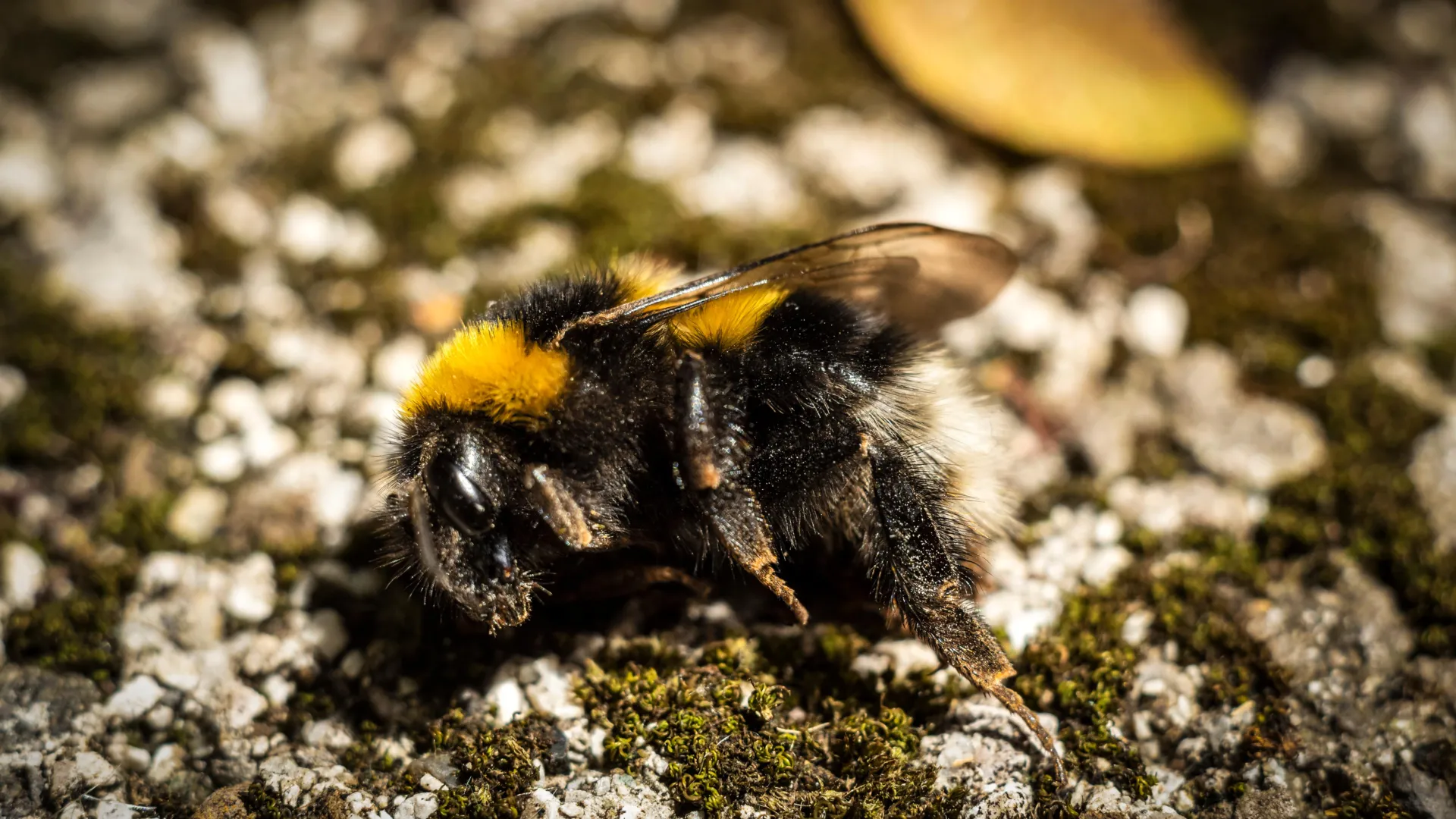
Walking along urban pavements and suburban sidewalks during the height of summer, a distressing sight has become increasingly common: the static, curled bodies of dead bumblebees. While seasonal mortality is a natural biological reality for these industrious insects, the sheer volume of fatalities observed in recent years points toward a compounding crisis. This alarming trend is not isolated to a single environmental factor; rather, it is the cumulative result of severe weather extremes, relentless habitat fragmentation, the continued reliance on chemical pesticides, and the invisible disruptions of climate change. As entomologists and conservationists sound the alarm, the implications extend far beyond the fate of a single insect species, threatening the stability of global ecosystems and human food security alike.
To understand the current phenomenon of pavement fatalities, one must first look at the intricate social structures of bumblebees. Unlike solitary bee species, bumblebees live in colonies maintained by hyper-active worker bees. These workers have a relatively short lifespan, typically living only four to six weeks. Consequently, older generations naturally die off in rapid succession during the peak of summer. To maintain hive hygiene and prevent the spread of disease within the colony, healthy young workers perform a grim housekeeping duty: they physically retrieve their deceased nest-mates, carrying their bodies far away from the hive entrance to protect the developing brood. This sanitation behavior explains why sudden clusters of dead bees are frequently discovered on flat, exposed surfaces like walkways and roads situated near nesting sites.
Compounding this natural mortality cycle, however, are unprecedented meteorological conditions that push these insects past their physiological limits. Recent summers have rewritten climate records across Europe and North America. England, for instance, experienced its warmest June on record, setting a dangerous baseline for subsequent heatwaves. Such extreme temperatures induce severe thermal stress in social insects. Prolonged exposure to intense heat alters larval development, threatens long-term population stability, and severely disrupts flight capacity, foraging efficiency, and reproductive success.
To combat overheating, social bees rely on behavioral thermoregulation, such as fanning their wings vigorously to cool the hive interior. However, in the face of prolonged heatwaves, these cooling mechanisms have strict biological limits. While in flight, bees can actively manage their internal temperatures by shifting heat through their bodies, but ambient temperatures crossing critical thresholds cause systemic exhaustion. As heat intensifies, bees are often forced to increase their foraging activity and travel greater distances in search of dwindling resources, further depleting their energy reserves and resulting in widespread exhaustion and mortality.
Compounding the pressure of extreme weather is the pervasive use of chemical agents in both agricultural and domestic settings. Pesticides and herbicides remain a foundational threat to pollinator health. While regulatory bodies in the European Union and the United Kingdom have enacted bans on the most hazardous neonicotinoid pesticides, chemical pest management remains routine. Insecticides such as organophosphates, synthetic pyrethroids, and phenylpyrazoles are well-documented agents of neurotoxicity, causing immediate paralysis and death, while sublethal doses severely impair a bee’s navigational ability and foraging memory.
Furthermore, the collateral damage of herbicide application is equally devastating. Chemical weed control eradicates vital early-season forage plants that bees rely on for foundational nutrition. Dandelions, frequently treated as unwanted weeds by homeowners and agriculturalists alike, serve as a critical lifeline for emerging queens and workers when few other nectar sources are available. The systematic removal of these plants through chemical or mechanical means drives local populations toward starvation. Historically recognized as one of the primary drivers of insect decline, the irony of applying crop-protection pesticides that inadvertently destroy the very organisms responsible for pollinating those same crops is a profound management failure in modern agriculture.
Beyond direct chemical toxicity and thermal stress, bees face a catastrophic loss of habitable land. Rapid urbanization, the expansion of intensive monoculture agriculture, and the proliferation of road networks and concrete infrastructure have systematically carved up the landscape. These anthropogenic alterations fracture continuous ecosystems into isolated patches, preventing gene flow between populations and stripping bees of the diverse floral resources required throughout their lifecycle. Without connected, resource-rich habitats to buffer against environmental shocks, local bee populations experience precipitous declines.
Adding a modern layer of complexity to these pressures is the phenomenon of phenological mismatch—a disruption in the synchronized timing of interdependent organisms driven by rapid climate shifts. Phenological mismatch occurs when seasonal cues trigger biological events out of step with ecological partners. For example, warming winter temperatures may cause bees to emerge from hibernation weeks ahead of schedule, only to find that the specific flowering plants they depend upon have not yet bloomed. Conversely, flowers may bloom prematurely before overwintering queens have established their nests. This temporal misalignment deprives bees of essential sustenance during their most vulnerable developmental phases, creating a cascading demographic crisis for both flora and fauna.
Despite insects representing the most diverse and abundant group of animals on Earth, they are simultaneously facing the most severe existential threats. Data from the International Union for Conservation of Nature (IUCN) highlights the alarming acceleration of this decline. In Europe alone, the number of wild bee species categorized at risk of extinction has more than doubled over the past decade, jumping from 77 assessed species to at least 172—representing approximately 10% of all evaluated species.
The ramifications of this decline resonate across entire ecosystems. Entomologists emphasize the concept of ecosystem services—the wide-ranging benefits that healthy insect populations provide to the natural world, including soil decomposition, natural pest control, nutrient cycling, and serving as a foundational food source for birds, amphibians, and small mammals. However, one ecosystem service is uniquely critical to human survival: pollination. Bees are exceptionally diverse, comprising over 21,000 known species globally. Together, they are responsible for supporting an estimated 75% of global crop pollination and nearly 90% of all wild flowering plants.
The agricultural sector is structurally dependent on this unpaid labor force. Fruits, vegetables, nuts, and oilseeds rely entirely or partially on insect pollination for yield quality and volume. Agricultural economists and conservation scientists warn that the loss of pollinators threatens global food security, potentially triggering widespread nutritional deficits and economic instability if vital crop yields collapse. As the scale of the crisis becomes clearer, researchers and environmental policymakers stress that intervention is urgently required at both systemic and individual levels.
Mitigating this ecological emergency demands a multifaceted approach. For consumers and homeowners, shifting agricultural and gardening habits can yield immediate localized benefits. Being a thoughtful consumer involves supporting sustainable, nature-friendly farming systems that minimize chemical runoff and preserve field margins. At the household level, property owners can drastically reduce or eliminate chemical pesticide use, opting instead for non-chemical pest management alternatives applied with extreme restraint.
Combating habitat loss can begin directly in the backyard. Homeowners are increasingly encouraged to rewild portions of their properties by planting a diverse array of native flowering species that bloom sequentially across the spring, summer, and autumn months. Crucially, leaving sections of lawn unmown provides essential nesting sites and foraging opportunities for ground-nesting and cavity-nesting wild bees, transforming sterile suburban gardens into functional ecological stepping stones.
For individuals encountering a struggling bee on a pavement during the punishing heat of a summer afternoon, immediate, small-scale humanitarian intervention can make a vital difference. Dehydrated and exhausted bees can frequently be revived through targeted first aid. Conservation organizations recommend offering a simple sugar-water solution mixed at a precise two-to-one ratio of sugar to clean water. Placing a few drops of this mixture near the bee on a spoon or leaf provides the rapid caloric energy required to restart its flight muscles. Once energized, gently relocating the insect to a shaded flower or protected area out of the path of pedestrian traffic gives it the best possible chance at recovery, provided the Good Samaritan takes necessary precautions regarding potential allergic reactions.
Ultimately, while feeding a pavement-bound bee offers a symbolic and immediate act of rescue, the broader survival of our most critical pollinators requires a fundamental reassessment of how humans manage landscapes, apply agricultural chemicals, and respond to a rapidly warming climate. The dead bees on our pavements are warning signs of an unfolding ecological disruption; answering that warning will determine the stability of the natural systems upon which human civilization depends.
