

The once vibrant and resounding calls of the Military Macaw (Ara militaris) are now a fragile echo in the dense forests of western Mexico. Once a symbol of the region’s rich biodiversity, these magnificent large parrots have been pushed to the precipice of extinction, their populations decimated by a relentless onslaught of illegal logging, unchecked urban sprawl, and the devastating illicit wildlife trade. Today, the sighting of these striking scarlet, yellow, and blue-feathered birds in their natural habitat is an exceptionally rare occurrence, a poignant testament to their endangered status. However, a beacon of hope has emerged in the form of the Txori Foundation, an organization dedicated to the long-term survival and recovery of this iconic species.
A Legacy of Conservation: Over a Century of Dedication
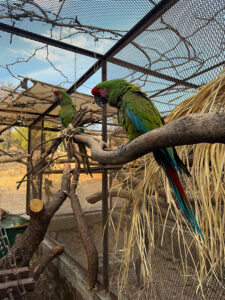
The Txori Foundation, established in 1989, was born out of a profound concern for Mexico’s escalating environmental crises. While the foundation’s official establishment date marks its formal inception, its commitment to wildlife preservation, and particularly to the plight of parrots, extends far beyond, embodying a spirit of conservation that has been cultivated over decades. The foundation’s current, most critical endeavor focuses on a flock of 16 Military Macaws residing at their specialized sanctuary. These birds are not merely being cared for; they are undergoing a meticulously designed and intensive rehabilitation program, preparing them for a monumental step: their complete reintroduction into the wild.
This ambitious undertaking is orchestrated by a multidisciplinary team of dedicated professionals. This passionate network comprises avian veterinarians specializing in wild bird rehabilitation, experienced wildlife biologists with extensive knowledge of macaw ecology and behavior, skilled aviculturalists responsible for the birds’ daily care and enrichment, and dedicated volunteers who provide essential support and contribute to the overall well-being of the flock. Their collective expertise is focused on equipping these 16 macaws with the essential survival skills necessary to navigate the challenges of their natural environment, from foraging for a diverse diet to identifying predators and establishing social hierarchies within a wild population.
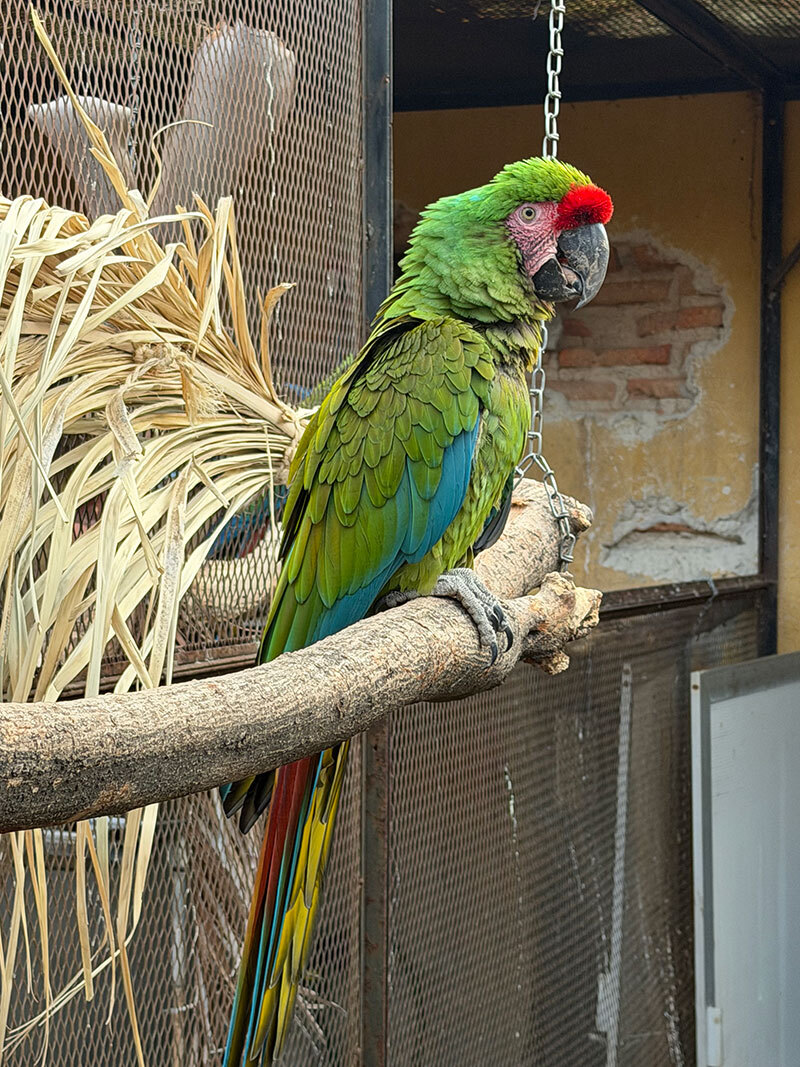
The ultimate objective of this comprehensive rehabilitation effort is to successfully reintegrate the flock into their ancestral biological corridors. These corridors, vital pathways for species migration and genetic exchange, represent the macaw’s natural range. By repopulating these areas, the Txori Foundation aims to catalyze a genuine recovery for Mexico’s wild Military Macaw populations, a species that has suffered immense losses over the past century.
The Countdown to Reintegration: March 2027 and the Financial Imperative
The culmination of years of dedicated work is set for March 2027, when, if all preparations proceed as planned, the aviary doors will open, and the 16 Military Macaws will be released back into their ancestral home. This date represents not only a significant milestone for the Txori Foundation but also a critical moment for the species’ survival.
However, the path to this momentous occasion is paved with significant financial challenges. As a privately funded conservation project, the Txori Foundation relies heavily on the generosity of donors and grants to sustain its operations and fund its ambitious projects. Securing consistent and sufficient financial resources is an ongoing, uphill battle. Before the macaws can take flight, the foundation must meet its fundraising targets to cover a range of essential, non-negotiable costs. These include:
- Specialized Veterinary Care and Nutrition: Ensuring the macaws receive the highest quality veterinary attention throughout their rehabilitation, including regular health check-ups, any necessary medical treatments, and a meticulously balanced diet that mimics their natural food sources, is paramount. This involves the procurement of specific fruits, nuts, seeds, and other dietary components crucial for their health and recovery.
- Habitat Enrichment and Behavioral Training: The sanctuary must provide an environment that stimulates the macaws’ natural behaviors and encourages the development of essential survival instincts. This includes creating complex aviaries that mimic natural foraging opportunities, providing opportunities for flight and social interaction, and implementing carefully designed training programs that gradually introduce them to elements they will encounter in the wild, such as varied food sources and potential threats.
- Post-Release Monitoring Equipment: Once released, continuous monitoring is crucial to assess the flock’s adaptation to the wild and to intervene if necessary. This requires specialized equipment such as GPS tracking devices, remote cameras, and the deployment of field researchers to observe their behavior and survival rates.
- Community Outreach and Education Programs: The long-term success of the Military Macaw’s recovery hinges not only on the birds’ ability to thrive in the wild but also on the support and understanding of the local communities. The Txori Foundation invests in educational initiatives to foster a sense of stewardship and to discourage practices that threaten macaws, such as habitat destruction and illegal pet trade.
- Operational Expenses: Like any organization, the foundation incurs essential operational costs, including staff salaries, sanctuary maintenance, and administrative overhead, all of which are vital for the smooth functioning of their conservation efforts.
A Ripple Effect: Providing a Second Chance for More Rescues
The successful reintegration of this initial flock of 16 Military Macaws in March 2027 holds profound implications that extend far beyond the immediate benefit to these individual birds. Upon their release, the sanctuary will gain critical aviary space, opening a vital capacity to rescue and rehabilitate more parrots that have fallen victim to the cruelties of trafficking and abuse. This expanded capacity allows the Txori Foundation to offer a second chance to a new wave of birds, providing them with the essential care, rehabilitation, and eventual journey back to their natural habitats.
The illegal wildlife trade is a multi-billion dollar global industry, and parrots, with their intelligence, beauty, and often complex social behaviors, are highly sought-after commodities. Many birds captured for the pet trade suffer immensely during capture, transport, and in captivity, often succumbing to stress, disease, and inadequate care. Organizations like the Txori Foundation play a crucial role in mitigating this damage, offering a lifeline to these trafficked animals and working towards their eventual return to the wild, where they truly belong.
Broader Implications and a Call to Action
The plight of the Military Macaw serves as a stark reminder of the fragility of biodiversity and the urgent need for sustained conservation efforts. The species’ decline is a complex issue, exacerbated by a confluence of factors that have historically undermined ecological stability in many regions. The International Union for Conservation of Nature (IUCN) Red List categorizes the Military Macaw as Vulnerable, with populations experiencing significant declines. While exact population figures in the wild are difficult to ascertain due to the species’ elusive nature and fragmented distribution, estimates suggest a concerning trend. For instance, in some parts of their historical range in Mexico, populations have dwindled to just a few hundred individuals.
The success of the Txori Foundation’s reintroduction program could have significant implications for regional conservation strategies. It offers a tangible model for how dedicated organizations, with strong scientific backing and community engagement, can contribute to the recovery of critically endangered species. The project also highlights the interconnectedness of conservation efforts, where the rehabilitation of one species can create opportunities to address the needs of others affected by similar threats.
The Txori Foundation reports a growing sense of encouragement from the community’s increased interest and a palpable willingness to collaborate. This growing support is crucial for the long-term sustainability of conservation initiatives. By actively engaging with local communities, fostering a deeper understanding of the ecological importance of macaws, and providing tangible economic alternatives to practices that harm wildlife, conservation organizations can build a powerful coalition for change.
Parrot enthusiasts and conservation advocates worldwide have the opportunity to play a direct and impactful role in the resurgence of the Military Macaw in the Mexican skies. The Txori Foundation’s efforts are a testament to the power of focused conservation and the potential for recovery even in the face of daunting challenges.
Lafeber Company, a prominent supporter of avian health and conservation, has announced a donation to the Txori Foundation to aid in the macaws’ preparation for their release. This contribution underscores the importance of collaborative efforts in conservation. Individuals who wish to contribute to this vital mission can help by sharing this news to raise awareness about the upcoming 2027 release or by making a direct donation to the Txori Foundation to support their crucial fundraising goals. Every contribution, no matter the size, plays a part in giving these magnificent birds a second chance at a wild and free existence.
