
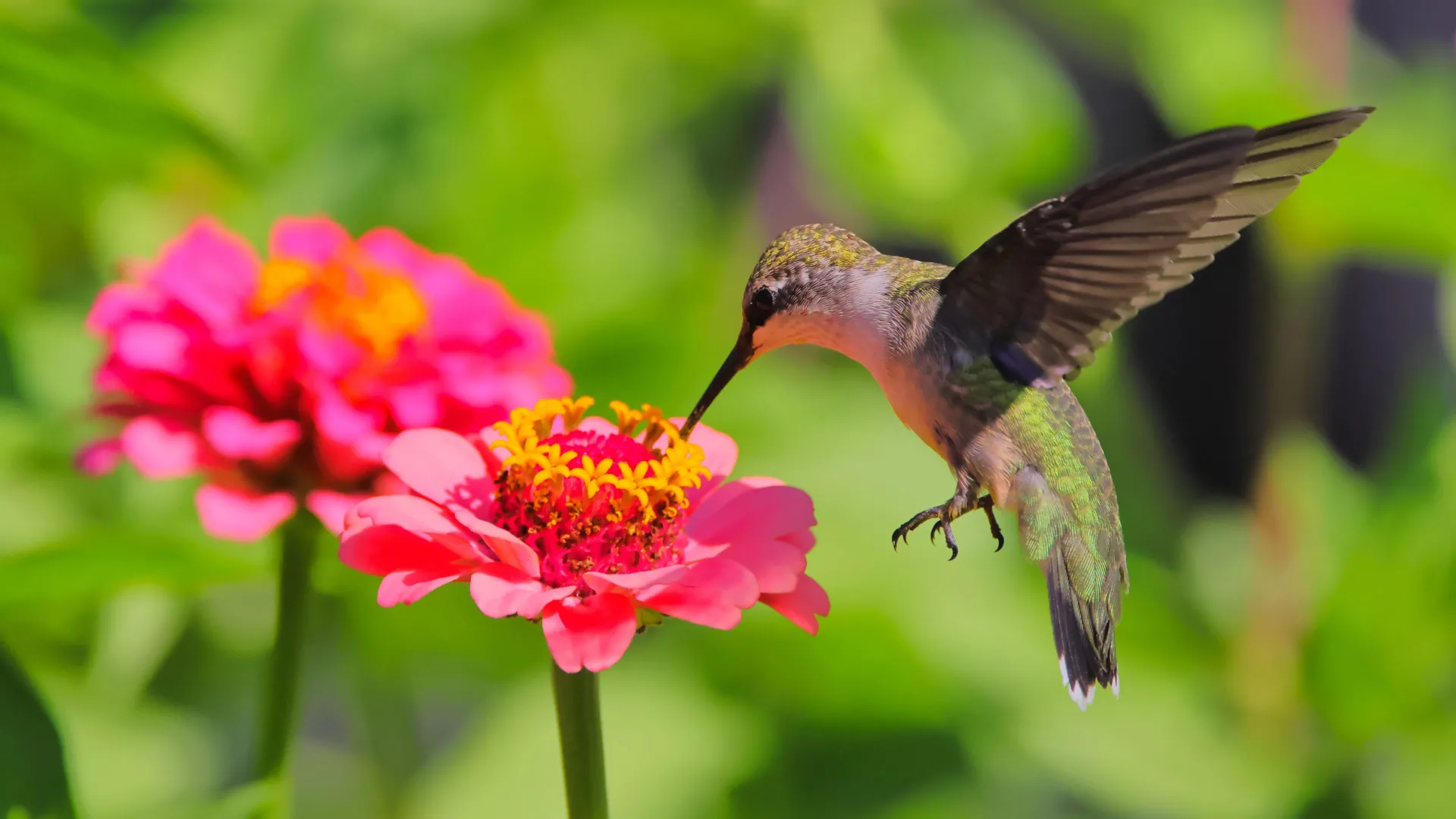
As the delicate dance of pollination unfolds across the world’s diverse ecosystems, a hidden ingredient has been discovered within the life-sustaining nectar that fuels bees, hummingbirds, and other vital pollinators: alcohol. In a groundbreaking and extensive survey, biologists at the University of California, Berkeley, have revealed that ethanol is a surprisingly common component of floral nectar, prompting a reevaluation of how these crucial creatures interact with their primary food source and challenging long-held assumptions about dietary alcohol in the animal kingdom. This pioneering research suggests that pollinators, far from being immune to this natural compound, have likely evolved sophisticated mechanisms to manage its presence, potentially influencing their behavior and physiology in ways previously unknown.
A Surprising Discovery in Nature’s Sweetest Treat
The conventional image of nectar is one of pure, energy-rich sugar water, a pristine reward offered by plants to entice pollinators. However, the UC Berkeley study, published on March 25 in Royal Society Open Science, paints a more complex picture. For the first time, researchers systematically investigated the alcoholic content of nectar samples from a wide array of plant species. Their findings were striking: ethanol was detected in at least one sample from 26 of the 29 plant species examined, indicating its widespread prevalence. While most samples contained only trace amounts, likely the result of yeast fermentation converting sugars into alcohol, one particular sample registered a notable 0.056% ethanol by weight. To put this into perspective, this concentration is roughly equivalent to 1/10 proof, a level that, while low, is certainly measurable and significant given the volume of nectar consumed by these animals.
The implications of this discovery are profound, opening new avenues for understanding the intricate relationship between plants, pollinators, and their environment. The presence of alcohol in nectar, a fundamental resource for countless species, suggests that many animals have a much more consistent and chronic exposure to dietary ethanol than previously appreciated, necessitating a deeper look into the evolutionary adaptations that allow them to thrive despite this intake.
The Ubiquitous Presence of Ethanol in Natural Ecosystems
Ethanol, the alcohol found in alcoholic beverages, is not solely a product of human ingenuity; it is a naturally occurring compound widely distributed across various ecosystems. It is primarily formed through fermentation, a metabolic process carried out by yeasts and bacteria that convert sugars into ethanol and carbon dioxide in the absence of oxygen. This process is common in ripe and overripe fruits, decaying plant matter, and even in sap flows. For instance, fruit bats, spider monkeys, and chimpanzees are known to consume fermented fruits, with some species even showing preferences for fruit with higher alcohol content, suggesting a long evolutionary history of interaction with dietary ethanol. The pen-tailed tree shrew of Malaysia, a small mammal, is particularly famous for consuming large quantities of naturally fermented nectar from the bertram palm, which can reach up to 3.8% ethanol by volume, making it one of the highest known chronic alcohol consumers in the animal kingdom relative to body size.
Given this natural ubiquity, it is perhaps less surprising that nectar, a sugar-rich solution, could also be a site for fermentation. Yeasts, which are microscopic fungi, are airborne and can be carried by insects, rain, or wind, easily finding their way into open flowers. Once inside the nectar, with its abundant sugar and often humid, sheltered environment, these yeasts can begin the fermentation process, producing ethanol. The Berkeley study specifically highlights this yeast-driven fermentation as the likely primary source of alcohol in the nectar samples, transforming a simple sugar solution into a subtly alcoholic cocktail for unsuspecting pollinators. This natural process adds another layer of complexity to the ecological interactions within floral environments, potentially influencing not just the pollinators but also the plants themselves, and even the microbial communities thriving within the flowers.
Unpacking the UC Berkeley Research: Methodology and Key Findings
The Berkeley team’s investigation stands out as the first comprehensive survey of alcohol in floral nectar, providing an unprecedented scope compared to earlier, more anecdotal observations. To accurately measure ethanol levels, the biologists employed a precise enzymatic assay, a biochemical method that uses enzymes to detect and quantify specific substances. This technique allowed for the sensitive and reliable measurement of even trace amounts of ethanol in the tiny volumes of nectar available.
The researchers collected nectar samples from a diverse range of 29 plant species across various locations, including gardens and natural habitats, ensuring a broad representation of floral types. The finding that 26 of these species contained detectable levels of ethanol underscores that this phenomenon is not an isolated curiosity but a widespread characteristic of floral nectar. While the majority of samples showed ethanol concentrations below 0.01%, consistent with the gradual fermentation of sugars by yeasts, the peak concentration of 0.056% ethanol by weight in one sample serves as a critical data point. This level, though seemingly small, is significant when considering the daily intake of pollinators.
Aleksey Maro, a doctoral student who worked on the nectar analysis, emphasized the subtlety of these concentrations. "Most nectar samples contained only trace amounts," Maro noted, indicating that the presence of alcohol is often low but persistent. The research also considered the potential mechanisms behind alcohol production, concluding that yeast fermentation of nectar sugars is the most probable cause. The prevalence of yeast in floral environments, often carried by the very insects seeking nectar, creates an ideal microbrewery within the flower, continuously producing small quantities of ethanol. This dynamic interaction between microorganisms, plants, and pollinators adds a fascinating dimension to floral ecology.
Pollinators’ Daily "Drink": How Much Alcohol Do They Really Consume?
While the individual concentrations of alcohol in nectar might appear minimal, the sheer volume of nectar consumed by pollinators daily translates into a surprisingly substantial intake of ethanol. For many species, nectar is not just a treat but their primary, sometimes exclusive, energy source, necessitating continuous feeding throughout the day. Hummingbirds, for instance, are metabolic marvels that consume between 50% and 150% of their body weight in nectar every single day to fuel their incredibly high metabolism and hovering flight.
Based on these prodigious feeding habits and the measured ethanol levels, the UC Berkeley researchers were able to estimate the daily alcohol consumption for various nectar-feeding species. An Anna’s hummingbird (Calypte anna), a common sight along the Pacific coast, was calculated to consume approximately 0.2 grams of ethanol per kilogram of body weight daily. To provide a relatable comparison, the researchers noted that this intake is roughly comparable to a human having about one standard alcoholic drink. A standard alcoholic drink in the United States contains about 14 grams of pure alcohol, and for an average human weighing around 70 kilograms, this equates to roughly 0.2 grams of ethanol per kilogram of body weight. This direct comparison highlights the unexpected magnitude of chronic alcohol exposure for these tiny birds.
The study extended its comparative analysis to other nectar-feeding species and animals known for dietary alcohol consumption. Sunbirds, which occupy a similar ecological niche in Africa to hummingbirds in the Americas, feeding on plants like honeybush (Melianthus major), showed a comparable intake range of 0.19 to 0.27 g/kg/day when foraging on native flowers. In contrast, the European honeybee had the lowest estimated intake at 0.05 g/kg/day, reflecting their smaller body size and different feeding dynamics. On the higher end of the spectrum, the pen-tailed tree shrew, known for its specialized diet of fermented palm nectar, consumed a staggering 1.4 g/kg/day, confirming its status as an extreme example of natural alcohol consumption. Fruit-eating chimpanzees, also known to consume fermented fruits, fall within a similar range to humans and nectar-feeding birds.
Intriguingly, the feeder experiments conducted as part of the broader research indicated that Anna’s hummingbirds might actually ingest even more alcohol from artificial fermented sugar water in feeders (estimated at 0.30 g/kg/day) than from natural nectar. This suggests that while they are exposed to alcohol in the wild, certain artificial setups could inadvertently increase their intake, raising questions about potential impacts of human-provided food sources.
Beyond Intoxication: Behavioral and Physiological Adaptations
Despite the consistent daily intake of alcohol, the researchers observed that bees and birds do not exhibit overt signs of intoxication. This absence of visible drunkenness can be attributed to several factors. Firstly, their consumption is gradual, spread throughout the day in small sips from numerous flowers, allowing their bodies to process the alcohol steadily rather than being overwhelmed by a sudden influx. Secondly, pollinators, especially hummingbirds, possess incredibly high metabolic rates. They are often described as "little furnaces" that burn through energy sources, including ethanol, very quickly. This rapid metabolism likely prevents alcohol from accumulating to intoxicating levels in their bloodstream.
Earlier work by the same team, specifically experiments conducted at feeders outside UC Berkeley Professor Robert Dudley’s office, provided crucial insights into hummingbirds’ behavioral responses to alcohol. Anna’s hummingbirds showed indifference to low alcohol concentrations in sugar water (below 1% by volume). However, a clear aversion emerged when concentrations reached 2%, with birds visiting the feeder about half as often. "Somehow they are metering their intake," Dudley commented, suggesting that pollinators possess an innate ability to detect and regulate their consumption of alcohol, perhaps maintaining it within a tolerable range. This behavioral adaptation is critical for survival, allowing them to benefit from nectar without succumbing to debilitating effects.
The physiological evidence further strengthens the case for evolved adaptations. A previous study led by former graduate student Cynthia Wang-Claypool revealed the presence of ethyl glucuronide in the feathers of Anna’s hummingbirds. Ethyl glucuronide is a direct byproduct of ethanol metabolism, serving as a biomarker for alcohol ingestion and processing. Its detection in feathers indicates that these birds not only ingest alcohol but also metabolize it through pathways similar to those found in mammals, including humans. This finding is significant because it points to a deep evolutionary history of alcohol processing, suggesting that the physiological machinery to detoxify ethanol is ancient and widespread across different animal lineages.
The researchers hypothesize that alcohol in nectar might have more subtle effects beyond outright intoxication. As Maro articulated, "But we don’t know what kind of signaling or appetitive properties the alcohol has. There are other things that the ethanol could be doing aside from creating a buzz, like with humans." Professor Dudley concurred, adding, "There may be other kinds of effects specific to the foraging biology of the species in question that could be beneficial." These "other effects" could include influencing foraging decisions, acting as a reward that subtly guides pollinators towards certain flowers, or even having antimicrobial properties that benefit the pollinator or the plant. For instance, some studies have explored whether low levels of alcohol might deter parasites or pathogens in nectar, offering an indirect benefit to the plant and its visitors. This nuanced perspective opens up exciting avenues for future research into the intricate co-evolutionary dynamics between plants and their alcohol-consuming pollinators.
A Chronology of Discovery: Building the Case for Nectar Alcohol
The current comprehensive survey by the UC Berkeley team is not an isolated discovery but rather the culmination of a series of investigations that have progressively illuminated the complex relationship between animals and dietary alcohol. The scientific journey began with preliminary observations and experiments that hinted at animals’ capacity to consume and process alcohol.
Earlier work conducted by Professor Robert Dudley and his team laid the groundwork by demonstrating that hummingbirds were not only exposed to alcohol but also exhibited specific behavioral responses to it. These initial experiments, often involving controlled feeders with varying alcohol concentrations, showed that while hummingbirds tolerated low levels, they actively avoided higher concentrations, indicating a discerning capacity. This early behavioral research provided the crucial first piece of the puzzle, suggesting that alcohol was a factor in their natural diet.
Following this, the groundbreaking work led by former graduate student Cynthia Wang-Claypool provided physiological evidence. Her research, which involved analyzing the feathers of Anna’s hummingbirds, revealed the presence of ethyl glucuronide. This biomarker unequivocally confirmed that hummingbirds were not just ingesting alcohol but actively metabolizing it, a discovery that fundamentally shifted the understanding of their physiological interaction with ethanol. This study established that the machinery for alcohol detoxification was present and functional in these birds, akin to mammals.
Building upon these foundational insights, the current large-scale survey, led by doctoral student Aleksey Maro and postdoctoral fellow Ammon Corl, and overseen by Professors Robert Dudley, Rauri Bowie, and Jimmy McGuire, provided the ecological context. Published on March 25 in Royal Society Open Science, this study systematically quantified the prevalence and concentration of ethanol in nectar across a wide range of plant species. This unified the behavioral and physiological findings by confirming that the alcohol these animals are adapted to consume is indeed widespread in their natural diet.
This ongoing research is part of a broader, ambitious five-year National Science Foundation (NSF) project. This extensive grant aims to collect and analyze genetic data from both hummingbirds and sunbirds. The ultimate goal is to unravel the evolutionary mechanisms that allow these birds to adapt to diverse environmental challenges and unique food sources. This includes understanding their physiological and genetic adaptations to high altitudes, their specialized sugar-rich diets, and crucially, their consistent exposure to frequently fermented nectar. This chronological progression of research, from behavioral observation to physiological confirmation and then to ecological quantification and genetic investigation, represents a robust scientific approach to understanding a previously overlooked aspect of natural history.
Evolutionary Pathways and Broader Ecological Implications
The findings from the UC Berkeley study and the preceding research have significant implications for understanding evolutionary biology and ecological dynamics. Professor Robert Dudley posits that these studies "suggest that there may be a broad range of physiological adaptations across the animal kingdom to the ubiquity of dietary ethanol, and that the responses we see in humans may not be representative of all primates or of all animals generally." This challenges an anthropocentric view of alcohol metabolism and addiction, suggesting that human responses are just one variation within a much broader spectrum of animal adaptations. Many species, through chronic, low-level exposure over evolutionary timescales, may have developed highly efficient detoxification pathways or even derived nutritional benefits from ethanol that are yet to be fully understood.
The consistent exposure to alcohol in nectar raises several critical ecological questions. How might chronic alcohol consumption, even at low levels, influence pollinator health, reproduction, or immune function? Could it affect their navigation abilities, foraging efficiency, or susceptibility to diseases and environmental stressors like pesticides or climate change? For instance, if climate change alters the floral microbiome or the rate of nectar fermentation, what are the potential consequences for pollinator populations that have evolved to manage a specific range of alcohol intake? These questions are particularly pertinent given the global decline in pollinator populations, making every aspect of their diet and environment worthy of scrutiny.
Furthermore, the co-evolutionary aspect between plants and pollinators warrants closer examination. Could plants derive benefits from producing slightly alcoholic nectar? While highly speculative, some hypotheses suggest that low levels of alcohol might act as a selective attractant for certain pollinators, or conversely, deter less desirable ones. Alcohol might also possess antimicrobial properties, helping to preserve nectar quality in the flower. Understanding these intricate feedback loops could reveal novel aspects of plant reproductive strategies.
The Path Forward: Unanswered Questions and Future Research
The UC Berkeley study has opened a fascinating new frontier in ecological and evolutionary research, but it also highlights the vast array of unanswered questions. As Professor Dudley concludes, "Maybe there are other physiological detoxification pathways or other kinds of nutritional effects of ethanol for animals that are consuming it every day of their lives. That’s the interesting thing — this is chronic through the course of the day, but that’s a lifetime exposure post-weaning. It just means that the comparative biology of ethanol ingestion deserves further study."
Future research endeavors will likely focus on several key areas. Genetically, scientists will aim to identify specific genes or gene pathways in hummingbirds and sunbirds that are responsible for alcohol metabolism and tolerance, potentially revealing novel adaptations. Long-term studies are needed to assess the chronic effects of nectar alcohol on pollinator health, longevity, reproductive success, and susceptibility to environmental perturbations. Research could also explore how alcohol content varies across different plant species, geographic regions, and environmental conditions, and how these variations impact pollinator behavior and physiology. Understanding the microbial communities within flowers and their role in nectar fermentation will also be crucial.
Ultimately, this pioneering work underscores the complexity of natural ecosystems and challenges anthropocentric perspectives on substances like alcohol. By recognizing that many animals, from tiny bees to agile hummingbirds, are regular, albeit low-level, consumers of alcohol, scientists can gain deeper insights into the evolutionary pressures that have shaped diverse life forms and their intricate adaptations to the natural world. The "tiny tipplers" of the floral world offer a compelling case study for the ubiquitous and often underestimated role of ethanol in the grand tapestry of life.
