
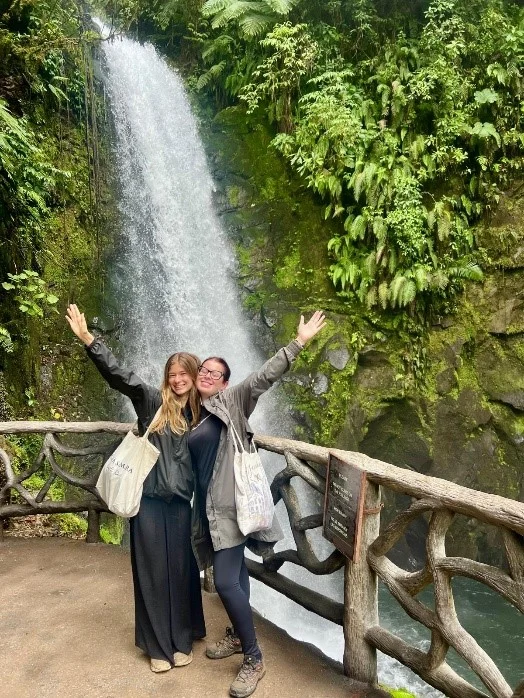
The global movement for wildlife rehabilitation relies heavily on the dedication of international volunteers who bridge the gap between resource-limited sanctuaries and the rising tide of displaced fauna. At the Toucan Rescue Ranch (TRR) in Costa Rica, organizations face the ongoing challenge of treating, rehabilitating, and occasionally releasing animals displaced by deforestation, illegal pet trading, and urban expansion. For Kim Schafroth, a communications student from Switzerland, this reality transformed from an academic concept into an intensive, two-month immersion. Working across both the Animal Care Team and the Marketing Team, Schafroth’s tenure sheds light on the rigorous operational framework required to sustain one of Central America’s premier wildlife sanctuaries.
Background Context and Operational Realities at the Toucan Rescue Ranch
Founded to address the escalating vulnerability of Costa Rican biodiversity, TRR functions as a critical rehabilitation and rescue center. The facility handles a diverse spectrum of native species, ranging from resplendent toucans and raptors to vulnerable mammals such as monkeys, otters, kinkajous, and grisons. Wildlife rescue centers in Mesoamerica operate under intense pressure; urbanization and habitat fragmentation consistently drive injured, orphaned, or illegally captured animals into human care.
For international participants, entering this environment requires more than a passive interest in wildlife. It demands strict adherence to protocols designed to minimize human imprinting on animals destined for potential reintroduction into the wild. Schafroth’s dual-department placement—transitioning from hands-on husbandry to strategic communications during her final month—offered a comprehensive view of how conservation facilities sustain themselves through both direct animal welfare and public outreach.
A Chronological Look at Daily Sanctuary Operations
Life at the Toucan Rescue Ranch begins well before the tropical sun reaches its peak. The daily routine is a carefully choreographed sequence designed to meet the complex nutritional and behavioral needs of dozens of species.
Morning Protocols and Nutritional Preparation
At 7:00 AM, the daily briefing sets the operational tone. Staff, interns, and volunteers convene to review overnight occurrences, medical updates, and specific project goals for the day. Following this alignment, the workforce splits into specialized units.
One cohort remains in the central kitchen to manage the intricate dietary requirements of the sanctuary’s bird population. Preparing meals for toucans, parrots, and raptors requires precision, as dietary imbalances can severely impact recovery. Concurrently, the second group deploys to the sanctuary grounds to sanitize and replenish water trays across permanent habitats.
Once initial sanitation is complete, the teams converge to distribute freshly cut fruit. The labor then pivots to the mammal units. Primates and grisons receive visually diverse, nutrient-dense plates featuring a wide assortment of fruits and vegetables formulated to replicate natural foraging variety. This meticulous preparation precedes the morning break, where volunteers gather at the residence for a traditional Costa Rican breakfast.
Midday Enrichment and Mammal Husbandry
Refueled, the team returns to the field to service specialized enclosures. Individual animals often present unique routines; Emma, a resident otter, receives her midday meal of fresh trout, routinely transporting the fish to her pool to consume it in the water.
Following enclosure maintenance, the focus shifts to environmental enrichment—a vital psychological tool in captive wildlife management. Volunteers construct simulated fruit trees for avian species, wrap specialized forages in banana leaves resembling traditional tamales for mammals, and manufacture frozen fruit juice blocks to provide thermal relief during peak daylight hours.
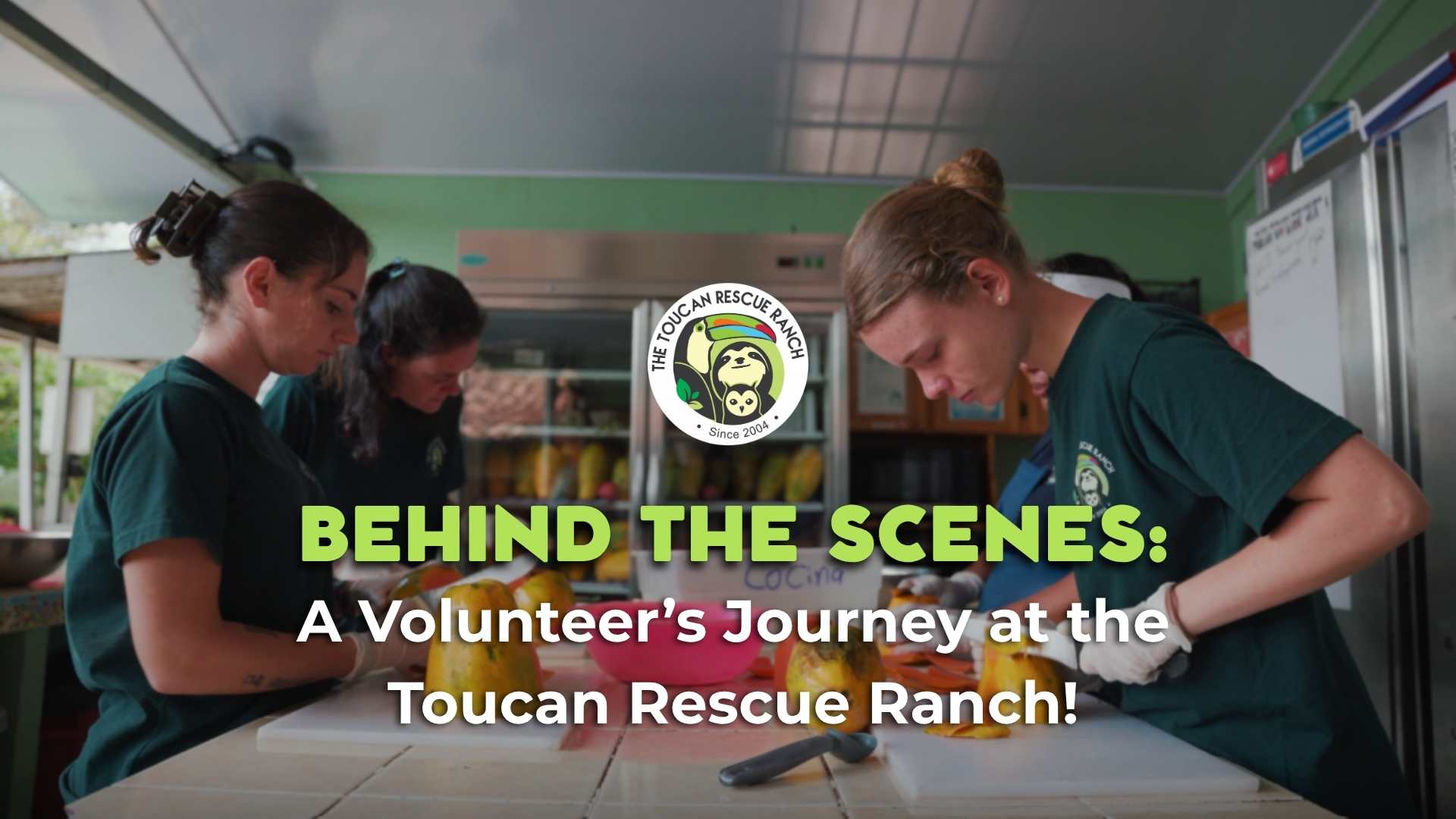
Avian feeding routines resume with afternoon "top-ups," consisting of seeds for psittacines and papaya for toucans, eliciting an energetic auditory response from the aviaries. Work pauses at midday for a traditional Costa Rican casado, comprising rice, beans, a protein source, salad, and fried plantains, fostering team cohesion among international participants.
Afternoon Operations and Nocturnal Species Care
The final phase of the working day involves a third feeding for Emma, alongside subsequent feeding rounds for monkeys and grisons. As daylight wanes, attention turns to the facility’s nocturnal residents—including kinkajous, porcupines, and pacas. Because these species are naturally active after dark, their afternoon feeding windows provide vital opportunities for caretakers to observe mobility, alertness, and behavioral health before the animals retreat to rest.
The day concludes with a final division of labor: a specialized group feeds the raptors while remaining personnel sanitize enclosures and wash food trays, officially closing the operational cycle.
Life in the Volunteer House: Community and Integration
The logistical success of volunteer-dependent sanctuaries relies heavily on residential infrastructure. Located a short two-minute walk from TRR headquarters, the volunteer residence accommodates the transient workforce that sustains the ranch’s daily operations.
Structured across two floors, the facility houses dormitories, private rooms, shared kitchens, and communal living spaces designed to balance collaboration with personal decompression. According to program participants, the residential layout deliberately encourages cross-cultural exchange among volunteers hailing from diverse global backgrounds.
Beyond structured shifts, participants frequently utilize their late afternoons and evenings to engage with the surrounding region. Activities range from local exploration and journaling to weekend excursions into San José for dining, cultural walks through Chinatown, or visits to local amenities, ensuring psychological resilience against the physical and emotional demands of wildlife care.
Fact-Based Analysis: The Broader Implications of Wildlife Volunteering
The integration of international volunteers into conservation infrastructure yields measurable economic and operational benefits for developing nations. Facilities like the Toucan Rescue Ranch often operate with constrained permanent staffing budgets; volunteer contributions significantly reduce labor deficits in critical areas such as food preparation, sanitation, and enclosure enrichment.
Furthermore, programs that incorporate academic pathways—such as Schafroth’s transition into the marketing and communications department—demonstrate a sophisticated approach to institutional capacity building. By applying academic competencies to field realities, conservation centers enhance their global outreach, fundraising capabilities, and educational advocacy.
However, wildlife professionals emphasize that successful volunteer programs must maintain rigorous boundaries. Observers note that while human capital is essential for daily maintenance, maintaining strict protocols against habituation remains paramount. Educational lectures led by veterinary teams ensure that participants understand the fine line between compassionate care and the biological imperative of eventual release, reinforcing that captive wildlife must never be treated as domestic pets.
Conclusion and Legacy of the Program
For participants completing extended stints in Mesoamerican conservation, the experience often alters professional trajectories and deepens environmental stewardship. Schafroth’s two-month tenure at the Toucan Rescue Ranch underscores the multifaceted nature of modern wildlife rescue: a seamless blend of grueling physical labor, meticulous nutritional science, and strategic public engagement. As global pressures on natural habitats continue to mount, the model demonstrated at TRR—combining local veterinary expertise with international volunteer dedication—remains an essential line of defense for the preservation of neotropical biodiversity.
