
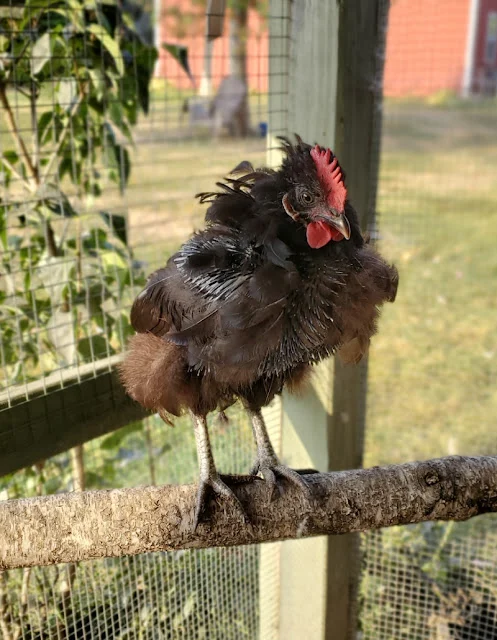
Each autumn, owners of backyard poultry often face a common, yet initially alarming, occurrence: their chickens begin shedding their feathers in large quantities, often leaving the birds appearing ragged, listless, or even partially bald. This natural biological phenomenon, known as molting, is a critical phase in a chicken’s lifecycle. Far from being a sign of disease or predator activity, molting is a highly orchestrated physiological process that serves as the bird’s primary mechanism for seasonal adaptation. Understanding the nuances of the molt—from its biological triggers to its nutritional requirements—is essential for any responsible flock owner to ensure the health and longevity of their birds.

The Biological Foundation of the Molt
At its core, molting is the process by which chickens replace their old, damaged, or soiled plumage with a fresh, resilient set of feathers. Feathers are composed primarily of keratin, the same structural protein found in human hair and fingernails. Because feathers are non-living structures, they undergo significant "wear and tear" over time. They become brittle, frayed, and less effective at trapping air—a critical function for thermoregulation.

For a chicken, the ability to "fluff" its feathers is the primary defense against plummeting temperatures. By creating a lofted layer of down near the skin, the bird traps body heat, creating an insulating buffer against the cold. When feathers reach the end of their functional lifespan, they lose this capacity for efficient thermoregulation. The annual molt serves as a total system reset, ensuring that as winter approaches, the birds are equipped with a fresh, high-density coat of plumage capable of withstanding harsh weather conditions.

Seasonal Triggers and Chronology
The primary catalyst for the annual molt is photoperiodism—the physiological response of an organism to the length of night or day. As the summer solstice passes and the days begin to shorten, the reduction in daylight hours triggers hormonal shifts within the chicken’s endocrine system. Specifically, the decrease in light stimulation leads to a reduction in the production of reproductive hormones, which signals the bird to cease egg production and initiate the molting process.

While the specific timing can vary based on breed, genetics, and environmental factors, the first significant adult molt typically occurs when a bird is approximately 18 months of age. Following this initial event, the molt generally becomes an annual occurrence, usually starting in late summer or early autumn. The entire duration of the process is highly individualized. High-producing egg layers often exhibit a "hard" or rapid molt, completing the transition in as little as 12 to 16 weeks. Conversely, less efficient layers may undergo a "soft" or protracted molt, which can span up to six months.

Distinguishing Molt from Pathological feather Loss
A critical challenge for poultry keepers is distinguishing a normal, healthy molt from other, more concerning causes of feather loss. During a normal molt, the loss of old feathers is directly correlated with the emergence of new, developing feathers. Owners will observe "pin feathers"—new growth encased in a protective, waxy, keratinous sheath. These pins appear as small, firm spikes on the bird’s body.

In contrast, feather loss resulting from external stressors such as parasites, cannibalism, or behavioral issues typically presents differently. If a bird shows bare, raw, or irritated patches of skin, especially around the vent or abdomen, this is rarely indicative of a seasonal molt. Such symptoms are often associated with infestations of mites or lice, which require specific veterinary interventions. Furthermore, behavioral feather picking—often a result of overcrowding or boredom—leads to uneven, patchy loss that does not follow the predictable, systematic pattern of a natural molt. A natural molt consistently begins at the head and neck, proceeding sequentially to the breast, back, wings, and finally, the tail.

Nutritional Requirements and Metabolic Stress
The metabolic demand placed on a bird during the molting process is immense. Because feathers are composed of nearly 90% protein, the chicken’s body must divert significant nutritional resources to synthesize new plumage. During this period, the bird is effectively under a state of physiological stress.

Data from agricultural research suggests that if a bird is not provided with adequate dietary protein, the molting process can be delayed or result in poor-quality, brittle feather growth. This, in turn, compromises the bird’s ability to maintain warmth during the winter. Consequently, many poultry experts recommend increasing the protein content of the feed during the molting window. Standard layer rations, which are formulated to support the production of eggs (a calcium-intensive process), may be insufficient for a bird focusing all its metabolic energy on feather regeneration. Switching to a high-protein feed or supplementing with nutrient-dense, protein-rich items such as legumes, grains, or specific high-quality scraps can facilitate a more efficient recovery.

Behavioral and Reproductive Implications
During the molting phase, owners may notice significant shifts in the temperament and behavior of their flock. It is common for birds to become lethargic, shy, or noticeably less active. They may avoid social interaction or seek seclusion, which is a natural survival instinct when they are physically vulnerable.

From a production standpoint, the decline in egg-laying is almost universal. The hormonal shifts that trigger the molt actively inhibit the production of eggs. While this may be frustrating for those keeping chickens for steady production, it is a necessary biological trade-off. The energy required to produce a single egg is substantial; when that energy is redirected toward the growth of thousands of new feathers, reproduction must pause.

In roosters, the impact is equally significant. During a heavy molt, roosters often experience a decline in fertility. In extreme cases, if the bird suffers from significant weight loss—defined by avian specialists as a reduction of 25% or more of total body weight—the bird may experience prolonged or even permanent sterility. Therefore, monitoring the body condition of the flock during this time is a critical management practice.

Practical Management Strategies for the Flock Owner
For those managing backyard flocks, the period of the molt requires a disciplined approach to husbandry. Providing a stress-free environment is paramount. Overcrowding, extreme heat, or sudden changes in coop conditions—such as the inconsistent use of supplemental artificial lighting—can exacerbate the stress of the molt.

While some owners are tempted to use supplemental lighting to force the birds to continue laying through the autumn, experts often advise against this. Forcing a bird to continue egg production while it is attempting to molt can lead to "split molts" or chronic health issues, as the bird is forced to split its resources between two major physiological tasks. Consistency is the most important factor; if artificial light is used, it must be managed with precise timing to ensure the bird’s circadian rhythms remain stable.

Hydration and gut health also play a role. Many experienced keepers add apple cider vinegar to the water supply at a ratio of one tablespoon per gallon. While the scientific evidence regarding its specific medicinal properties in poultry is debated, it is widely utilized in the industry to help balance the pH of the digestive tract and potentially enhance nutrient absorption. This, combined with high-quality, protein-dense feed, ensures that the birds reach the end of the molting cycle in optimal condition.

Conclusion: The Path to Recovery
The molting process is a testament to the resilience of avian physiology. Though it may be aesthetically unpleasant and result in a temporary cessation of egg production, it is a vital, health-promoting cycle. By recognizing the patterns of feather loss, ensuring the flock receives the necessary nutritional support, and minimizing external environmental stressors, owners can ensure that their chickens successfully navigate this seasonal transition. As the cycle concludes, the birds will return to their full vitality, equipped with a fresh, glossy, and efficient coat of feathers, fully prepared to face the challenges of the winter months. Recognizing this process as a hallmark of a healthy, functioning flock is a key component of successful long-term poultry management.
