
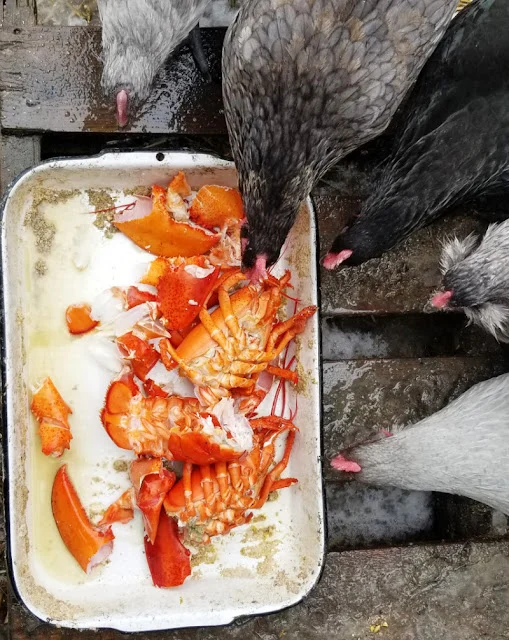
The integration of unconventional protein sources into the diets of backyard chickens has long been a subject of interest for avian nutritionists and small-scale farmers. In coastal regions such as Maine, where the crustacean industry is a primary economic driver, poultry keepers have increasingly turned to lobster remnants as a supplemental feed source. While the practice may appear unconventional to those outside of maritime environments, scientific analysis of the nutritional profile of lobster meat and shells suggests that, when provided in moderation, these remains offer significant health benefits for domestic fowl.

The Economic and Cultural Context of Coastal Poultry Feeding
The practice of feeding lobster remains to poultry is largely a byproduct of the regional economic landscape in New England. Over the past decade, the accessibility of lobster has shifted, moving from a luxury item to a widely available protein source in local grocery stores and coastal markets. During off-peak seasons, retail prices for lobster can drop to as low as $7.99 per pound, occasionally rendering it more cost-effective than standard poultry feed or conventional meat proteins.
For many residents in Maine, this price volatility creates a surplus of byproduct—specifically shells and remnant tissue—that would otherwise be discarded as household waste. Poultry keepers have begun utilizing these leftovers as a method of sustainable waste reduction. By diverting organic material from landfills to the backyard flock, keepers are participating in a closed-loop system that mimics the foraging behaviors of wild ancestors of the domestic chicken.

Nutritional Profile and Avian Health Implications
Contrary to the common misconception that lobster is inherently unhealthy due to cholesterol levels, the meat of the crustacean is a dense source of lean protein. A standard three-ounce serving of cooked lobster meat provides approximately 19 grams of protein, while maintaining a low caloric footprint, provided it is not prepared with supplemental fats such as butter or mayonnaise.
From an avian perspective, the nutritional benefits are multi-faceted:

- Protein Synthesis: The high-quality protein found in lobster tissue aids in feather production and muscle development, particularly during the molting season when a chicken’s protein requirements spike.
- Essential Micronutrients: Lobster contains omega-3 fatty acids, selenium, and vitamin B12. These elements are known to support heart health and reduce systemic inflammation. In poultry, these nutrients can correlate with improved immune function and better egg quality.
- Calcium Bioavailability: The most significant benefit of the lobster shell lies in its calcium content. As the shells dry and become brittle, they can be processed into a supplement. Calcium is a critical mineral for laying hens, required to maintain the structural integrity of eggshells and prevent metabolic bone disorders.
Chronology of Practice and Community Observation
While no formal longitudinal study has been commissioned to track the long-term effects of lobster consumption on backyard flocks, anecdotal evidence from the last decade of New England chicken keeping indicates a high degree of palatability. Poultry keepers report that the scavenging process serves as a form of environmental enrichment. The act of picking through shells to extract small morsels of meat or tomalley (the hepatopancreas) engages the birds’ natural foraging instincts, which reduces boredom and aggressive behaviors often observed in confined flocks.
Historically, this practice emerged organically as homeowners looked to minimize food waste. In the early 2010s, as social media platforms allowed for the sharing of husbandry practices, the phenomenon gained visibility. Frequently, observers unfamiliar with maritime farming practices expressed skepticism, raising concerns about the appropriateness of feeding marine life to land-based birds. However, avian specialists note that chickens are opportunistic omnivores; in wild settings, they frequently consume insects, small reptiles, and crustaceans if the opportunity arises.

Guidelines for Safe Supplemental Feeding
While the benefits are documented, agricultural experts emphasize that lobster should be treated as a supplement rather than a primary diet component. The primary concerns regarding the inclusion of seafood in a chicken’s diet are sodium levels and the potential for heavy metal accumulation.
- Sodium Regulation: Commercial lobster preparations often involve boiling in salted water. Excess sodium can lead to kidney strain in poultry and water retention issues. It is recommended that shells and meat remnants be rinsed thoroughly or sourced from unsalted preparations to mitigate these risks.
- Mercury Concentrations: Like many marine species, lobsters may contain trace amounts of mercury. While the levels are generally safe for occasional consumption, they should not constitute the bulk of the bird’s caloric intake to avoid bioaccumulation.
- Physical Processing: To prevent crop impaction or choking hazards, large shell fragments should be crushed. Utilizing a mortar and pestle or a food processor to reduce shells to a manageable, grit-like consistency ensures that the calcium is easily digestible and poses no risk to the bird’s digestive tract.
Broader Implications for Sustainable Agriculture
The use of lobster remnants as feed represents a broader shift toward circular agriculture. By repurposing the waste stream of the fishing industry, backyard keepers reduce the carbon footprint associated with purchasing processed feed pellets that require long-distance transportation. This model of "upcycling" waste into nutrient-dense protein for livestock is increasingly being studied as a viable method for small-scale sustainability.

Furthermore, the integration of such "luxury" scraps into a low-cost, high-yield agricultural setting highlights the resourcefulness of modern small-scale farmers. It challenges the conventional understanding of poultry diets and encourages keepers to look at local, seasonal, and biological resources that are often overlooked.
Conclusion and Future Outlook
The inclusion of lobster in a backyard chicken’s diet is a testament to the adaptability of the species and the resourcefulness of their caretakers. As long as the practice is conducted with an understanding of nutritional moderation—focusing on the shells for calcium and the meat for protein enrichment—it serves as a viable and beneficial supplement.

As the interest in backyard poultry continues to rise globally, the dissemination of accurate information regarding unconventional feed sources becomes paramount. While a lobster-rich diet may remain a localized phenomenon restricted to coastal regions, it serves as a compelling case study in how human food systems and domestic animal husbandry can intersect to create a more efficient and nutrient-rich cycle for the home farm. The key, as with all dietary additions, remains the careful monitoring of the flock’s health and the commitment to providing a balanced, diverse nutritional foundation. By viewing the byproduct of a dinner table not as waste, but as a secondary resource, poultry keepers in Maine and beyond continue to set a precedent for innovative and sustainable animal management.
